The Ultimate Guide to Baking Homemade Coconut Lime Cupcakes: A Masterclass in Tropical Flavor Balance and Culinary Precision

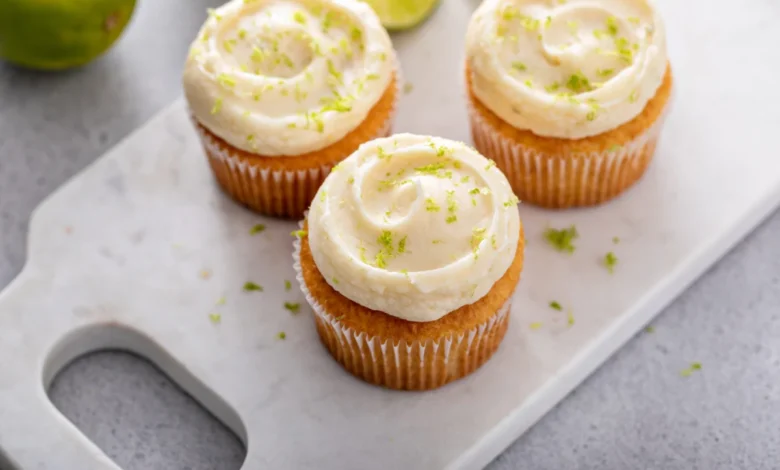
The global culinary landscape has witnessed a remarkable resurgence in artisanal home-baking, driven by consumer demand for sensory-rich, balanced flavor profiles that marry vibrant citrus with rich, creamy tropical elements. Among the frontrunners of this baking renaissance are Homemade Coconut Lime Cupcakes, a sophisticated yet accessible dessert that has captured the attention of culinary enthusiasts and professional pastry chefs alike. Combining the sharp, refreshing punch of fresh Key and Persian limes with the decadent, velvety depth of full-fat coconut milk and shredded coconut, this recipe represents an exercise in precise baking science and flavor harmony.
Culinary Background and Flavor Dynamics
The pairing of coconut and lime is hardly a novel concept in global gastronomy; it forms the backbone of numerous tropical cuisines, ranging from Southeast Asian curries to Caribbean seafood marinades and Latin American desserts. However, translating this dynamic flavor duo into the realm of baked goods requires navigating distinct chemical challenges. Citrus juices are highly acidic, which can interfere with the delicate rise of a cake if not properly counterbalanced by leavening agents and dairy proteins. Furthermore, introducing high-fat liquids like coconut milk alters the crumb structure, risking a dense texture if the batter is improperly mixed.
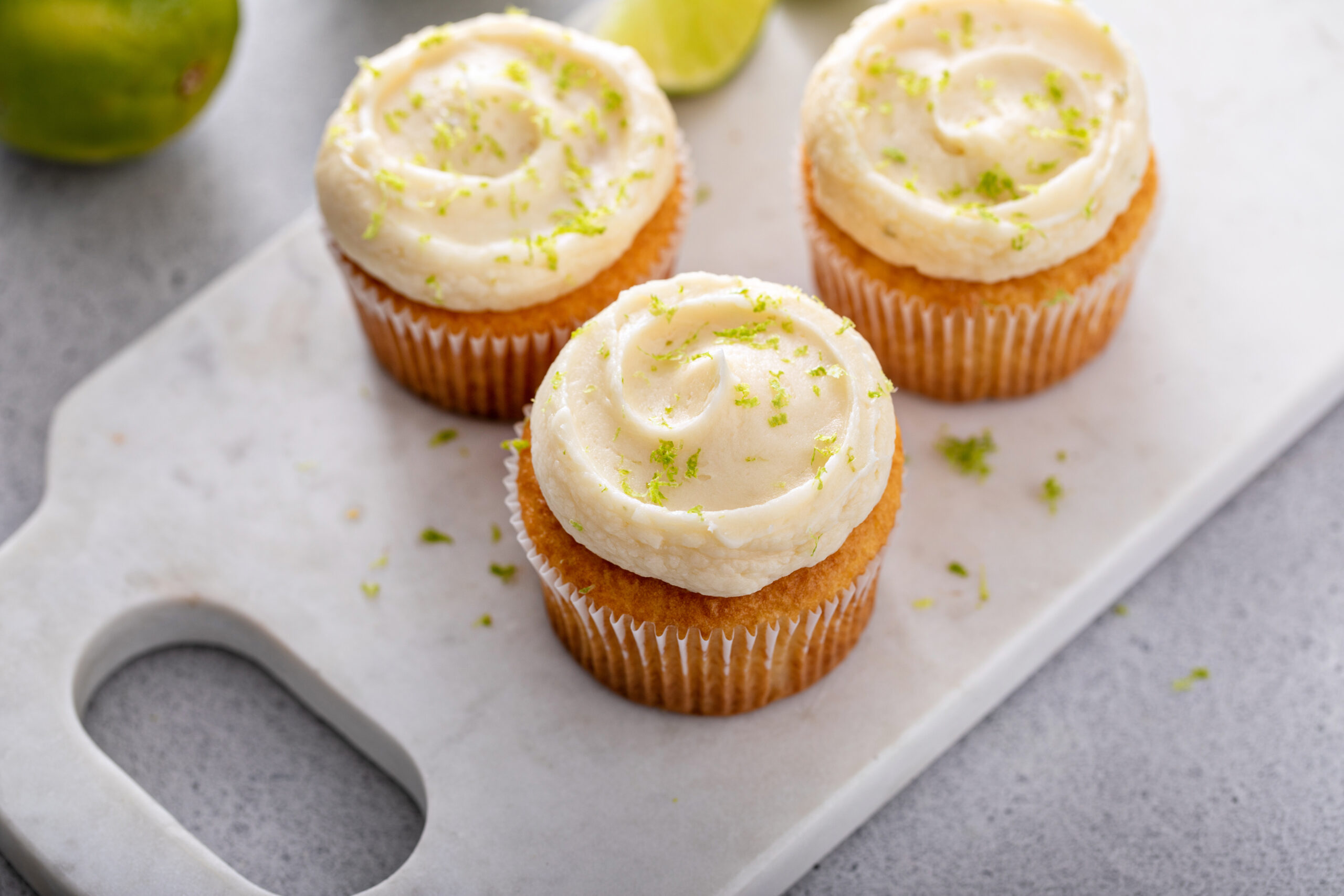
To overcome these structural hurdles, modern recipe development has refined the technique of layering coconut and citrus elements. By utilizing fresh lime zest for aromatic oils and juice for acidity, bakers can infuse the batter with concentrated citrus flavor without introducing an excess of liquid that would compromise structural integrity. Similarly, replacing standard dairy milk with canned, full-fat coconut milk introduces natural emulsifiers and rich plant fats that yield an exceptionally tender, moist crumb reminiscent of high-end commercial bakeries.
Step-by-Step Chronology of the Baking Process
Executing a professional-grade batch of coconut lime cupcakes requires adherence to a strict chronological workflow designed to optimize chemical reactions and texture development.
Phase One: Preparation and Ingredient Conditioning (T-Minus 30 Minutes)
The foundation of a successful bake begins long before the oven is preheated. Culinary experts consistently emphasize the necessity of bringing all primary ingredients—including unsalted butter, eggs, and canned coconut milk—to room temperature, ideally resting on the counter for approximately thirty minutes. Room-temperature ingredients create a smooth, homogenous emulsion when beaten, trapping microscopic air bubbles that expand in the heat of the oven to produce a light, fluffy crumb. Concurrently, the baker must ensure precise flour measurement. Utilizing a kitchen scale to weigh flour, or employing the "spoon and level" technique, prevents the common pitfall of flour compaction, which frequently leads to dry, dense cupcakes.
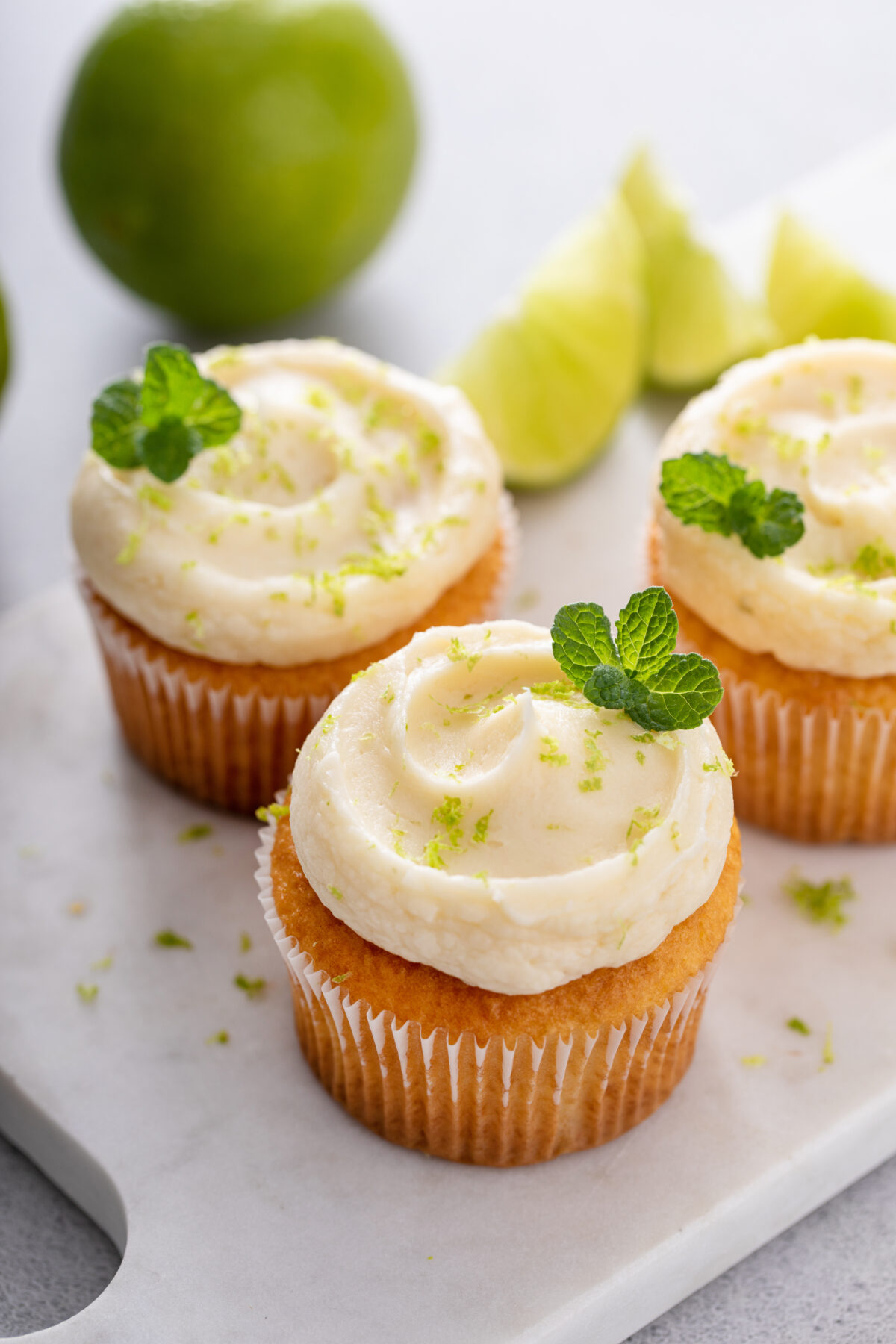
Phase Two: Batter Formulation (0 to 15 Minutes)
The active preparation phase commences with the creaming method. Softened butter and granulated sugar are beaten together at medium-high speed until the mixture visibly transforms into a pale, voluminous, and airy state. This mechanical incorporation of air is critical for texture. Next, eggs are integrated one at a time, followed by the incorporation of fresh lime zest and optional coconut extract. Dry ingredients, alternating with full-fat canned coconut milk, are folded in gently. Restraint is paramount during this stage; overmixing activates the gluten proteins in the wheat flour, transforming a tender batter into a tough, chewy structure. Once unified, an ice cream or cookie scoop is deployed to distribute the batter evenly into lined muffin tins, filling each cavity approximately two-thirds of the full capacity.
Phase Three: Thermal Processing and Cooling (15 to 35 Minutes)
Baking takes place in a preheated oven, typically set between 325°F and 350°F, depending on calibration. The cupcakes undergo a baking window of approximately 18 to 22 minutes. Professional oversight during the final minutes is crucial to prevent overbaking. A wooden toothpick inserted into the center should emerge clean or with a few moist crumbs attached. Following extraction from the thermal environment, the cupcakes must remain undisturbed in their pans for a brief period before being transferred to a wire rack to cool completely. Applying buttercream to a warm cupcake is a frequent error that results in melted, greasy icing and structural collapse.
Phase Four: Frosting and Finishing (35 to 45 Minutes)
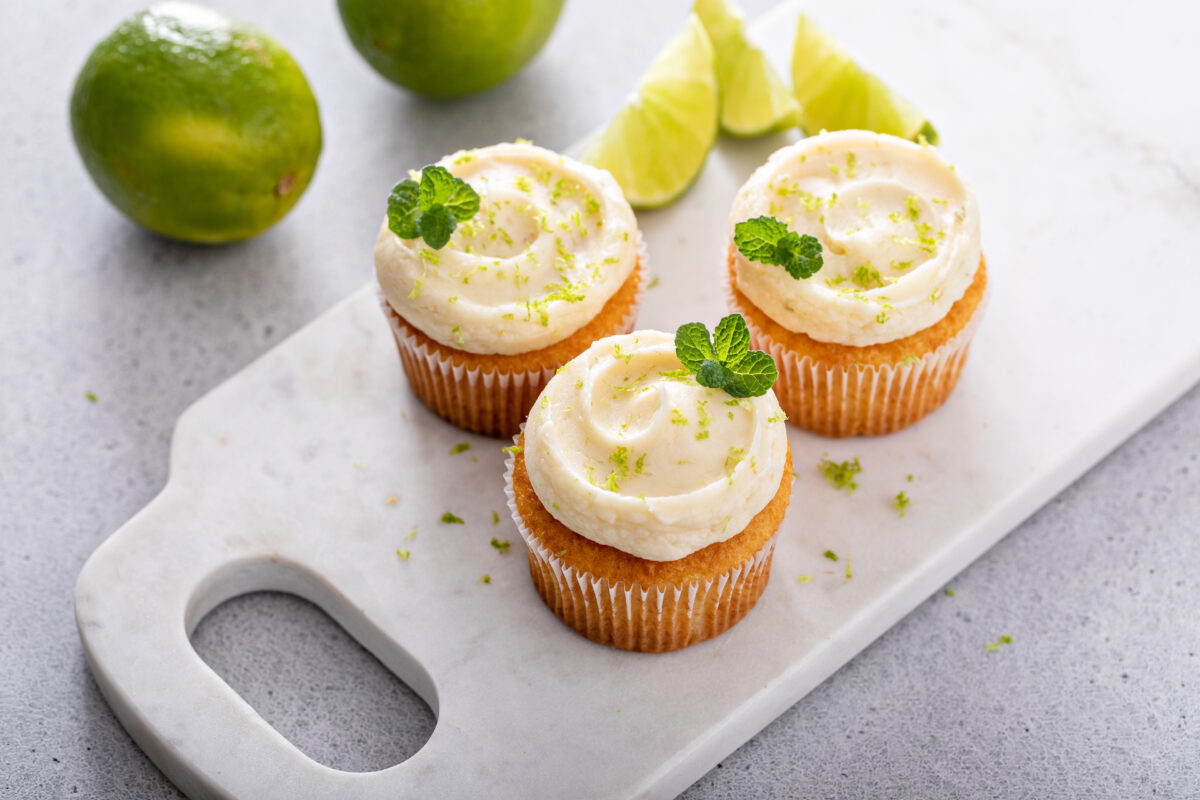
The crowning component of the dessert is the fluffy lime buttercream. This phase begins with the independent whipping of cooled, softened butter to establish an ultra-light base before the gradual incorporation of powdered sugar, fresh lime juice, lime zest, and a splash of coconut milk. Extended beating—often lasting several minutes—aerates the frosting to a spreadable, silky consistency. Finally, the cupcakes are garnished with toasted coconut flakes, prepared by baking shredded coconut on a sheet pan at 325°F for five to eight minutes with intermittent stirring. This toasted element introduces textural contrast and a deeper, caramelized coconut aroma.
Nutritional Analysis and Dietary Implications
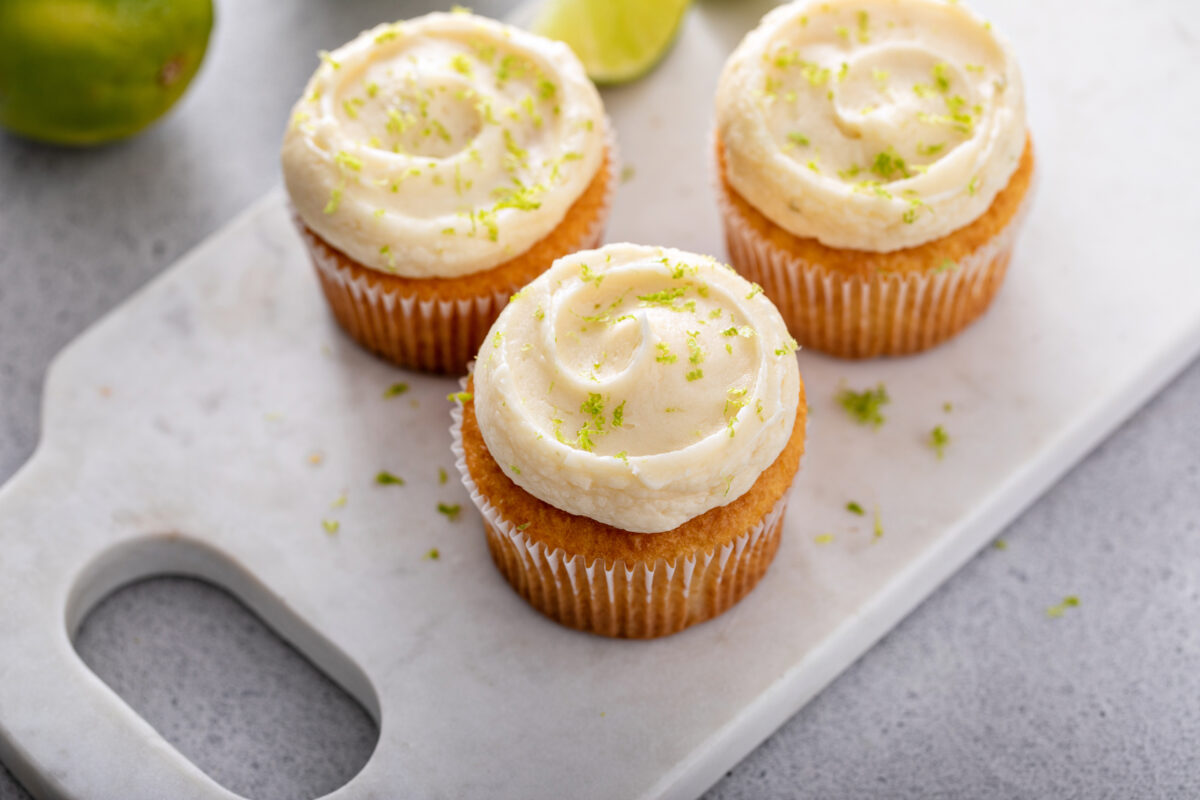
While cupcakes are traditionally viewed through the lens of indulgence, contemporary home-baking trends increasingly emphasize ingredient transparency and quality control. Making coconut lime cupcakes from scratch allows consumers to bypass the artificial preservatives, high-fructose corn syrup, and hydrogenated oils commonly found in commercial baked goods.
From a nutritional perspective, substituting standard dairy milk with canned coconut milk introduces medium-chain triglycerides (MCTs), which are metabolized differently than long-chain fatty acids. Furthermore, the incorporation of fresh lime zest provides trace amounts of Vitamin C and dietary antioxidants. However, dietitians note that standard flour, sugar, and butter bases still contribute significant caloric and carbohydrate loads, classifying the dessert as an occasional treat suited for celebratory contexts rather than everyday dietary staples.
Customization and Professional Variations
The inherent versatility of the coconut lime flavor profile has inspired a wide array of professional and home-kitchen adaptations. Pastry chefs frequently utilize flavor-modifying inclusions to elevate the standard recipe:
- Curd and Cream Fillings: Inserting a pocket of tart homemade lime curd or rich coconut pastry cream into the center of the baked cupcake provides an unexpected burst of moisture and flavor upon the first bite.
- Tropical Fruit Integration: Folding finely minced, well-drained crushed pineapple into the batter transforms the dessert into a classic piña colada-inspired confection.
- Acid-Fat Balancing Substitutions: Swapping traditional buttercream for a tangy lime cream cheese frosting cuts through the inherent sweetness of the dessert, appealing to consumers who prefer a less cloying finish.
- Scale and Form Adjustments: Dividing the batter into mini muffin tins yields bite-sized iterations with significantly reduced baking times, making them ideal for catered events and large gatherings.
Broader Economic and Culinary Impact
The enduring popularity of tropical flavor profiles like coconut and lime extends far beyond domestic kitchens, reflecting broader shifts in consumer palate preferences within the multi-billion-dollar global baking and confectionery industry. Market research indicates a rising consumer appetite for complex, citrus-infused comfort foods that evoke a sense of escapism and warmth.
By mastering foundational techniques such as proper ingredient temperature regulation, flour measurement precision, and emulsification, home bakers can replicate high-end patisserie results at a fraction of the cost. As culinary education continues to democratize through digital platforms, recipes like homemade coconut lime cupcakes serve as accessible masterclasses, empowering everyday cooks to experiment with professional-grade baking science in their own homes. Whether served at spring garden parties, summer barbecues, or winter celebrations, these meticulously crafted treats remain a testament to the enduring appeal of bright acidity balanced by rich, tropical indulgence.
Related posts: