Grilled Chicken and Veggie Kabobs Offer a Vibrant and Flavorful Solution for Weeknight Dinners and Outdoor Gatherings

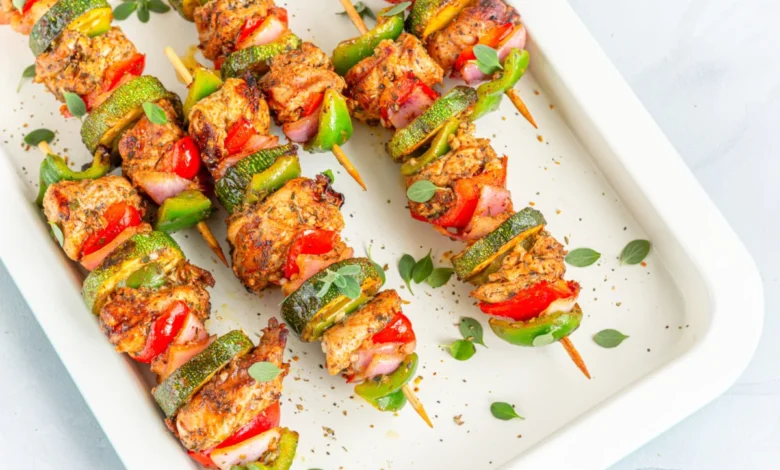
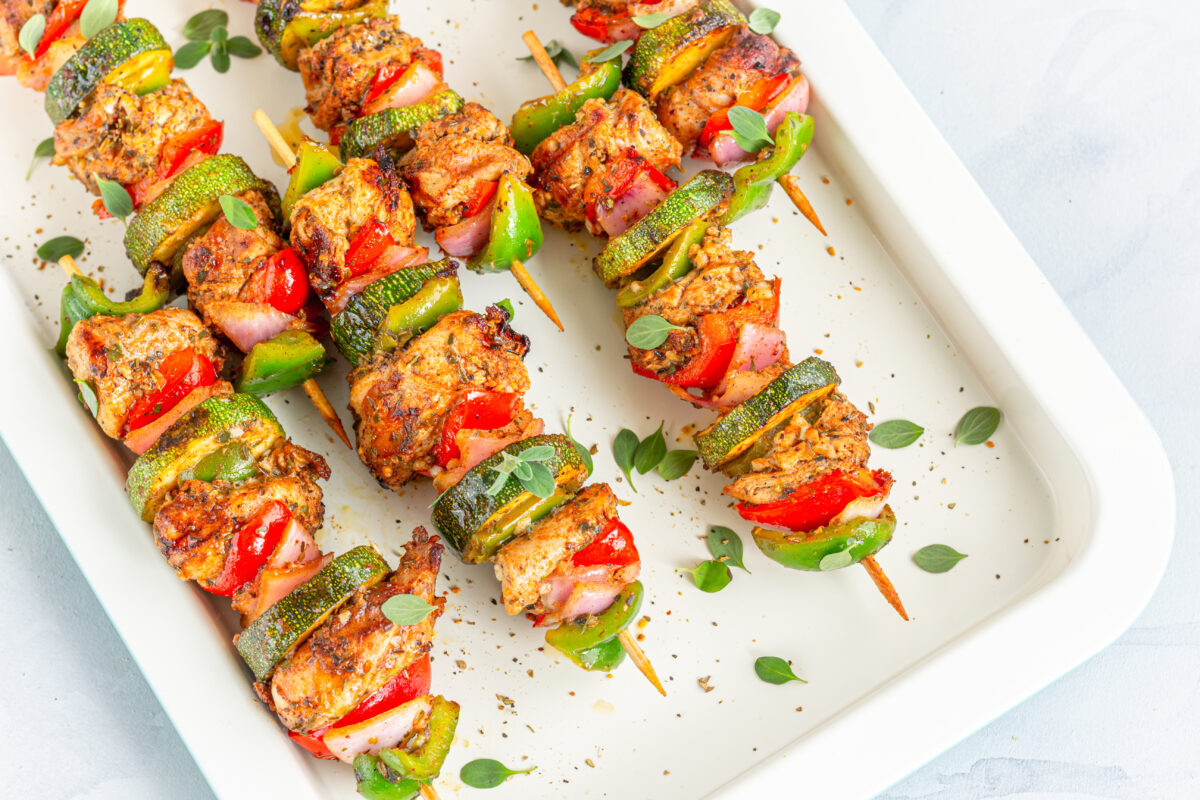
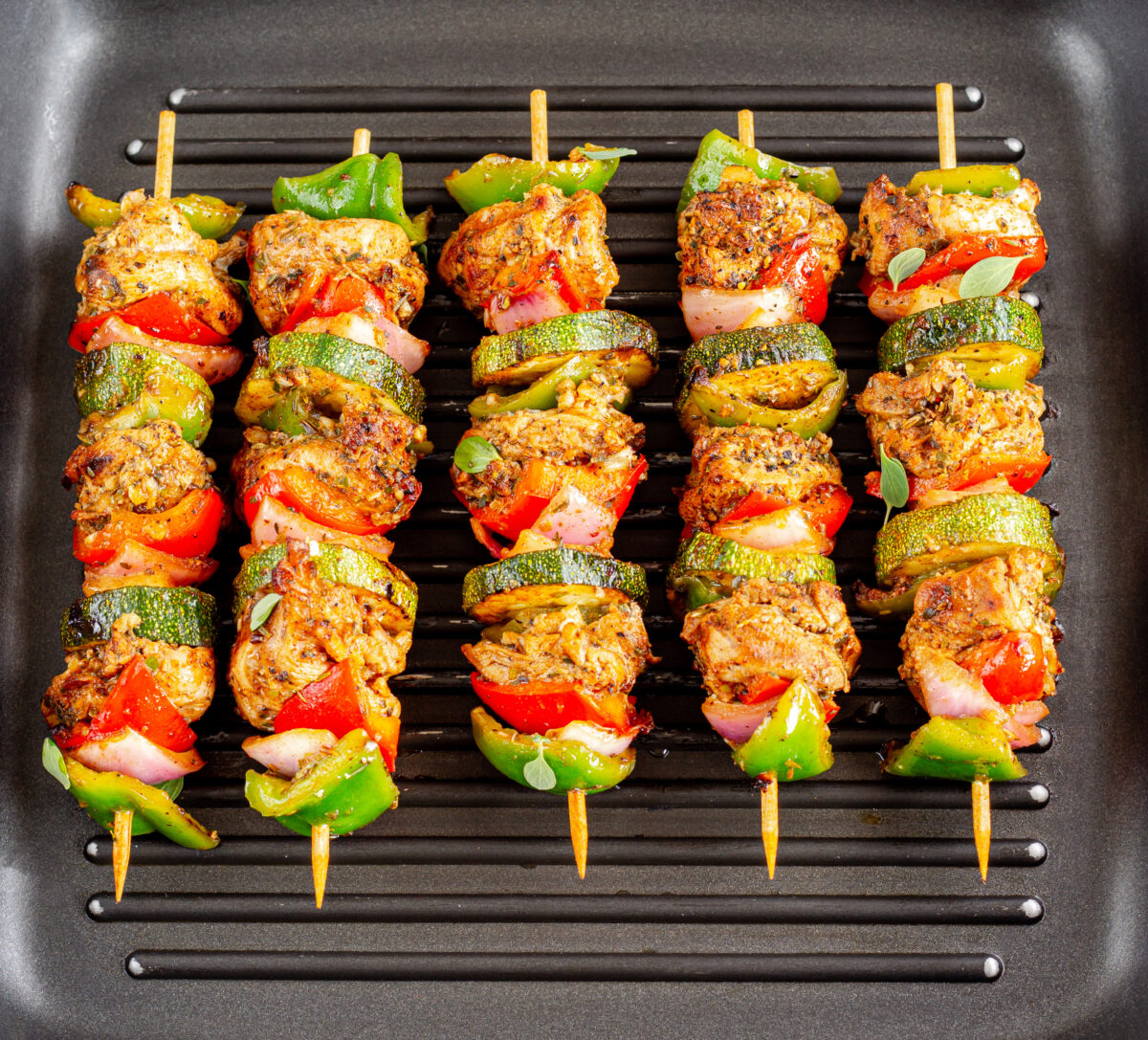
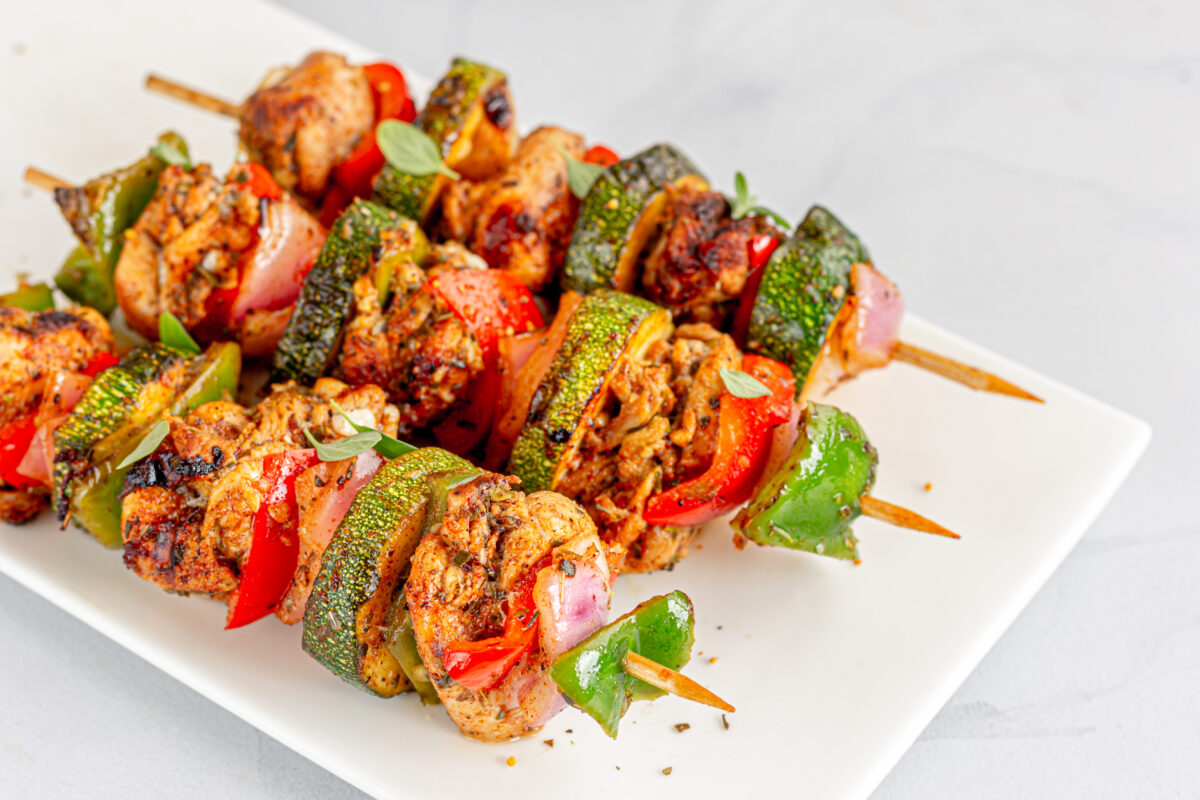
These grilled chicken and veggie kabobs present a straightforward yet visually appealing dinner option, featuring succulent marinated chicken interspersed with colorful chunks of zucchini, red onion, and bell peppers. The carefully crafted herb marinade not only infuses the ingredients with a fresh, savory essence but also plays a crucial role in ensuring the chicken remains tender and moist throughout the grilling process. This culinary approach transforms a common meal into a vibrant, healthy, and easily executable dish suitable for a variety of dining occasions.
The inherent appeal of these kabobs lies in their ability to deliver a complete and satisfying meal directly from the grill. The chicken, elevated by its flavorful marinade, achieves a tender consistency, while the vegetables undergo a transformation, becoming lightly charred and naturally sweet. The convenience of cooking all components on a single skewer streamlines the process and simplifies cleanup, a significant advantage for busy households and event organizers alike.
The Allure of the Skewer: A Culinary Tradition and Modern Convenience
The concept of skewering and grilling food is a practice that spans cultures and centuries. From the ancient art of cooking meat over open fires to the sophisticated modern barbecue, the skewer has always offered a practical method for evenly cooking smaller pieces of food while allowing marinades and seasonings to penetrate deeply. In contemporary times, kabobs, or kebabs, have become synonymous with outdoor entertaining, casual dining, and efficient meal preparation. Their inherent versatility allows for endless customization, making them a favorite for family gatherings, potlucks, and even simple weeknight meals.
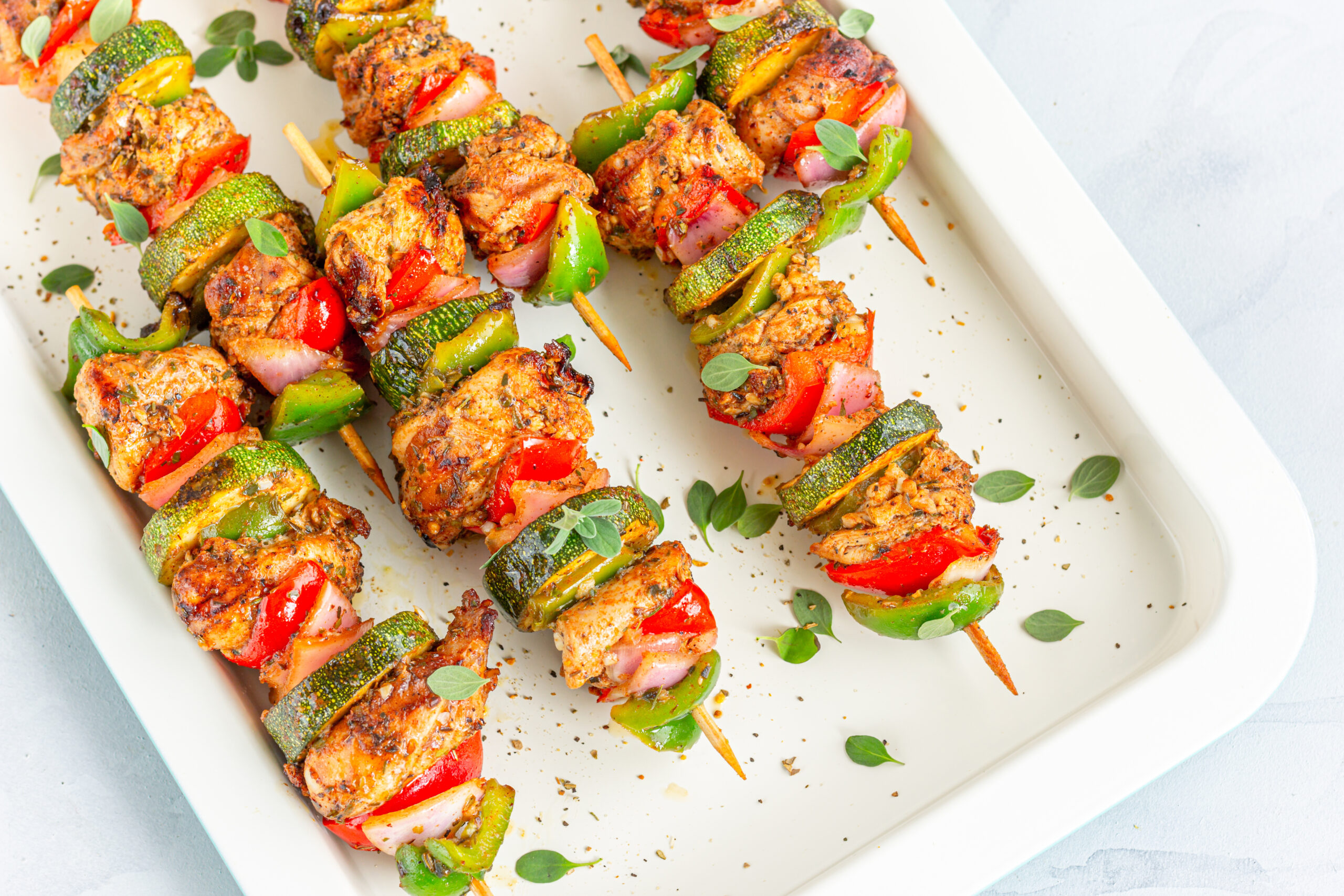
The popularity of chicken and vegetable kabobs, in particular, can be attributed to several factors. Chicken is a widely accessible and lean protein source, making it a healthy choice for many dietary preferences. The combination with a medley of colorful vegetables not only enhances the visual appeal but also boosts the nutritional profile of the dish, providing essential vitamins, minerals, and fiber. The grilling method itself is often favored for its ability to impart a distinct smoky flavor and desirable texture that is difficult to replicate through other cooking techniques. Furthermore, the interactive nature of assembling kabobs can be a fun activity for children, fostering engagement in food preparation and healthy eating habits.
Maximizing Flavor and Tenderness: Key Techniques for Kabob Perfection
Achieving perfectly grilled chicken and vegetable kabobs involves a few fundamental culinary techniques that elevate the final dish. One of the most critical aspects is the preparation of the marinade. The marinade in this recipe, characterized by its simple herb base, is designed to provide a fresh and savory flavor while simultaneously acting as a tenderizer for the chicken. The inclusion of acidic components, such as lemon juice or vinegar, in marinades helps to break down the protein fibers in the chicken, resulting in a more tender and succulent final product. However, it is essential to strike a balance; over-marinating, particularly with acidic ingredients, can lead to a mushy texture. Experts generally recommend marinating chicken for no more than four hours to achieve optimal flavor and tenderness without compromising the meat’s integrity.
Evenly cut ingredients are paramount for ensuring uniform cooking. When chicken and vegetables are cut into similar-sized pieces, they will cook at approximately the same rate on the grill. This prevents some components from becoming overcooked and dry while others remain undercooked. For chicken kabobs, boneless, skinless chicken thighs are often recommended over chicken breasts. While chicken breasts can be a leaner option, they are more prone to drying out on the grill. Chicken thighs, with their higher fat content, are more forgiving and tend to remain exceptionally juicy and flavorful.
The arrangement of ingredients on the skewer also plays a significant role in the cooking process. It is advisable to leave a small amount of space between each piece of chicken and vegetable. Packing the skewers too tightly can cause the ingredients to steam rather than char, resulting in a less desirable texture and flavor profile. This spacing allows hot air to circulate around each piece, promoting even cooking and encouraging the development of those appealing grill marks.
Ensuring Food Safety: The Role of Temperature Monitoring
A crucial element in preparing any poultry dish, including grilled chicken kabobs, is ensuring it is cooked to a safe internal temperature. Food safety guidelines from public health organizations, such as the Centers for Disease Control and Prevention (CDC) and the U.S. Department of Agriculture (USDA), consistently recommend that chicken be cooked to an internal temperature of 165°F (74°C). This temperature effectively eliminates harmful bacteria that can be present in raw poultry. The most reliable method for verifying that chicken has reached this safe temperature is by using an instant-read meat thermometer. Inserting the thermometer into the thickest part of the chicken piece, avoiding bone, will provide an accurate reading. This simple step not only ensures safety but also contributes to the overall quality of the dish by preventing overcooking.
Customization and Versatility: Adapting the Kabob Concept
The inherent adaptability of grilled chicken and vegetable kabobs makes them a perfect canvas for culinary creativity. Beyond the classic combination, numerous variations can cater to diverse palates and dietary needs.
-
Mediterranean Flair: Incorporating elements like crumbled feta cheese, Kalamata olives, and serving with a side of creamy tzatziki sauce can transform the kabobs into a delightful Greek-inspired meal. The briny olives and salty feta complement the savory chicken and charred vegetables, while tzatziki adds a cooling, herbaceous counterpoint.
-
Spicy Kick: For those who enjoy a bit of heat, introducing ingredients such as crushed red pepper flakes, cayenne pepper, or a dollop of chili garlic sauce into the marinade can infuse the kabobs with a pleasant warmth. The level of spice can be adjusted to individual preference, making it a dynamic option for entertaining guests with varying spice tolerances.
-
Sweet and Savory Fusion: A touch of sweetness can be achieved by whisking a tablespoon of honey into the herb marinade. This addition, particularly when grilling, can lead to a lightly caramelized exterior on the chicken and vegetables, adding a new dimension to the flavor profile. The honey interacts with the heat of the grill to create a subtle sweetness that balances the savory elements.
-
Expanded Vegetable Selection: The vegetable component of kabobs is highly customizable. Beyond zucchini, red onion, and bell peppers, a wide array of other produce can be incorporated. Options such as mushrooms, cherry tomatoes, yellow squash, corn rounds, and even chunks of pineapple can add unique textures and flavors. Pineapple, in particular, brings a tropical sweetness and a slight tang that pairs well with grilled chicken.
-
Deconstructed Bowl Presentation: For a lighter or more grain-focused meal, the cooked chicken and vegetables can be removed from the skewers and served as a topping for a base of rice, quinoa, couscous, or a bed of fresh greens. This "bowl" format offers a convenient way to create balanced and customizable meals, catering to those who prefer not to eat directly from skewers.
Strategic Planning: Meal Prep and Storage for Efficiency
The practical advantages of grilled chicken and vegetable kabobs extend to their meal preparation and storage capabilities. The chicken and vegetables can be cut and prepared up to a day in advance, stored separately in airtight containers in the refrigerator. This pre-preparation step significantly reduces the time required on the day of cooking, making weeknight meals more manageable. As previously mentioned, the chicken can also marinate for up to four hours, allowing for flexibility in timing.
Leftover kabobs can be stored in an airtight container in the refrigerator for up to four days. For optimal storage and reheating, it is recommended to remove the chicken and vegetables from the skewers before placing them in the container. This prevents the skewers from taking up excessive space and allows for more even reheating. Reheating can be done gently in a skillet, microwave, or air fryer until the ingredients are thoroughly warmed through. This attention to storage and reheating ensures that the deliciousness and quality of the kabobs are preserved for future consumption.
Broader Culinary Context and Future Trends
The enduring appeal of grilled chicken and vegetable kabobs reflects a broader trend towards healthy, customizable, and convenient meal solutions. As consumers increasingly seek out recipes that are both nutritious and easy to prepare, dishes like kabobs that can be made in advance, cooked efficiently, and adapted to various tastes are gaining prominence. The emphasis on fresh ingredients, vibrant colors, and straightforward cooking methods aligns with current dietary preferences that prioritize whole foods and mindful eating.
The evolution of grilling techniques and equipment, including advanced grill pans and air fryers, further enhances the accessibility of such recipes. These tools allow for the creation of similar charring and flavor profiles even when outdoor grilling is not feasible. As food culture continues to evolve, the grilled chicken and vegetable kabob, with its inherent flexibility and healthy attributes, is poised to remain a staple in home kitchens and a popular choice for outdoor entertaining. Its simplicity, coupled with its capacity for creative variation, ensures its continued relevance in the modern culinary landscape.
Related posts: