The Ultimate Guide to Stocking Your First College Apartment Kitchen: A Dietitian’s Comprehensive Checklist

Transitioning from a campus residence hall to an off-campus apartment marks a significant milestone in a young adult’s life, substituting tightly regulated dorm life and communal bathrooms with newfound independence. Yet, this milestone frequently coincides with a stark realization for college students and their families: the sudden responsibility of independent food procurement and meal preparation. While students often oscillate between excitement and apprehension, parents frequently harbor concerns regarding nutritional adequacy, fearing their children will default to a diet heavily reliant on instant ramen and caffeinated energy drinks in the absence of a traditional dining hall safety net.
However, nutritional experts emphasize that maintaining a balanced, wholesome diet in a first-time apartment does not necessitate an extensive culinary background or an expensive, professional-grade kitchen setup. Drawing from observations of students successfully navigating this transition—frequently utilizing online resources and incorporating vegetables into routine meals—professionals agree that culinary success stems from strategic grocery planning, functional ingredient staples, and a minimalist yet efficient collection of cooking gear.
The Evolution of Student Nutrition and Independence
The shift from meal plans to self-catering represents a critical phase in behavioral development for undergraduate students. Historically, campus dining halls provided structured access to meals, buffering students from the realities of food economics, storage management, and meal planning. When students relocate to off-campus housing, typically occurring during their junior year or earlier in modern collegiate housing markets, they enter a complex consumer landscape.
According to recent consumer food data, young adults living independently often face a triple constraint: limited budgets, constrained kitchen spaces shared with roommates, and time deficits driven by rigorous academic schedules. Consequently, the establishment of an efficient kitchen infrastructure during the initial move-in phase is paramount. Without proactive guidance, students frequently overspend on specialty kitchen appliances they rarely use while neglecting foundational items necessary for basic nutrition.
Dietetic professionals advocate for a systematic approach to kitchen stocking, dividing requirements into essential equipment, shelf-stable pantry items, refrigeration necessities, and freezer inventory. This methodology minimizes financial waste and maximizes nutritional output, allowing students to construct diverse meals efficiently.
Essential Kitchen Equipment: Quality Over Quantity
A common pitfall for incoming apartment residents is the acquisition of excessive kitchen gadgets. Industry analyses of college housing move-ins indicate that students frequently accumulate redundant appliances—such as specialized panini presses, single-use egg cookers, and extensive knife blocks—that ultimately occupy valuable counter space and remain underutilized.
A streamlined inventory curated by culinary and nutrition experts suggests categorizing equipment based on actual utility:
Must-Haves
- Cookware: One medium saucepan and one versatile skillet or frying pan (preferably non-stick) form the backbone of stovetop cooking, accommodating everything from boiled grains to sautéed proteins.
- Preparation Tools: A sharp chef’s knife, a sturdy cutting board, and a reliable can opener are non-negotiable for basic food safety and meal prep.
- Tableware and Storage: A basic set of plates, bowls, drinking glasses, silverware, and a collection of airtight food storage containers for leftovers are critical for meal preservation and transport to campus.
- Baking Sheets: A rimmed baking sheet serves multiple functions, from roasting vegetables to baking proteins or reheating convenience items.
Might Be a Must-Have and Nice-to-Haves
Depending on individual dietary preferences, a microwave-safe bowl, a colander for draining pasta, a spatula, and measuring cups can significantly streamline cooking processes. Items such as a blender for smoothies or a slow cooker for hands-off meal preparation fall into the "nice-to-have" category, recommended only if budget and storage capacity permit. Equipment such as deep fryers, heavy cast-iron sets, and delicate stemware are generally advised against due to maintenance requirements and spatial constraints.
Budgeting Strategies for the Student Shopper
Financial literacy is an inherent component of the off-campus transition. College students operate within finite budgets, often balancing tuition, rent, textbooks, and discretionary spending alongside grocery allocations. Food inflation trends underscore the necessity of targeted shopping strategies.
Experts recommend adopting a phased stocking approach rather than purchasing an entire kitchen inventory in a single shopping trip. Initial trips should focus on durable, multi-use pantry staples and fundamental equipment. Furthermore, utilizing discount grocery chains, purchasing store-brand equivalents, and planning meals around weekly circular specials can reduce overall food expenditures by up to 30 percent.
Shopping with a predefined list prevents impulse purchases of perishable items that may spoil before consumption. Additionally, students are encouraged to coordinate pantry staples with roommates—such as sharing cooking oils, spices, and bulk grains—to distribute costs evenly and optimize limited cupboard space.
Structuring the Inventory: Pantry, Fridge, and Freezer Staples
A resilient kitchen relies on a categorized inventory designed to minimize spoilage and maximize culinary versatility. The foundational elements of an efficient college apartment kitchen are divided into three core storage zones:
1. Pantry and Cupboard Foundations
Shelf-stable items provide the caloric and nutritional base for quick meals, requiring minimal immediate refrigeration and offering long shelf lives.
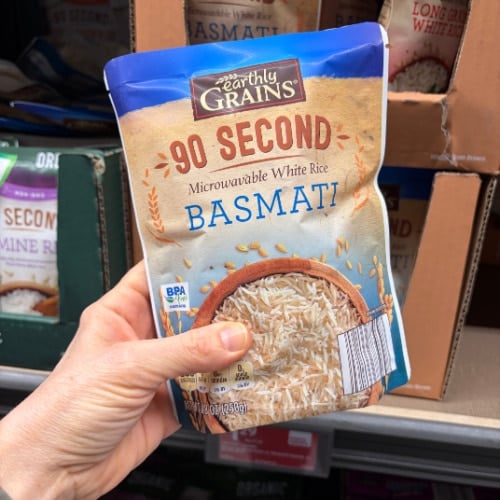
- Grains: Brown and white rice, pasta varieties, rolled oats, and whole-grain bread or tortillas. These supply complex carbohydrates essential for sustained cognitive focus during academic tasks.
- Proteins: Canned tuna, salmon, black beans, chickpeas, and lentils. These budget-friendly protein sources require no cooking and can be rapidly integrated into salads, soups, or grain bowls.
- Long-Lasting Produce: Onions, garlic, and potatoes stored in cool, dark environments provide aromatic flavor bases for numerous recipes.
- Oils, Sauces, and Flavor Enhancers: Olive or canola oil, soy sauce, hot sauce, vinegar, and basic condiments allow students to elevate simple ingredients without purchasing complex recipe components.
- Baking and Sweeteners: Flour, sugar, salt, black pepper, and basic dried herbs and spices (such as garlic powder, cumin, and Italian seasoning) complete the pantry profile.
2. Refrigeration Essentials
Refrigerated items require active management to monitor expiration dates, anchoring daily nutritional intake with fresh, perishable goods.
- Proteins and Dairy: Eggs, milk (dairy or plant-based), block or shredded cheese, and plain Greek yogurt offer versatile protein and calcium sources suitable for breakfast, lunch, or post-study snacks.
- Fresh Produce: Apples, carrots, bell peppers, and citrus fruits offer high durability within standard refrigeration parameters. Note: Public health guidelines and food safety authorities periodically issue advisories regarding pre-washed packaged greens; students should remain informed on current agricultural safety notices regarding produce handling.
- Spreads and Condiments: Hummus, peanut butter or alternative nut spreads, and salad dressings provide rapid calorie and flavor additions to everyday meals.
3. Freezer Assets
The apartment freezer acts as an insurance policy against food waste and busy academic weeks. Maintaining key frozen components ensures that a nutritious meal remains accessible even during high-stress examination periods.

- Frozen Vegetables: Broccoli florets, peas, and mixed stir-fry vegetables retain their nutritional value post-harvest and eliminate the risk of fresh produce spoilage.
- Frozen Fruit: Berries and sliced mangoes offer convenient additions to morning smoothies or oatmeal without degradation over time.
- Convenience Proteins: Edamame, pre-cooked grilled chicken strips, or frozen fish fillets provide rapid protein integration for minimal preparation time.
- Baked Goods: Sliced bread or extra tortillas stored in the freezer extend shelf life indefinitely until toasted for consumption.
Broader Implications and Long-Term Behavioral Impact
The transition to managing an independent kitchen carries implications that extend far beyond immediate undergraduate nutritional needs. Public health researchers note that culinary literacy acquired during early adulthood directly correlates with long-term dietary health and chronic disease prevention later in life.
When students actively engage in grocery budgeting, meal planning, and basic food preparation, they develop competencies that persist into post-collegiate professional environments. Conversely, a reliance on highly processed convenience foods and erratic dietary habits during university years can establish metabolic patterns that increase long-term health risks.
By approaching the college apartment kitchen through an organized, practical lens—balancing essential equipment with versatile pantry and refrigerated inventories—students can successfully navigate dietary independence. This structured framework transforms a potentially stressful domestic obligation into an empowering exercise in self-sufficiency, ensuring that academic success is supported by sound nutritional health.