Bright Tropical Fruit Crepes Offer a Balanced and Kid-Friendly Twist on a French Culinary Classic

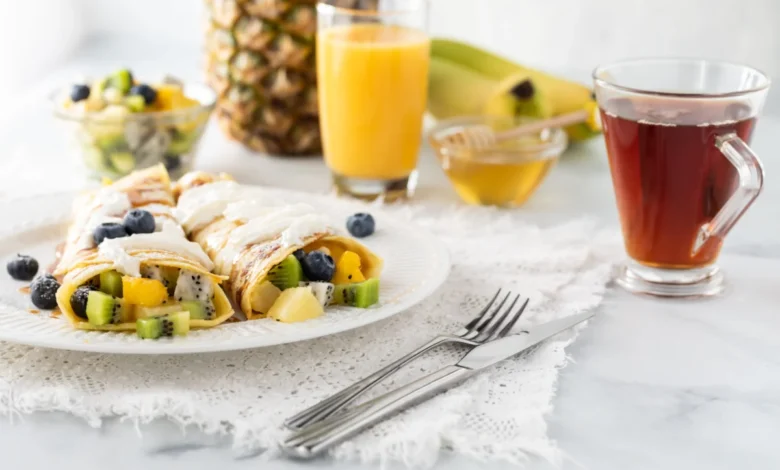
Culinary innovators are redefining modern breakfast menus with the introduction of vibrant, nutrient-dense morning dishes designed to appeal to both health-conscious adults and children. The latest offering, a recipe for tropical fruit crepes, combines the delicate, paper-thin texture of traditional French pancakes with an assortment of high-antioxidant tropical fruits. Developed as an accessible culinary project for weekend brunches, birthdays, and holiday gatherings, the dish bridges the gap between sophisticated European baking and accessible, family-friendly nutrition.
Origins and Evolution of the Crepe
The history of the crepe dates back to the thirteenth century in the Brittany region of northwestern France. Originally born out of necessity from leftover buckwheat flour, water, and salt, these unleavened, thin pancakes were cooked over hot flat stones and served primarily as a staple food source. Over centuries, as culinary arts evolved in French urban centers, fine white wheat flour replaced buckwheat for sweet dessert variations, known as crêpes sucrées, while savory versions, or galettes, retained the heartier grain.
Unlike American-style pancakes, which rely heavily on chemical leavening agents such as baking powder or baking soda to achieve a thick, fluffy consistency, authentic crepes remain flat and flexible. This structural integrity makes them uniquely versatile, capable of being folded, rolled, or layered around a wide spectrum of fillings. While traditional preparations frequently favor simple ingredients like lemon juice, granulated sugar, or hazelnut spreads, contemporary gastronomy increasingly incorporates fresh produce to align with modern dietary guidelines emphasizing reduced processed sugar and increased micronutrient intake.
Nutritional Profile and Culinary Mechanics
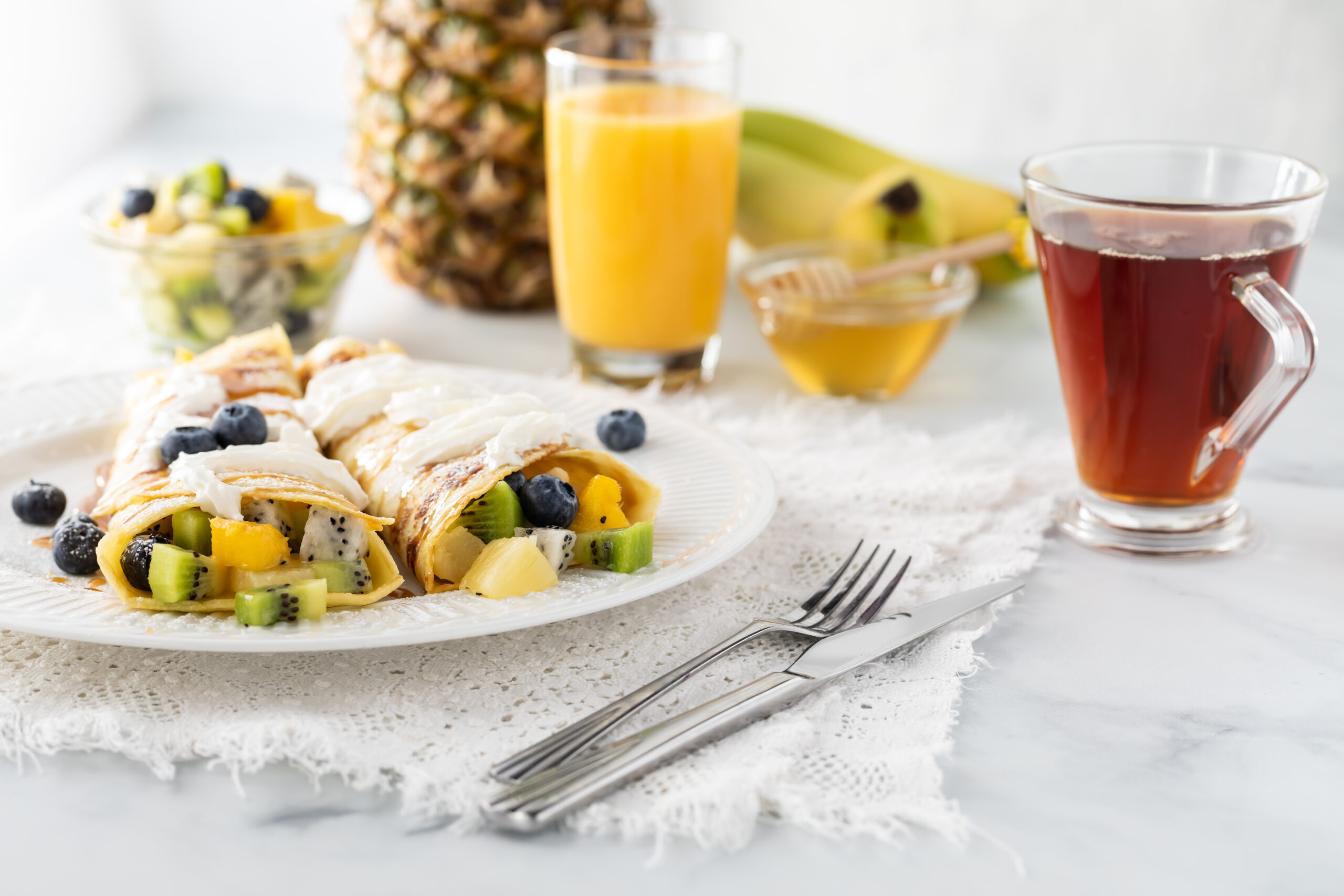
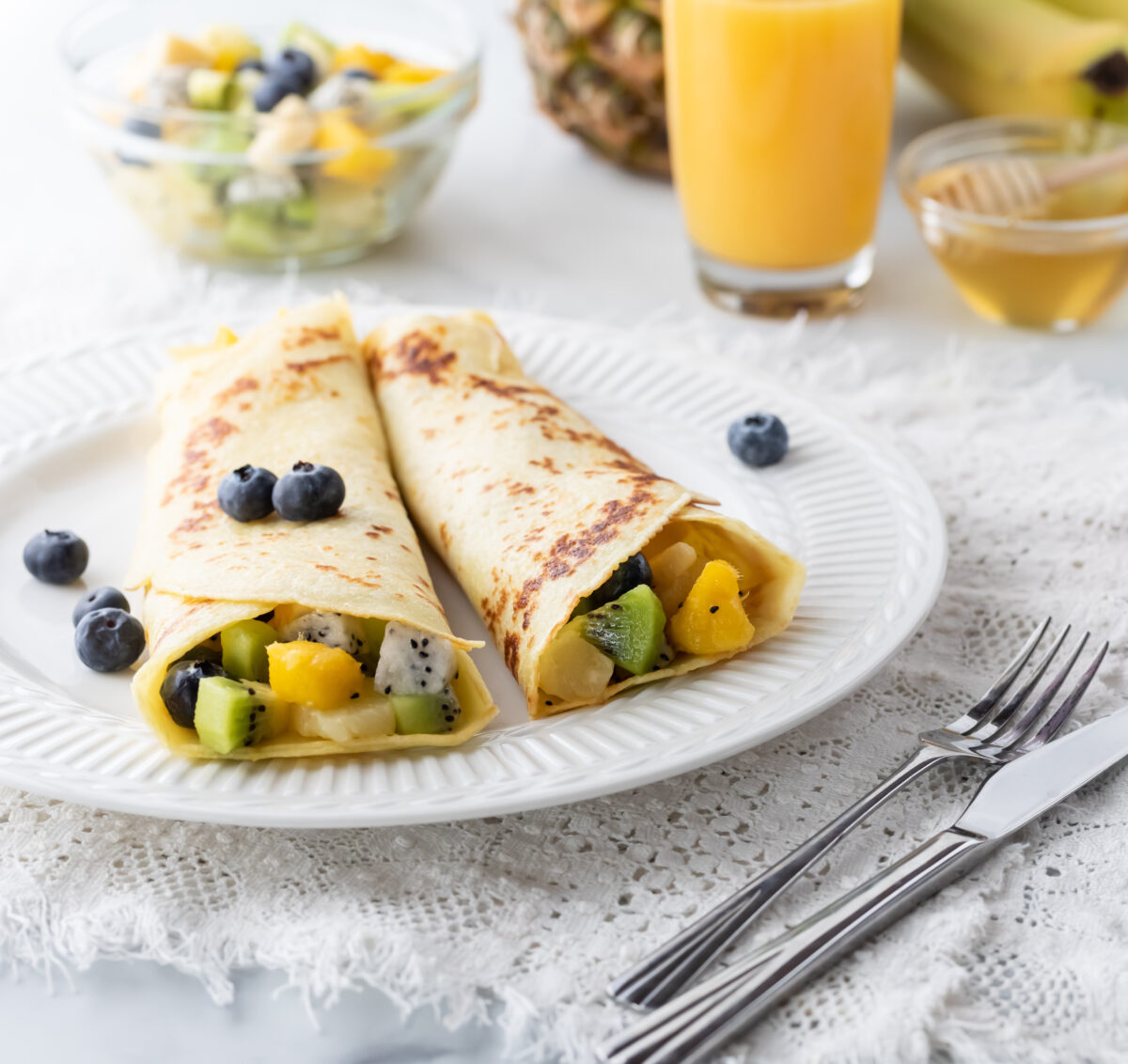
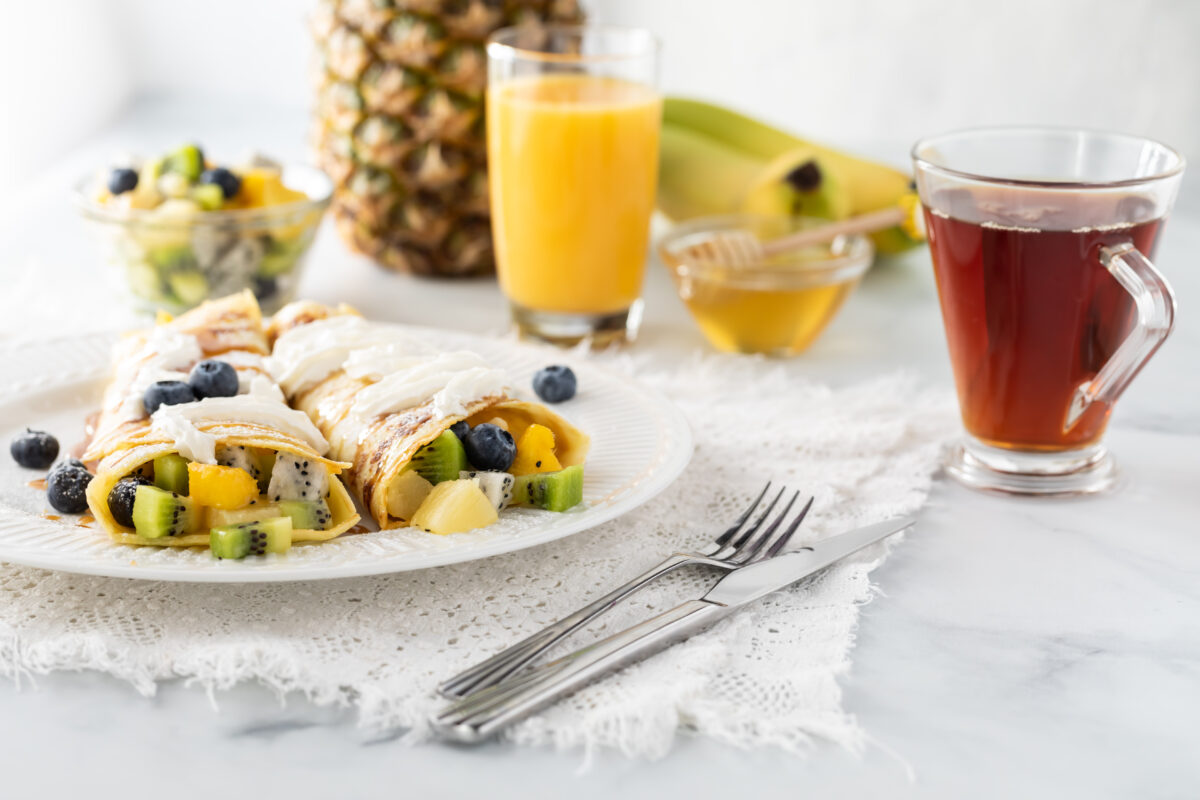
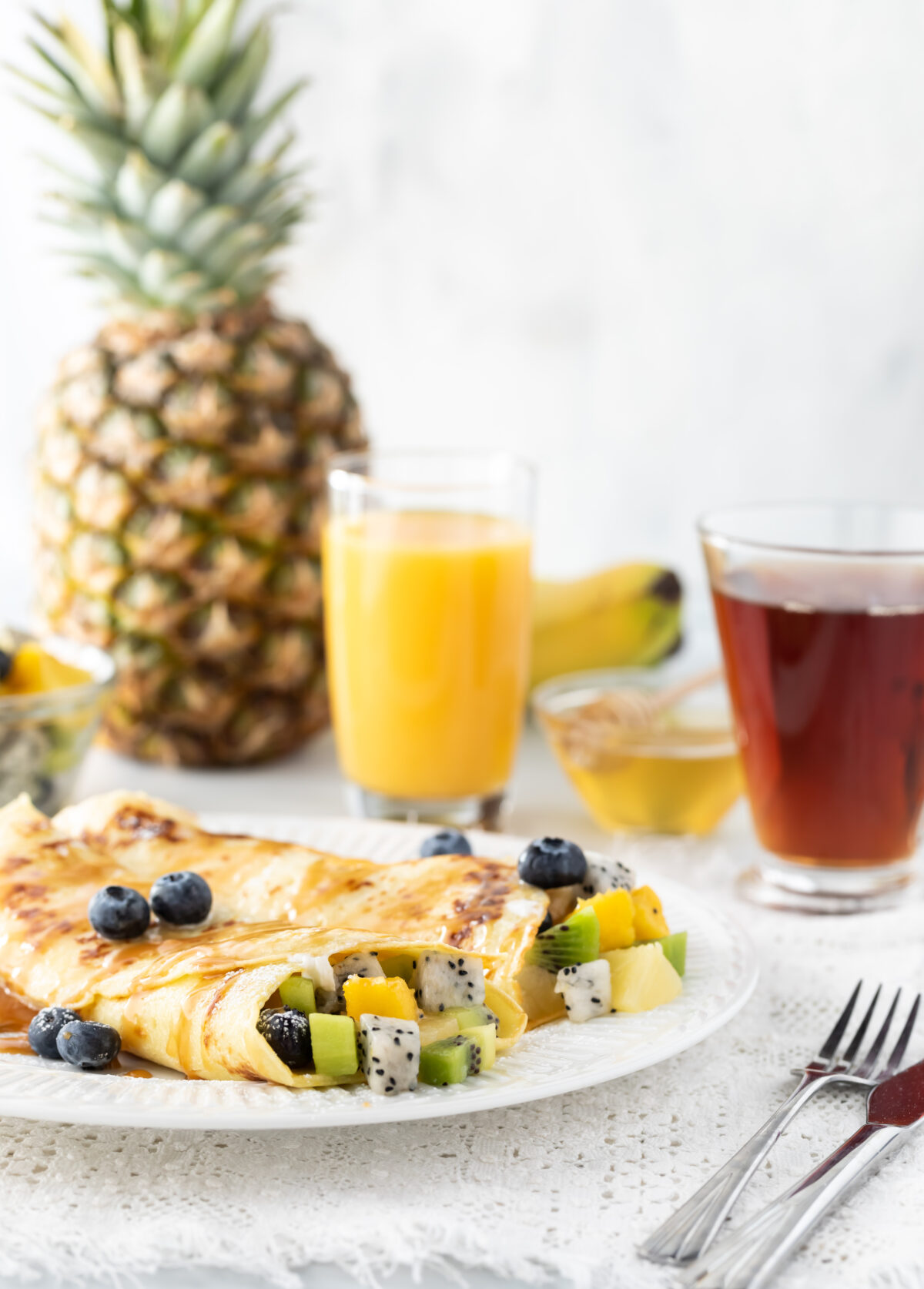
The appeal of the newly popularized tropical fruit crepe lies in its visual presentation and balanced nutritional profile. The filling relies on a vivid palette of natural colors: the deep emerald green of sliced kiwi, the bright golden hues of fresh pineapple, the striking pink or stark white of nutrient-rich dragon fruit, and the deep indigo of blueberries. Nutritionists note that this colorful matrix delivers a diverse spectrum of vitamins, including Vitamin C, potassium, and dietary fiber, mitigating the heavier carbohydrate load of the pastry base.
The preparation method modernizes traditional French culinary technique by utilizing a standard household blender. Culinary experts emphasize that the blender method aerates the liquid ingredients while thoroughly incorporating the flour, preventing the formation of dense pockets or dry lumps. The standard formula typically integrates eggs, milk, a touch of natural sweetener, melted butter, and unbleached all-purpose flour.
A critical step in achieving the ideal texture is the resting phase. Allowing the batter to sit undisturbed for a minimum of fifteen to thirty minutes permits the starch granules within the flour to fully absorb the surrounding liquid. Simultaneously, the aeration bubbles generated during the high-speed blending process dissipate. This chemical relaxation prevents the crepes from developing an overly rubbery texture during cooking, yielding instead a tender, pliable structure that easily cradles chunky fruit pieces.
Professional Techniques for Flawless Execution
Achieving consistency in crepe preparation requires precision in heat management and pan handling. Professional chefs and culinary instructors recommend several standardized practices to optimize results:
- Skillet Selection: Utilizing a heavy-bottomed, high-quality nonstick skillet ensures even heat distribution and minimizes the necessity for excessive butter or oil between batches.
- Viscosity Control: The batter must maintain a consistency significantly thinner than traditional pancake batter, resembling heavy cream. If the resting period causes the starch to thicken the mixture excessively, adding a tablespoon or two of milk restores the necessary fluidity.
- The Swirl Technique: Pouring approximately one-quarter cup of batter into a heated, medium-sized skillet must be immediately followed by a swift circular motion of the pan, spreading the liquid into an ultra-thin, uniform layer before the proteins begin to coagulate.
- Thermal Regulation: Maintaining a moderate heat level prevents the batter from setting prematurely upon contact with the pan, which would otherwise result in an uneven, thick disk. Conversely, insufficient heat causes the eggs and flour to dry out, yielding a rigid or leathery texture.
Variations and Dietary Adaptations
To accommodate shifting dietary preferences and restrictions, the core recipe remains highly adaptable. For individuals seeking higher protein content or reduced dairy consumption, the formulation can be modified without compromising structural integrity.
- Dairy-Free Alternatives: Unsweetened plant-based milks—such as almond, oat, or soy milk—substitute seamlessly for cow’s milk, while coconut oil or plant-based butter replacements substitute for dairy fats.
- Whole-Grain Integration: Replacing up to half of the refined all-purpose flour with white whole-wheat flour introduces complex carbohydrates and dietary fiber while preserving much of the delicate mouthfeel characteristic of the dish.
- Creamy Accompaniments: Before adding the fruit, spreading a thin layer of Greek yogurt, lightly sweetened ricotta, or mascarpone cheese introduces a tart or creamy contrast to the natural sweetness of the fruit. Alternatively, nut butters such as almond or cashew provide plant-based proteins and healthy fats.
Storage, Shelf Life, and Make-Ahead Protocols
For home cooks seeking efficiency during busy mornings, the recipe lends itself well to advance preparation. Plain, unfilled crepes can be prepared in large batches, allowed to cool completely, and stored with sheets of parchment paper placed between each layer to prevent sticking.
Stored in an airtight container or heavy-duty freezer bag, plain crepes remain viable in the refrigerator for up to three days. For longer storage, the stack can be frozen for up to two months. Reheating is achieved rapidly either by warming individual crepes in a warm skillet for a matter of seconds or by gently heating the covered stack in a microwave. Culinary guidelines strictly advise against assembling filled crepes in advance, as the moisture released by fresh fruit over time will compromise the structural integrity of the pastry, resulting in a soggy texture.
Broader Industry Implications and Consumer Trends
The rise of recipes blending classical European techniques with fresh, tropical ingredients reflects broader shifts in consumer food behavior. Market analysts observe a growing demand for "accessible gourmet" cooking—dishes that require basic household appliances, such as a blender, yet offer an elevated presentation suitable for social media sharing and special occasions.
By framing traditional pastry arts through the lens of family nutrition and aesthetic presentation, culinary educators continue to encourage home cooking participation across diverse demographics. As breakfast traditions evolve to prioritize fresh produce and visual appeal, the updated crepe format demonstrates how foundational techniques can successfully adapt to modern dietary priorities without sacrificing heritage or flavor.