
For many parents, the introduction of seafood into an infant’s diet is often met with hesitation. While fish is globally recognized as a cornerstone of a nutrient-dense diet, concerns regarding mercury exposure, potential allergic reactions, and the physical safety of bones often lead caregivers to delay or avoid this vital food group. However, pediatric nutrition experts and international health organizations increasingly suggest that delaying the introduction of seafood may be counterproductive to both nutritional optimization and the development of oral tolerance to allergens.

The Nutritional Rationale for Early Introduction
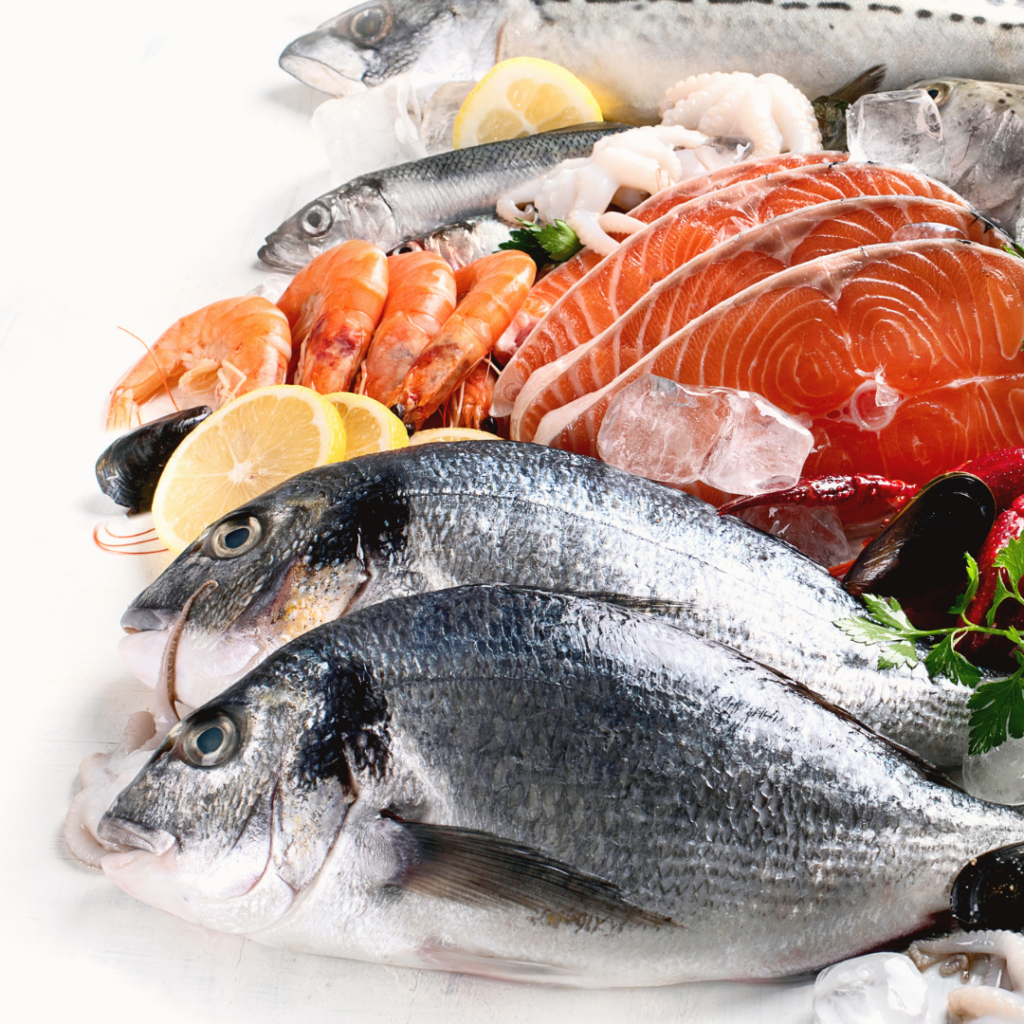
Seafood is a uniquely powerful source of essential nutrients required during the critical window of early brain and physical development. Fish provides a high-quality protein source alongside omega-3 fatty acids, specifically docosahexaenoic acid (DHA), which is essential for cognitive function and visual development. Furthermore, seafood acts as a critical delivery vehicle for iron, vitamin D, iodine, and selenium.

Data from the World Health Organization (WHO) and other pediatric research bodies indicate that infants aged 6 to 24 months require approximately 10 to 12 milligrams of DHA per kilogram of body weight daily. By integrating fish into the diet early—typically around the time solid foods are introduced—parents can ensure their infants receive these bioavailable nutrients during a period of rapid neurological growth. Moreover, recent shifts in allergy research have moved away from the "delayed introduction" model. Current clinical consensus, including findings published in the Journal of Allergy and Clinical Immunology, suggests that introducing common allergens like fish during the early stages of weaning may actually reduce the incidence of food-related sensitivities later in life.
Navigating Allergy Risks and Clinical Protocols
While the immunological benefits of early exposure are well-documented, the risk of allergic reactions remains a legitimate concern for parents. Clinical protocols for introducing fish involve a methodical approach designed to isolate the food item and monitor for adverse physiological responses.

Experts recommend that the initial introduction should occur when the infant is healthy and during the morning hours. This allows caregivers to observe the child throughout the day for signs of an allergic reaction. A common protocol involves offering a small amount of a single, well-cooked fish species on the first day, followed by a larger portion on the second, and a standard serving on the third. Caregivers are advised to maintain a 24-hour buffer between the introduction of any new high-allergen food.

Signs of an allergic reaction to watch for include cutaneous symptoms like hives or facial swelling, respiratory issues such as wheezing or coughing, and gastrointestinal distress. It is also important for parents to be aware of Food Protein-Induced Enterocolitis Syndrome (FPIES), a non-IgE-mediated allergy that can manifest as delayed, repetitive vomiting occurring several hours after consumption. In any case of severe reaction—characterized by difficulty breathing or systemic swelling—immediate medical intervention is required.

The Mercury Debate and Safety Thresholds
The primary barrier to seafood consumption in infants is the presence of methylmercury, a heavy metal that accumulates in aquatic ecosystems. Because infants have a smaller body mass and a rapidly developing nervous system, they are more susceptible to the neurotoxic effects of mercury.

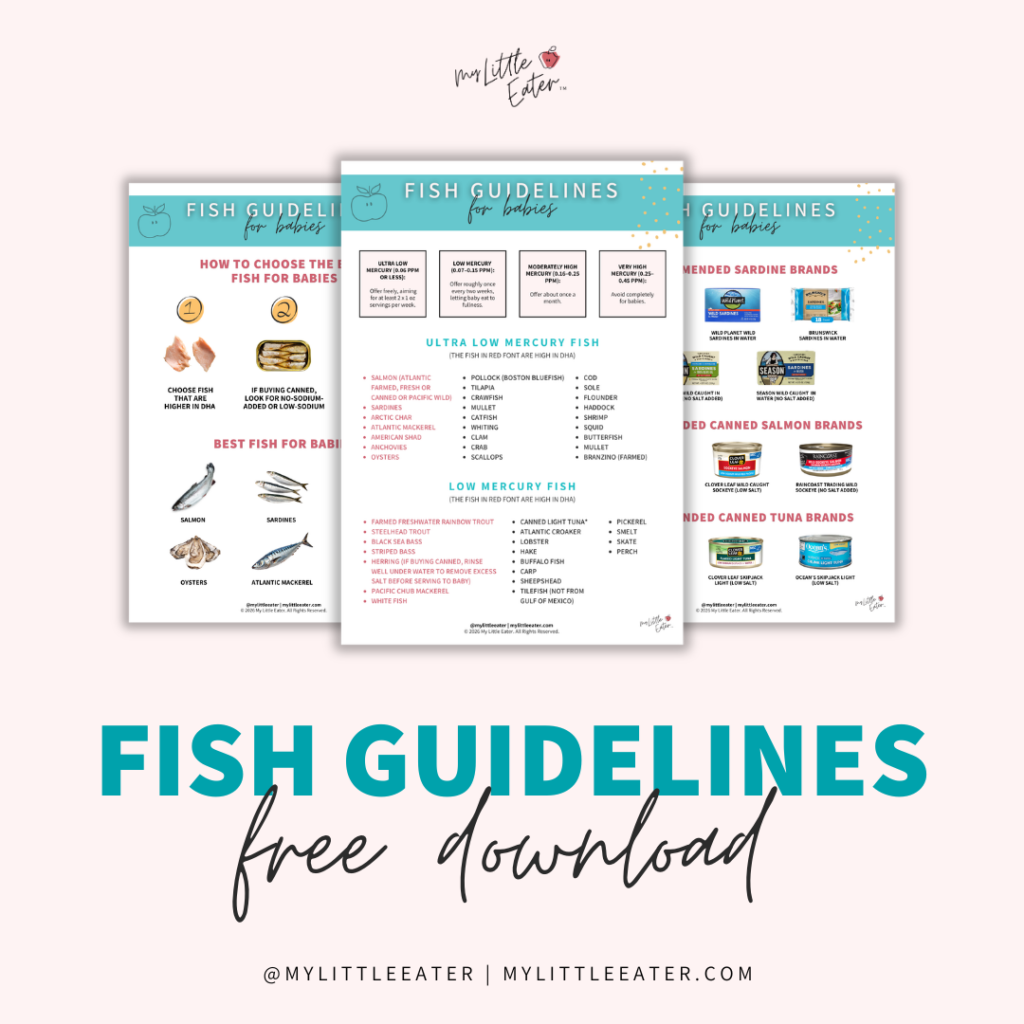
The U.S. Food and Drug Administration (FDA) and the Environmental Protection Agency (EPA) have long established guidelines for fish consumption, but these are primarily calibrated for adult populations. When applied to infants, these guidelines often leave a significant "data gap." Pediatric dietitians have developed a tiered framework to address this, categorizing fish based on mercury content to ensure safety while encouraging consumption.

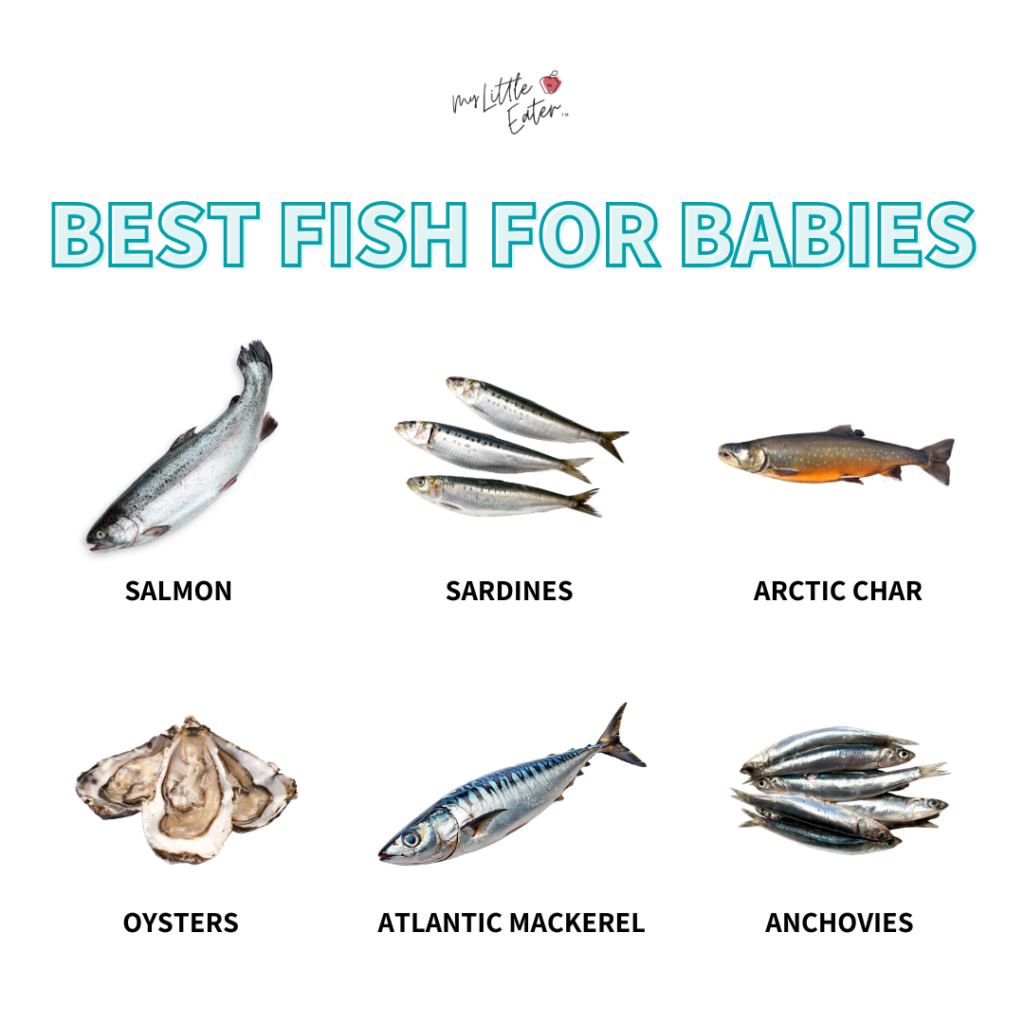
- Ultra-Low Mercury (Offer Freely): This category includes salmon (farmed or wild), sardines, arctic char, mackerel, and various shellfish. These options provide high DHA levels and can be offered regularly without strict portion limitations.
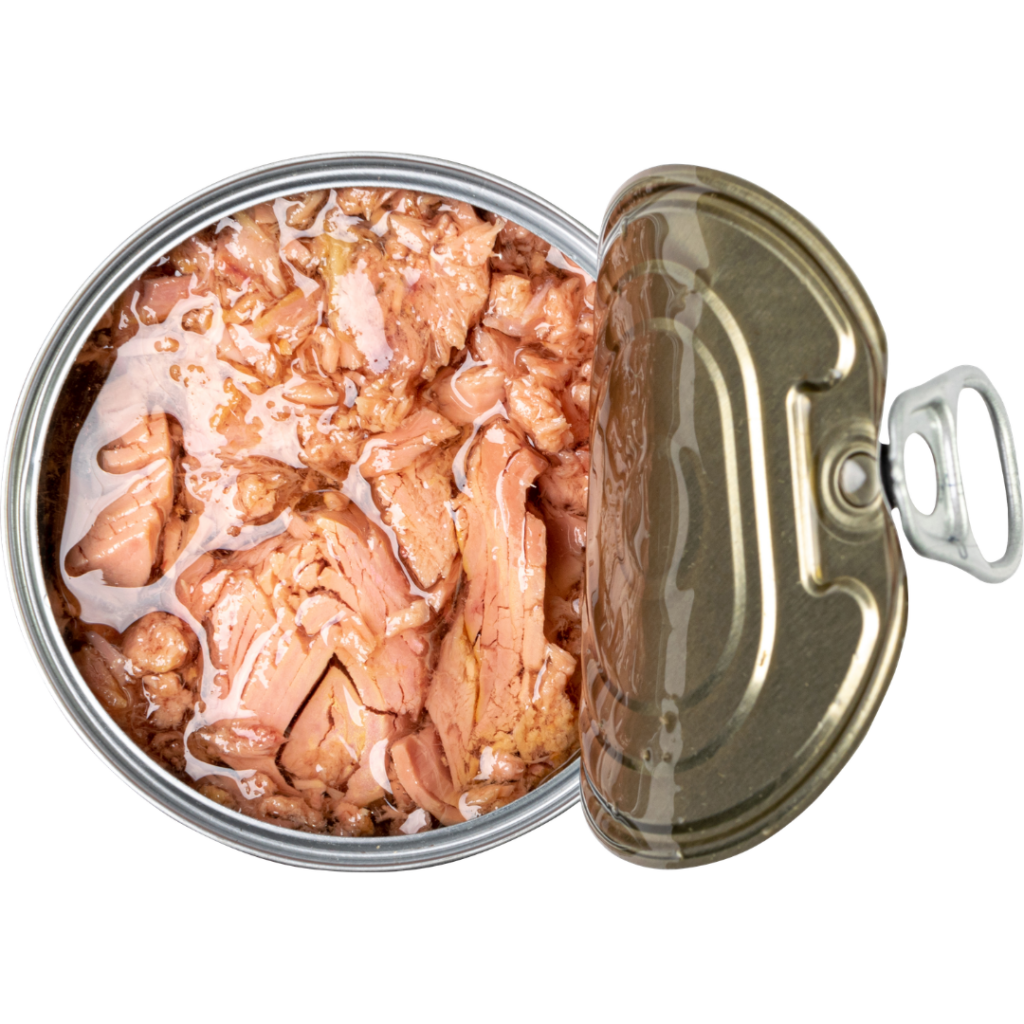
- Low-to-Moderate Mercury (Limit Frequency): Species such as canned light tuna and certain bass varieties fall into this tier. Due to slightly higher mercury levels, consumption should be restricted to once every two weeks.
- High Mercury (Avoid or Strictly Limit): Larger, predatory fish such as swordfish, shark, tilefish, and bigeye tuna accumulate the highest levels of mercury and should be avoided entirely during the first two years of life.
Wild-Caught vs. Farmed: Examining the Environmental and Health Context
The debate between wild-caught and farmed fish centers on two primary issues: nutrient density and environmental contaminants. Wild-caught fish typically consume a more diverse, natural diet, which can lead to lower levels of saturated fats. Conversely, farmed fish are often raised in controlled environments that may result in higher omega-3 concentrations due to fortified feeds, though this varies significantly by operation.
The primary concern regarding farmed fish is the potential for increased exposure to antibiotics and pesticides used to mitigate disease in high-density environments. However, wild-caught fisheries face their own challenges, including overfishing and the risk of habitat degradation. For parents, the best course of action is to research the specific fishery or brand. Resources such as SeaChoice.org provide transparency by grading fish based on sustainability, antibiotic usage, and environmental impact, allowing consumers to make informed purchasing decisions.
Practical Preparation and Safe Feeding Techniques
The physical form of the fish is as important as the species selected. To prevent choking and ensure the infant can manage the texture, caregivers should employ the "squish test." If a piece of cooked fish can be easily mashed between the thumb and forefinger, it is generally safe for consumption.

Preparation methods should prioritize retaining moisture and softness. Steaming, poaching, and baking (when covered to prevent firm edges) are the preferred methods. Before serving, the fish must be meticulously checked for bones. Even products labeled "boneless" can contain small pin bones that pose a choking hazard. The "flake and feel" method—where the fish is flaked with a fork and then inspected by hand—is a recommended 30-second safety ritual before every meal.

Broader Implications for Pediatric Nutrition
The move toward normalizing seafood for infants reflects a broader trend in pediatric nutrition: the transition from restrictive, conservative feeding guidelines to a more proactive, nutrient-focused approach. By demystifying the preparation and selection of fish, public health advocates aim to reduce the prevalence of nutrient deficiencies in early childhood.
However, the lack of standardized, infant-specific global guidelines remains a hurdle. While organizations like Health Canada offer more direct advice for infants than their American counterparts, there is a clear need for unified, evidence-based data that accounts for the modern practice of baby-led weaning, which often results in higher caloric intake from solids at a younger age than traditional spoon-feeding models.

Ultimately, fish represents an essential, if often misunderstood, component of a balanced diet. By adhering to mercury-tier frameworks, prioritizing DHA-rich species, and following rigorous safety protocols regarding preparation and bone removal, parents can safely incorporate seafood into their infant’s diet, providing a foundational advantage for long-term health and development.
Related posts: