Educators Embrace Immersive Bear-Themed Curriculums to Drive Early Childhood Development

Early childhood educators across the country are increasingly turning to multidisciplinary thematic units, specifically centered around bears, to foster holistic learning in preschool classrooms. By leveraging children’s natural curiosity about animals, educators have found that a single, focused theme can successfully integrate science, mathematics, literacy, and sensory exploration into daily curricula. Recent pedagogical evaluations indicate that thematic units promote sustained student engagement, enhance vocabulary acquisition, and accelerate foundational cognitive development during critical formative years.
Background and Pedagogical Context
The integration of animal-based themes in early childhood education aligns with developmental frameworks established by leading early learning organizations, which emphasize experiential and inquiry-based learning. Historically, classroom instruction compartmentalized subjects like math, reading, and science. However, contemporary early childhood methodology favors interdisciplinary approaches. Bears, ranging from familiar teddy bears to massive polar and grizzly bears inhabiting diverse global ecosystems, provide a versatile vehicle for cross-curricular instruction.

Educational experts note that children possess an innate fascination with wildlife, making animals an effective conduit for teaching complex scientific concepts such as adaptation, seasonal changes, and biological diversity. By anchoring lessons in a recognizable subject, teachers can seamlessly transition from circle-time discussions to hands-on learning centers, ensuring that children absorb core academic concepts through play-based methodologies.
Taxonomy and Comparative Anatomy: Exploring the Diversity of Bear Species

The implementation of a bear curriculum typically begins with species identification and comparative anatomy. Educators introduce students to the eight distinct bear species found worldwide, including the American black bear, brown bear, polar bear, giant panda, sun bear, sloth bear, spectacled bear, and Asiatic black bear.
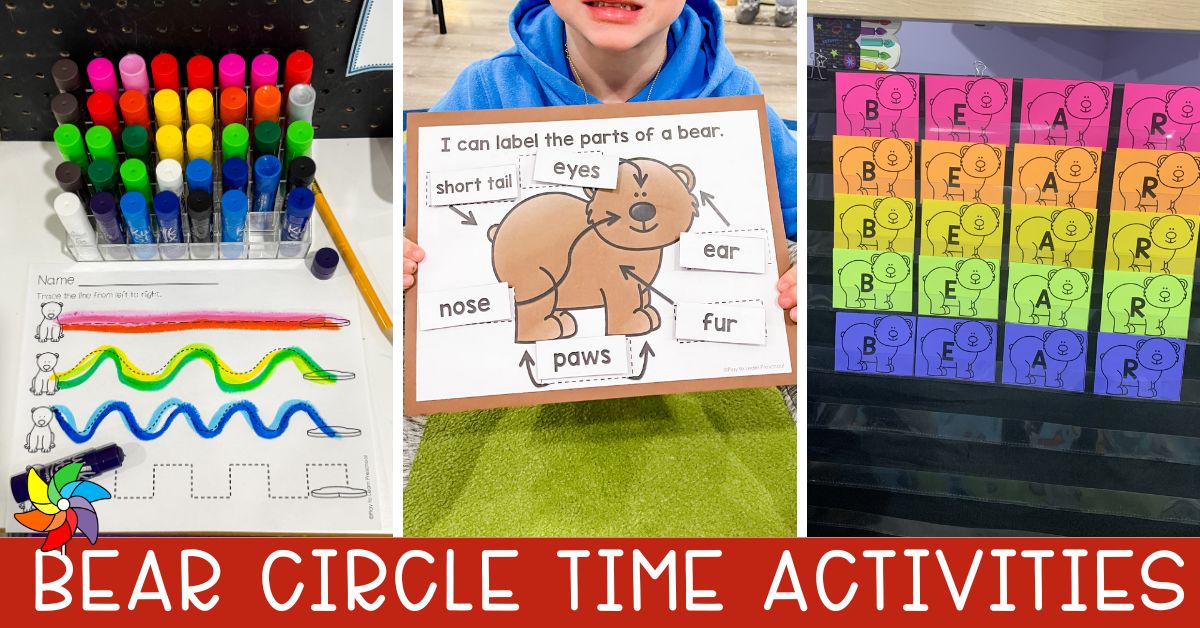
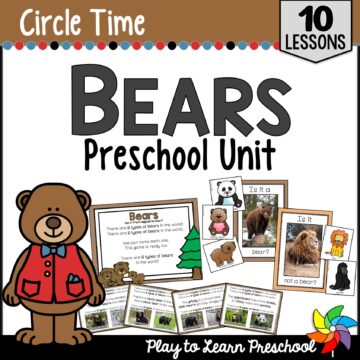
To build foundational scientific literacy, classrooms utilize sorting exercises that challenge children to distinguish true bears from similar-looking animals. Through guided discussions, students identify common anatomical traits such as rounded ears, short tails, strong paws, thick fur, and non-retractable claws. Labeled diagrams are frequently introduced to expand scientific vocabulary and establish an elementary understanding of animal biology. According to developmental specialists, these comparative exercises encourage critical thinking, as children analyze physical characteristics and habitat requirements across different species.

Technological Integration: Virtual Wildlife Observation in the Classroom
Because direct physical observation of wild bears is impractical and unsafe for preschool environments, modern classrooms increasingly rely on live streaming technology to bridge the gap between students and wildlife habitats. Schools across the nation have integrated live webcams into their daily routines, allowing children to observe animals in real-time.

Prominent digital observation tools utilized in early childhood centers include the Smithsonian National Zoo Giant Panda Cam, the Wolong Zoo panda habitats in China, the North American Bear Center black bear webcams, Katmai National Park brown bear salmon-fishing feeds, and the San Diego Zoo polar bear exhibits.
To transform passive viewing into active learning, educators establish dedicated observation stations equipped with clipboards, pencils, and structured recording charts. Students document observed behaviors—such as playing, eating, fishing, climbing, or sleeping—and older preschoolers frequently tally data to determine common behavioral patterns. This digital integration introduces young learners to fundamental data collection and scientific inquiry methods.

Hibernation Science and Seasonal Adaptation
A core component of the bear science curriculum involves the study of hibernation. Educators utilize interactive science stations to introduce complex ecological concepts, such as how endothermic animals adapt to changing environmental conditions and seasonal food scarcity.

During hibernation-focused modules, children explore specialized vocabulary terms including "hibernate," "habitat," and "adaptation." Hands-on sensory stations often replicate forest environments using shredded paper, pinecones, rocks, and artificial caves. Students engage in fine-motor activities by burying and uncovering plastic bear models, measuring simulated food supplies, and matching numbered logs to specific quantities. These experiential exercises reinforce mathematical concepts while deepening ecological awareness.
Mathematics and Sensory Learning Through Manipulatives

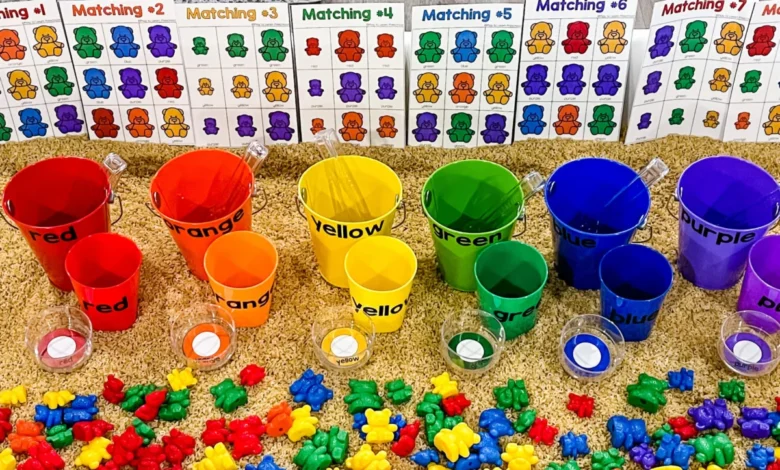
Mathematics instruction within bear-themed units relies heavily on concrete manipulatives, specifically plastic bear counters and translucent pieces utilized on light tables. These tools facilitate foundational mathematical milestones, including one-to-one correspondence, color and size sorting, pattern creation, and basic addition.
Children learn to compare numerical groups using comparative terminology such as "more," "fewer," and "equal," placing counters into designated containers that represent dens or caves. Sensory tables further augment mathematical and tactile learning. By incorporating diverse textures and numerical markers, educators provide an environment where children can simultaneously develop fine-motor control, spatial awareness, and early arithmetic skills.

Literacy Development and Storytelling
Language arts integration forms a critical pillar of the curriculum, utilizing both classic literature and contemporary children’s books. Traditional titles such as Goldilocks and the Three Bears are frequently paired with modern works like Karma Wilson and Jean Chapman’s Bear Snores On.
To enhance reading comprehension and narrative sequencing, classrooms deploy interactive felt boards and character props. Students actively retell stories, reinforcing narrative structure, character identification, and listening comprehension. The incorporation of cozy reading corners stocked with soft plush toys encourages independent reading behaviors, allowing children to practice emergent literacy skills in a low-pressure, inviting environment.
Community Engagement and Programmatic Culmination: The Teddy Bear Picnic

Curriculums typically conclude with a community-building event, most notably the traditional teddy bear picnic. This event encourages family engagement by inviting students to bring a personal stuffed bear from home to school.
During the event, children participate in oral presentation exercises, introducing their bears to peers and describing their unique characteristics. Group sorting activities follow, categorizing the stuffed animals by attributes such as size, coloration, and accessories. The unit culminates in a shared picnic alongside a specialized snack, such as bear-themed toast preparations. Educational administrators note that these culminating events reinforce social-emotional development, public speaking confidence, and cooperative play.

Broader Impact and Implications for Early Childhood Education
The widespread adoption of structured thematic units like the bear-focused curriculum highlights a broader shift toward comprehensive, experiential learning models in early education. By synthesizing multiple academic disciplines into a cohesive framework, educators maximize instructional time and cater to diverse learning styles.

Analyses of early learning outcomes suggest that theme-based instruction significantly improves long-term retention of core concepts. As educational institutions continue to refine pedagogical standards, the integration of multidisciplinary, inquiry-based units remains a cornerstone of effective early childhood instruction, ensuring that young learners develop both cognitive competence and a lifelong enthusiasm for education.
Related posts: