Understanding and Mitigating Choking Hazards for Babies and Toddlers Under Four Years Old

The prospect of a child choking on food is a deeply unsettling fear for any parent. The helplessness and terror that accompany witnessing a child struggle for breath are experiences no one wishes to endure. This concern is particularly acute for parents embarking on the journey of introducing solid foods, whether through traditional purees or the increasingly popular baby-led weaning (BLW) approach. The worry often extends well into toddlerhood, prompting questions about when it’s safe to relax precautions around certain foods. This comprehensive guide delves into the specifics of common choking hazards, safe preparation methods, and foods that require complete avoidance until the age of four, drawing on expert insights from safety specialists.
The Critical Importance of Early Preparedness
Before a baby takes their first bite of solid food, experts universally recommend enrolling in an infant CPR and first aid course. This proactive measure is crucial, regardless of the feeding method chosen. Recognizing the potential for choking, and understanding how to respond effectively, can be life-saving. Recognizing this critical need, resources like the "Baby Beginnings Bundle," which combines an infant CPR and injury prevention course with a baby-led feeding program, aim to equip parents with both the knowledge to serve foods safely and the skills to act decisively in an emergency.
Baby-Led Weaning and Choking Risks: Debunking Myths
A common misconception is that starting solids with finger foods inherently increases a baby’s risk of choking. However, research and expert consensus indicate that choking hazards are universal, irrespective of the feeding method. Studies have shown that when parents are adequately educated on safe food preparation for finger foods, the risk of choking in BLW infants is not significantly higher than in those fed purees. In fact, babies, toddlers, and even adults can choke on any food at any time. The key lies in understanding how to create a safe feeding environment and prepare foods appropriately.

It’s important to note that choking on food accounts for a relatively small percentage of accidental deaths among children under five, approximately 0.8% annually. While this statistic highlights that choking is not a leading cause of death, it does not diminish the severity of the risk or the importance of preventative measures.
The Paradox of Larger Food Pieces
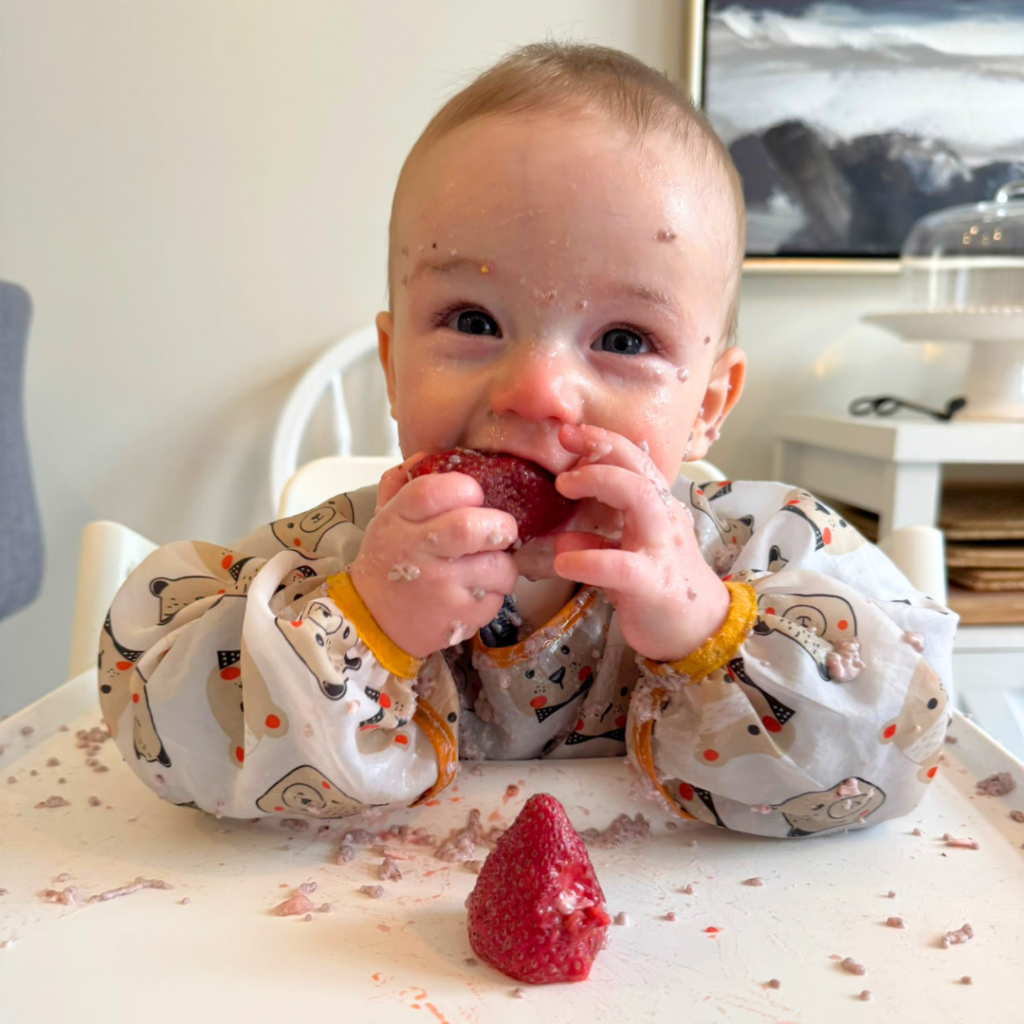
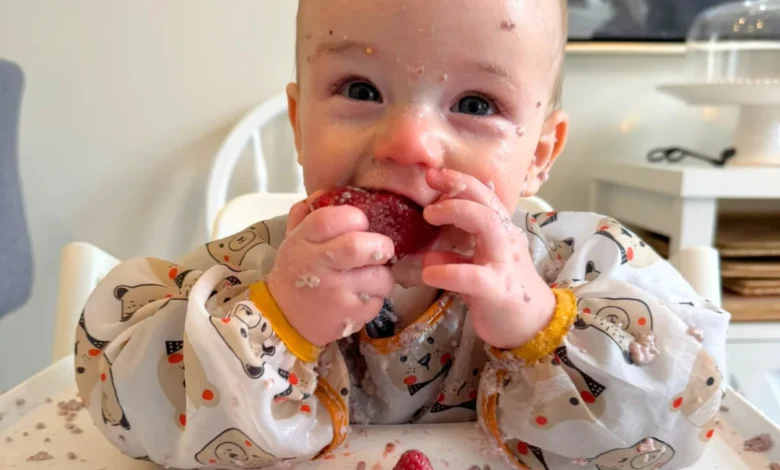
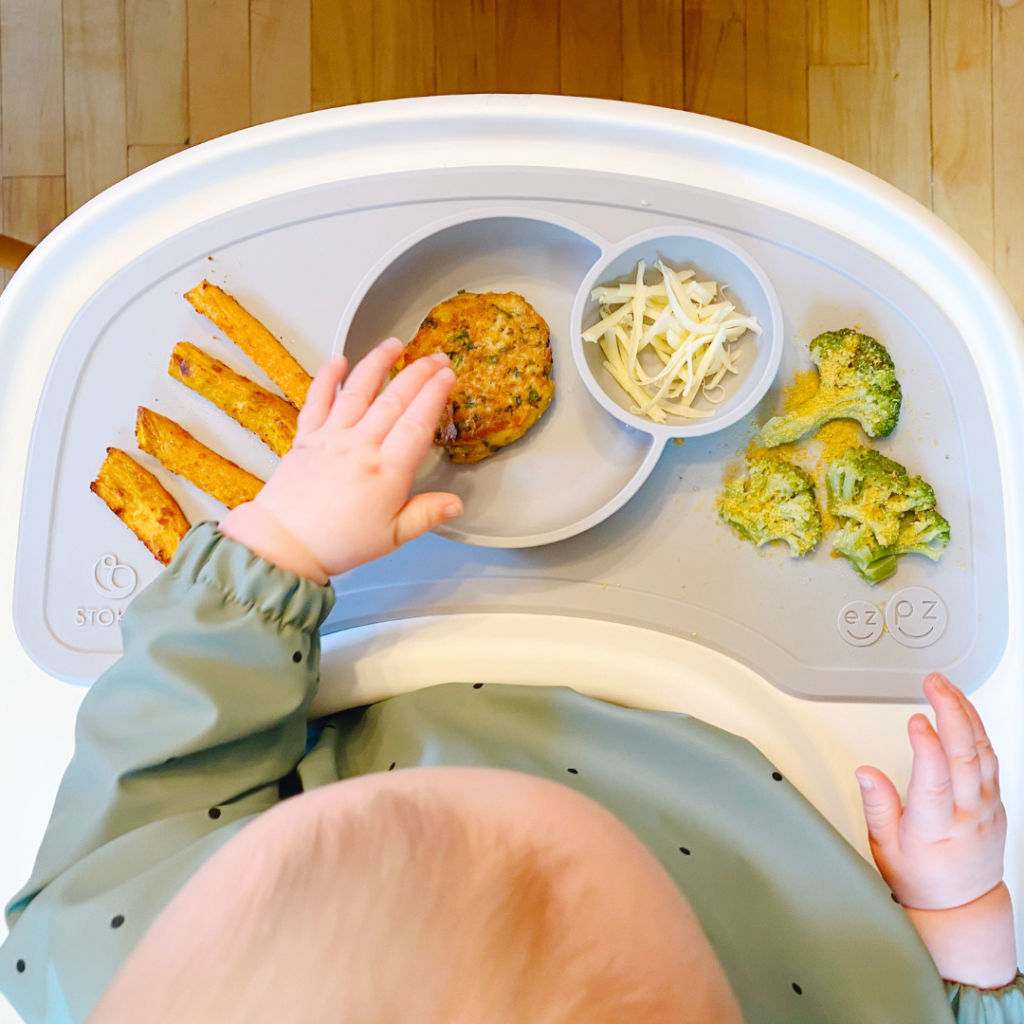
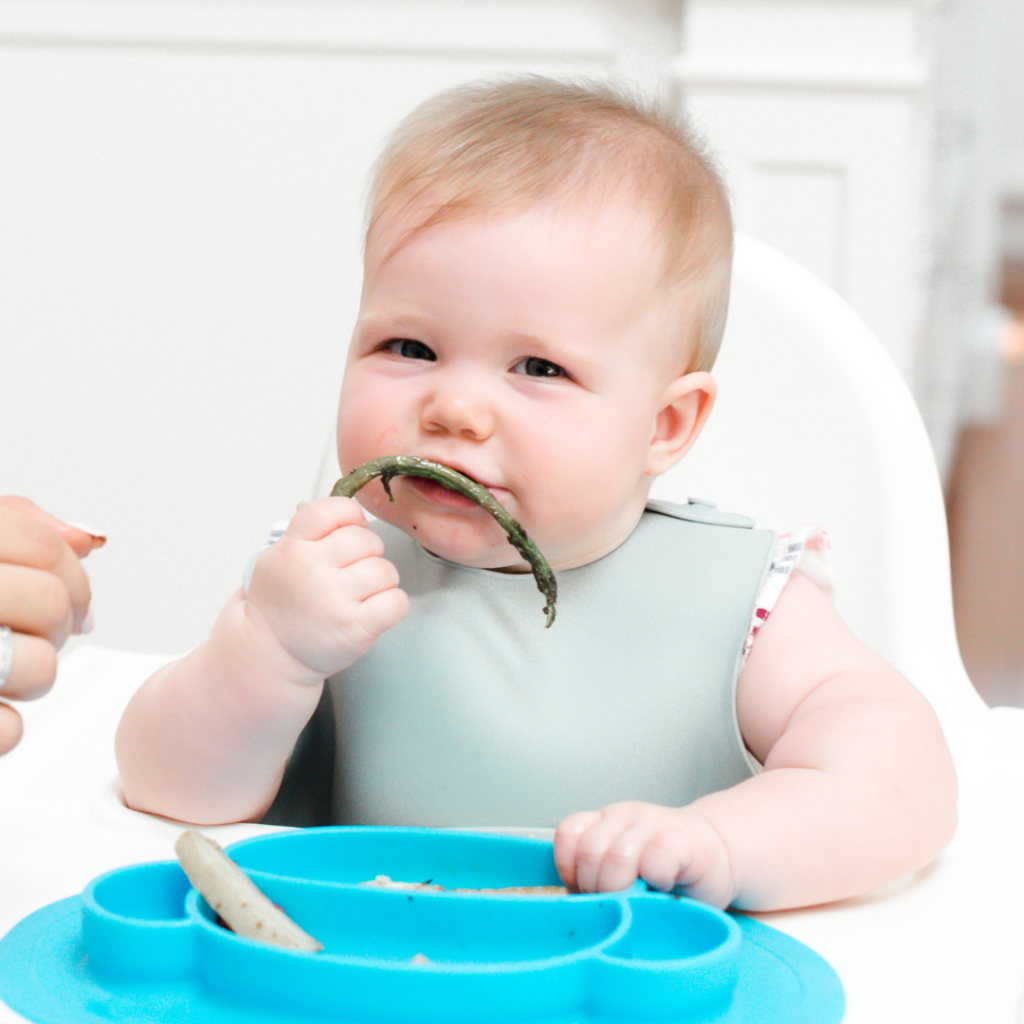
Contrary to intuition, larger pieces of soft food, when prepared correctly, can often be safer for babies than small, bite-sized pieces. Many BLW experts advocate for offering large, finger-shaped pieces of soft food that can be easily squished between the fingers. Parents often feel uneasy about these larger portions, preferring smaller pieces. However, small foods are easier to lose track of in a baby’s mouth, increasing the risk of being swallowed whole without proper mastication. Conversely, larger pieces are more likely to trigger the baby’s natural gag reflex, a crucial safety mechanism that helps push food forward and away from the airway. It is also easier for a baby to expel larger pieces if needed.
Understanding Choking on Pureed Foods
The notion that babies can choke on purees might seem counterintuitive, yet it is a valid concern. Purees can become lodged in the larynx, obstructing airflow to the lungs. This risk is amplified when babies are fed in reclined positions, as they may lack the core strength to maintain an upright posture.
When food, including purees, reaches the back of the throat and touches the larynx, it triggers protective reflexes like coughing, gagging, and sometimes vomiting. These reflexes are most effective when a baby is in an upright position. A coordinated swallow pattern, involving mature tongue movements, is essential for babies to manage purees. Immature swallowing patterns or a baby being too tired to actively participate in feeding can lead to the epiglottis not reacting in time to block the airway. Even thin purees can feel unfamiliar and require specific tongue movements beyond the simple suckle action used for bottles or breastfeeding.
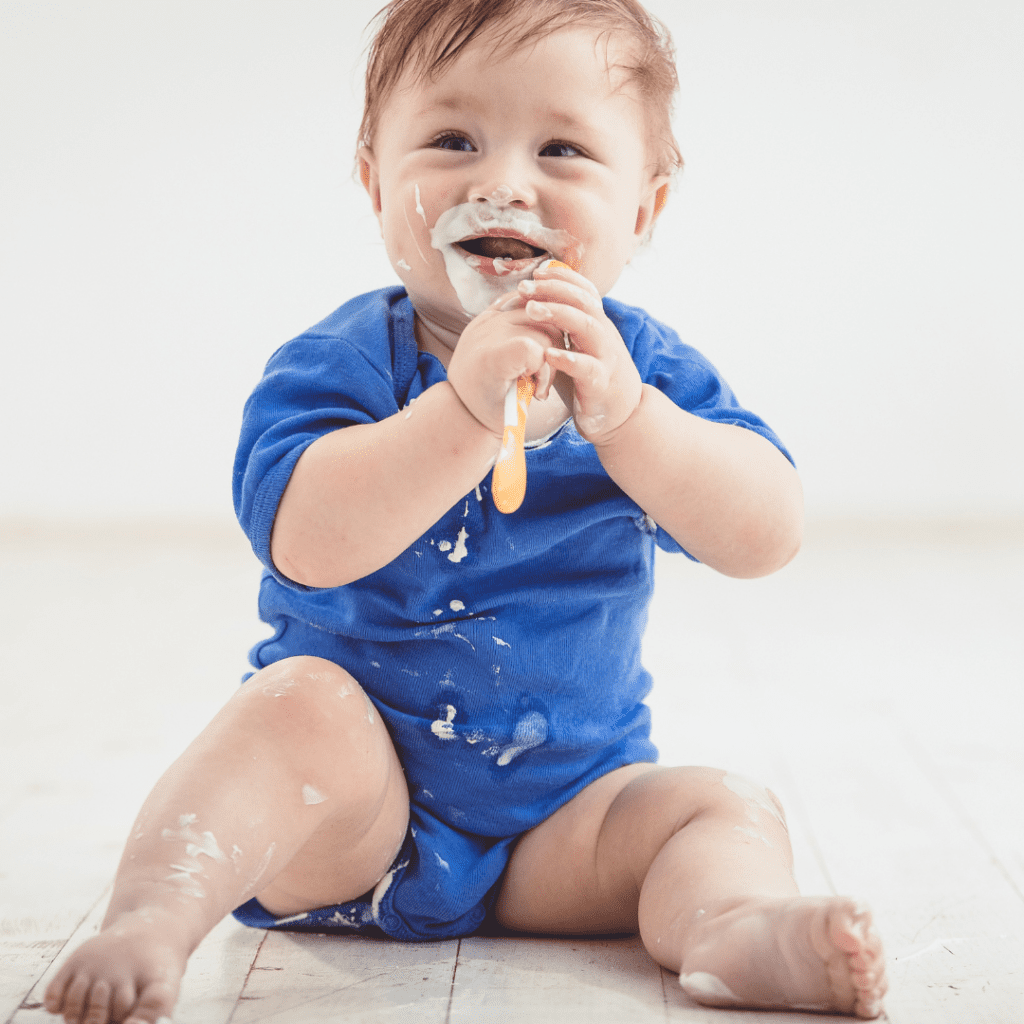
While the risk of choking on purees is generally minimal, it is not nonexistent. Therefore, ensuring babies are fed in an upright position, are developmentally ready for solids, and are not fed in positions that compromise their airway (like bouncers or inclined high chairs) remains paramount.
Identifying High-Risk Foods and Textures
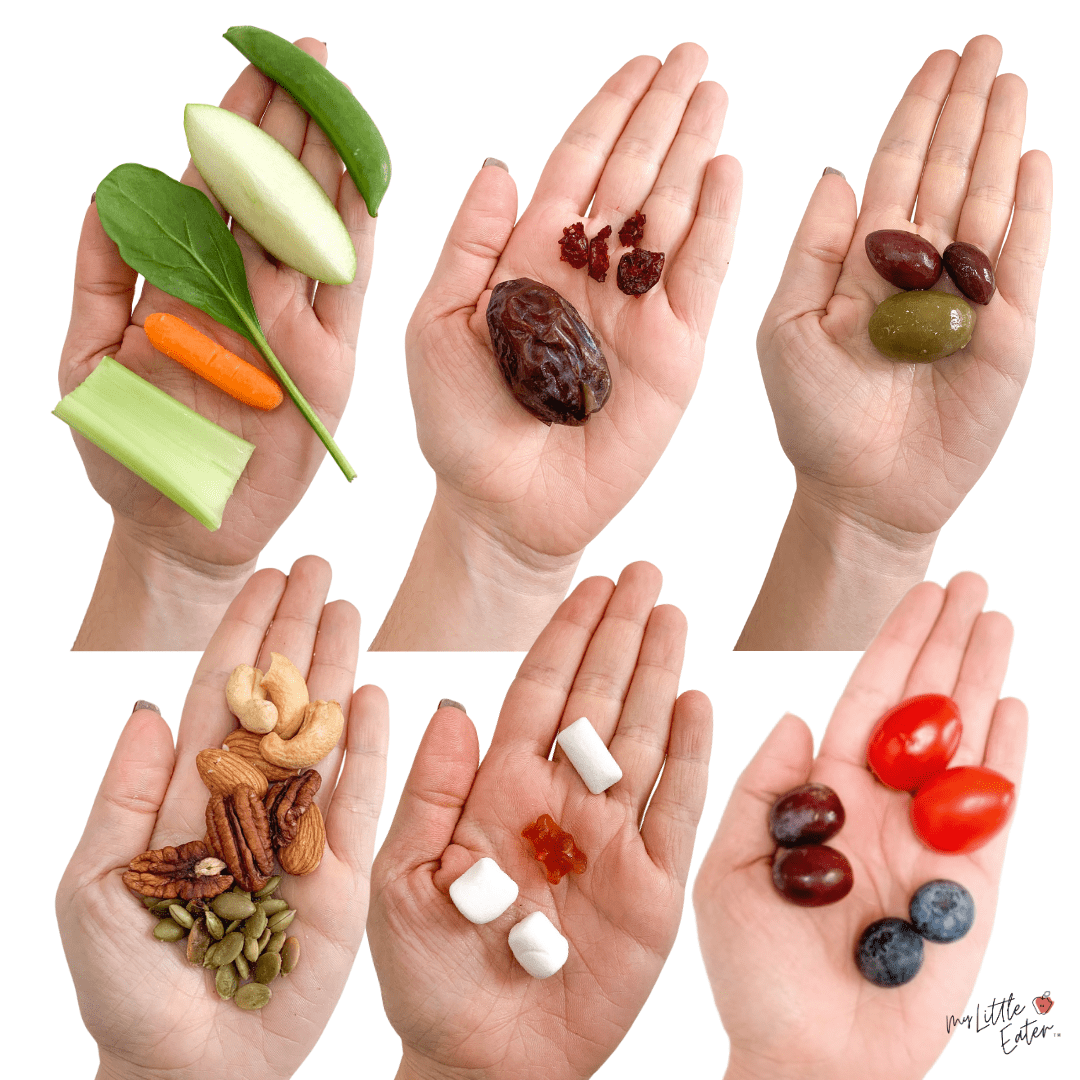
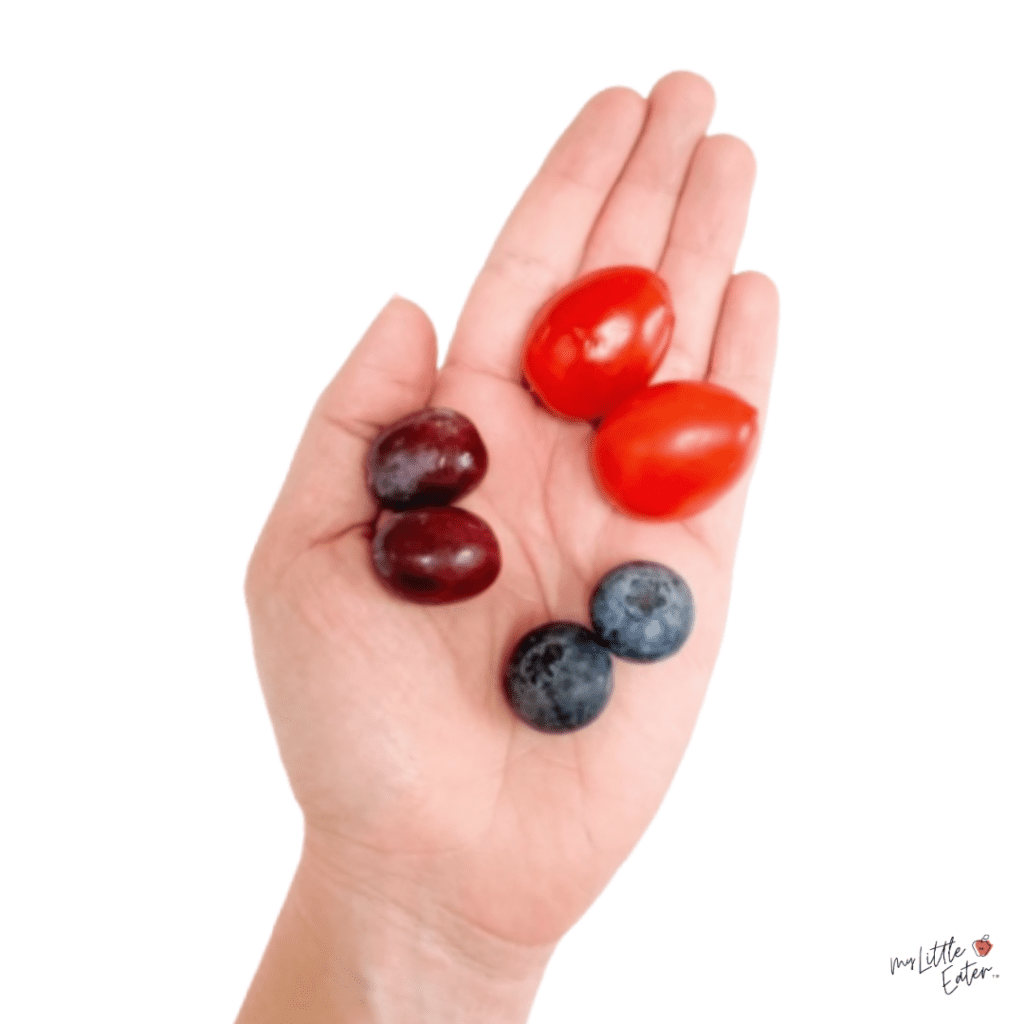
The primary factor in determining a choking hazard is whether a food’s texture can easily become lodged in a baby or toddler’s airway if swallowed whole or if parts break off. Foods that are small, firm, round, slippery, and difficult to chew pose the greatest risk. A baby’s airway is roughly the width of a nickel or a drinking straw, making foods of a similar shape particularly dangerous if swallowed whole.
Choking hazards can be broadly categorized:
-
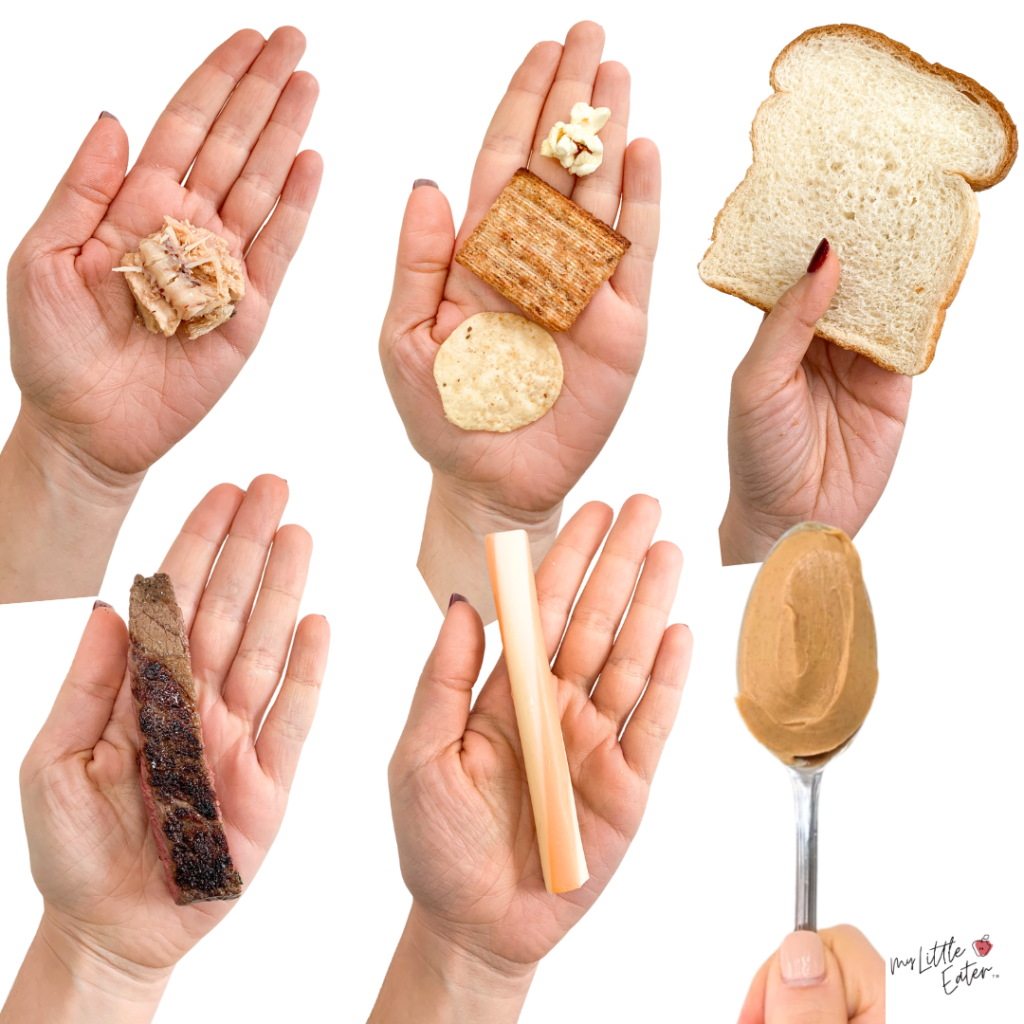
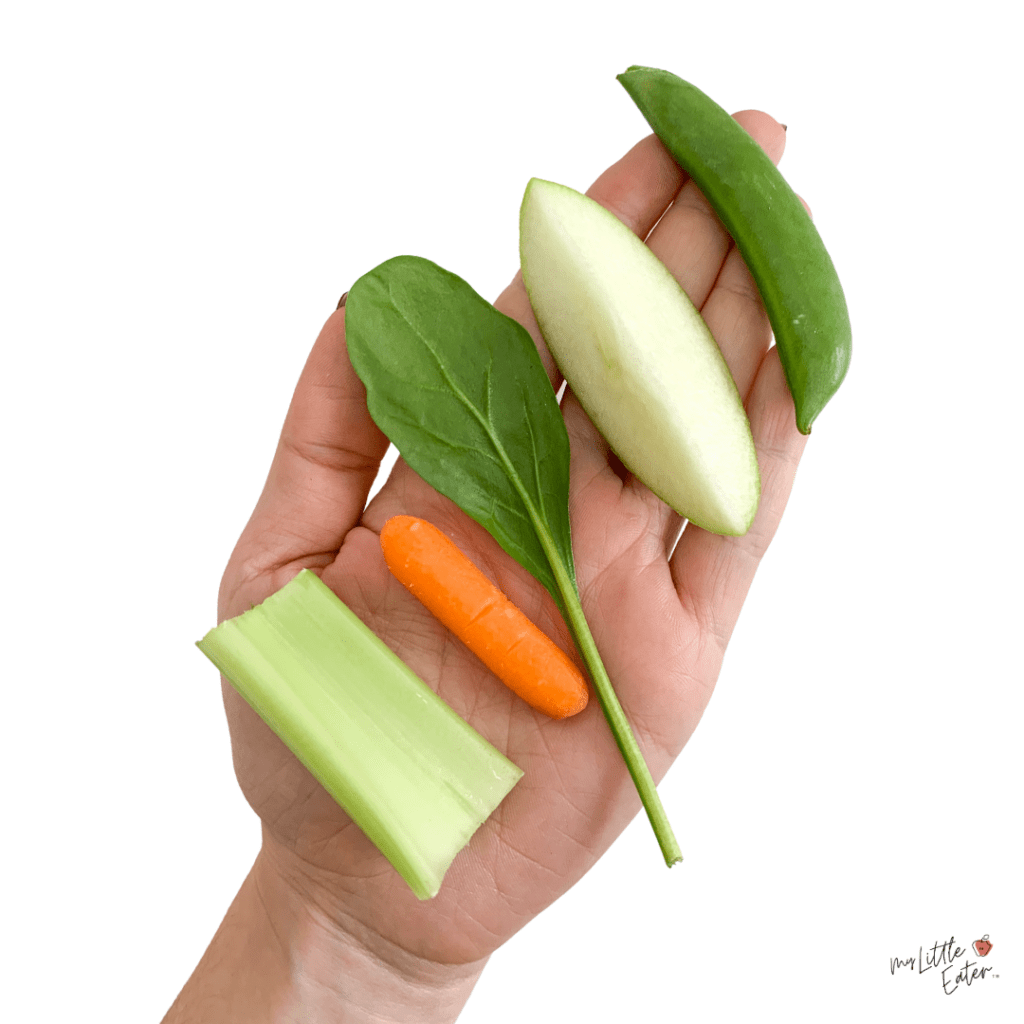
Type 1: Solid Foods That Aren’t Easily Squishable or Dissolve Easily with Saliva: This category includes a wide range of foods, some of which can be modified for safety, while others must be avoided. Examples include raw, hard fruits and vegetables like apples, carrots, and broccoli, as well as small bones in meat or fish.
-
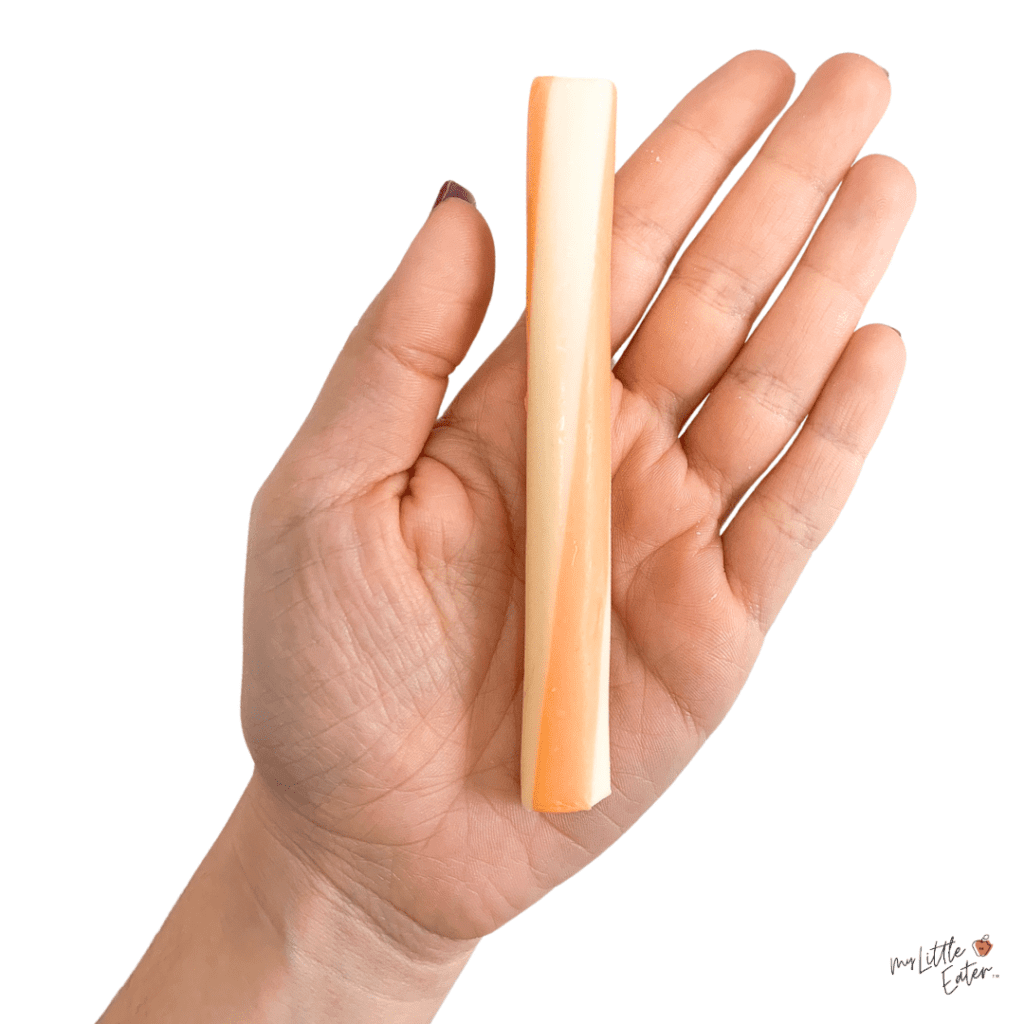
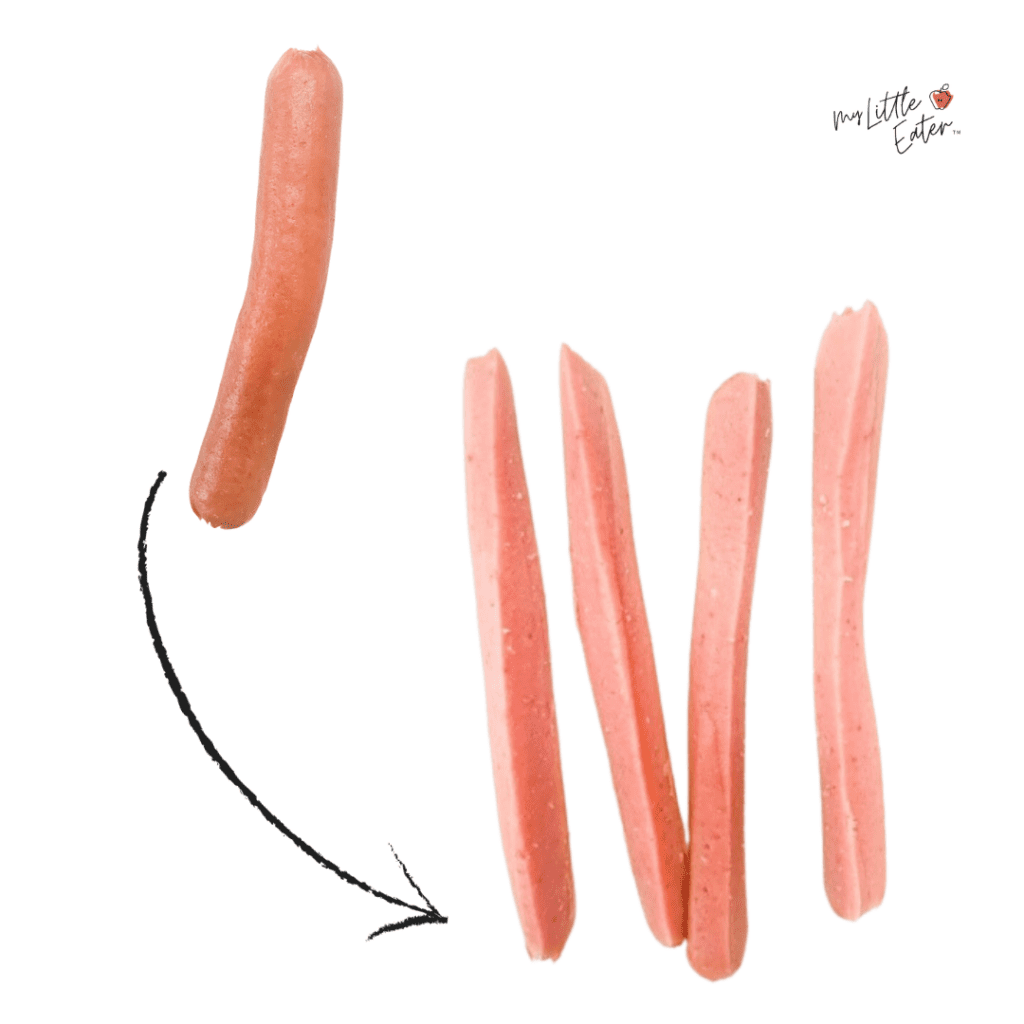
Type 2: Foods That Are Stick-Shaped: Even if a food is manageable when chewed, serving it in a stick shape can be hazardous. If swallowed before being thoroughly chewed, these pieces can completely block the airway. Examples include hot dogs and string cheese.
-
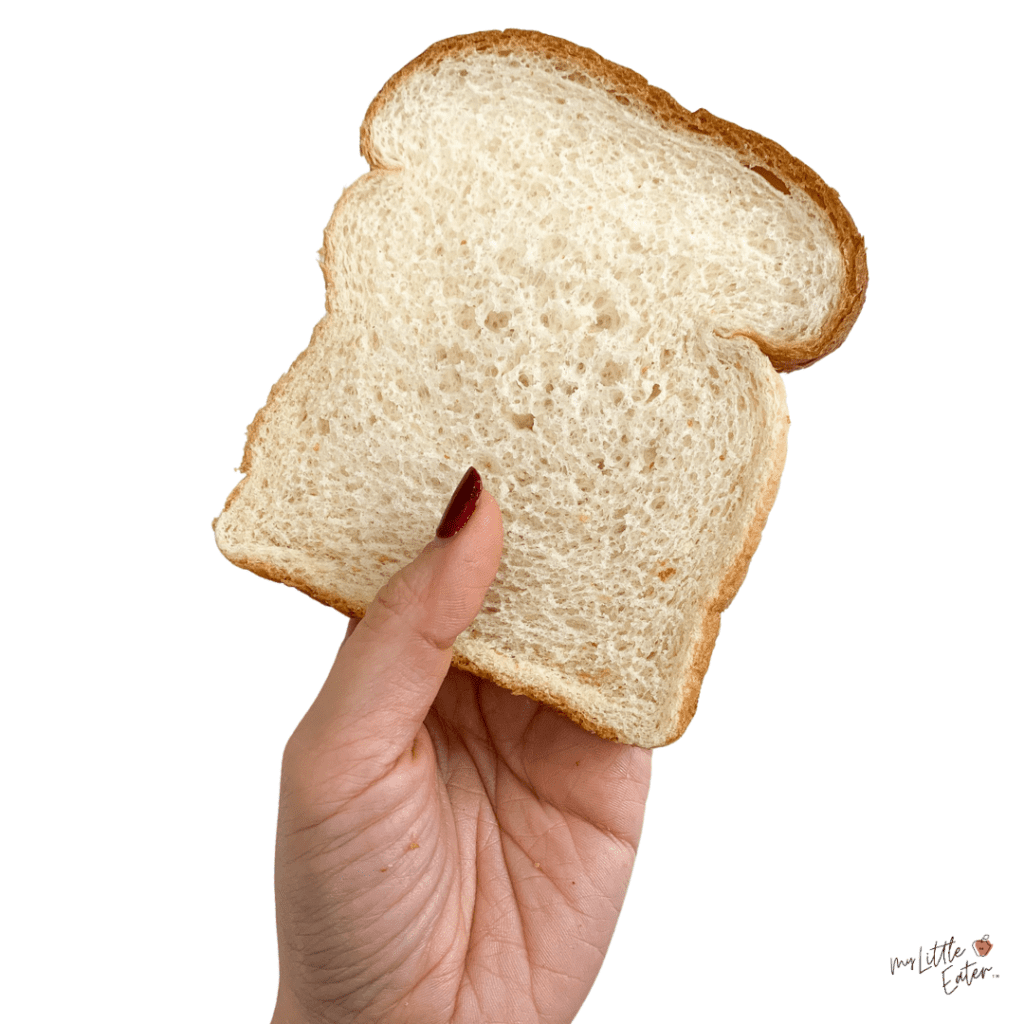
Type 3: Foods That Are Gummy, Chewy, or Sticky: These foods can clump together in the mouth, making them difficult to manage, especially in larger quantities. Examples include gum, large pieces of untoasted bread, and some dried fruits.
-
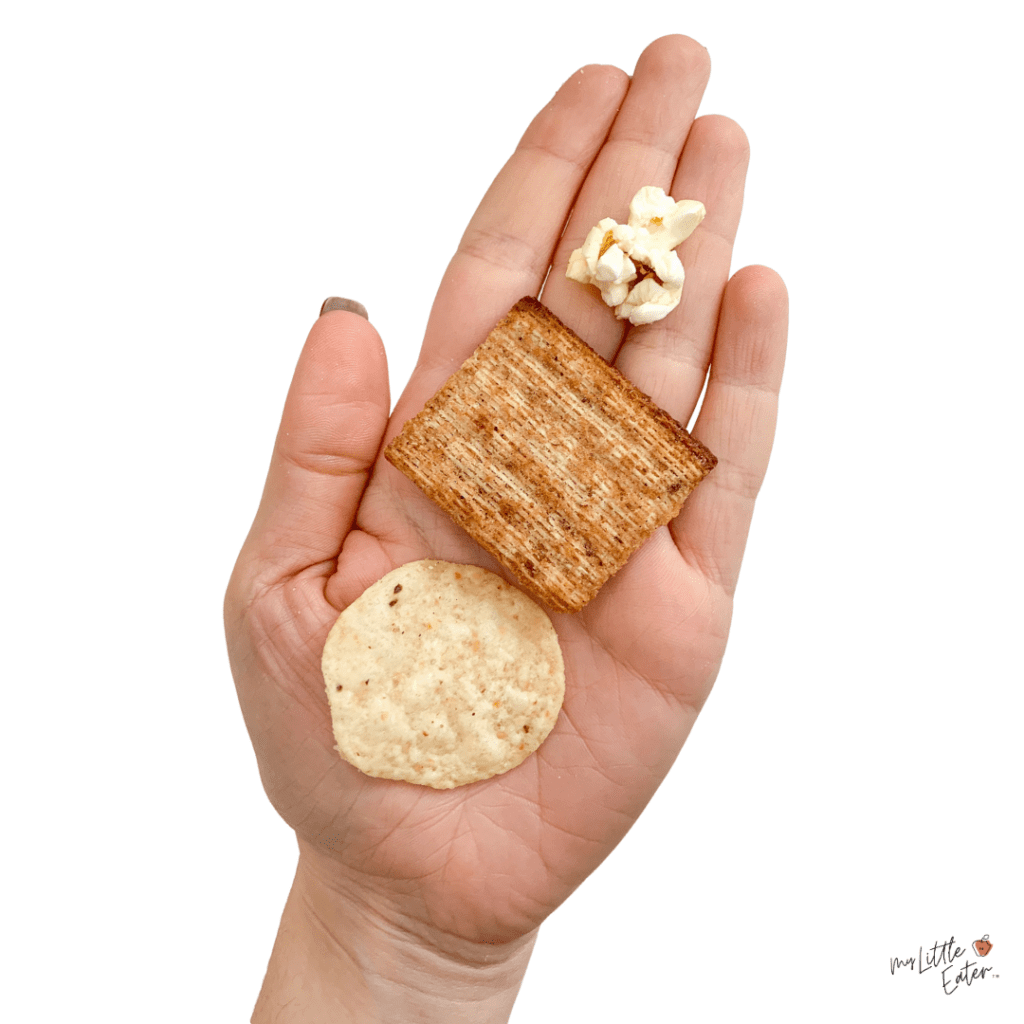
Type 4: Foods That Break into Really Jagged Pieces: These foods are typically hard and crumble into irregular shapes, making them prone to lodging in the airway. They also pose a significant aspiration risk, as small, jagged pieces can travel to the lungs. Examples include cookies, crackers, and pretzels.
Modifying Choking Hazards for Safety
Fortunately, many potential choking hazards can be made safer with appropriate modifications. It is crucial to understand these adaptations to continue offering a diverse and nutritious diet to young children.
-
Modifying Type 1 Hazards:
- Apples, Pears, Carrots: These should always be cooked until completely soft and then offered in thin strips or grated.
- Nuts and Seeds: These should be ground into a fine powder or served as smooth butters, spread thinly. Whole nuts and seeds are a significant choking hazard and should be avoided until at least age 4.
- Leafy Greens: Cook thoroughly and chop finely.
- Dried Fruits (Dates, Raisins, Apricots): Soak in water for 5-10 minutes to soften them before serving.
- Hard, Round Foods (Grapes, Cherry Tomatoes, Blueberries, Melon Balls): These must be quartered lengthwise for children under 4. Even when served quartered, supervision is essential, as they can still slide down the throat.
-
Modifying Type 2 Hazards:
- Hot Dogs, Sausages, String Cheese: These must be cut into small, irregular shapes (like diced small pieces) or lengthwise into quarters, never in rounds.
-
Modifying Type 3 Hazards:
- Bread: Toasting untoasted bread can help it crumble more easily. Large pieces should be torn or cut into smaller, manageable sizes.
- Peanut Butter and Other Nut Butters: Serve thinly spread on toast or crackers, never by the spoonful.
- Gum: This should be completely avoided for children under 4.
-
Modifying Type 4 Hazards:
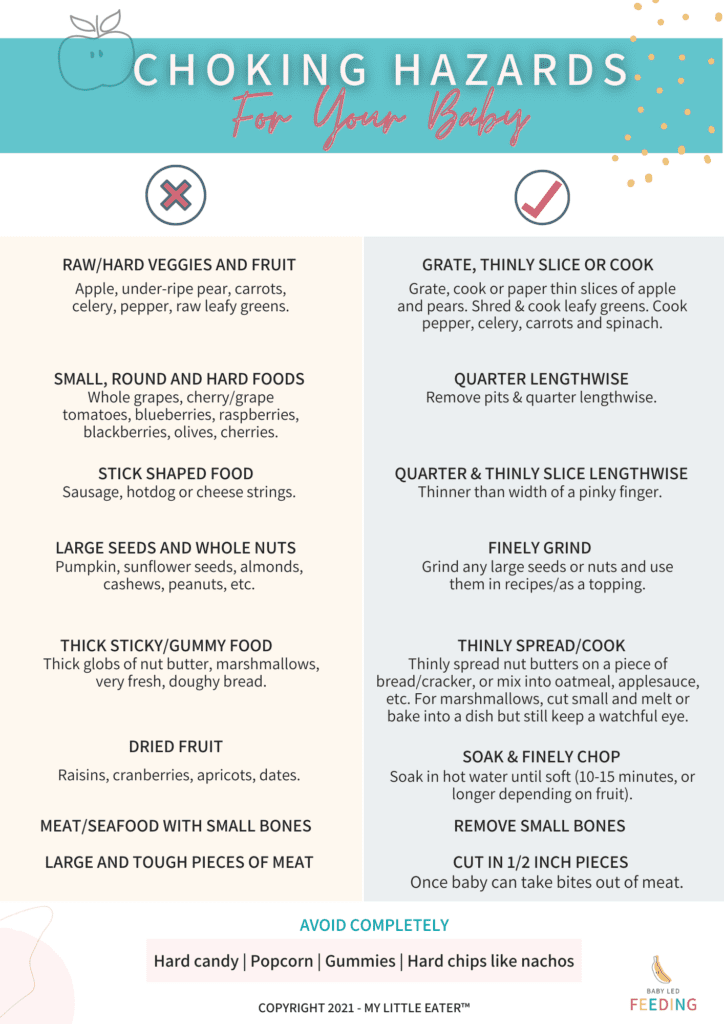
- Foods that break into jagged pieces (e.g., cookies, crackers, pretzels): Many of these foods, especially those that crumble easily into hard, sharp pieces, cannot be safely modified and should be avoided entirely until a child is at least 4 years old and has developed more robust chewing skills.
Avoiding High-Risk Foods Until Age 4
Certain foods inherently carry a high risk of choking and should be strictly avoided for children under the age of four, when their chewing and swallowing abilities are generally more developed. These include:
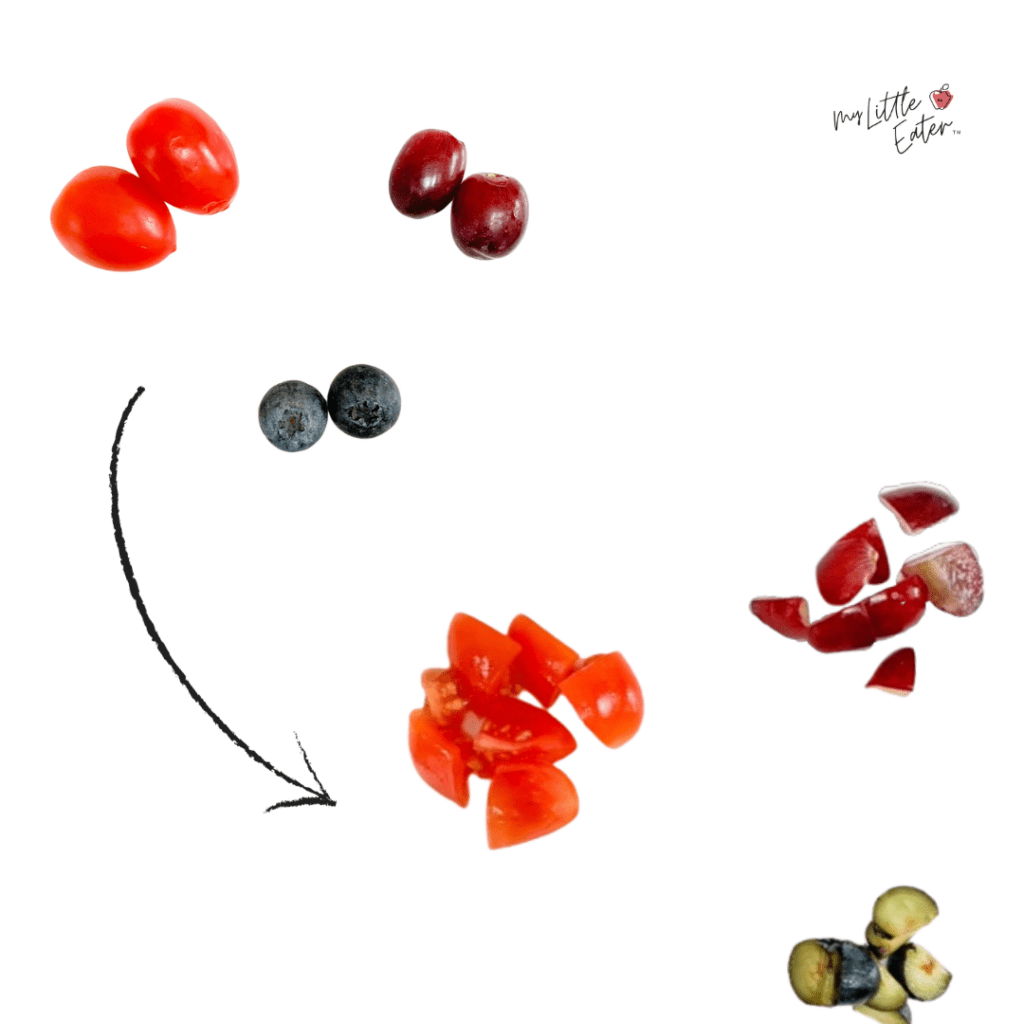
- Whole grapes, cherry tomatoes, and blueberries
- Nuts and seeds (whole or large pieces)
- Popcorn
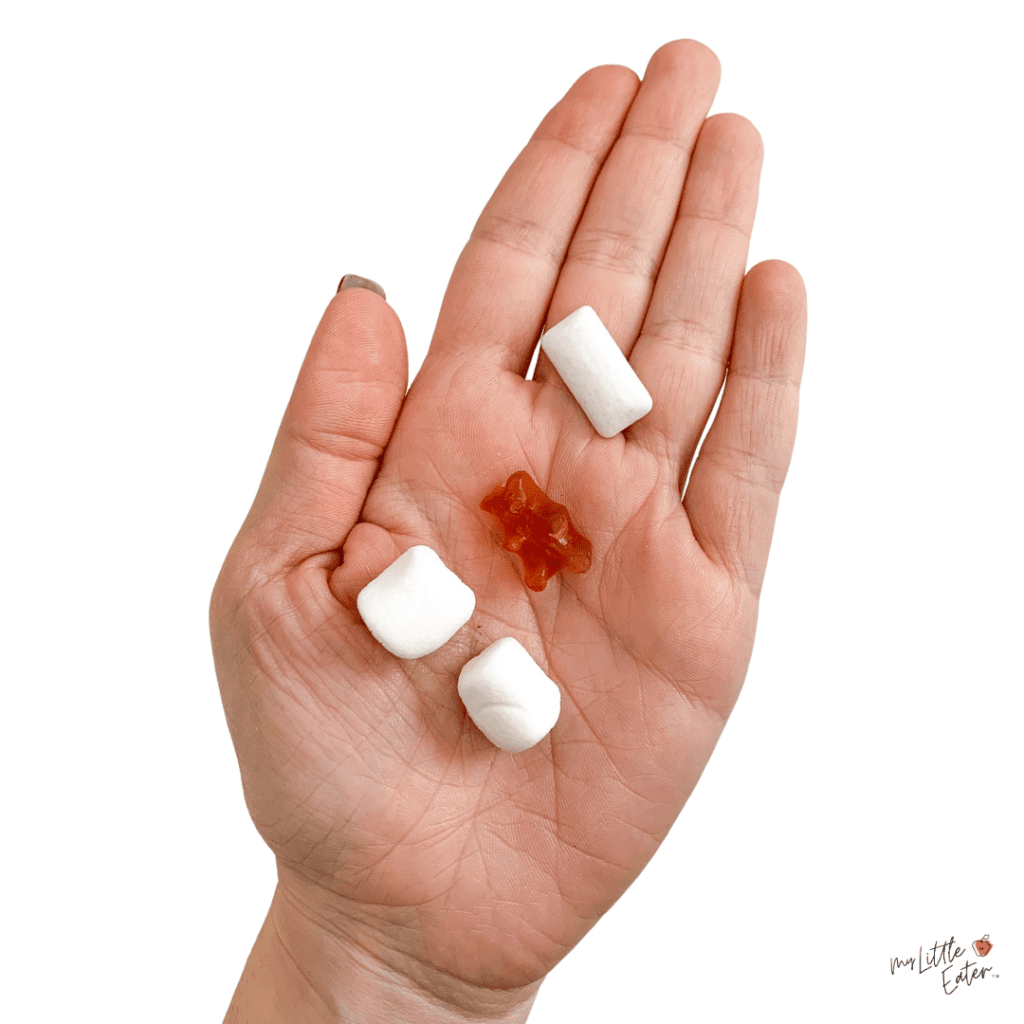
- Hard candies, caramels, and lollipops
- Raw, hard vegetables like whole carrots or celery sticks
- Chunks of tough meat or poultry
- Whole or large pieces of hot dogs or sausages
- Large globs of peanut butter or other nut butters
- Marshmallows
- Chewing gum
The Danger of Survivorship Bias
A common, yet dangerous, line of reasoning is "I did X risky behavior with my child, and they were fine, so it’s not a problem." This is known as survivorship bias. It’s crucial to remember that children develop at different rates and have varying abilities to manage food. Relying on anecdotal evidence of children surviving risky feeding practices does not negate the established safety recommendations. While parents know their child best and have the ultimate say in their feeding choices, adhering to expert guidelines for high-risk foods is the most prudent approach to minimize potential harm. Dismissing safety advice because one’s own child has not experienced a choking incident is a logical fallacy that can have severe consequences.
General Precautions to Lower Choking Risk
Beyond specific food modifications, several general practices significantly reduce the risk of choking with any food:
-
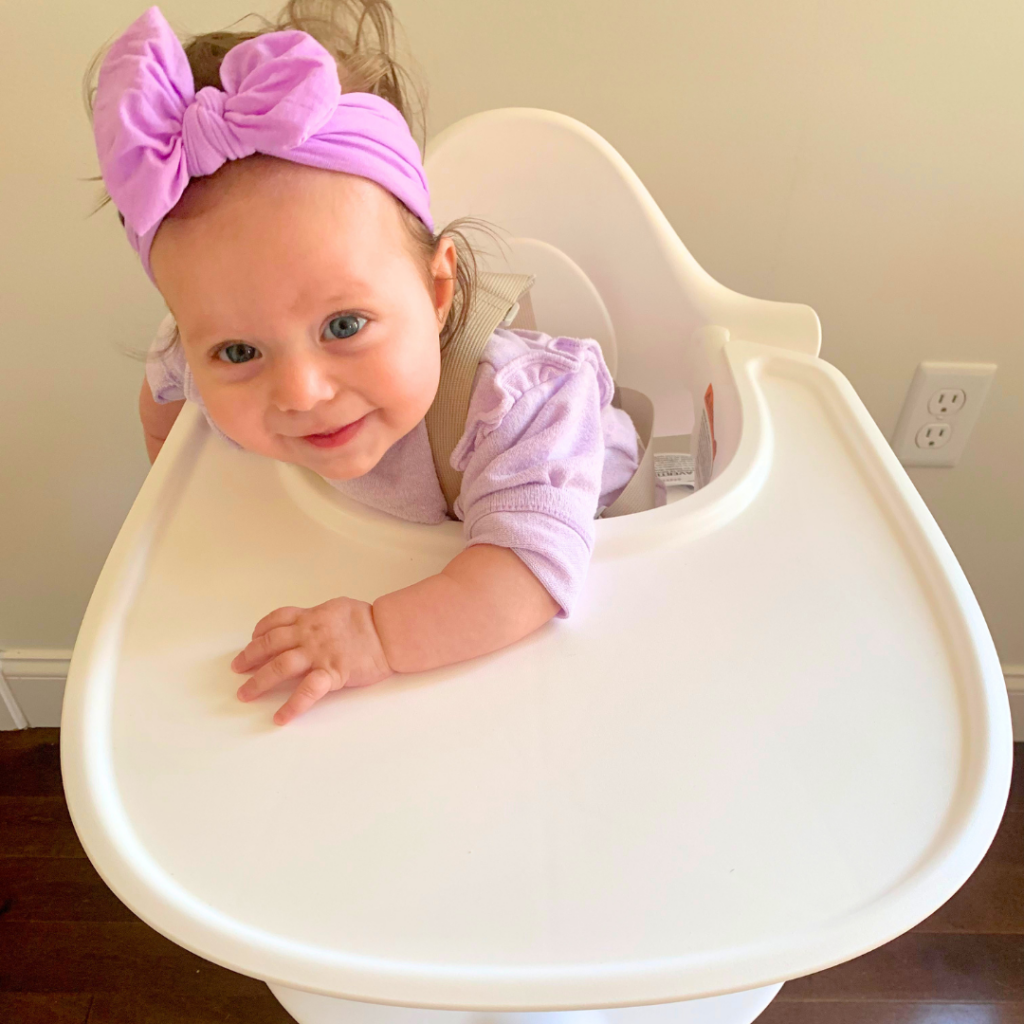
Assess Readiness for Solids: Ensure your child is developmentally ready to start solids. This includes being able to sit up unassisted, demonstrating core strength, and showing interest in food. Babies should be seated at a 90-degree angle in a sturdy high chair, preventing them from leaning or falling forward, which can compromise their airway. It’s recommended to wait until 6 months of age for the introduction of solids, as per major health organizations.
-
Always Supervise While Eating: Choking can be silent and difficult to detect. Never leave a child unattended while they are eating. Be attentive to their facial expressions and body language, as well as the sound of their breathing. A helpful rhyme to distinguish between gagging (loud, red) and choking (silent, blue) is: "Loud and red, let them go ahead. Silent and blue, they need help from you."
-
No Eating and Moving: Ensure children are always seated while eating. This means no eating while walking, playing, or in a car seat or stroller. Sudden movements can cause food to dislodge and obstruct the airway. Establishing this habit early on is crucial, especially as children become more mobile.
-
Model Safe Eating Habits: Babies and toddlers learn by imitation. Parents and caregivers should model safe eating practices, such as sitting down to eat, not overstuffing the mouth, and chewing food thoroughly.

-
Educate Caregivers: Anyone caring for your child, including babysitters, grandparents, and daycare providers, must be informed about common choking hazards, appropriate food preparation, and the importance of constant supervision. Providing them with a comprehensive cheat sheet and emergency contact information is vital.
-
Take an Infant CPR Course: This is arguably the most critical step. Before introducing solids, whether purees or finger foods, parents and primary caregivers should complete an official pediatric first aid and infant CPR course. This knowledge empowers you to act swiftly and effectively in a life-threatening situation, potentially saving your child’s life.
Conclusion
Navigating the world of infant and toddler nutrition involves a delicate balance between offering a variety of healthy foods and ensuring safety. By understanding the nature of choking hazards, implementing appropriate food modifications, and adhering to essential safety precautions, parents can significantly reduce the risks associated with feeding their young children. The commitment to education, preparedness, and vigilant supervision is the most effective strategy in safeguarding children from the terrifying possibility of choking.
Related posts: