The Culinary Evolution of Tuscan White Bean Soup: A Modern Approach to Traditional Italian Comfort Food

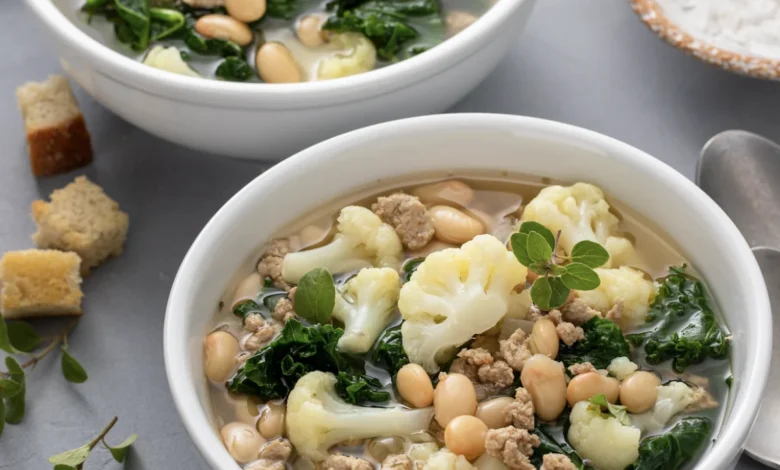
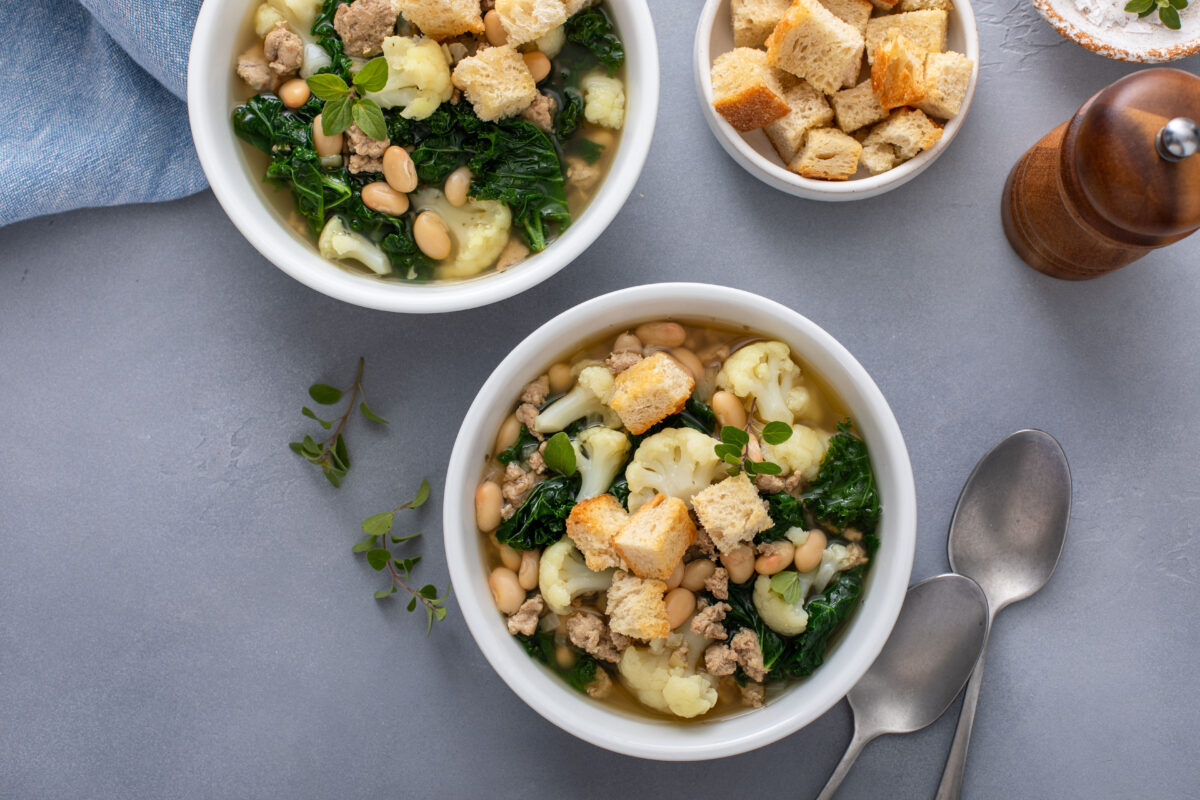
As home cooks increasingly seek out nutrient-dense, comforting, and budget-friendly meals for chilly evenings, traditional Mediterranean-inspired recipes have experienced a significant resurgence in modern domestic kitchens. Among these, Tuscan White Bean Soup has emerged as a staple for weeknight dinners, prized for its unique blend of plant-based protein, savory meats, and vibrant vegetables. Culinary historians trace the roots of this dish to the rural Cucina Povera (poor kitchen) tradition of central Italy, where resourceful cooks combined leftover beans, seasonal greens, and stale bread to create sustaining meals. Today, contemporary adaptations of this classic dish—such as versions incorporating lean turkey sausage, cauliflower, and nutrient-packed kale—reflect a broader culinary shift toward functional comfort foods that balance robust flavors with modern nutritional guidelines.
Nutritional Architecture and the Rise of Plant-Forward Comfort Foods
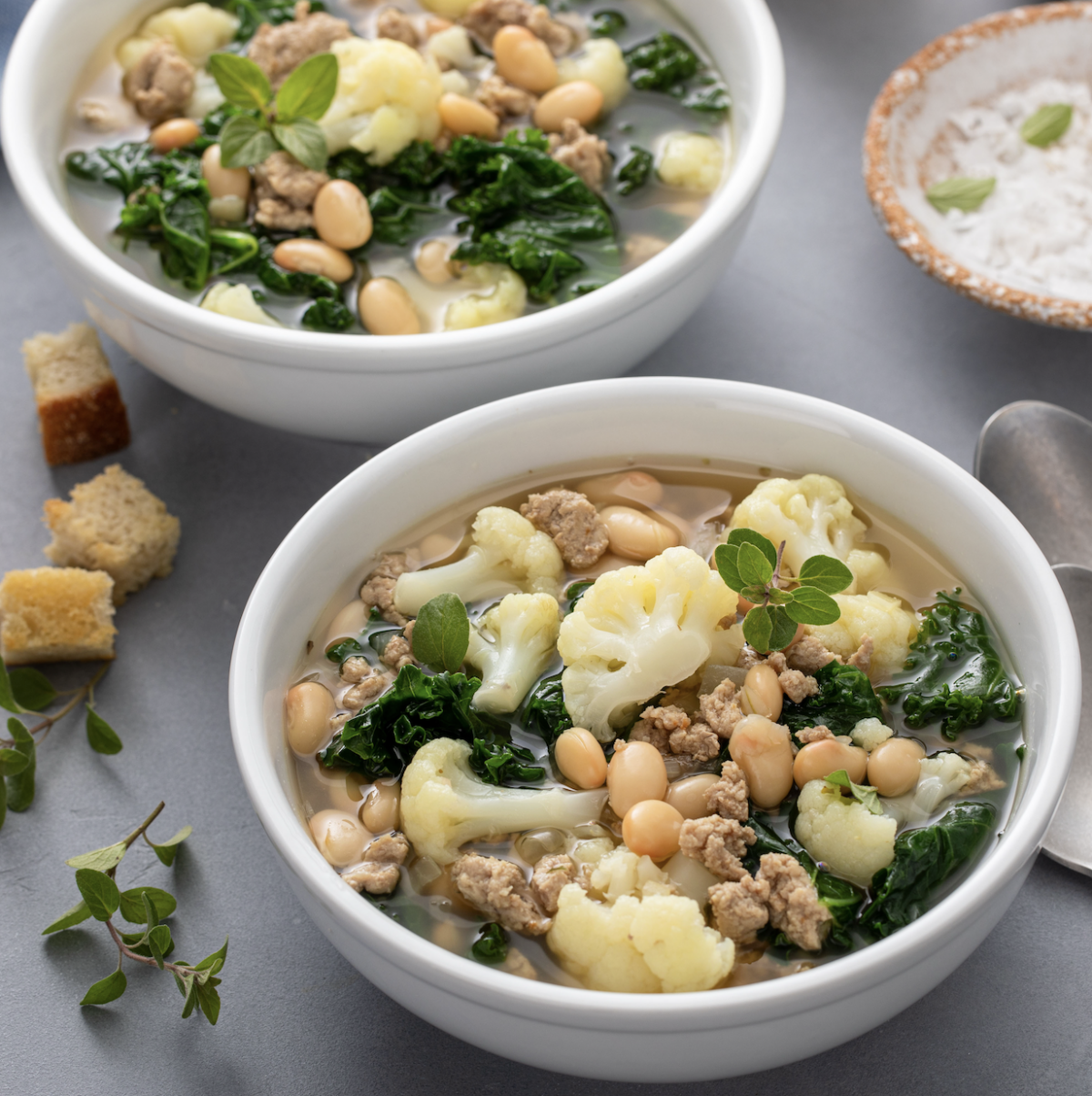
Dietary trends over the past decade highlight a growing consumer preference for high-protein, fiber-rich meals that do not sacrifice flavor or satiety. The foundational ingredient of this soup, the cannellini bean, plays a critical role in meeting these dietary benchmarks. According to nutritional data from agricultural and health authorities, white beans offer an exceptional profile of complex carbohydrates, soluble fiber, and plant-based protein, making them an ideal component for blood sugar regulation and sustained cardiovascular health.
When paired with lean proteins like Italian turkey sausage, the dish bridges the gap between traditional meat-heavy comfort foods and contemporary clean-eating initiatives. Furthermore, the incorporation of cruciferous vegetables such as cauliflower introduces low-glycemic bulk, vitamins C and K, and essential micronutrients without altering the familiar, savory profile of a rustic Italian stew. Nutritionists note that one-pot vegetable and bean soups encourage higher daily vegetable consumption across diverse demographics, particularly among families with children who may otherwise resist green, leafy vegetables.
Chronology and Evolution of the Recipe
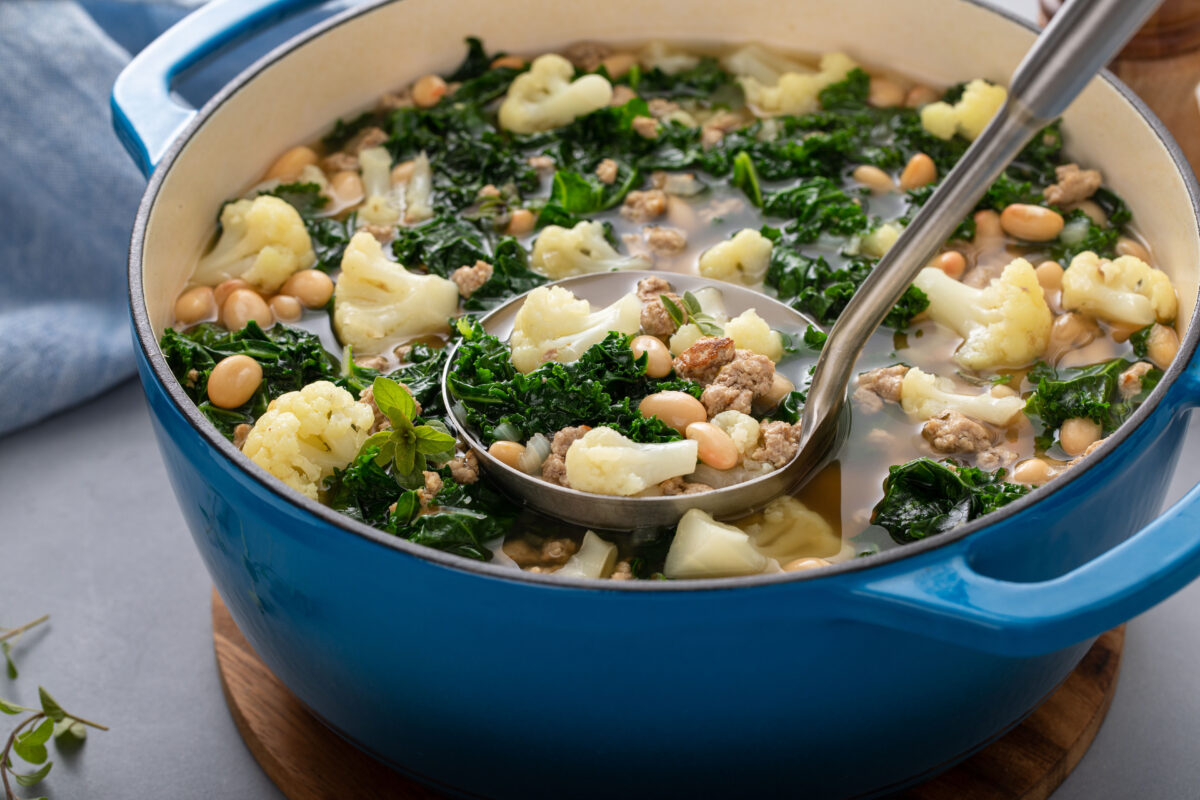
The adaptation of Tuscan white bean soup from regional Italian peasant fare to mainstream global cuisine did not happen overnight. Its trajectory reflects changing consumer lifestyles, the rise of the digital recipe-sharing economy, and innovations in kitchen appliance technology.
During the mid-20th century, Italian immigrants introduced regional broths and bean-based stews to North American households, where traditional ingredients like cavolo nero (dinosaur kale) were frequently substituted with locally available greens. By the early 2000s, culinary publications began championing cannellini bean soups as quintessential examples of the heart-healthy Mediterranean diet.
In recent years, the recipe has undergone further technical optimization to fit the schedules of modern households. The integration of modern cooking appliances—specifically the slow cooker and the electric pressure cooker (Instant Pot)—has transformed a dish that traditionally required hours of simmering into a 30-to-45-minute weeknight solution. While stovetop preparation remains the gold standard for developing deep, complex flavors through the browning of meats and careful reduction of broths, automated appliances have democratized access to slow-cooked textures for working professionals and busy parents.
Expert Culinary Insights and Preparation Methodology
Professional chefs and culinary instructors emphasize that the success of a rustic soup relies heavily on technique rather than complicated ingredient lists. To achieve a balanced flavor profile in a Tuscan white bean soup, culinary experts recommend a specific sequence of operations:
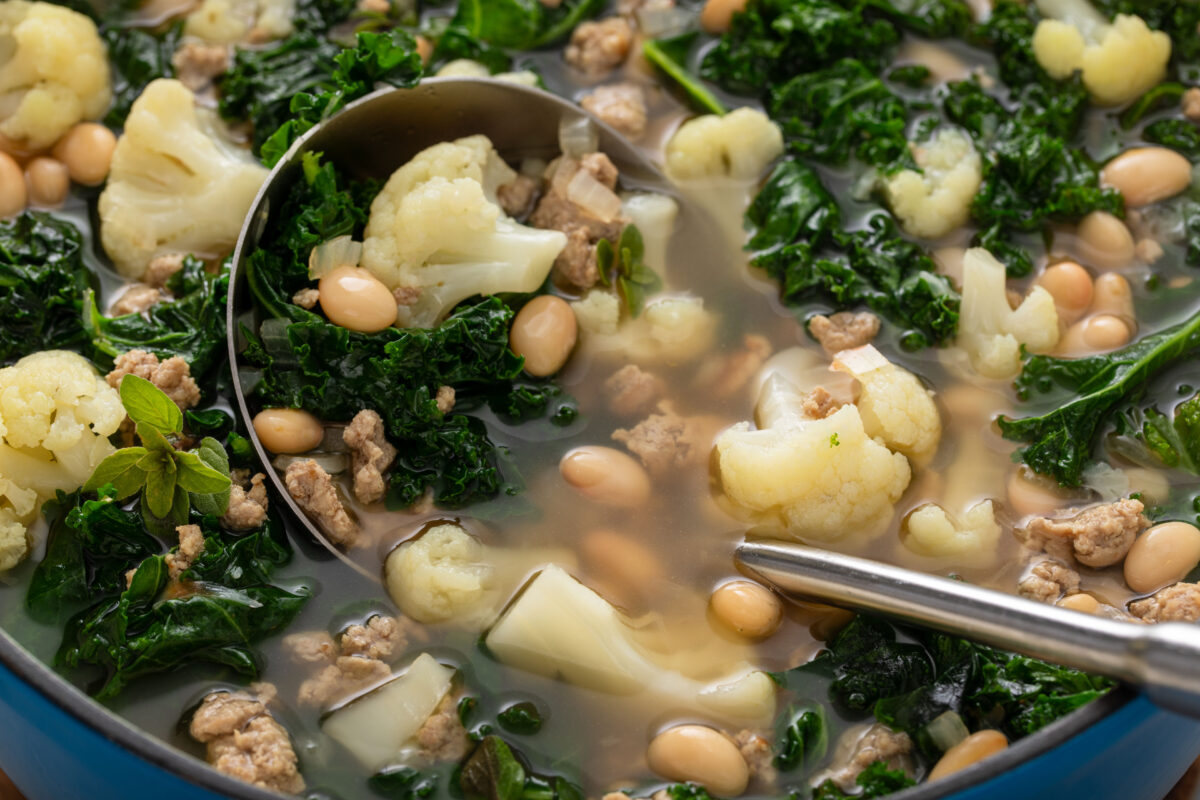
- Building a Flavorful Base: Browning lean meats, such as turkey sausage, directly in the pot creates fond—caramelized protein bits—that dissolve when broth is added, establishing an immediate depth of flavor.
- Strategic Timing of Vegetables: Harder vegetables like carrots and cauliflower require extended simmering to soften evenly, whereas leafy greens like kale and spinach cook down rapidly and retain their vibrant color and nutrients best when added during the final minutes of preparation.
- Natural Thickening Agents: Rather than relying on heavy creams or starches, traditional methods utilize the starches naturally present in cannellini beans. By puréeing a portion of the beans and broth, or by mashing them against the side of the vessel, cooks can achieve a velvety, luxurious texture while maintaining a lighter overall calorie count.
- Balancing Acidity: Culinary specialists frequently highlight the importance of a final finishing touch, such as a squeeze of fresh lemon juice or a dusting of aged Parmesan cheese, to cut through the earthy richness of the beans and elevate the aromatic profile of the broth.
Socio-Economic Implications and Adaptability
Beyond its nutritional merits, the enduring popularity of Tuscan white bean soup speaks to its economic resilience. In periods of economic uncertainty and fluctuating grocery prices, shelf-stable pantry staples like dried or canned beans provide an affordable, high-yield foundation for meals. A single can of cannellini beans costs a fraction of the price of animal proteins while delivering comparable satiety.
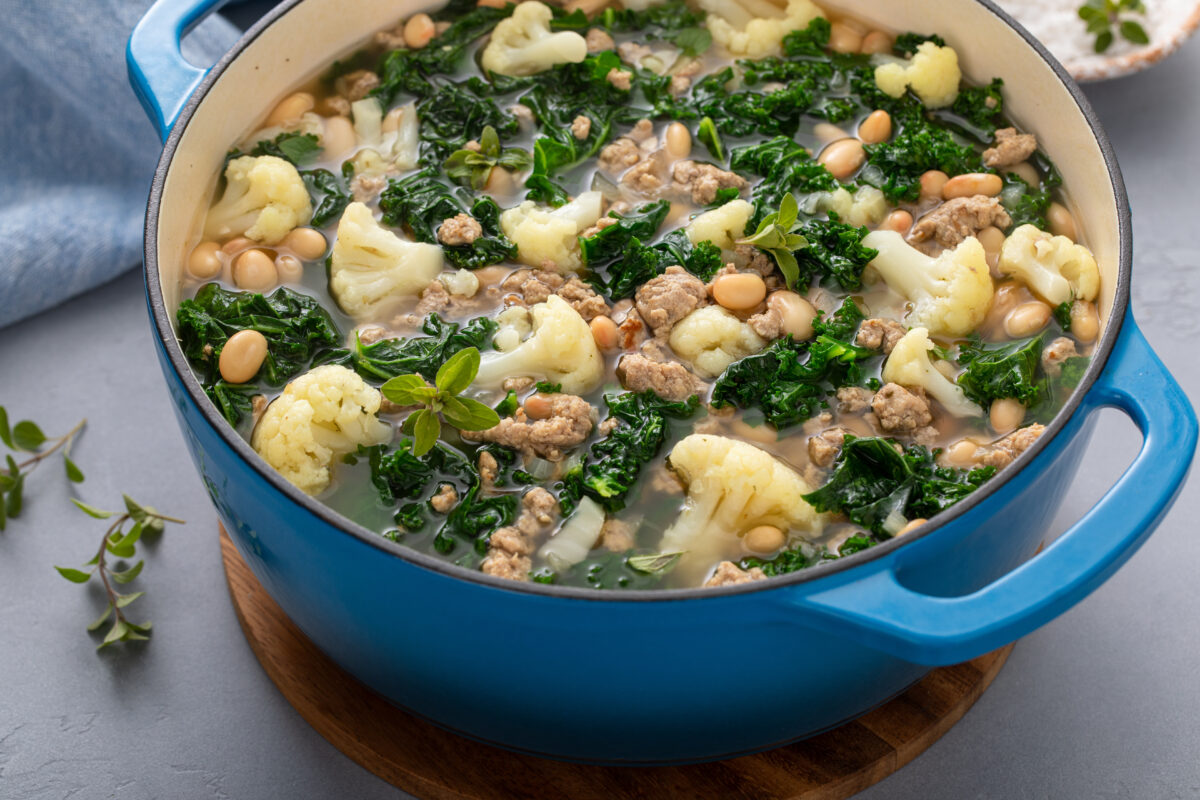
Moreover, the recipe’s inherent flexibility makes it an effective tool for reducing household food waste. The soup acts as a culinary vehicle for surplus produce, accommodating wilting greens, leftover root vegetables, or aging cheeses destined for disposal. Food economists and sustainability advocates frequently point to bean-and-vegetable stews as exemplary models of sustainable home cooking, noting their minimal environmental footprint relative to grain-fed beef or dairy-heavy dishes.
Broader Impact on Family Meal Planning
The adaptability of modern Tuscan white bean soup extends to dietary restrictions and familial preferences. With minor modifications, the dish seamlessly transitions into vegetarian, vegan, gluten-free, or dairy-free formats without compromising its structural integrity. Substituting vegetable broth and omitting or replacing meat with sautéed mushrooms or plant-based sausage allows households with diverse dietary needs to share a single meal.
As home cooking continues to compete with convenience foods and restaurant delivery services, approachable, one-pot recipes that offer both emotional comfort and nutritional clarity will remain essential to the modern domestic routine. By bridging historical culinary traditions with contemporary efficiency, the humble Tuscan white bean soup secures its place not merely as a seasonal trend, but as a timeless cornerstone of healthy, everyday dining.
Related posts: