14 Best Thrift Stores in Orlando For Finding Magic Off The Beaten Path

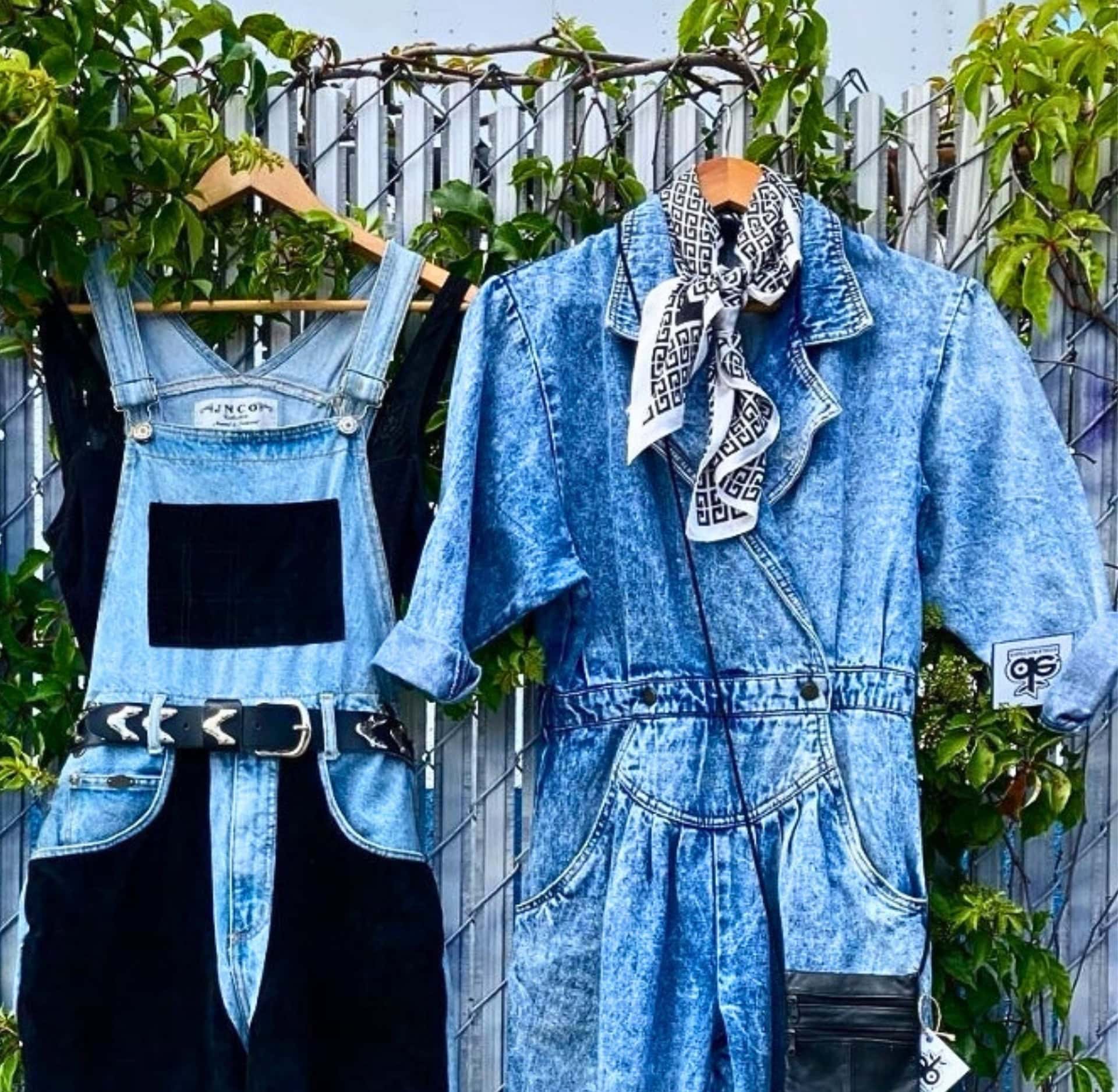
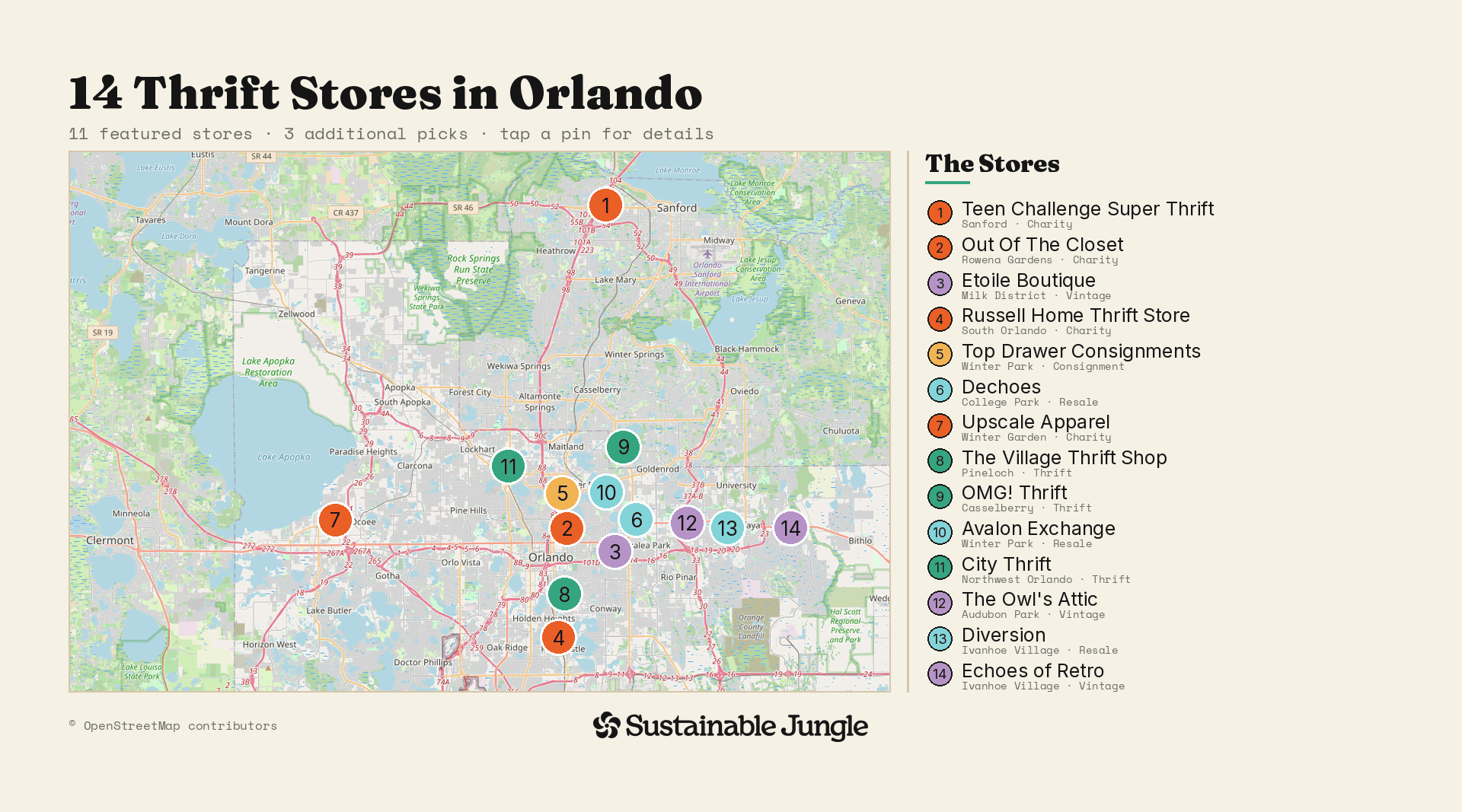
While Orlando, Florida, is globally recognized as the "Theme Park Capital of the World," a burgeoning subculture of sustainable commerce and circular fashion is transforming the city’s economic landscape. Beyond the neon lights of international tourist attractions, Orlando has developed a robust network of second-hand retailers that serve as vital pillars for community support, environmental preservation, and local entrepreneurship. This shift toward "slow fashion" and reclaimed goods is not merely a trend but a strategic component of the city’s broader initiative to achieve a zero-waste status by the year 2040. As the retail industry grapples with the environmental costs of fast fashion, Orlando’s diverse thrift ecosystem offers a blueprint for how urban centers can integrate philanthropy with sustainable consumerism.
The Environmental and Economic Context of Orlando’s Thrift Industry
The rise of the second-hand market in Central Florida comes at a critical time for global environmental health. According to data from the Environmental Protection Agency (EPA), the United States generates approximately 11.3 million tons of textile waste annually, a significant portion of which ends up in landfills. Orlando’s thrift sector actively mitigates this impact; industry experts estimate that every single thrifted item saves approximately 8.4 pounds of CO2 emissions and conserves roughly 89 gallons of water compared to the production of a new garment.
Economically, the "thrifting" phenomenon has evolved from a niche activity into a significant driver of local commerce. In Orlando, this is evidenced by the variety of business models in operation, ranging from traditional non-profit charity shops to high-end consignment showrooms. These establishments do more than sell goods; they provide vocational training, fund healthcare initiatives, and support residential care for vulnerable populations.
Philanthropic Pillars: Thrift Stores with a Social Mission
A significant segment of Orlando’s second-hand market is comprised of organizations that utilize retail revenue to fund social services. These "charity boutiques" allow consumers to participate in a circular economy while directly contributing to local and global causes.

Out Of The Closet
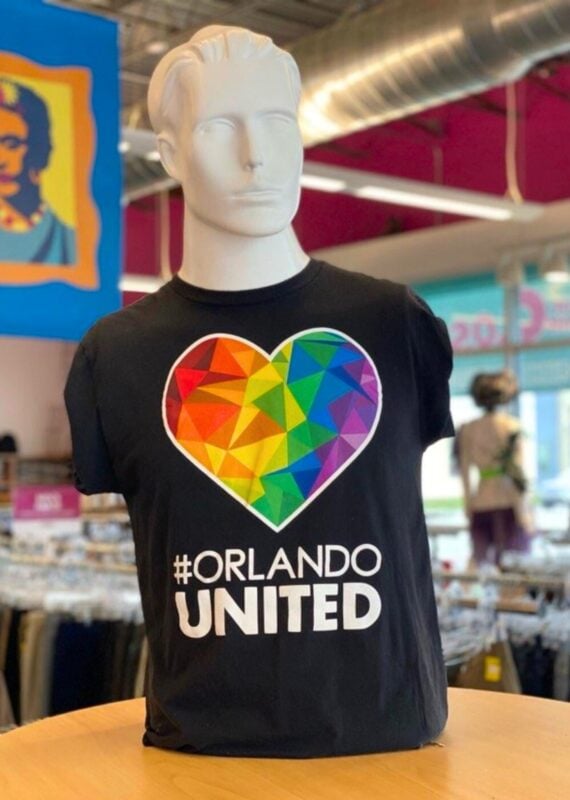
Located in the heart of the city, Out Of The Closet represents a sophisticated integration of retail and healthcare. As a subsidiary of the AIDS Healthcare Foundation (AHF), the store directs 96 cents of every dollar earned toward HIV/AIDS care and prevention. Beyond its curated collection of vintage clothing and furniture, the location provides free HIV testing and houses an AHF pharmacy. This model demonstrates how second-hand retail can serve as a front-line resource for public health.
Russell Home Thrift Store
With roots dating back to 1940, the Russell Home Thrift Store is one of the region’s most enduring charitable institutions. The store’s proceeds support the Russell Home for Atypical Children, the first non-profit residential facility in the country for severely disabled children. By specializing in everything from kitschy home decor to designer labels like Gucci and Miu Miu at its adjacent boutique, the organization has created a sustainable funding stream that has supported Central Florida families for over eight decades.

Teen Challenge Super Thrift
Situated near Lake Monroe, this establishment operates under a vocational training model. All proceeds fund Teen Challenge, a non-profit dedicated to addiction recovery and prevention. The store serves a dual purpose: generating revenue for the program and providing students with essential work experience and job skills, thereby facilitating their reintegration into the workforce.
Upscale Apparel
Operated by Vine of Life Ministries, Upscale Apparel focuses on the immediate needs of the community, such as food, clothing, and shelter for the homeless. With locations in Winter Garden and Ocoee, the store incentivizes sustainable shopping through aggressive pricing strategies, including "50% off" days, making high-quality goods accessible to lower-income demographics while funding emergency services.
Curated Culture: The Rise of Vintage and Designer Resale
As Orlando’s fashion scene matures, a demand for curated, high-quality vintage goods has led to the emergence of specialized boutiques. These stores differ from traditional thrift shops by offering hand-selected inventories that cater to collectors and fashion enthusiasts.
Etoile Boutique
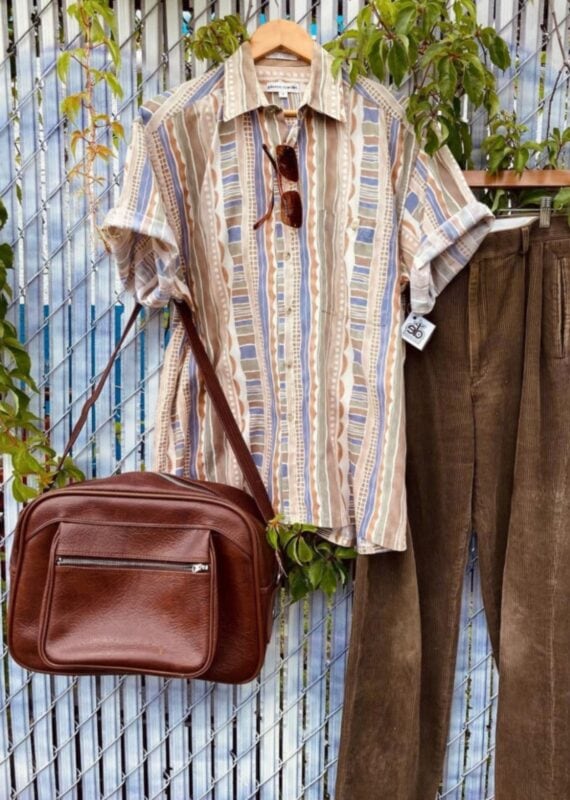
Since 2006, Etoile Boutique has been a cornerstone of the Milk District’s artistic community. Unlike high-volume thrift stores, Etoile focuses on a boutique experience, adding over 100 hand-picked vintage pieces weekly. By incorporating handmade jewelry and beauty products from local makers, the store functions as an incubator for Orlando’s creative economy.
Avalon Exchange
A family-owned fixture of the Winter Park area since 1988, Avalon Exchange operates on a buy-sell-trade model. This approach ensures a constantly rotating inventory of contemporary and vintage designer pieces. Their economic impact is direct: they offer the public 45% in store credit or 30% in cash for their items, encouraging a local cycle of reuse that keeps wealth within the community.
Dechoes Resale
With locations in College Park and on E. Colonial Drive, Dechoes targets the "sustainable fashionista" demographic. They specialize in authenticating designer labels and maintaining a high standard for modern fashion. Their appointment-based selling system reflects the professionalization of the resale market, providing a sophisticated alternative to the "fast fashion" cycle.
Specialization in the Home: High-End Consignment
The second-hand market in Orlando extends beyond apparel into the realm of interior design and home staging. This sector is vital for reducing the environmental footprint of furniture manufacturing.
Top Drawer Consignments
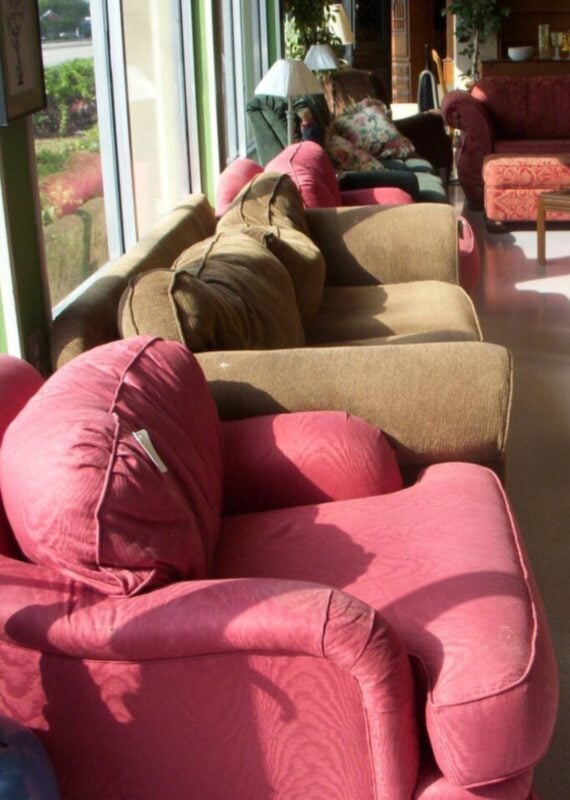
Considered a premier destination for interior designers and home stagers, Top Drawer Consignments operates a high-end showroom in Winter Park. By offering a platform for the resale of high-quality furniture and art, the store prevents large-scale household items from entering the waste stream. Their daily inventory updates reflect a fast-moving market for luxury goods at accessible price points.
High-Volume Operations and Community Impact
For many residents, thrifting is a necessity driven by affordability. Large-scale operations in Orlando ensure that volume and variety meet the needs of a growing population.
OMG! Thrift
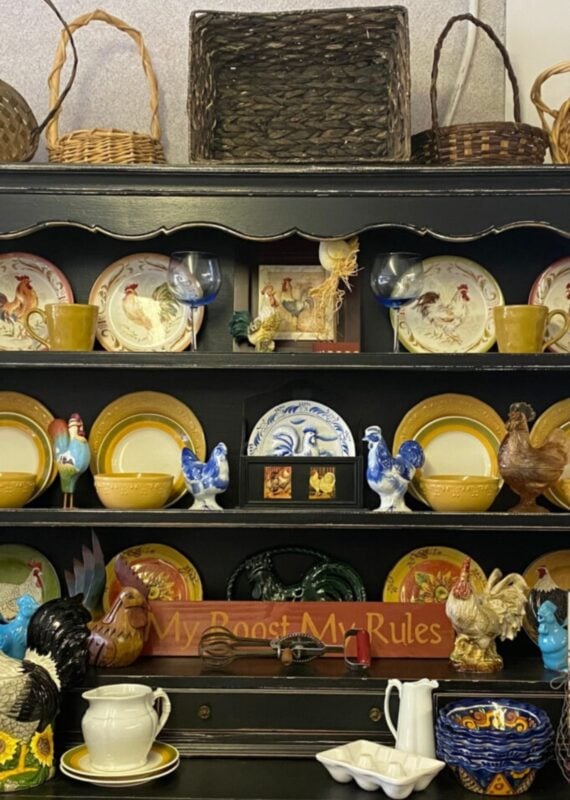
Located in Casselberry, OMG! Thrift is a titan of the local industry. With over 100,000 items in stock and 15,000 new pieces added weekly, the store operates at a scale that rivals traditional department stores. Their color-coded organization system and 75-90% discounts off retail prices make them a critical resource for budget-conscious families. Furthermore, the company contributes to the local economy by providing numerous entry-level jobs and running annual fundraisers for breast cancer awareness.
City Thrift
Operating for over 30 years across the Southeast, City Thrift represents the "traditional" thrifting experience. By offering specific discount days for seniors and frequent sales, they serve as a community hub for affordable living.
Geographic Clusters and Urban Revitalization
The distribution of thrift stores across Orlando reveals a pattern of urban revitalization. Neighborhoods like Audubon Park, Ivanhoe Village, and the Milk District have leveraged these stores to create "walkable" shopping districts that attract both locals and tourists.
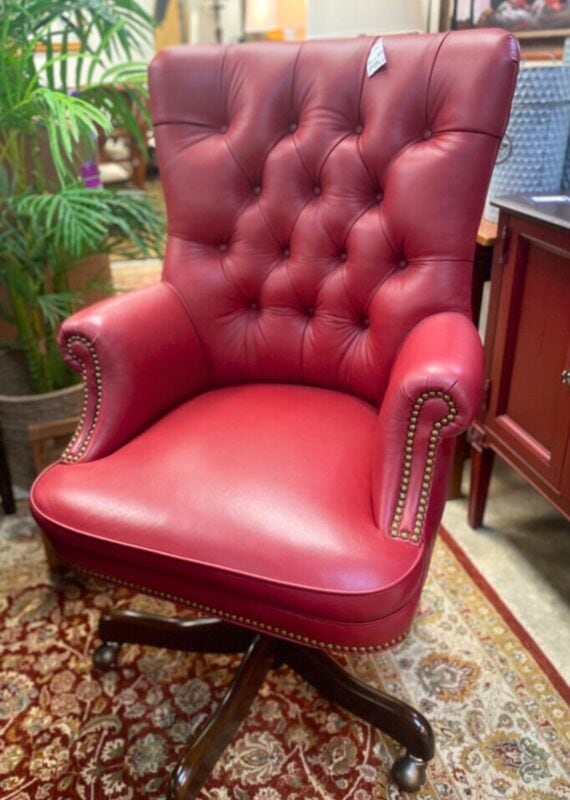
- Winter Park: Home to upscale consignment like Avalon Exchange and Top Drawer, catering to a luxury-conscious demographic.
- Audubon Park Garden District: Centered around Corrine Drive, this area focuses on curated vintage and "maker" culture.
- College Park: Known for its relaxed atmosphere and high-quality modern resale shops like Dechoes.
- Casselberry/Sanford: Areas that host high-volume "super" thrift stores, serving as regional hubs for affordable goods.
Analysis of Implications and Future Outlook
The proliferation of these 14 primary thrift locations signifies a fundamental shift in Orlando’s identity. The city is successfully transitioning from a destination defined by consumption to one that values conservation. This movement aligns with the "Green Works Orlando" initiative, which seeks to transform the city into one of the most environmentally friendly locations in the United States.
The long-term implications of this thriving thrift scene are twofold. First, it fosters a more resilient local economy that is less dependent on global supply chains. Second, it creates a "social safety net" where the act of shopping directly funds essential services like HIV care, disability support, and addiction recovery.
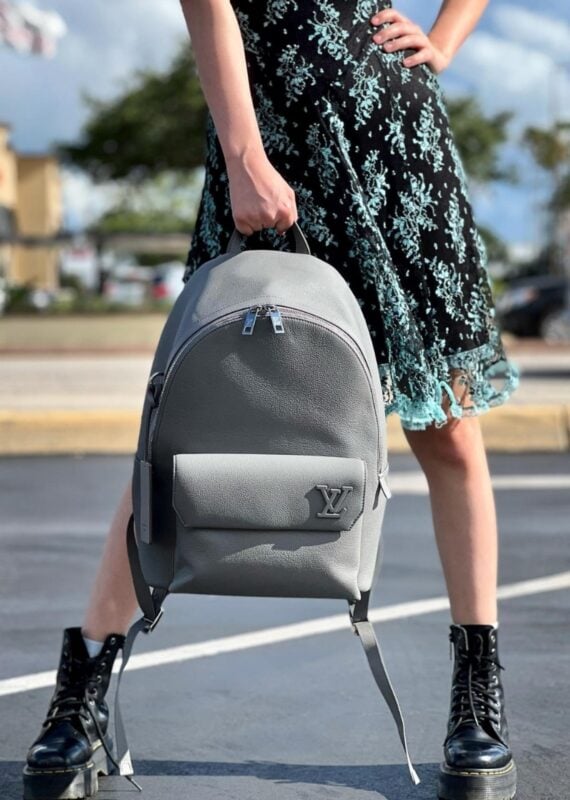
As Orlando moves toward its 2040 zero-waste goal, the thrift industry will likely see further integration with technology—such as enhanced online marketplaces and digital authentication for luxury goods. For now, the "magic" of Orlando is increasingly found not in the high-tech wizardry of its theme parks, but in the rows of carefully preserved history found on its thrift store racks. This ecosystem proves that sustainable living is not only an environmental necessity but a culturally rich and economically viable path forward for the modern American city.
Related posts: