2026 Christmas Gifts For Men That He Will Actually Love With Stocking Stuffer Ideas


The annual holiday shopping season presents a consistent challenge for consumers seeking meaningful, utilitarian gifts for the men in their lives. As the retail landscape evolves toward high-quality, sustainable, and functional products, gift-giving trends have shifted away from disposable novelty items and toward long-lasting, eco-conscious alternatives. Data from the National Retail Federation (NRF) suggests that consumer spending during the winter holidays continues to prioritize durability and utility, with a significant portion of shoppers looking to avoid items that quickly end up in landfills.

Historical Context and Consumer Behavior
Historically, the tradition of exchanging gifts during the winter holiday season dates back centuries, but the modern commercialized version of this practice took shape in the mid-20th century. In recent years, economic factors such as inflation and a growing awareness of environmental sustainability have altered how individuals approach gift selection. According to recent retail analytics, there has been a 15% year-over-year increase in consumer interest for products that offer "long-term value," such as high-performance outdoor gear, professional-grade culinary tools, and health-monitoring technology. This trend indicates that the "useful gift" has become the gold standard for holiday shoppers.
Curated Categories for Modern Requirements
To address the difficulty of selecting gifts for diverse demographics—ranging from fathers and partners to brothers and colleagues—retail experts categorize ideal gifts into specific lifestyle sectors. By focusing on utility, functionality, and sustainability, shoppers can ensure that their purchases provide value long after the holiday season concludes.
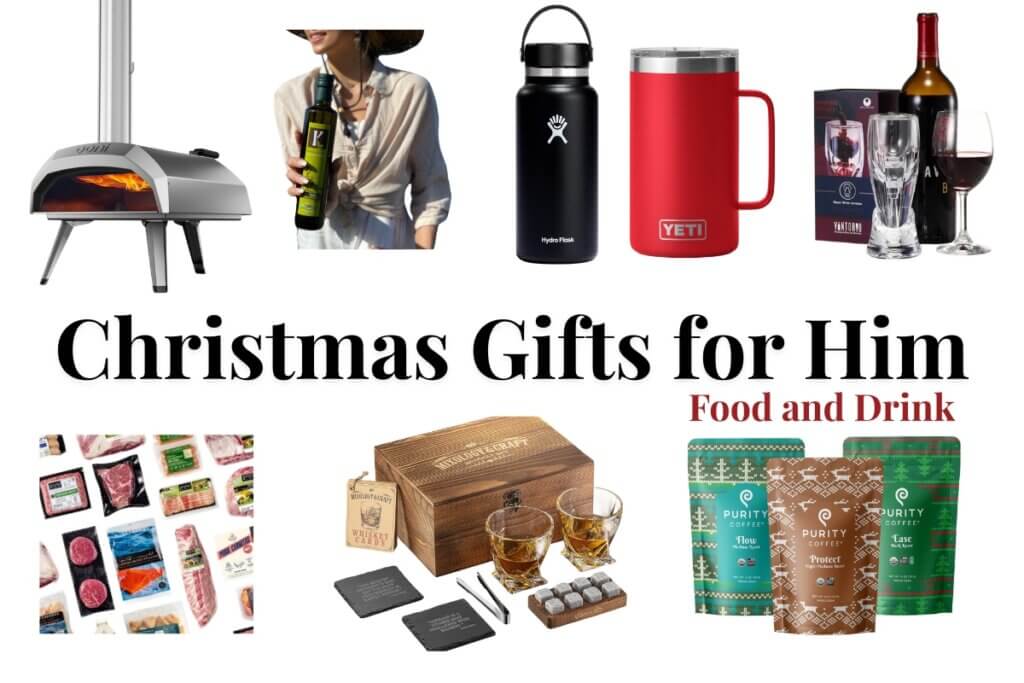
Culinary and Gastronomy
For individuals with an interest in culinary arts or outdoor grilling, the focus remains on equipment that enhances technique and longevity. The market for high-end cast iron, precision temperature control devices, and professional-grade culinary accessories has expanded significantly. Industry reports indicate that home cooking remains a primary hobby for millions, creating a robust demand for tools that facilitate high-quality meal preparation.
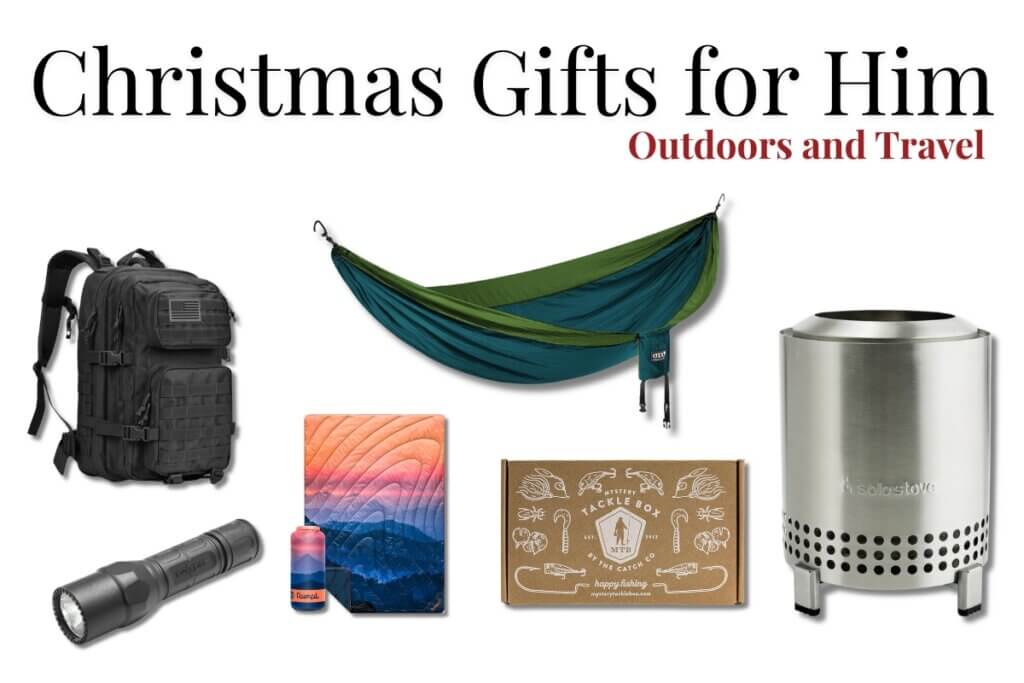
Wellness and Health Monitoring
The wellness sector has seen a shift toward technology that aids in recovery and physiological optimization. Whether it is through wearable health monitors, ergonomic support tools, or air purification systems, these gifts address a growing societal focus on preventative health. Unlike novelty items, wellness-oriented products are increasingly viewed as investments in the recipient’s long-term quality of life.
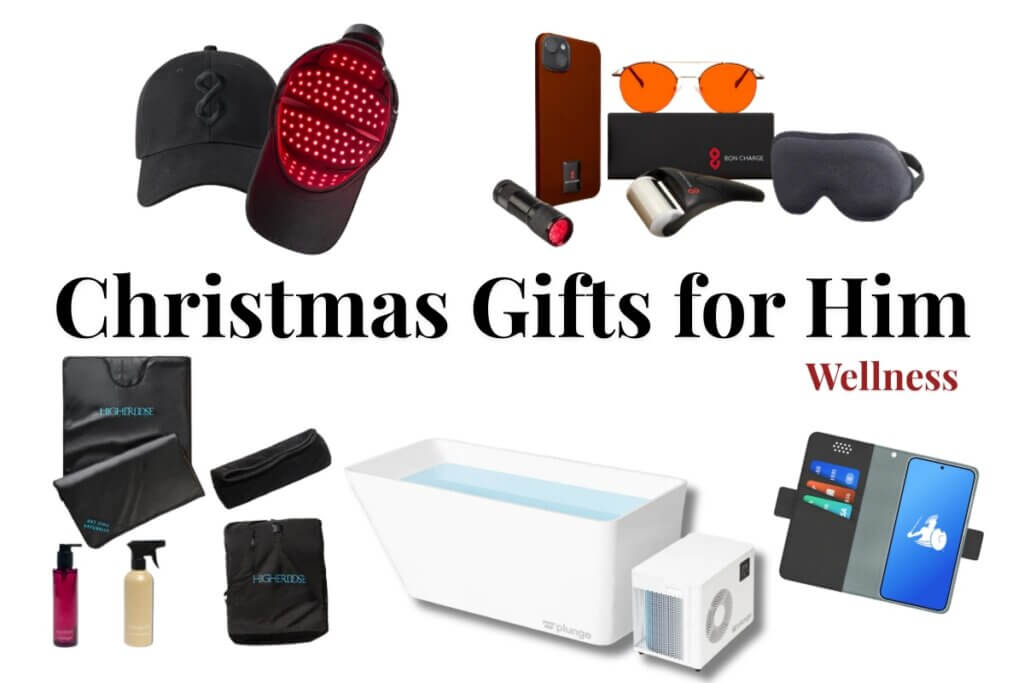
Outdoor and Adventure Gear
The demand for outdoor equipment remains steady, driven by an increasing cultural emphasis on recreation and physical activity. Whether the recipient is a casual hiker, a serious camper, or someone who enjoys home-based outdoor leisure, gear that offers durability—such as water filtration systems, high-grade portable lighting, and weather-resistant apparel—is highly regarded. Sustainability is a key factor here; consumers are increasingly opting for brands that utilize recycled materials and offer repair services for their products, thereby extending the lifecycle of the gear.
Personal Care and Grooming
While traditional gift guides often focused on luxury grooming kits, the current trend favors "essentialist" skincare. Modern men are showing a higher inclination toward products that are ingredient-transparent, natural, and multi-purpose. Market analysts note that simple, effective, and sustainably packaged grooming products have overtaken complex, multi-step routines in terms of consumer popularity.
Physical Fitness and Recovery
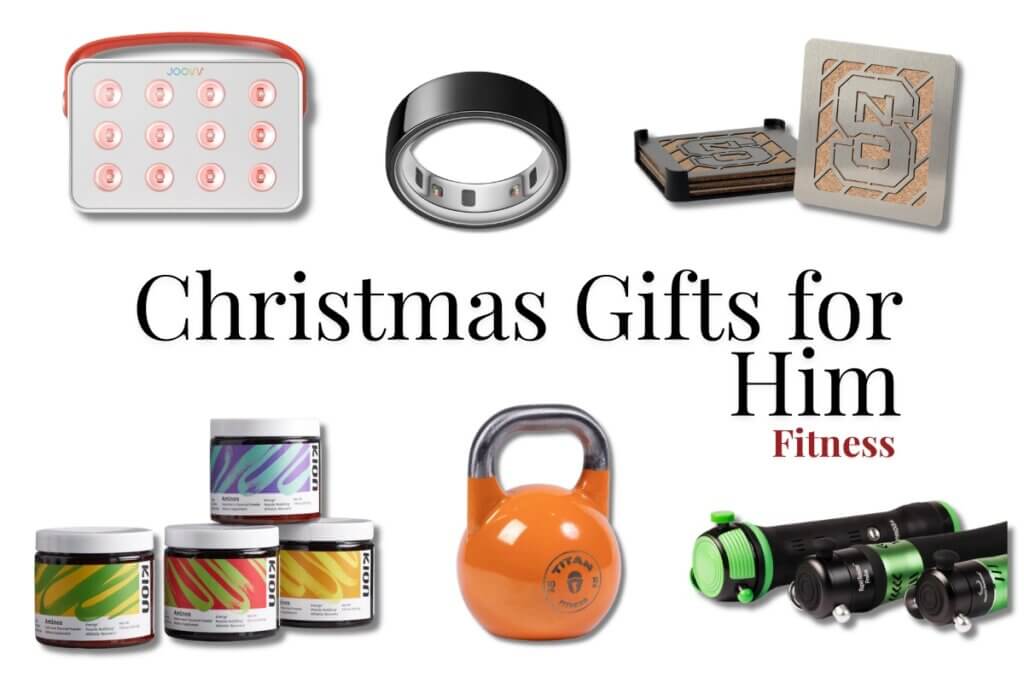
Fitness-related gifting has evolved beyond standard gym equipment to include recovery-focused tools. Percussive therapy devices, specialized mobility tools, and high-performance compression gear are now staples for those who maintain an active lifestyle. The integration of recovery into the fitness regimen has become a significant talking point in the sports science community, leading to increased consumer adoption of these tools.
Economic and Environmental Implications
The push toward high-quality, long-lasting gifts is not merely a matter of personal preference; it is part of a broader economic and environmental shift. According to recent sustainability reports, the reduction of "fast fashion" and low-quality gift items is a critical component of waste management. By choosing items that are durable, consumers reduce the frequency of replacement purchases, which in turn mitigates the environmental impact of manufacturing and shipping.

Retailers have responded to this demand by implementing more transparent supply chain practices. Companies that prioritize ethical sourcing and eco-friendly packaging are seeing higher consumer retention rates. This represents a significant shift in the retail sector, where brand loyalty is increasingly tied to corporate social responsibility (CSR) initiatives.
Strategic Gift Selection for the 2026 Season
When evaluating potential gifts, experts suggest utilizing a framework based on three criteria: durability, utility, and environmental impact. This framework helps eliminate impulsive, low-quality purchases and ensures that the gift provided is both respectful of the recipient’s time and the environment.
- Utility: Does the item solve a specific problem or enhance a routine task?
- Longevity: Is the item built to withstand regular use over several years?
- Sustainability: Are the materials ethically sourced, and is the product designed to minimize waste?
Stocking Stuffers and Small-Scale Gifting
The tradition of the stocking stuffer often leads to a surplus of small, low-value items that are frequently discarded. However, there is a growing movement to treat stocking stuffers as an extension of the broader, thoughtful gifting strategy. Small, high-quality items—such as premium natural soaps, specialized tools for hobbies, or high-performance personal care accessories—can be as impactful as larger gifts. This strategy emphasizes quality over quantity, ensuring that every item exchanged serves a purpose.
Future Outlook and Expert Consensus
Retail industry analysts project that the emphasis on "useful, sustainable gifts" will continue to dominate the market through the end of the decade. As technology continues to integrate with traditional consumer goods, the definition of a "useful" gift will likely expand to include more digital-physical hybrids. For instance, the rise of EMF-protective technology and portable, off-grid power solutions demonstrates a growing consumer interest in products that provide both utility and peace of mind in an increasingly connected world.
Ultimately, the most successful gift-giving strategy for the 2026 holiday season is one that prioritizes the needs and lifestyle of the recipient while maintaining a commitment to quality and sustainability. By avoiding the pitfalls of generic consumerism and focusing on products that offer tangible benefits, shoppers can provide gifts that are not only appreciated in the moment but remain functional and relevant for years to come.
As the retail landscape stabilizes after the holiday rush, it is expected that the data collected from this period will further reinforce the necessity of durability in the consumer goods market. Companies that adapt to these changing preferences—by producing fewer, better things—are likely to remain the most competitive in an increasingly discerning marketplace. For the average consumer, the path forward is clear: choose items that reflect the values of the recipient, support sustainable production, and withstand the test of time.