The Definitive Guide to Ethical Winter Accessories and Sustainable Procurement in the Modern Fashion Industry

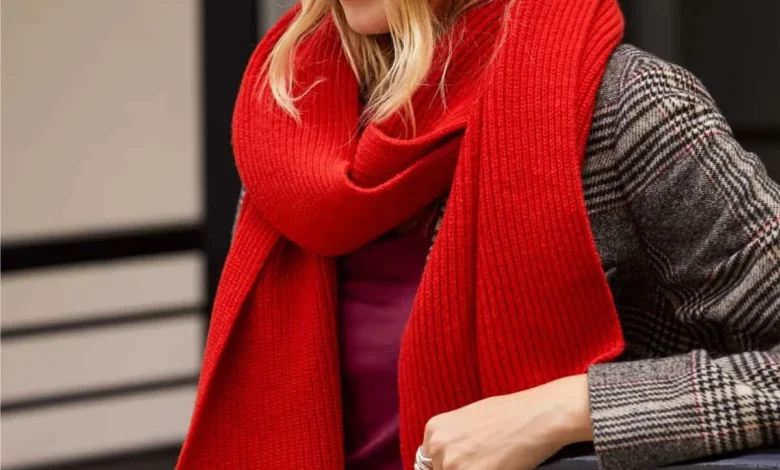
As winter temperatures plummet across the Northern Hemisphere, consumer demand for thermal apparel has surged, prompting a significant shift in how shoppers approach the procurement of gloves, scarves, and cold-weather accessories. The modern fashion landscape is currently navigating a pivot toward radical transparency, driven by rising consumer awareness regarding material sourcing, animal welfare, and the carbon footprint associated with global logistics. For the discerning shopper, identifying high-quality winter wear that adheres to ethical standards requires an understanding of complex certifications, supply chain transparency, and the long-term environmental impact of textile production.
The Evolution of Sustainable Textile Standards
The transition toward ethical winter wear is not merely a trend but a response to decades of scrutiny regarding the fashion industry’s environmental footprint. Historically, the production of wool and synthetic insulators involved heavy water usage, the application of toxic chemical dyes, and questionable animal husbandry practices. The emergence of the Global Organic Textile Standard (GOTS) and the Responsible Wool Standard (RWS) marked a turning point in the early 2000s.

Seasalt, a prominent British retailer, became a pioneer in this space when it secured GOTS certification in 2005. This certification requires that garments be made from at least 70% organic fibers, prohibiting the use of toxic chemicals and ensuring that social criteria—such as fair wages and safe working conditions—are met throughout the supply chain. Today, industry leaders are increasingly adopting RWS-certified wool, which mandates that sheep are treated with respect and that grazing land is managed to prevent soil degradation and biodiversity loss.
Chronology of Ethical Fashion Adoption
The movement toward sustainable accessories has accelerated in distinct phases over the last two decades:
- 2005–2010 (The Certification Era): Major brands began pursuing third-party certifications like GOTS to validate claims of sustainability. This period established the baseline for "ethical" fashion.
- 2011–2018 (The Transparency Shift): Consumers began demanding more than just labels; they required visibility into the supply chain. Brands started publicizing their factory lists and auditing their Tier 2 and Tier 3 suppliers.
- 2019–Present (The Circular Economy): The focus has shifted from merely "organic" production to "circular" models, including the promotion of upcycled materials, repair services, and the resale of pre-loved goods.
This latest phase is exemplified by companies like The Nearly New Cashmere Co., which addresses the issue of textile waste by reclaiming high-quality cashmere from damaged garments and repurposing them into fingerless gloves and neck warmers. By diverting material from landfills, these brands are directly challenging the "take-make-waste" model of fast fashion.

Data-Driven Insights: Why Material Choice Matters
The environmental impact of an accessory is determined largely by its raw material. Synthetic materials like virgin polyester and nylon, often found in low-cost gloves, are derived from fossil fuels and contribute to microplastic pollution during washing cycles. Conversely, natural fibers such as organic merino wool are biodegradable and renewable, provided they are sourced from farms that prioritize regenerative agriculture.
Data from the Textile Exchange indicates that the fashion industry is responsible for approximately 2% to 8% of global greenhouse gas emissions. By opting for recycled nylon or RWS-certified wool, manufacturers can reduce the carbon intensity of their products by as much as 30% compared to virgin material counterparts. Furthermore, the decision to localize production—such as the European-based manufacturing utilized by Isabella Oliver—significantly mitigates the carbon emissions associated with international freight and air transport.
Key Players in the Sustainable Accessory Market
A rigorous review of the current market highlights several entities that have integrated sustainability into their operational core:
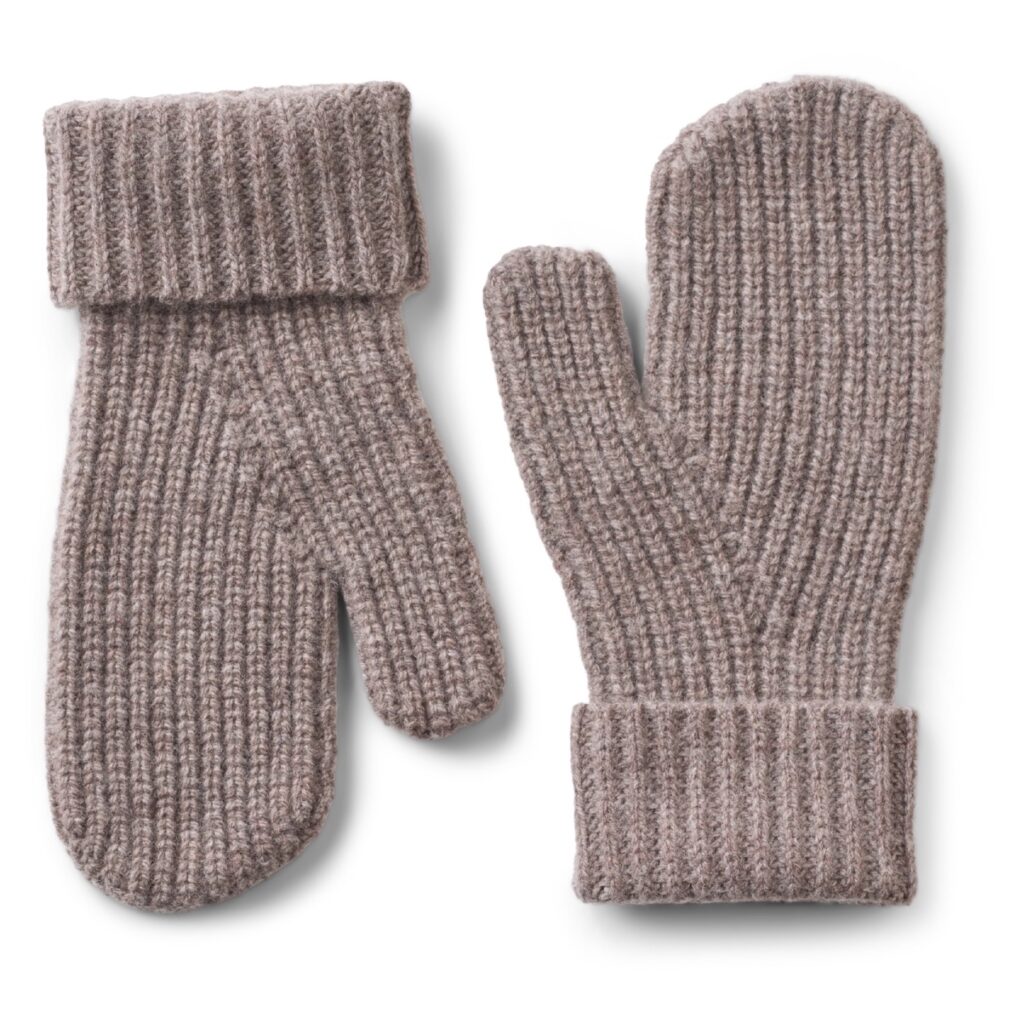
- Seasalt: Continues to lead in high-street accessibility. By utilizing recycled nylon and non-mulesed wool, they maintain a balance between price point and ecological responsibility. Their plastic-free shipping initiative represents a broader industry trend to eliminate single-use packaging.
- The Nearly New Cashmere Co.: Represents the pinnacle of circular fashion. Their model of "restoration and upcycling" effectively extends the lifespan of high-value fibers like cashmere, which requires significant land and water resources to produce.
- Dilling: This manufacturer demonstrates the efficacy of vertical integration. By owning their own dye house and production facilities, they exercise total control over waste management and labor standards. Their commitment to plastic-free natural fibers and the provision of repair kits serves as a model for product longevity.
- Isabella Oliver: By prioritizing road transport over air freight for their European-made collections, they demonstrate a commitment to reducing the logistical carbon footprint, a factor often overlooked by larger global retailers.
- Devold: A Norwegian specialist in performance wool. Their reliance on organic merino wool, combined with strict animal welfare standards, highlights the role of heritage brands in adopting modern sustainability protocols.
Implications for the Future of Retail
The rise of these brands suggests a permanent shift in consumer expectations. The "ethical" label is no longer a niche marketing advantage; it is becoming a requirement for brand survival. Financial analysts note that companies failing to demonstrate clear sustainability metrics are increasingly viewed as high-risk investments, particularly as European and North American regulations on supply chain due diligence become more stringent.
The implications for the average consumer are twofold. First, there is an increased need for "supply chain literacy." Shoppers are encouraged to look beyond marketing claims and verify certifications like GOTS, RWS, or Oeko-Tex. Second, the concept of "cost per wear" is gaining traction. While a pair of ethically produced gloves may carry a higher initial price tag than a mass-produced synthetic alternative, the durability, repairability, and ethical provenance offer long-term value that aligns with both personal values and broader climate goals.
Corporate Responsibility and Transparency
The industry-wide move toward transparency is often driven by internal audits and external pressures from NGOs. For instance, the "mulesing-free" requirement—a standard ensuring that sheep are not subjected to a specific, painful surgical procedure—has become a non-negotiable for premium ethical brands. When companies like Dilling or Devold publicly commit to these standards, they provide a blueprint for competitors.
Furthermore, the integration of repair services, such as the provision of patches and guides for mending, signals a departure from the "disposable" culture of the last three decades. This shift is not only beneficial for the planet but also strengthens the brand-consumer relationship, as it positions the company as a partner in the product’s life cycle rather than just a point-of-sale terminal.
Conclusion
The market for ethical winter accessories has matured into a sophisticated sector that offers consumers a variety of choices without compromising on performance or aesthetic appeal. Whether through the circular practices of upcycling, the rigorous standards of organic farming, or the logistical efficiencies of localized production, these brands illustrate that sustainability is compatible with commercial success. As the industry moves forward, the continued focus on material innovation, supply chain traceability, and the promotion of product longevity will remain the primary drivers of progress in the fight against fashion-related environmental degradation. Consumers, in turn, are increasingly acting as stewards of this change, utilizing their purchasing power to advocate for a more transparent and responsible global apparel industry.