16 Clever Uses for Marseille Soap: A Guide to Sustainable Home and Personal Care

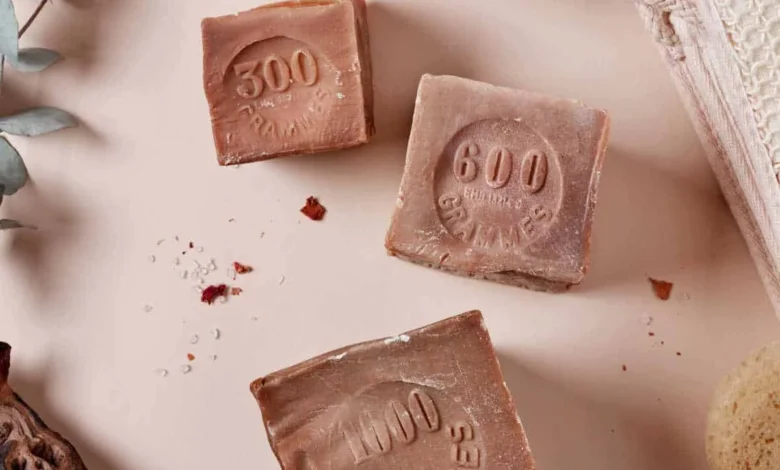
Savon de Marseille, a traditional hard soap crafted from vegetable oils, has served as a cornerstone of French domestic life for over six centuries, offering a biodegradable and chemical-free alternative to modern synthetic detergents. Known for its distinct cuboid shape and minimalist ingredient list, this "wonder soap" has experienced a significant resurgence in the global market as consumers increasingly prioritize plastic-free and hypoallergenic solutions for both household maintenance and personal hygiene. By utilizing a simple base of vegetable oil, soda, salt, and water, Marseille soap provides a versatile tool for tasks ranging from heavy-duty laundry stain removal to delicate silver restoration, effectively bridging the gap between historical craftsmanship and contemporary environmental requirements.
The Historical Evolution of Savon de Marseille
The origins of Marseille soap date back to the 14th century, with the first recorded soapmaker in the region documented in 1370. The industry reached a pivotal milestone in 1688 when King Louis XIV issued the Edict of Colbert. This royal decree established strict regulations for the manufacture of the soap, mandating that it be made exclusively from olive oil and prohibiting the use of animal fats. Violators of these standards faced expulsion from Provence, ensuring the region’s reputation for high-quality production.
Throughout the 19th century, the industry flourished, with Marseille becoming home to nearly 90 factories by 1913. However, the mid-20th century brought significant challenges. The advent of synthetic detergents and the rise of the washing machine led to a sharp decline in traditional soap production. Despite this, a handful of heritage soapworks survived, preserving the "Marseille method"—a process involving five distinct stages: pasting, saltying out, cooking, washing, and liquidating. In the 21st century, the product has regained its status as a premium eco-friendly commodity, driven by the global movement toward zero-waste living and the rejection of microplastics.
A Comprehensive Guide to Household Applications
The utility of Savon de Marseille extends far beyond simple handwashing. Its high oil content and alkaline properties make it an effective degreaser and surfactant.
1. Advanced Laundry Stain Removal
As a pre-treatment for laundry, Marseille soap is highly effective against organic and oil-based stains, including grass, blood, grease, and lipstick. The application involves wetting the affected fabric with cold water and rubbing the soap bar directly onto the area. Unlike synthetic stain removers that may contain bleaching agents, Marseille soap preserves the integrity of the fabric fibers while lifting the stain.
2. Natural Liquid Laundry Detergent
Consumers can produce a cost-effective, hypoallergenic laundry liquid by mixing 50 grams of grated soap with two liters of hot water and a tablespoon of bicarbonate of soda. This mixture, once cooled and shaken, serves as a powerful alternative to commercial detergents. Data suggests that switching to homemade soap-based detergents can reduce a household’s plastic waste by several kilograms per year, as it eliminates the need for single-use plastic bottles.
3. Maintenance of Delicate Fabrics
The gentle pH of authentic Marseille soap makes it suitable for "dry clean only" or sensitive materials such as silk, wool, and lace. Dissolving small amounts of the soap in lukewarm water prevents the fiber shrinkage often associated with harsh chemical cleaners.
4. Plastic-Free Dishwashing
In the kitchen, the soap can replace bottled dish soap. Users can either grate the soap into hot water to create a soaking solution or rub a damp brush directly against the bar. This method eliminates the synthetic fragrances and dyes found in standard dish soaps, which can leave residues on plates and cutlery.
5. Hard Surface and Wall Cleaning
When diluted in a spray bottle (50g of soap per 500ml of water), the solution acts as a multi-purpose cleaner for worktops, cupboards, and floors. It is particularly noted for its ability to remove scuffs and dirt from painted plaster walls without stripping the paint, provided a patch test is performed first.
6. Natural Toilet Sanitation
While it does not possess the descaling properties of citric acid, Marseille soap serves as an effective daily cleaner for toilets. A solution of melted soap and warm water can be used to scrub the basin, leaving a fresh scent without introducing toxic chemicals into the water system.
7. Restoration of Silver and Jewelry
Tarnished sterling silver can be restored by soaking items in a solution of hot water and grated soap for 15 minutes. The natural oils in the soap help lift oxidation, returning the shine to jewelry and silverware without the use of abrasive polishing pastes.
Personal Care and Veterinary Uses
The hypoallergenic nature of Marseille soap—traditionally free from perfumes, colorants, and parabens—makes it a staple in natural beauty routines.
8. Body Wash and Shaving Soap
The high vegetable oil content (typically 72%) provides moisturizing properties that are gentle on sensitive skin. It can also be used as a shaving soap, as the dense lather protects the skin from razor burn.
9. Occasional Shampoo Alternative
While not recommended for daily use due to potential waxy buildup, the soap can function as a solid shampoo bar. It is particularly useful for travelers looking to minimize liquid carry-ons.

10. Makeup Brush Sanitization
The antibacterial properties of the soap make it ideal for cleaning cosmetic tools. Swirling damp brushes over the soap bar removes deep-seated pigment and skin oils, extending the lifespan of the brushes.
11. Pet Care
Veterinary experts often suggest mild, natural soaps for pet hygiene. Marseille soap can be used to wash dogs, provided it is thoroughly rinsed. Its lack of synthetic fragrance is beneficial for animals with sensitive olfactory systems.
Specialized Environmental and Garden Applications
12. Non-Toxic Insecticide
Gardeners utilize Marseille soap to combat aphids and soft-bodied insects. A mixture of 75g of soap in 500ml of water can be sprayed directly onto infested plants. The soap works by breaking down the outer membranes of the insects, causing dehydration. This method is preferred by organic gardeners as it avoids the use of neonicotinoids which are harmful to bees.
13. Natural Moth Repellent
While humans find the scent of Marseille soap neutral, moths are repelled by it. Placing small slices of the soap in wardrobes or pockets of wool garments acts as a preventative measure against infestations.
14. Iron Plate Cleaning
Melted fibers on an iron plate can be removed by rubbing a small amount of soap on a warm (not hot) iron and then "ironing" a scrap cloth to lift the residue.
15. Upholstery and Carpet Spot Treatment
The soap is effective for treating spills on carpets. After a patch test, the soap can be worked into the fibers and lifted with a damp cloth, offering a chemical-free alternative to aerosol carpet cleaners.
16. Leather Maintenance
In some traditional circles, a very dilute solution of Marseille soap is used to clean leather goods, though this requires careful application to avoid over-saturating the material.
Technical Specifications and Authenticity Markers
A significant challenge for consumers is the lack of legal protection for the name "Savon de Marseille." In 2020, the French Court of Appeal rejected an application for a Geographical Indication (GI) status, meaning the soap can be legally produced anywhere in the world. This has led to an influx of "counterfeit" soaps containing animal fats (sodium tallowate) or synthetic additives.
To identify genuine Marseille soap, consumers should look for the following criteria:
- Shape: Traditional cuboid or large bar form.
- Stamp: Stamped on all six sides, usually indicating "72% vegetable oil."
- Ingredients: No more than four to six ingredients (Sodium olivate/palmate, aqua, sodium chloride, sodium hydroxide).
- Color: Green (made with olive oil) or beige/white (made with palm or coconut oil).
- Scent: A distinct, slightly "earthy" smell with no added perfumes.
Market Analysis and Environmental Implications
The global soap market is undergoing a transition. According to industry reports, the demand for natural and organic soaps is projected to grow at a CAGR of over 5% through 2030. This shift is largely attributed to the "Blue Beauty" movement, which focuses on the impact of personal care products on marine ecosystems.
Synthetic detergents often contain phosphates, which can lead to eutrophication in waterways, and microplastics in the form of exfoliating beads or packaging. In contrast, authentic Marseille soap is 100% biodegradable and typically sold with zero plastic packaging. The "green" version of the soap, which utilizes olive oil, is particularly favored by environmentalists as it avoids the controversies associated with the palm oil industry, such as deforestation and habitat loss.
Official Responses and Collective Standards
Because of the 2020 GI rejection, four remaining traditional soapworks in the Marseille region—Marius Fabre, Le Sérail, Le Fer à Cheval, and Savonnerie du Midi—formed the Union des Professionnels du Savon de Marseille (UPSM). The union has created a collective trademark to help consumers distinguish authentic products from industrial imitations.
A spokesperson for the UPSM emphasized that the traditional process requires nearly two weeks of preparation, a timeframe that industrial manufacturers bypass using chemical accelerators. "Authenticity is not just about the name; it is about the heritage of the ‘Marseille process’ which ensures the soap is hypoallergenic and environmentally sound," the organization stated in a recent brief.
Broad Impact and Future Outlook
The continued use of Savon de Marseille represents more than a nostalgic return to traditional methods; it is a pragmatic response to the modern waste crisis. By consolidating sixteen different household and personal care products into a single, multi-purpose bar, consumers can significantly reduce their chemical exposure and carbon footprint. As global regulations on single-use plastics tighten, the role of traditional, concentrated, and biodegradable cleaners like Marseille soap is expected to expand from a niche eco-product to a mainstream household essential. The integration of such products into daily routines reflects a broader societal shift toward circular economies, where the longevity and versatility of a product are valued over the convenience of disposable alternatives.
Related posts: