The Rise of Functional Frozen Confections Golden Milk Mango Popsicles Emerge as a Health Conscious Summer Staple

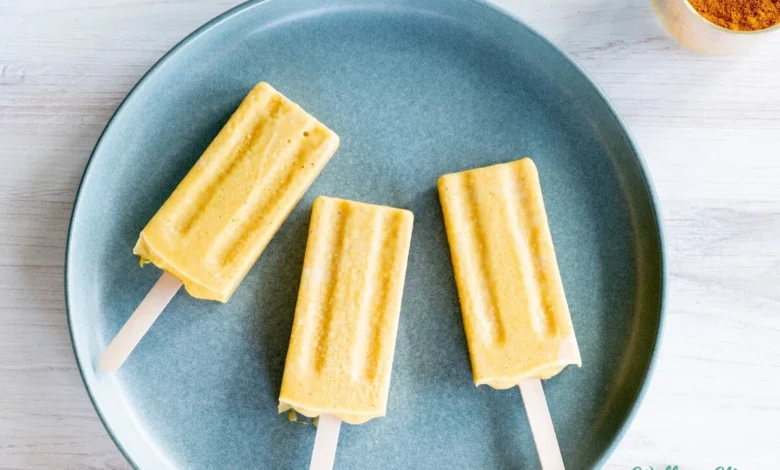
As global temperatures rise and seasonal shifts drive consumer demand toward cooling refreshments, a significant pivot is occurring within the artisanal and homemade snack industry. The emergence of "functional frozen confections"—specifically the Golden Milk Mango Popsicle—represents a convergence of traditional Ayurvedic medicine and modern dietary preferences. This evolution in the frozen treat sector highlights a growing public interest in snacks that offer more than caloric intake, focusing instead on anti-inflammatory properties, high vitamin density, and the exclusion of refined sugars and dairy.
The Convergence of Traditional Wellness and Modern Nutrition
The Golden Milk Mango Popsicle is an innovative adaptation of "Haldi Doodh," a traditional Indian beverage known globally as "Golden Milk." Historically utilized for its restorative properties, Golden Milk typically consists of warm milk infused with turmeric, black pepper, and various spices. The transition of this ancient formula into a frozen, fruit-based format reflects a broader trend in the food and beverage industry: the "snackification" of wellness.
By integrating the flavor profile of the mango (Mangifera indica) with the bioactive compounds of turmeric (Curcuma longa), this treat addresses two primary consumer demands: the desire for refreshing, palate-cleansing flavors and the requirement for "clean-label" ingredients. Industry analysts note that the global functional food market is projected to grow significantly through 2030, with a specific emphasis on products that bolster the immune system and manage systemic inflammation.
Nutritional Profile and Bioavailability
The efficacy of the Golden Milk Mango Popsicle as a functional food is rooted in its specific chemical composition. The primary active ingredient, turmeric, contains curcumin, a polyphenol with well-documented anti-inflammatory and antioxidant capabilities. However, curcumin is notoriously difficult for the human body to absorb in isolation.
The inclusion of full-fat coconut milk in these recipes serves a dual purpose. Beyond providing a creamy texture that mimics traditional dairy-based ice cream, the healthy fats (specifically medium-chain triglycerides, or MCTs) in coconut milk are essential for the bioavailability of curcumin. Because curcumin is fat-soluble, the presence of lipids in the popsicle ensures that the body can more effectively process and utilize the compound.
Furthermore, the mango component provides a significant nutritional payload. A single serving of these popsicles can offer a substantial percentage of the Recommended Dietary Allowance (RDA) for Vitamin C and Vitamin A. According to nutritional data, a standard mango-based popsicle contains approximately 596 IU of Vitamin A and 22mg of Vitamin C, supporting both ocular health and immune function. The fiber content found in the whole-fruit puree also aids in glycemic control, preventing the rapid insulin spikes often associated with traditional high-sugar frozen treats.
The Evolution of the Frozen Treat: A Brief Chronology
To understand the rise of functional popsicles, one must examine the timeline of the frozen confection industry:
- 1905: The accidental invention of the "Epsicle" (later the Popsicle) by 11-year-old Frank Epperson, who left a glass of soda water and a stirring stick outside overnight in freezing temperatures.
- 1920s-1970s: The commercialization of the popsicle, dominated by water-based, high-fructose corn syrup products and artificial dyes.
- 1980s-1990s: The introduction of "fruit bars," which began the shift toward using real fruit juice, though often still heavily processed and filtered.
- 2010s: The rise of the "clean eating" movement. Consumers began seeking dairy-free and vegan alternatives, leading to the popularity of coconut and almond milk bases.
- 2020-Present: The "Functional Era." Following the global health crisis, consumers pivoted toward ingredients with specific health outcomes. Turmeric, ginger, and adaptogens became common additions to everyday snacks.
Market Analysis and Consumer Demographics
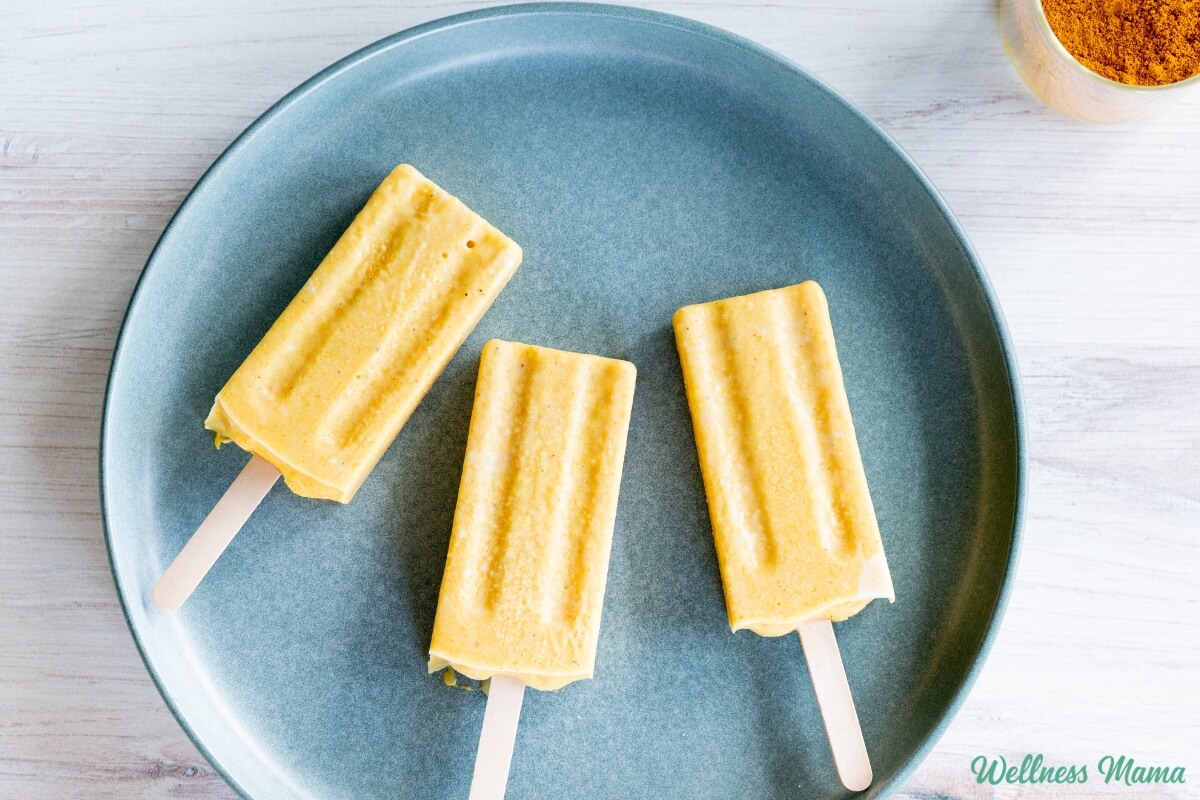
Market research indicates that the "Better-for-You" (BFY) frozen snack segment is no longer a niche market. Parents, in particular, are driving this change. As pediatric nutrition comes under greater scrutiny, there is a marked shift away from snacks containing Red 40, Blue 1, and other synthetic colorants. The vibrant yellow-orange hue of the Golden Milk Mango Popsicle is derived entirely from the natural carotenoids in the mango and the curcumin in the turmeric, offering a visually appealing alternative without chemical additives.
Statistical data suggests that households with children are 40% more likely to purchase or create homemade frozen treats if they are marketed as having "immune-boosting" or "low-sugar" properties. The Golden Milk Mango Popsicle, which averages 111 calories and 12 grams of natural sugar per serving, fits precisely within the desired profile for health-conscious families.
Production and Culinary Versatility
The manufacturing of these popsicles—whether in a domestic kitchen or a small-scale artisanal facility—relies on a "dump and blend" methodology. This simplicity is a key factor in the recipe’s viral popularity. The process involves emulsifying mango chunks, coconut milk, turmeric, and often ginger or honey into a homogenous liquid before freezing.
However, the culinary application of the Golden Milk Mango Popsicle is not static. Variations have emerged to suit different regional palates and dietary needs:
- The Probiotic Variation: Some producers incorporate water kefir grains or probiotic-rich yogurt to support gut health.
- The Electrolyte Variation: The use of coconut water in place of or in addition to coconut milk provides potassium and sodium, making the treat an effective post-exercise recovery tool.
- The Regional Fusion: A popular variation involves the "Mexican Twist," where ginger is omitted in favor of a dusting of Tajin (a blend of chili peppers, lime, and salt). This reflects the growing "swicy" (sweet and spicy) flavor trend currently dominating the North American food scene.
Professional Perspectives on Health Implications
Medical professionals and dietitians have weighed in on the benefits of these ingredients, particularly regarding seasonal health. Dr. Elena Rodriguez, a specialist in integrative nutrition, suggests that the anti-inflammatory nature of turmeric can be particularly beneficial during high-pollen seasons. "While not a replacement for allergy medication, the consistent consumption of anti-inflammatory agents like curcumin can help modulate the body’s immune response to environmental triggers," Rodriguez noted in a recent wellness symposium.
Furthermore, the use of mango provides a source of amylases, a group of digestive enzymes that break down complex carbohydrates into sugars like glucose and maltose. This can aid in overall digestion, a benefit rarely associated with traditional dessert items.
Storage, Sustainability, and the DIY Movement
The resurgence of homemade popsicles also touches upon environmental concerns. By utilizing reusable silicone molds and purchasing bulk ingredients, consumers are actively reducing the amount of single-use plastic waste generated by individually wrapped commercial popsicles.
From a storage perspective, these functional treats are highly stable. When stored in airtight, freezer-safe containers, they maintain their nutritional integrity and flavor for several months. For long-term storage, culinary experts recommend wrapping individual popsicles in parchment paper before placing them in reusable silicone bags to prevent freezer burn and texture degradation.
Broader Implications for the Food Industry
The popularity of Golden Milk Mango Popsicles is a clear signal to major food manufacturers. The industry is seeing a "de-processing" of the American pantry. As consumers become more educated on the benefits of healthy fats and the dangers of refined sugars, the demand for products that align with these values will only increase.
We are likely to see an influx of "Golden Milk" flavored products across various categories, from protein powders to breakfast cereals. However, the popsicle remains the most accessible format for this flavor profile, offering a low barrier to entry for those curious about functional foods but hesitant to commit to more intense herbal supplements.
In conclusion, the Golden Milk Mango Popsicle is more than a seasonal trend; it is a microcosm of the current state of global nutrition. It represents a move toward transparency, the reclamation of traditional medicinal ingredients, and a rejection of the hyper-processed snacks of the late 20th century. As the weather continues to warm, these creamy, vibrant, and health-dense treats are set to become a permanent fixture in the modern wellness landscape, proving that indulgence and health are no longer mutually exclusive.
Related posts: