The Architectural Foundation of the Tagine
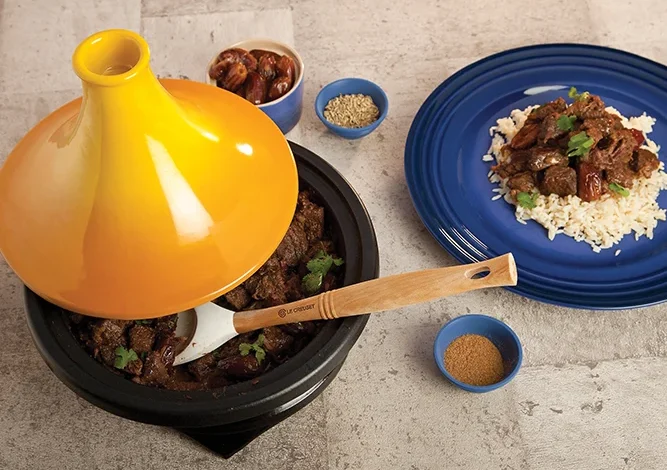
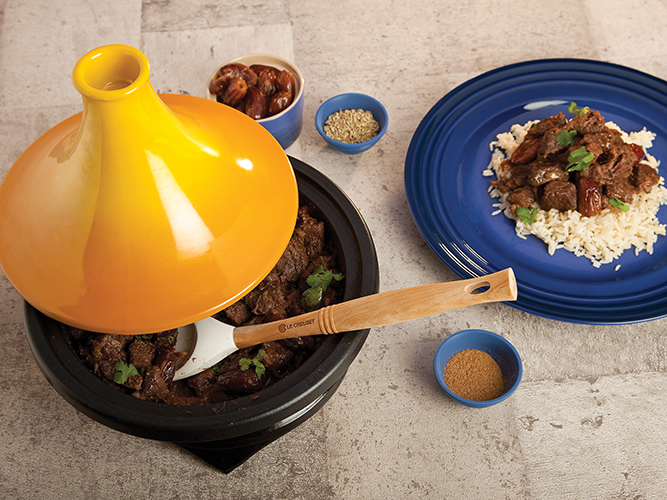
The essence of the Moroccan Lamb Tagine with Fennel and Dates lies in its unique cooking methodology, which relies on the physics of moisture circulation. The tagine vessel, characterized by its wide, shallow base and tall, conical lid, is designed to trap steam as it rises. As the steam hits the cooler upper reaches of the cone, it condenses and drips back down onto the ingredients, essentially self-basting the lamb over several hours. This process ensures that the meat, typically a tougher cut such as lamb shoulder or leg, reaches a state of succulent tenderness without the need for excessive added fats or liquids.
In the absence of a traditional clay tagine, culinary experts often recommend the use of a heavy-bottomed cast-iron Dutch oven, such as those manufactured by Le Creuset. The thermal mass of cast iron provides the consistent, gentle heat required to break down the connective tissues in the lamb. This transition from traditional earthenware to modern metallurgy highlights the adaptability of Moroccan cuisine, allowing these ancient flavors to be replicated in professional and domestic kitchens worldwide.
Chronology of Preparation and Cooking
The production of a Moroccan Lamb Tagine is an exercise in patience and precision, requiring a total time investment of approximately four hours. The process begins with a 30-minute preparation phase, during which the primary aromatics—red onion, garlic, and fennel—are cleaned and sliced. The fennel, in particular, serves a dual purpose: its bulb provides a structural vegetable component that softens during cooking, while its fronds offer a bright, anise-like finish.
Following the preparation, the cooking phase spans three hours and 30 minutes. The initial stage involves searing the lamb to trigger the Maillard reaction, a chemical process between amino acids and reducing sugars that gives browned food its distinctive flavor. Once the meat is browned, the heat is reduced to a minimum. The onions and garlic are softened, and the spices—typically a blend of cinnamon, ginger, turmeric, and black pepper—are toasted to release their essential oils.
The final three hours of the process are characterized by a gentle simmer. During this period, the dates begin to break down, releasing their sugars into the braising liquid to create a thick, glossy sauce that balances the earthy notes of the lamb and the sharpness of the fennel. This extended timeline is crucial; it is the duration of the cook that allows the various chemical compounds within the spices to meld into a cohesive flavor profile.
Nutritional Profile and Postpartum Implications
The inclusion of this recipe in the context of the Fourth Trimester Podcast underscores its significance in maternal health and postpartum recovery. Clinical nutritionists often advocate for lamb as a primary protein source for recovering mothers due to its high concentration of bioavailable iron and zinc. Postpartum anemia is a common concern, and the inclusion of red meat, slow-cooked to improve digestibility, provides a necessary boost to hemoglobin levels.
Fennel, a primary ingredient in this tagine, has been used for centuries as a galactagogue—a substance that promotes lactation. While contemporary scientific studies on fennel’s impact on breast milk production are ongoing, its high fiber content and anti-inflammatory properties are well-documented. Fennel contains anethole, a compound that can aid in digestion and reduce bloating, which is often a priority in the weeks following childbirth.
Dates serve as a concentrated source of energy, providing potassium, magnesium, and vitamin B6. For individuals in a state of physical recovery, these natural sugars provide a sustained energy release compared to processed sweeteners. The combination of high-quality protein, digestive aids, and energy-dense fruits makes this tagine a prototypical "healing food" in many cultures.
Global Market Trends and Cultural Context
The popularity of Moroccan lamb dishes in Western markets reflects a broader shift in consumer preferences toward Mediterranean and Middle Eastern cuisines. According to market research data from the specialty food industry, the demand for North African spice blends, such as Ras el Hanout and Harissa, has seen a 15% year-over-year increase in North America and Europe. This trend is driven by a growing consumer interest in "functional foods"—dishes that offer health benefits beyond basic nutrition.
Historically, the tagine is a staple of Berber culture in North Africa. The Moroccan variation of the dish is distinct for its "sweet and savory" (m’hmar and m’qualli) profiles, which were heavily influenced by the influx of ingredients during the spice trade era. The use of dried fruits with meat is a hallmark of Persian influence that traveled through the Arab world and settled in the Maghreb. Today, the Moroccan Lamb Tagine with Fennel and Dates stands as a culinary bridge between these ancient trade routes and modern wellness-focused diets.
Expert Perspectives and Culinary Analysis
Culinary historians note that the tagine is a masterclass in resourcefulness. By using tougher, less expensive cuts of meat and slow-cooking them with local vegetables and dried fruits, Moroccan cooks created a high-calorie, nutrient-dense meal that could feed a family with minimal fuel. Modern chefs, including those associated with the Le Creuset brand, have refined these techniques to emphasize the clarity of flavor.
"The secret to a successful tagine is the balance between the acidity of the onions, the richness of the lamb, and the sweetness of the dates," notes a source familiar with the recipe’s development. "If the heat is too high, the sugars in the dates will scorch, ruining the delicate balance of the spices. It requires a commitment to the ‘gentle heat’ philosophy."
Furthermore, the adaptability of the recipe to the "Instant Pot" or modern pressure cooker has sparked debate among traditionalists. While a pressure cooker can reduce the cooking time from 3.5 hours to approximately 45 minutes, many chefs argue that the rapid breakdown of fibers does not allow the same depth of flavor development as the traditional slow-simmer method.
Broader Implications for Modern Wellness
The Moroccan Lamb Tagine with Fennel and Dates is more than a meal; it is a reflection of a growing movement toward "slow living" and mindful consumption. In an era dominated by fast food and ultra-processed ingredients, the requirement of a four-hour cooking window encourages a return to the kitchen as a space of ritual and care.
From a public health perspective, the promotion of such dishes aligns with the Mediterranean diet’s principles, which have been linked to lower risks of cardiovascular disease and improved cognitive function. The emphasis on whole ingredients—unprocessed meat, fresh vegetables, and dried fruits—provides a blueprint for a diet that supports long-term health.
In conclusion, the Moroccan Lamb Tagine with Fennel and Dates is a testament to the enduring power of traditional cooking. Its combination of specific ingredients like fennel and dates with the slow-braising of lamb creates a dish that is nutritionally robust and culturally rich. Whether utilized as a tool for postpartum recovery or as a sophisticated dinner party centerpiece, the tagine remains a vital component of the global culinary repertoire, proving that some of the best solutions for modern health can be found in the ancient traditions of the past. As the culinary world continues to evolve, the tagine serves as a reminder that the most profound flavors are often those that are given the time to emerge slowly.
Related posts: