Why Sportsmanship Matters: Cultivating Character and Resilience in Youth Athletics

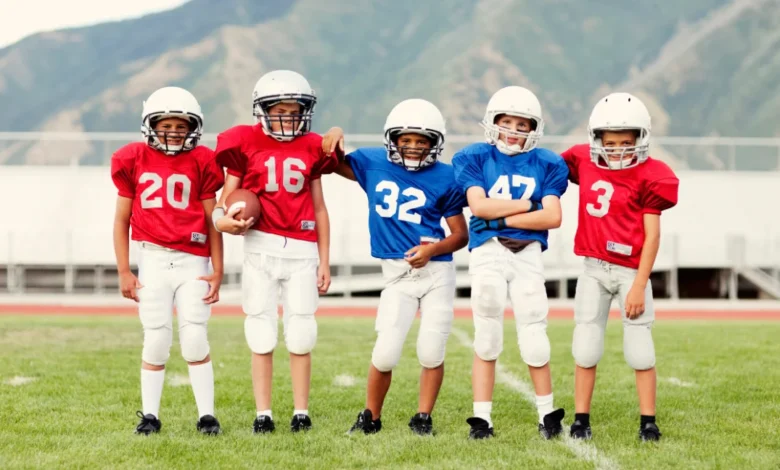
The landscape of youth sports has undergone a significant transformation, evolving from informal recreational activities into a highly organized and often intensely competitive sphere. Within this environment, the enduring importance of sportsmanship transcends mere adherence to rules; it represents a fundamental commitment to character development, emotional intelligence, and long-term resilience in young athletes. This article explores the multifaceted dimensions of sportsmanship, its critical role in shaping well-rounded individuals, and the indispensable influence of parental involvement in fostering these values.
The Evolving Landscape of Youth Sports and the Imperative for Character
For millions of children globally, youth sports serve as a foundational platform for physical activity, social interaction, and skill acquisition. Data from organizations such as the Aspen Institute’s Project Play indicates that approximately 60 million children and adolescents participate in organized sports in the United States alone. While the benefits of physical activity are widely recognized, the focus has increasingly shifted towards the broader developmental outcomes, particularly the cultivation of character traits that extend far beyond the playing field.
The contemporary youth sports ecosystem, characterized by early specialization, travel teams, and the aspirational pursuit of collegiate scholarships, has inadvertently amplified pressures on young athletes and their families. This intensified competitive environment, if not carefully managed, can inadvertently detract from the intrinsic joy of participation and the development of crucial social-emotional skills. Reports from the National Alliance for Youth Sports (NAYS) and other advocacy groups frequently highlight concerns regarding burnout, increased anxiety among young athletes, and declining participation rates as children enter adolescence, often attributed to excessive pressure and a win-at-all-costs mentality. In this context, sportsmanship emerges not as an optional accessory but as a critical antidote, re-centering the experience on growth, respect, and emotional well-being.
Foundational Principles: Beyond the Scoreboard
True sportsmanship in youth athletics encompasses a spectrum of behaviors and attitudes that prioritize personal growth, respect for all participants, and the integrity of the game. It is a holistic concept that goes beyond the post-game handshake, integrating principles such as emotional regulation, accountability, empathy, and respect for teammates, coaches, opponents, and officials. These qualities are not inherent but are meticulously learned and reinforced, primarily through consistent guidance from parents and coaches.
Research in developmental psychology underscores that children’s experiences in sports profoundly influence their moral reasoning and social behavior. A study published in the Journal of Sport and Exercise Psychology indicated that athletes exposed to positive coaching climates and parental encouragement of sportsmanship were more likely to exhibit prosocial behaviors, empathy, and ethical decision-making both on and off the field. Conversely, environments that overemphasize winning or tolerate aggressive behavior can inadvertently foster negative traits.
Key Strategies for Nurturing a Respectful and Resilient Athlete
Parents are arguably the most influential stakeholders in a child’s sports journey. Their approach to youth sports parenting directly shapes an athlete’s mindset, their ability to handle adversity, and their interactions with others. The following strategies, supported by best practices in sports psychology and youth development, provide a framework for cultivating a respectful and resilient athlete.
1. Shifting the Focus from Winning to Growth and Effort
While celebrating achievements is natural, the emphasis should strategically shift towards recognizing effort, perseverance, and incremental improvement rather than solely focusing on wins or losses. This approach aligns with Carol Dweck’s concept of a "growth mindset," where intelligence and abilities are seen as malleable and capable of development through dedication and hard work. When parents commend statements like, "I observed your consistent effort even when the team faced challenges," or "You maintained composure under pressure today," they reinforce the value of the process over the outcome. Wins and losses are transient, but a persistent focus on growth builds an athlete’s character and intrinsic motivation over time, contributing to long-term engagement and enjoyment.
2. Cultivating Teamwork as a Core Family Value
The essence of teamwork, a fundamental component of most sports, begins within the family unit. Parents can actively encourage their children to support teammates, offer assistance during practice, and acknowledge the contributions of others. By modeling gratitude for coaches, referees, and volunteers, parents set a crucial precedent. This involves applauding exceptional plays regardless of which team executed them, demonstrating an appreciation for skill and effort universally. Instilling the belief that the team’s collective success is as significant as individual achievement teaches selflessness and cooperation, vital traits for future collaborative environments.
3. Integrating Sportsmanship into Daily Life
Character development is an ongoing process that extends beyond the athletic arena. Everyday activities, such as board games, family competitions, or even video games, can serve as invaluable training grounds for practicing sportsmanship. These low-stakes environments allow children to experience winning humbly and losing graciously, providing opportunities to discuss the emotions associated with both outcomes. Guiding children to articulate disappointment without resorting to blame helps them develop emotional literacy and regulation skills, which are critical when facing the heightened pressures of competitive sports. This consistent practice at home reinforces the behaviors expected on the field.
4. Empowering Self-Advocacy in Young Athletes
A critical developmental milestone is teaching children to articulate their concerns respectfully and engage in problem-solving independently. When faced with issues like playing time disparities or coaching decisions, the parental instinct to intervene must be tempered. Instead, parents should guide their children through the process of self-advocacy. This might involve role-playing conversations or assisting them in drafting points they wish to convey. Such moments build crucial communication skills and foster a sense of agency, equipping young athletes with the confidence to navigate conflicts constructively throughout their lives. This approach cultivates a resilient athlete capable of respectful dialogue and problem-solving.

5. Countering the Blame Game with Accountability
Setbacks, perceived unfairness, and difficult losses are inherent aspects of athletic participation. When a child attributes negative outcomes to external factors such as officiating, weather conditions, or teammates, parents have an opportunity to redirect the focus. By gently shifting the conversation back to controllable elements—effort, attitude, and personal conduct—parents instill a sense of accountability. Posing questions like, "What actions could you consider differently next time?" encourages introspection and ownership. This simple yet powerful strategy is a cornerstone of character development in youth sports, teaching children to analyze their own contributions and learn from experiences.
6. Serving as an Emotional Anchor Post-Game
The post-game interaction between a parent and child significantly impacts the athlete’s emotional processing and self-perception. Irrespective of the game’s outcome, maintaining a calm, positive, and supportive demeanor is paramount. Critical performance reviews should be avoided unless initiated by the child. Instead, affirming statements such as, "I enjoyed watching you compete today," or "Your dedication on the field was evident," reinforce unconditional support. If the child expresses a desire to discuss mistakes or frustrations, active listening and empathetic questioning provide a safe space for processing. A parent’s steady presence helps young athletes internalize both triumphs and disappointments with honesty and emotional security.
7. Delineating Coaching Roles: Parent vs. Coach
Parental instruction from the sidelines, however well-intentioned, often proves counterproductive. It can distract children, undermine the authority of the designated coach, and escalate performance pressure. A fundamental aspect of positive youth sports parenting is modeling respectful sideline conduct. This entails cheering enthusiastically without offering tactical advice or critical commentary. This clear demarcation of roles allows children to focus on their coach’s instructions and develop independence on the field, fostering a more effective and less stressful learning environment.
8. Demonstrating Emotional Regulation in Practice
Children are highly observant of adult reactions, often mirroring the emotional responses they witness. If a parent reacts poorly to a tough loss or a questionable call, it is crucial to model accountability. Transparently acknowledging frustration and explaining a more appropriate response—"I felt frustrated and didn’t handle that moment well. A better approach would have been…"—provides a powerful lesson in emotional maturity. This form of transparent self-correction is an authentic method for parents to exemplify the resilient athlete mindset they hope to cultivate in their children.
9. Utilizing Media for Teachable Moments
Sports-related media, including movies, documentaries, and televised games, present excellent opportunities for discussions about character and sportsmanship. Pausing the action to ask open-ended questions like, "What qualities did that athlete demonstrate effectively?" or "How might their teammate have felt in that scenario?" facilitates conversations about empathy, accountability, and ethical behavior in a non-confrontational manner. These low-stakes discussions allow children to explore complex social dynamics and values without the direct pressure of personal involvement.
10. Prioritizing Enjoyment and Intrinsic Motivation
A common reason for youth sports attrition is the erosion of joy due to excessive pressure. Parents must remain attuned to their child’s enthusiasm. Indicators such as excitement for practice and visible enjoyment during play are crucial. If a child’s engagement wanes significantly, a reassessment may be necessary. Organizations like Michigan State University Extension highlight that sustained participation in youth sports is strongly correlated with enjoyment. Prioritizing fun not only keeps young athletes engaged but also forms the bedrock for long-term athletic development and positive life experiences.
Bonus Tip: Strategic Stepping Back and Reassessment
Even the most dedicated parents can inadvertently overstep. If a child expresses consistent frustration, anxiety, or a desire to withdraw from a sport, these signals warrant serious consideration. Sometimes, the most constructive action a parent can take is to pause, collectively re-evaluate goals, and explore the child’s true aspirations. Resilience in youth sports does not equate to never quitting; rather, it involves the discernment to know when to pivot, fostering self-awareness and confidence in decision-making. This empowers children to make choices that align with their well-being and long-term development.
Broader Implications and the Future of Youth Sports
The cultivation of sportsmanship in youth athletics carries profound implications that extend beyond individual development. On a societal level, fostering these values contributes to a more respectful and empathetic citizenry. The skills learned through positive sports experiences—teamwork, conflict resolution, emotional regulation, and ethical decision-making—are directly transferable to academic pursuits, future careers, and personal relationships.
Organizations such as the Positive Coaching Alliance (PCA) have consistently advocated for a shift from a "win-at-all-costs" culture to one that emphasizes "Double-Goal Coaching" – striving to win, but also striving to teach life lessons through sports. Their frameworks provide valuable resources for coaches and parents alike, reinforcing that the primary purpose of youth sports should be the holistic development of young people.
Furthermore, a renewed focus on sportsmanship can help mitigate some of the pervasive challenges in youth sports today, including the decline in volunteer coaches and referees who are often driven away by abusive sideline behavior from parents. By promoting respectful conduct from all stakeholders, the youth sports environment can become more inclusive, safer, and more enjoyable for everyone involved. The long-term impact of prioritizing character over competition is not merely creating better athletes, but fostering better individuals who are equipped to navigate the complexities of life with integrity and resilience.
Conclusion
Raising a respectful and resilient athlete demands patience, consistent modeling, and a steadfast commitment to a long-term vision that values character above competitive outcomes. By focusing on effort, personal growth, and the development of core human values, parents contribute to shaping not just proficient players, but exceptional human beings. The scores on the scoreboard will eventually fade from memory, but the enduring values and life skills imparted through the journey of youth sports will resonate and serve children throughout their entire lives.
Related posts: