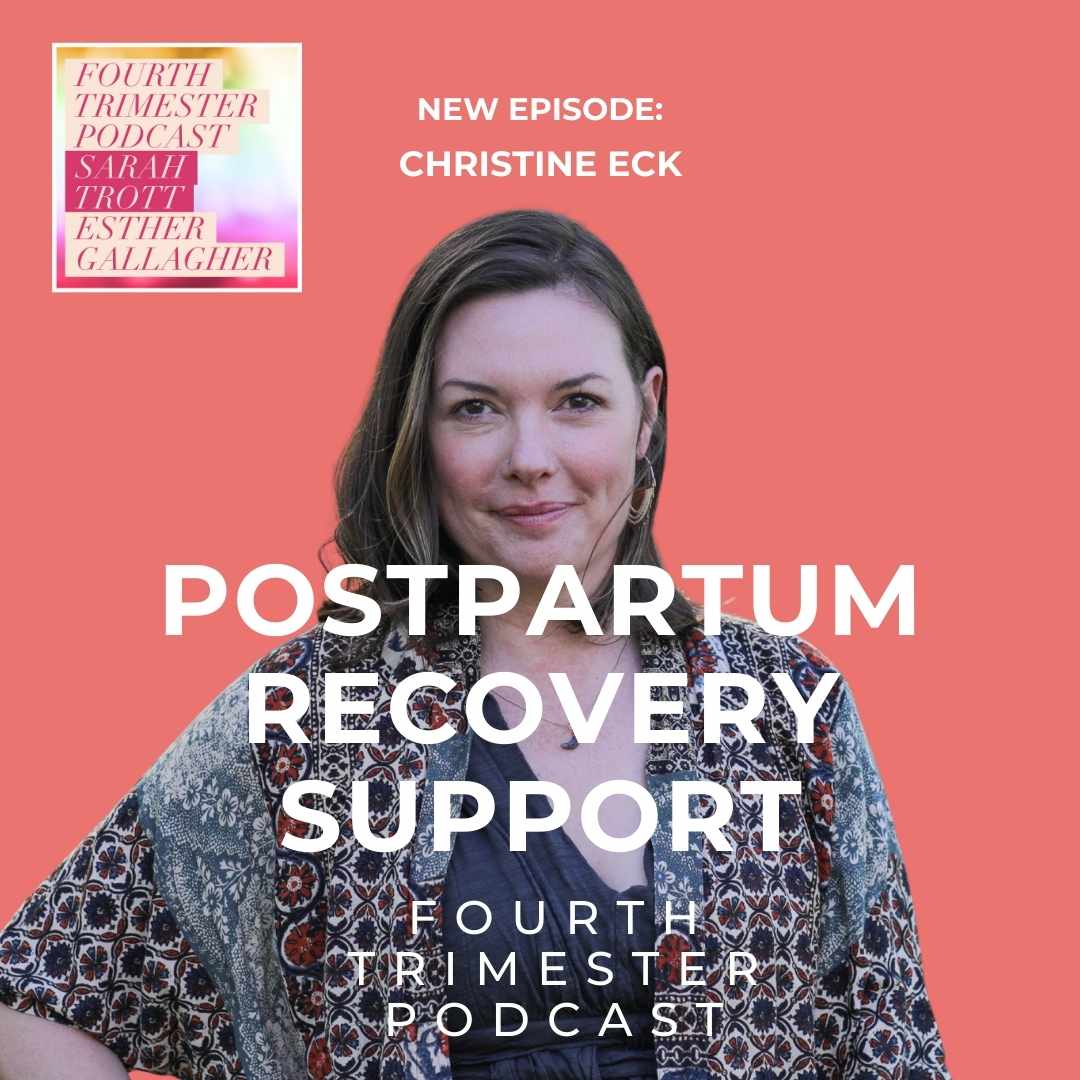
Fourth Trimester Podcast Episode 162: Postpartum Recovery Support Through Honoring the Sacred Window With Christine Eck


The critical transition from pregnancy to parenthood is receiving renewed attention as experts highlight the "fourth trimester" as a pivotal period for long-term maternal health. In the latest installment of the Fourth Trimester Podcast, hosts Sarah Trott and Esther Gallagher sit down with Christine Eck, the founder of the Center for Sacred Window Studies, to discuss a paradigm shift in how society approaches the weeks following childbirth. Central to this discussion is the concept of the "sacred window," a 42-day period rooted in the ancient Indian medical system of Ayurveda, which prioritizes restorative care, specific nutritional protocols, and community-based support to ensure the birthing person’s physical and emotional recovery.
The Foundational Concept of the Sacred Window
The "sacred window" refers to the first six weeks, or 42 days, after delivery. In the Ayurvedic tradition, this time is viewed as a unique physiological state where the body is exceptionally "open" and sensitive. According to Christine Eck, what happens during these six weeks can influence a person’s health for the next 40 years. This perspective stands in stark contrast to modern Western medical models, which often focus intensely on the 40 weeks of pregnancy and the hours of labor, but offer comparatively sparse support once the infant has arrived.
Eck’s journey into this field was born of personal necessity. After a challenging first postpartum experience characterized by a lack of resources and physical exhaustion, she sought a more sustainable framework for her subsequent births. This led her to Ayurveda, a 3,000-year-old system of holistic healing. Through the Center for Sacred Window Studies, Eck now trains postpartum doulas and caregivers globally, teaching them to view the fourth trimester not as a hurdle to be cleared, but as a foundational period for lifelong vitality.
A Chronology of Postpartum Recovery
The recovery process, when viewed through the lens of the sacred window, follows a specific chronological progression. This timeline is designed to move the birthing person from a state of total vulnerability to one of integrated strength.
- The First Seven Days (The Great Opening): Immediately following birth, the focus is almost entirely on rest and the initiation of lactation. Ayurveda suggests that the "digestive fire" (Agni) is low during this time, necessitating warm, liquid-based foods that require minimal energy to process.
- Weeks Two to Three (The Period of Stabilization): As the initial physical trauma of birth begins to heal, the focus shifts to nervous system regulation. This is often when "baby blues" might peak, making emotional support and consistent routines vital.
- Weeks Four to Six (The Strengthening Phase): During the latter half of the sacred window, the body begins to close its physical and energetic "gates." Nourishment becomes denser, and the birthing person may begin very gentle movements, though the emphasis remains on remaining "tucked in" and protected from external stressors.
Supporting Data: The Case for Enhanced Postpartum Care
The need for a structured approach like the one Eck advocates is supported by troubling maternal health statistics, particularly in the United States. According to the Centers for Disease Control and Prevention (CDC), approximately 700 women die each year in the U.S. from pregnancy-related complications, and more than 50% of these deaths occur in the postpartum period. Furthermore, postpartum depression (PPD) affects approximately one in eight women, though many experts believe this number is underreported due to social stigma.
Research indicates that cultures that practice "confinement" or structured postpartum support—such as the Chinese tradition of Zuo Yue Zi (sitting the month) or the Latin American Cuarentena—often report lower rates of postpartum mood disorders. These traditions share commonalities with the Ayurvedic sacred window: a 30- to 40-day period of rest, specific dietary restrictions, and the delegation of household chores to extended family or community members.
Ayurvedic Principles in Practice: Nutrition and Abhyanga
During the podcast, Eck emphasizes that postpartum support does not always require elaborate interventions; rather, it relies on the consistent application of simple, warming practices.
Nutritional Intervention:
Ayurvedic postpartum care prioritizes foods that are "Vata-pacifying." In Ayurveda, the postpartum state is characterized by an excess of Vata (the element of air and space), which can manifest as anxiety, dryness, and coldness. To counter this, Eck recommends:
- Warmth: Avoiding ice water and raw salads in favor of herbal teas and broths.
- Easy Digestibility: Soups, stews, and kitchari (a traditional rice and mung bean dish) are preferred to help the body divert energy toward tissue repair rather than heavy digestion.
- Healthy Fats: The use of ghee (clarified butter) and high-quality oils is encouraged to lubricate the tissues and support hormonal balance.
The Practice of Abhyanga:
One of the most accessible practices Eck shares is Abhyanga, or warm oil massage. In the postpartum context, this serves multiple purposes. It stimulates lymphatic drainage, aids in the reduction of edema (swelling), and provides a grounding sensory experience that calms the nervous system. When performed on the infant, it also fosters bonding and aids in the baby’s digestive health.
Addressing the Cultural Barrier: The Challenge of Asking for Help
A significant portion of the conversation between Eck, Trott, and Gallagher centers on the sociological barriers to postpartum recovery. In modern, individualistic societies, there is often an implicit pressure on new parents to "bounce back" and resume professional and social obligations shortly after birth.
Eck notes that asking for help is frequently viewed as a sign of weakness rather than a biological necessity. "The first 42 days after birth are not just about recovery," Eck states. "They are shaping something most parents don’t realize until much later." This "shaping" refers to the long-term endocrine and psychological health of the parent.
The podcast participants suggest that the burden of support should not fall solely on the individual parent to request, but on the community to offer. This involves a shift in "baby shower culture" from gifting infant clothing and toys to gifting postpartum doula services, meal trains, and household help.
Reactions and Professional Implications
The concepts presented by Eck have resonated with a growing movement of birth workers and maternal health advocates who argue that the current standard of care—often a single six-week postpartum checkup—is insufficient.
Medical professionals specializing in integrative health have noted that the Ayurvedic focus on gut health during the fourth trimester aligns with modern understandings of the "gut-brain axis." Since a significant portion of serotonin (a key mood-regulating neurotransmitter) is produced in the gut, the emphasis on easy-to-digest, nutrient-dense postpartum meals may have direct implications for preventing or mitigating postpartum depression and anxiety.
Furthermore, pelvic floor physical therapists often echo the Ayurvedic call for extended rest. The "sacred window" allows the pelvic ligaments and organs, which have been significantly displaced during pregnancy and birth, to settle without the added pressure of heavy lifting or high-impact exercise too soon.
Broader Impact: Creating a New Postpartum Culture
The discussion in Episode 162 of the Fourth Trimester Podcast serves as a call to action for families and policymakers alike. By highlighting the Center for Sacred Window Studies, the podcast brings attention to the professionalization of postpartum care. As more practitioners are trained in these ancient methods, the goal is to integrate these "low-tech, high-touch" interventions into the standard of care for all birthing people.
The long-term implications of honoring the sacred window extend beyond the individual family. Proponents argue that well-supported parents are better equipped to bond with their infants, leading to improved developmental outcomes for children. On a societal level, reducing the incidence of postpartum complications and mental health crises could lead to significant reductions in healthcare costs and improvements in workplace productivity when parents eventually return to their careers.
In conclusion, the conversation with Christine Eck underscores a vital truth: the health of a society is inextricably linked to how it treats its newest members and those who give birth to them. By reclaiming the 42 days of the sacred window, families can move away from a culture of depletion and toward a culture of deep, sustainable nourishment. As the Fourth Trimester Podcast continues to explore these fundamentals, the message remains clear: the period after birth is not a gap in care, but the very foundation upon which the future of the family is built.