Sustainable Headwear Maintenance: Professional Techniques for the Restoration and Long-term Preservation of Baseball Caps

The baseball cap, a ubiquitous staple of global fashion and functional sportswear, represents a significant segment of the accessory market, yet it remains one of the most improperly maintained items in the modern wardrobe. As consumers increasingly move toward "slow fashion" and sustainable garment care, the demand for effective, eco-friendly restoration techniques has reached a critical point. Maintaining the structural integrity and aesthetic quality of headwear not only extends the lifecycle of the product but also mitigates the environmental impact associated with textile waste and the manufacturing of replacement goods.
The Challenge of Headwear Hygiene and Preservation
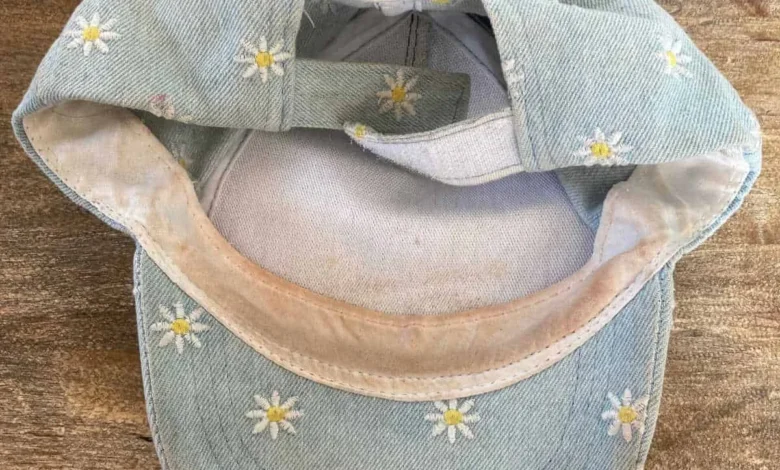
Baseball caps are subjected to a unique combination of environmental and physiological stressors. Unlike standard apparel, which primarily deals with environmental dust or skin contact, caps are designed to absorb perspiration from the forehead, endure direct ultraviolet radiation, and act as a barrier against wind, rain, and salt spray. For active users, particularly children and outdoor enthusiasts, these garments frequently become encrusted with a complex mixture of mineral sunscreens, organic sweat salts, sebum, mud, and sand.
Expert analysis from sustainability professionals, including Wendy Graham, a sustainability expert with a background in Environmental Geography and Environmental Sustainability, suggests that the failure to clean these items before long-term storage can lead to permanent fabric degradation. When organic matter and chemicals like sunscreen are left to sit in fabric fibers over several months, they can cause yellowing, weaken the structural fibers, and foster the growth of bacteria or mold.
Pre-Cleaning Assessment and Material Identification
Before embarking on a restoration project, a technical assessment of the garment’s composition is mandatory. The history of baseball cap manufacturing reveals a significant shift in materials that dictates cleaning limitations.

- Modern Synthetics and Cotton Blends: Most contemporary caps produced after the mid-1980s utilize a combination of cotton twill, polyester, or nylon. These materials are generally robust and can withstand submersion in water and mild chemical agitation.
- Wool and Protein-Based Fibers: High-end or professional-grade caps often feature wool. These require specialized care because protein fibers are susceptible to "felting" or shrinking when exposed to high heat or excessive agitation. Furthermore, oxygen-based bleaching agents, common in eco-friendly cleaning, can chemically dissolve or weaken wool fibers.
- Vintage Construction (Pre-1980s): The most critical distinction in cap maintenance is the internal stiffener of the brim. Prior to the 1980s, many manufacturers utilized cardboard or heavy paperboard to provide the brim its shape. Submerging these caps in water leads to the irreversible disintegration of the internal structure. Modern caps utilize plastic inserts, which are water-resistant and retain their shape after drying.
The Restoration Protocol: A Chronological Approach
For caps determined to be water-safe (plastic-brimmed cotton or synthetic blends), a systematic hand-washing approach is recommended over mechanical laundering. This process prioritizes the preservation of the cap’s "crown" shape and the "curve" of the brim.
Phase I: Preparation and Solutions
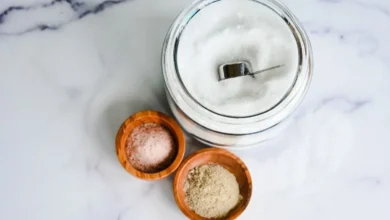
The restoration requires a basin of lukewarm water, a mild eco-friendly liquid detergent, and an oxygen-based whitener (sodium percarbonate). Oxygen bleach is preferred in sustainable cleaning as it breaks down into water, oxygen, and soda ash, providing a powerful oxidizing effect on organic stains without the environmental toxicity of chlorine bleach.
Phase II: Targeted Stain Treatment
Initial cleaning should focus on the sweatband—the interior rim of the cap—and the crown. Using a soft-bristled brush (such as a repurposed toothbrush), a concentrated solution of detergent should be worked into areas with visible salt lines or sunscreen buildup. This mechanical agitation breaks the surface tension of the oils, allowing the cleaning agents to penetrate deep into the weave.
Phase III: The Submersion Soak
The cap should be submerged in the prepared solution for a period of one to four hours. This "passive cleaning" phase allows the oxygen bleach to lift deeply embedded dirt and neutralize odors without the need for high-impact mechanical force. During this time, the water will often change color significantly as particulate matter is released from the fabric.
Phase IV: Rinsing and Structural Drying
After soaking, the garment must be rinsed thoroughly in cool, clean water until all soap residue is removed. Residual detergent can attract more dirt over time or cause skin irritation. To dry, the cap should be patted with a towel to remove excess moisture—never wrung or twisted—and placed over a head-shaped object (such as a balled-up towel or a dedicated hat form) to air dry. Direct sunlight should be avoided during the drying phase to prevent UV-induced fading of the damp fabric.

Analysis of Inefficient Cleaning Methods
Data from textile researchers and garment care experts highlight several "common wisdom" cleaning methods that are actually detrimental to the longevity of headwear.
The Washing Machine Risk
Mechanical washing machines, even on "delicate" cycles, subject garments to high-torque centrifugal forces. For a baseball cap, this agitation often leads to the warping of the plastic brim or the crushing of the reinforced front panels (the "buckram"). Once the internal stiffening material is bent or creased, it is nearly impossible to restore to its original factory specifications.
The Dishwasher Myth
A popular internet trend suggests cleaning caps on the top rack of a dishwasher. Journalistic investigation into this method reveals several flaws:
- Chemical Incompatibility: Dishwasher detergents are formulated with high alkalinity and enzymes designed to break down food proteins and fats on ceramic and metal. These chemicals are far too harsh for textile dyes and fibers, often leading to premature fading and "crunchy" fabric textures.
- Hygiene Concerns: From a public health perspective, introducing heavily soiled garments—laden with sweat, bacteria, and outdoor debris—into an appliance designed for food-contact surfaces is suboptimal.
- Temperature Regulation: Dishwashers often use high-heat drying cycles which can melt the plastic components of modern caps or cause significant shrinkage in cotton fibers.
Environmental Impact and Consumer Trends
The shift toward hand-restoration of accessories like baseball caps aligns with broader environmental goals. The textile industry is responsible for approximately 10% of global carbon emissions. By extending the life of a single cap by two or three seasons through proper maintenance, consumers directly reduce the demand for new polyester production—a petroleum-based process—and cotton farming, which is notoriously water-intensive.
Furthermore, hand-washing significantly reduces the release of microplastics into the wastewater stream. While synthetic caps do shed fibers, the lack of high-velocity agitation in a wash basin compared to a machine drum results in a lower volume of fiber detachment.

Professional Recommendations for Seasonal Care
To maintain a headwear collection effectively, experts suggest a dual-tiered maintenance schedule.
- Active Maintenance: Caps worn for athletic purposes or in high-heat environments should be spot-cleaned bi-weekly to prevent salt crystallization.
- End-of-Season Archiving: Before storing caps for the winter, a full deep-clean (as outlined in the restoration protocol) should be performed. This ensures that oils do not oxidize and "set" into the fabric over the off-season.
Conclusion
The restoration of a heavily soiled baseball cap is more than a household chore; it is a practical application of sustainable living and material science. By understanding the chemical and structural properties of their garments, consumers can bypass the "disposable" culture of modern fashion. The successful cleaning of a cap—removing months of accumulated environmental grime while preserving its form—serves as a case study in the efficacy of eco-friendly detergents and patient, manual care. As the fashion industry continues to face scrutiny over its environmental footprint, the responsibility for garment longevity increasingly rests with the informed consumer.