Understanding Hyperglycemia: Unpacking the Physiological Mechanisms Behind High Blood Sugar Symptoms


For individuals navigating the complexities of diabetes, or those at risk, the recurring lists of high blood sugar symptoms are a familiar sight. From the doctor’s office to countless online resources, these indicators – thirst, frequent urination, blurred vision, and slow-healing wounds – are widely disseminated. Yet, beyond mere recognition, a deeper understanding of why these symptoms manifest provides crucial insight into the body’s intricate response to elevated glucose levels. Hyperglycemia, the medical term for high blood sugar, is not merely a number on a meter; it is a systemic disruption that triggers a cascade of physiological events, each contributing to the characteristic signs that serve as vital warnings. This exploration delves into the underlying biological mechanisms, offering a comprehensive view of how sustained high glucose impacts various bodily functions and what these symptoms truly signify.
The Biological Basis of Hyperglycemia: When Glucose Accumulates
High blood sugar is the hallmark of all forms of diabetes, a condition affecting hundreds of millions worldwide. According to the International Diabetes Federation (IDF), an estimated 537 million adults (20-79 years) were living with diabetes in 2021, a number projected to rise to 643 million by 2030 and 783 million by 2045. This pervasive metabolic disorder arises when the body struggles to maintain normal blood glucose levels, a delicate balance orchestrated primarily by the hormone insulin. Produced by the pancreas, insulin acts as a key, unlocking cells to allow glucose – the body’s primary energy source derived from food – to enter and be utilized.
In Type 1 diabetes, the pancreas produces little to no insulin due to an autoimmune attack on its insulin-producing beta cells. Consequently, glucose remains trapped in the bloodstream, unable to fuel cells. In Type 2 diabetes, which accounts for the vast majority of cases, the body’s cells become resistant to insulin’s effects, or the pancreas doesn’t produce enough insulin to overcome this resistance. The result is the same: glucose accumulates in the blood, starving cells of necessary energy while simultaneously damaging tissues and organs. Prediabetes, a precursor to Type 2 diabetes, also involves elevated blood glucose, though not yet high enough for a full diabetes diagnosis, and often presents with no overt symptoms, highlighting the insidious progression of the condition.
Acute vs. Chronic Hyperglycemia: Immediate Warnings Versus Insidious Damage
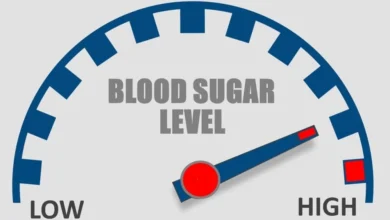
Understanding the definition of "high blood sugar" is critical. Generally, blood glucose is considered too high if it exceeds 130 mg/dL before a meal or 180 mg/dL two hours after eating. However, many of the more pronounced symptoms often don’t appear until levels consistently surpass 250 mg/dL. The manifestation of these symptoms can vary in onset; some are rapid, while others necessitate a prolonged period of elevated glucose. Individual sensitivity also plays a significant role, with some people experiencing symptoms more quickly or intensely than others.
Hyperglycemia can be categorized as acute or chronic. Acute hyperglycemia is typically short-lived, often triggered by factors such as a carbohydrate-rich meal, a missed medication dose, stress, or illness. While uncomfortable, its immediate effects are usually reversible once blood glucose levels are brought back into range. Chronic hyperglycemia, conversely, represents a state of persistently elevated blood glucose over an extended period. This often signifies undiagnosed diabetes or an inadequate existing treatment regimen. Chronic hyperglycemia is arguably the more dangerous form, as long-term exposure to high glucose has a toxic effect on the body’s tissues, leading to cellular damage that underpins many severe diabetes complications. Indeed, some symptoms are not just indicators of high glucose, but rather the visible aftermath of this ongoing cellular assault. Often, the onset of these symptoms is what prompts individuals with undiagnosed diabetes to seek medical attention, leading to their eventual diagnosis. Post-diagnosis, their reappearance signals a deviation from effective diabetes management.
The Cardinal Signs: Unpacking the "Polys"
Medical professionals often look for a classic trio of symptoms when suspecting diabetes: polyuria (excessive urination), polydipsia (excessive thirst), and polyphagia (excessive hunger). These "polys" are so indicative that any doctor hearing this combination will immediately reach for a blood glucose meter. However, many individuals experiencing these symptoms, especially before diagnosis, may not notice them immediately, partly because their onset can be gradual and partly due to a general lack of awareness about diabetes symptoms among the public.
-
Polyuria: The Kidney’s Overload and Dehydration Cycle.
The mechanism behind excessive urination is a complex, self-perpetuating chain reaction. It begins in the bloodstream, where high glucose concentrations exert an osmotic pull, drawing intracellular fluid from cells into the bloodstream. This is the body’s attempt to dilute the blood and normalize glucose concentration, initially leading to increased blood fluid volume and cellular dehydration. Concurrently, the kidneys, vital filters that remove waste and reabsorb essential fluids, face a critical challenge. When glucose concentration in the fluid entering the nephrons (the kidney’s filtering units) exceeds approximately 250 mg/dL – known as the renal threshold – the renal tubules lose their capacity to reabsorb water effectively. This triggers osmotic diuresis, a massive discharge of urine. Until blood glucose levels are normalized, the kidneys remain unable to conserve fluids. This dual action – cells releasing water into the bloodstream and kidneys uncontrollably flushing it out – results in runaway urination. For an adult, polyuria is clinically defined as exceeding 2.5 liters of urine per day (compared to a normal 1.5 liters). In severe cases of hyperglycemia, urine output can skyrocket to 15 liters (around 4 gallons) daily, comparable to the fluid loss seen in cholera, and in rare, extreme instances, up to 20-25 liters, representing nearly half the body’s total fluid volume. This profound dehydration is a primary driver of many other hyperglycemia symptoms, including polydipsia. -
Polydipsia: The Body’s Desperate Plea for Fluid.
Excessive thirst is a direct physiological response to the dehydrating effects of polyuria. The body’s intricate osmoreceptors, specialized cells located in the hypothalamus, constantly monitor blood concentration. When dehydration increases plasma osmolality (the concentration of solutes in the blood), these osmoreceptors activate the thirst response, compelling the individual to seek fluid intake. A common misconception among those experiencing early symptoms, particularly pre-diagnosis, is that increased drinking causes excessive urination. This misinterpretation often leads them to dismiss the polyuria, reasoning, "Well, I’ve been drinking a lot lately." Compounding this issue, many individuals reach for sugary beverages like soda when thirsty. These drinks not only further elevate blood glucose levels but also often contain caffeine, a mild diuretic that can exacerbate dehydration, particularly in non-regular consumers. -
Polyphagia: Cellular Starvation Amidst Abundance.
The paradox of excessive hunger in the presence of abundant blood glucose is a critical indicator of diabetes. Polyphagia primarily stems from the cells’ inability to access glucose due to insufficient or ineffective insulin. In Type 1 diabetes, hunger results from an absolute lack of insulin, meaning glucose cannot enter cells. In Type 2 diabetes, the issue often lies with insulin resistance, where cells fail to respond adequately to insulin, even if some is present. In both scenarios, the crucial glucose molecules remain in the bloodstream, unable to cross into cells to be used as fuel. The cells, starved of energy, signal hunger through complex hormonal pathways. Hormones like ghrelin, which stimulates appetite, may become more active, while leptin, which signals satiety, may exhibit resistance, especially in Type 2 diabetes, leading to a persistent feeling of hunger. The body’s cells are effectively "starving in the land of plenty." This can create a detrimental cycle where eating to quell hunger further elevates blood glucose. Choosing low-glycemic, high-fiber foods is crucial to manage this hunger without worsening hyperglycemia.
Beyond the Classics: A Spectrum of Systemic Effects
The impact of high blood glucose extends far beyond the "polys," affecting virtually every system in the body.
-
Unexplained Weight Loss: The Body Consuming Itself.
Despite increased hunger, individuals with chronically high blood glucose often experience unexplained weight loss. This phenomenon has three primary drivers. First, the excessive urination of polyuria leads to significant fluid loss and dehydration, contributing to a rapid initial drop in body weight, particularly noticeable in new-onset Type 1 diabetes. Second, insufficient insulin forces the body into a catabolic state, breaking down its own fat and muscle tissues to generate energy, leading to substantial and unhealthy weight reduction. Third, excess glucose is excreted directly in the urine (glycosuria) once the renal threshold is exceeded, resulting in a caloric loss that contributes to weight reduction. A severe and dangerous eating disorder known as "diabulimia" involves individuals with Type 1 diabetes intentionally reducing or omitting insulin doses to induce weight loss, leading to life-threatening complications like diabetic ketoacidosis (DKA), severe nerve damage, and organ failure. Unexplained weight loss, especially coupled with increased hunger, thirst, or fatigue, demands immediate medical attention as a potential sign of uncontrolled diabetes. -
Increased Susceptibility to Infections: Compromised Defenses.
High blood glucose creates an environment conducive to bacterial and yeast overgrowth. Both microorganisms thrive on glucose, making individuals with diabetes more prone to infections. Urinary tract infections (UTIs) and yeast infections are particularly common, especially among women with diabetes, who are reportedly three times more likely to have asymptomatic bacteriuria than non-diabetic women. Chronic yeast infections, for example, are frequently observed in women with persistently high blood glucose, likely due to the abundant glucose supply. UTIs are more complex, with hyperglycemia contributing in multiple ways beyond providing glucose-rich urine. Long-term elevated glucose can cause neuropathy (nerve damage) that affects the bladder’s ability to fully empty, leaving residual urine that serves as a perfect bacterial culture medium. Furthermore, reduced blood circulation, a complication of high glucose, impairs the timely delivery of infection-fighting white blood cells (leukocytes) to affected areas. Hyperglycemia also directly hinders phagocytosis, the process by which leukocytes engulf and destroy bacteria, further compromising the immune response. -
Impaired Wound Healing: A Pathway to Severe Complications.
The slow healing of cuts and wounds is a critical concern in diabetes. Neutrophils, the immune system’s most common type of leukocyte, are particularly vulnerable to high glucose levels. Elevated blood sugar impairs neutrophil function by reducing their ability to adhere to blood vessel linings (endothelium), disrupting chemotaxis (directing them to infection sites), and hindering their phagocytic activity. Adequate oxygen is paramount for wound healing, but high blood glucose can lead to peripheral vascular disease, narrowing blood vessels and reducing oxygen delivery to tissues. Diabetic neuropathy also causes loss of sensation, making individuals less aware of injuries, delaying treatment, and allowing wounds to worsen. This impaired healing creates a dangerous trajectory: minor wounds can progress to serious infections like cellulitis, which can then lead to tissue necrosis (tissue death). If necrosis extends to bone, amputation often becomes necessary. According to the CDC, approximately 73,000 non-traumatic lower-limb amputations were performed in adults aged 20 or older with diagnosed diabetes in the U.S. in 2010, highlighting the severe consequences of unmanaged wounds. -
Skin Manifestations: More Than Just Dryness.
Dry, itchy skin is a common and often irritating symptom of high blood glucose, resulting from several interconnected factors. Dehydration due to excessive urination directly depletes skin cells of moisture. Poor blood circulation, caused by glucose-induced changes in small blood vessels, particularly affects the lower legs and feet, leading to dry, itchy skin. Nerve damage (neuropathy) can impair sweat gland function, reducing the skin’s natural moisturizing mechanism. Additionally, diabetic dermopathy, characterized by light brown, scaly patches (often on the shins), is unique to diabetes and reflects changes in small blood vessels. While generally harmless, these patches serve as visible markers of diabetes-related skin changes. Other skin conditions like acanthosis nigricans (darkening and thickening of skin folds) can also be indicators of insulin resistance. Irritated or itchy skin is more vulnerable to infection, underscoring the importance of meticulous skin care, effective blood glucose management, and regular monitoring for changes. -
Ocular Impacts: From Blurry Vision to Retinopathy.
Blurred vision from acute hyperglycemia is primarily an osmotic effect. The body’s attempt to dilute high blood glucose by pulling fluid from cells, including those in the eyes, causes the lens to swell and temporarily alter its shape. This transient warping impairs the eye’s ability to focus, a condition that typically resolves as blood glucose levels normalize. However, chronic high blood sugar poses a far greater threat, leading to diabetic retinopathy, a progressive damage to the blood vessels in the retina that can severely impair vision and ultimately cause blindness. Studies indicate that retinopathy is present in a significant percentage of individuals at the time of Type 2 diabetes diagnosis, ranging from 6.9% to 17.2%. This prevalence is attributed to the often-extended period of elevated blood glucose before Type 2 diabetes is diagnosed. Consequently, the American Diabetes Association recommends an initial dilated and comprehensive eye exam shortly after a Type 2 diabetes diagnosis to detect early retinal changes and establish a baseline for ongoing monitoring. Other ocular complications, such as cataracts and glaucoma, are also more prevalent in individuals with diabetes. -
Cognitive and Neurological Disruptions: Brain Under Siege.
Acute hyperglycemia can induce headaches and difficulty concentrating, largely due to cellular energy deprivation. Despite glucose abundance in the blood, cells, including brain cells, may be unable to utilize it effectively due to insulin resistance or deficiency. The brain, consuming about 20% of the body’s glucose despite representing only 2% of body weight, is highly sensitive to fluctuations in its fuel supply. When brain cells are deprived, cognitive function suffers, leading to problems with thinking, reasoning, memory, focus, and headaches. Chronic high blood glucose can also cause headaches through nerve damage, such as occipital neuralgia (irritation of occipital nerves) or diabetic mononeuropathy affecting cranial or peripheral nerves. It’s important to note that hypoglycemia (low blood sugar) can also cause similar symptoms, as rapid drops in glucose trigger hormonal responses that constrict blood vessels in the brain. -
Persistent Fatigue: The Energy Drain.
Fatigue is a pervasive symptom when blood glucose is high, stemming from the body’s inefficient storage and utilization of glucose. Cells are deprived of the energy they need, leading to a systemic lowering of physical energy. This cellular energy deficit is compounded by sleep disruption caused by frequent nocturnal urination. Virtually all symptoms of high blood glucose can contribute to a profound sense of exhaustion. This fatigue often creates a vicious cycle: exhausted individuals may seek quick energy boosts from high-carbohydrate snacks, further elevating blood glucose and exacerbating the problem. -
Gastrointestinal Distress: Neuropathy’s Reach.
Both chronic constipation and chronic diarrhea can be manifestations of high blood glucose, affecting different segments of the gastrointestinal tract. Diabetic autonomic neuropathy (DAN), nerve damage caused by elevated glucose, can affect the enteric nervous system – the gut’s "command and control" system. When DAN impacts the small intestine, it can lead to motility dysfunctions, delaying gastric emptying (gastroparesis) and causing fluid stagnation. This stagnation creates an ideal environment for bacterial overgrowth, resulting in bloating, abdominal pain, and chronic diarrhea, which affects up to 5% of individuals with diabetes. Conversely, when nerve damage slows waste movement through the large intestine, excessive water absorption occurs, leading to dried-out stool and constipation, seen in up to 25% of diabetic individuals. Some diabetes medications, such as metformin, can also cause diarrhea, while other medications like narcotic painkillers, certain antidepressants, and calcium channel blockers, along with dehydration from polyuria, can worsen constipation. -
Erectile Dysfunction: A Complex Interplay of Systems.
Erectile dysfunction (ED), the difficulty in maintaining an erection, is a common and distressing complication of high blood glucose. Studies indicate that approximately 52.5% of men with diabetes experience ED, with rates higher in Type 2 (66.3%) than Type 1 (37.5%) diabetes. A healthy erection relies on a complex interplay of proper nerve function, adequate blood flow, balanced hormones, and sexual stimulation. High blood sugar can disrupt these processes in three main ways:- Hormonal: Elevated glucose impairs the production of nitric oxide, a crucial vasodilator that initiates the chain reaction for blood vessel relaxation and penile blood flow.
- Vascular: Diabetes-related damage to blood vessels, including atherosclerosis, reduces the ability of arteries supplying the penis to dilate properly, impeding blood flow into the corpora cavernosa.
- Neurologic: Autonomic neuropathy, a form of nerve damage from high blood glucose, can affect both sensation and the nerve signals essential for an erection.
Compounding these issues, several common medications, such as beta-blockers and diuretics for high blood pressure, and some antidepressants, can interfere with vasodilation. Lifestyle factors like smoking, which narrows blood vessels, and high cholesterol, contributing to arterial plaque buildup, also increase ED risk. While medications like sildenafil (Viagra) and tadalafil (Cialis) can help by counteracting nitric oxide loss, their effectiveness may be reduced in diabetic men due to the multifactorial nature of ED in this population, often involving significant nerve damage alongside vascular and hormonal issues.
-
Mood Alterations: The Emotional Toll.
The mood-altering effects of high blood glucose are well-documented by research and often recognized by the loved ones of individuals with diabetes. Acute hyperglycemia impairs cognitive performance and can significantly alter mood states, leading to increased irritability, anxiety, and decreased mental efficiency. Chronic hyperglycemia is also strongly associated with a higher risk of depression and overall cognitive decline. The exact biological mechanisms behind these emotional responses are still being fully elucidated, but theories range from the brain’s acute dependence on a stable glucose supply for energy, leading to rapid mood changes with glucose fluctuations, to more complex interactions involving neurotransmitter balance, nerve conduction velocity, and intricate hormonal-protein relationships. When considering the cumulative burden of other symptoms – the constant thirst and urination, infections, slow-healing wounds, itchy skin, blurred vision, headaches, fatigue, and gastrointestinal distress – it becomes clear why irritability and emotional distress are frequently reported, underscoring the profound impact of hyperglycemia on mental well-being.
The Broader Impact: Societal and Personal Costs
The pervasive nature and systemic effects of hyperglycemia underscore the significant societal and personal costs associated with uncontrolled diabetes. Beyond individual suffering, diabetes places an enormous burden on healthcare systems globally. Complications arising from chronic hyperglycemia – including kidney failure, heart disease, stroke, blindness, and amputations – are leading causes of morbidity and mortality. These complications often require extensive, long-term medical care, including dialysis, cardiovascular procedures, and specialized wound care, draining resources and diminishing quality of life. The economic impact includes direct medical costs, lost productivity due to disability, and premature mortality. Organizations like the World Health Organization (WHO) and the CDC continually emphasize the urgent need for effective prevention, early diagnosis, and comprehensive management strategies to mitigate this growing public health crisis.
Proactive Management: Reclaiming Control
While the intricate causes behind the symptoms of high blood glucose are scientifically fascinating, their ultimate value lies in the urgent message they convey: blood glucose levels are too high and require intervention. These symptoms are critical warning signs that, if ignored, can lead to irreversible damage and severe complications over time. The good news, however, is that individuals possess the power to alleviate these symptoms and prevent their recurrence by actively managing their blood sugar.
Effective diabetes management is a collaborative effort involving a dedicated healthcare team. Regular monitoring of blood glucose, often with the aid of home meters or continuous glucose monitoring (CGM) systems, is paramount to track levels and identify trends. Lifestyle interventions, including adopting a balanced, low-glycemic diet and engaging in regular physical activity, are foundational. For many, medication – whether oral agents or insulin – is a necessary component of treatment. Regular check-ups with an endocrinologist, certified diabetes educator (CDE), dietitian, ophthalmologist, and podiatrist are crucial for ongoing monitoring, medication adjustments, and early detection of complications. Family support also plays a vital role in fostering adherence to treatment plans and promoting healthy habits. By utilizing available tools, adhering to medical advice, and actively participating in their care, individuals can bring their blood glucose into target range, reverse many acute symptoms, and significantly reduce the risk of long-term complications, thereby reclaiming control over their health and well-being.
Conclusion: A Call for Vigilance and Empowerment
Hyperglycemia is more than just a medical term; it is a complex physiological state with profound implications for human health. The array of symptoms it produces, from the classic "polys" to subtle neurological and dermatological changes, are the body’s urgent signals of distress. Understanding the "why" behind these symptoms empowers individuals to recognize the early warnings, seek timely medical intervention, and engage proactively in their diabetes management. In a world where diabetes prevalence continues to rise, vigilance, education, and consistent adherence to treatment protocols are not just recommendations but necessities for safeguarding health and preventing the devastating long-term consequences of uncontrolled high blood sugar.
Related posts: