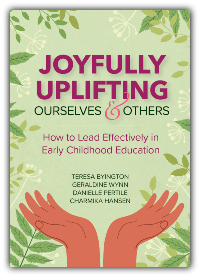
Joyfully Uplifting Ourselves and Others: Strategies for Cultivating a Thriving Early Childhood Education Workforce


In the high-pressure environment of early childhood education (ECE), where the stakes involve the developmental foundations of the next generation, the internal culture of a center often dictates the quality of care provided. Recent industry data indicates that the ECE sector faces a critical turnover crisis, with annual staff attrition rates often exceeding 30% in many regions. As leaders in early childhood programs grapple with this instability, the consensus among organizational psychologists and education experts is shifting: creating an uplifting, supportive workplace is no longer an optional "soft skill" but a fundamental operational necessity. Strategies outlined in the pedagogical resource Joyfully Uplifting Ourselves and Others provide a framework for administrators to mitigate burnout, retain talent, and ultimately enhance outcomes for children and families.
The Correlation Between Workplace Culture and Educational Outcomes
The professional landscape of early childhood education has shifted significantly since the onset of the global pandemic. In 2020 and 2021, the sector faced unprecedented challenges, including staff shortages, fluctuating enrollment, and increased health safety protocols. These stressors compounded existing issues such as low compensation and limited institutional support. According to longitudinal studies by the Center for the Study of Child Care Employment (CSCCE), there is a direct, quantifiable link between teacher well-being and the quality of classroom interactions. When educators feel undervalued or unsupported, the "emotional labor" required to maintain a positive classroom environment becomes unsustainable, leading to the high turnover rates that currently destabilize the industry.
The implementation of supportive leadership strategies acts as a buffer against these systemic pressures. By fostering a sense of belonging and agency, administrators can transform the workplace from a high-stress environment into a professional community where educators feel empowered to perform at their best.
Chronology of the Shift Toward Relational Leadership
For decades, the standard model of early childhood management focused primarily on regulatory compliance, health and safety standards, and curriculum adherence. However, a significant pivot occurred in the early 2020s as industry leaders recognized that administrative success was predicated on human capital retention.

- 2018–2019: Pre-pandemic focus remained on standardized assessment and licensing requirements, with limited emphasis on educator mental health.
- 2020–2021: The "Great Resignation" hit the childcare sector harder than most, forcing directors to re-evaluate retention strategies as labor supply plummeted.
- 2022–2023: A new emphasis on "trauma-informed leadership" emerged, borrowing concepts from psychological research to support staff emotional health.
- 2024–Present: Integration of structured "uplifting" practices—intentional onboarding, gratitude-based management, and strength-based development—has become a hallmark of high-performing early childhood programs.
Essential Strategies for Organizational Transformation
Modern leadership in this sector requires a departure from hierarchical management toward a more collaborative, human-centric approach. Experts suggest five core pillars for transforming the workplace culture.
1. The Onboarding Experience as a Foundation
The employee experience begins long before the first day of instruction. Industry standards suggest that an effective onboarding process reduces early-stage turnover by as much as 40%. A "warm welcome" is a tangible expression of organizational values. Practical applications include utilizing "Get to Know You" profiles to understand individual motivations, assigning an experienced "onboarding buddy" to facilitate integration, and incorporating community-based gestures, such as welcome cards signed by the entire staff. These actions signal to new hires that they are joining a cohesive team rather than simply filling a vacancy.
2. Institutionalizing Gratitude
Gratitude is not merely a social courtesy; it is a management tool that reinforces positive behavior. When leaders consistently acknowledge specific contributions, they create a feedback loop that sustains motivation. Directors in various urban centers have reported that implementing "appreciation boards" or dedicated "shout-out" segments during staff meetings significantly improves morale. By formalizing these moments, leaders ensure that appreciation is distributed equitably and consistently, preventing the perception of favoritism and fostering a collective sense of purpose.
3. Leveraging Individual Strengths
Traditional management often fixates on correcting deficiencies. Conversely, high-impact leadership focuses on identifying and highlighting the unique gifts each educator brings to the classroom. When a director provides an educator with the autonomy to lead a professional development session or spearhead a classroom initiative based on their specific strengths, it fosters professional growth. This approach shifts the dynamic from task-based supervision to capacity building, encouraging staff to view themselves as essential contributors to the center’s broader mission.
4. Fostering Open Communication and Psychological Safety
Psychological safety—the belief that one will not be punished or humiliated for speaking up with ideas, questions, or mistakes—is the cornerstone of an innovative team. In the context of early childhood education, this involves creating a space where teachers feel comfortable discussing the challenges they face without fear of judgment. As noted by organizational psychologist Adam Grant, maintaining an "open heart" is a prerequisite for discovery. Leaders who practice active listening and demonstrate flexibility regarding work-life balance are more likely to retain staff who feel both respected and heard.
5. Ritualizing Celebration and Kindness
Small, consistent gestures—such as recognizing work anniversaries, birthdays, or personal milestones—can break the monotony of the academic calendar and create a rhythm of joy within the center. These acts of kindness have a ripple effect; when a director models this behavior, staff members are significantly more likely to extend similar grace and support to their colleagues. This creates a sustainable culture of mutual support that can withstand the stresses of daily operations.
Implications for the Future of Childcare
The implications of these leadership strategies extend far beyond staff retention. When educators are supported, they are better equipped to provide the high-quality, responsive care that young children require for healthy development.
Fact-based analysis suggests that centers prioritizing these "uplifting" practices see higher scores on standardized quality assessments, such as the Early Childhood Environment Rating Scale (ECERS). Furthermore, the financial impact of reduced turnover is significant; the cost of replacing an educator—including recruitment, onboarding, and training—is estimated to range between 20% and 50% of the employee’s annual salary. By investing in a culture that values the individual, directors not only improve the daily lives of their staff but also ensure the long-term financial viability and educational efficacy of their institutions.
Conclusion
The challenge for the modern early childhood leader is to balance the rigorous demands of regulatory and pedagogical standards with the equally critical need to nurture the human beings responsible for teaching children. As explored in Joyfully Uplifting Ourselves and Others, the path forward is not found in complex bureaucracy, but in the intentional application of empathy, appreciation, and professional respect. By treating the workforce as the center’s most valuable asset, leaders can foster a professional environment that is resilient, collaborative, and deeply committed to the success of every child in their care. As the sector continues to evolve, the leaders who successfully integrate these relational strategies will be the ones who define the future of early childhood education.