Navigating Baby’s First Year: A Comprehensive Guide to Feeding Schedules from 6 to 12 Months


The transition to solid foods is a significant milestone for infants, marking a crucial phase in their development. For parents and caregivers, this period can also bring a whirlwind of questions regarding feeding schedules, milk intake, and the gradual introduction of new textures and tastes. The first year of a baby’s life, from six to twelve months, is characterized by rapid growth and evolving nutritional needs. Establishing a balanced feeding routine that integrates breast milk or formula with solid foods, while also accommodating sleep patterns, is essential for a baby’s well-being and development. This guide offers a detailed look at recommended feeding schedules, offering practical advice and insights for parents navigating this exciting yet complex stage.
Understanding the Shift from Milk to Solids
For the first six months of life, breast milk or infant formula serves as the sole source of nutrition for babies. As they approach their half-year mark, most infants begin to show developmental readiness for solids, including the ability to sit upright with support and maintain head control. This readiness signals the beginning of a gradual transition where solid foods will increasingly complement, and eventually surpass, milk as the primary source of nutrients.
The Importance of a Structured Feeding Schedule
While flexibility is key, a structured feeding schedule provides a framework that supports a baby’s nutritional needs and developmental milestones. Experts emphasize that a consistent routine helps prevent overfeeding, reduces the likelihood of a baby refusing solids due to excessive hunger, and fosters a positive relationship with food. Without a predictable pattern, babies may become overly reliant on milk, hindering their willingness to explore and consume solid foods.
"Without at least a general routine, you run the risk of overfeeding your baby, having a baby that refuses solids, or having a hangry baby that’s too frustrated to eat," explains Edwena Kennedy, RD, founder of My Little Eater and a pediatric registered dietitian. "Offering food too often can result in the first two outcomes – overeating or having no appetite for solids, just milk. And not offering foods often enough results in a frustrated baby that is too hangry to eat."

This routine is not about rigid adherence but about creating a predictable rhythm that allows babies to develop healthy eating habits. It ensures they are offered solids when they are appropriately hungry, not so ravenous that they become frustrated, nor so full from milk that they lack interest.
Feeding Schedules by Age: A Developmental Approach
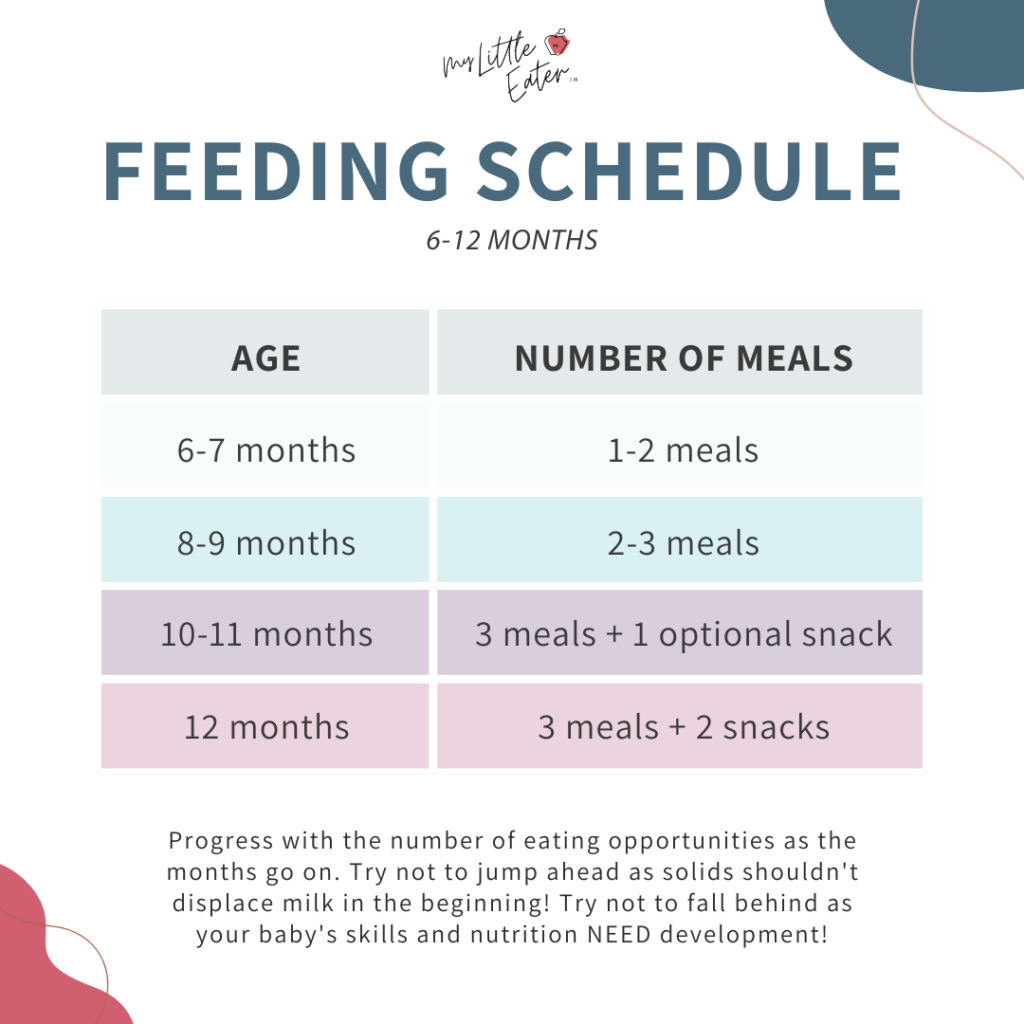
The introduction and progression of solid foods are closely tied to a baby’s age and developmental stage. The following sample schedules provide a general guideline, emphasizing that individual babies will have unique needs and that parental observation of hunger and fullness cues is paramount.
6-7 Months: The Introduction Phase
At this initial stage of introducing solids, typically around six months, babies usually require one to two solid meals per day. Breast milk or formula remains the primary source of nutrition, with daily intake generally ranging from 28 to 32 ounces. Solid food meals are ideally offered about 30 minutes to 1.5 hours after a milk feeding to ensure the baby is hungry enough to engage with the new foods.
A sample schedule for this age group might look like this:
- 6:30/7:00 AM: Wake up and Milk Feed
- 7:30/8:30 AM: Breakfast (Solid Meal)
- 9:00/9:30 AM: Nap
- 10:00/10:30 AM: Milk Feeding
- 12:00/1:00 PM: Milk Feeding
- 1:00/1:30 PM: Nap
- 2:30/3:30 PM: Milk Feeding
- 5:00/5:30 PM: Milk Feeding
- 6:00/6:30 PM: Supper (Solid Meal)
- 7:30/8:00 PM: Milk Feed and Bedtime
8-9 Months: Expanding Palates and Textures
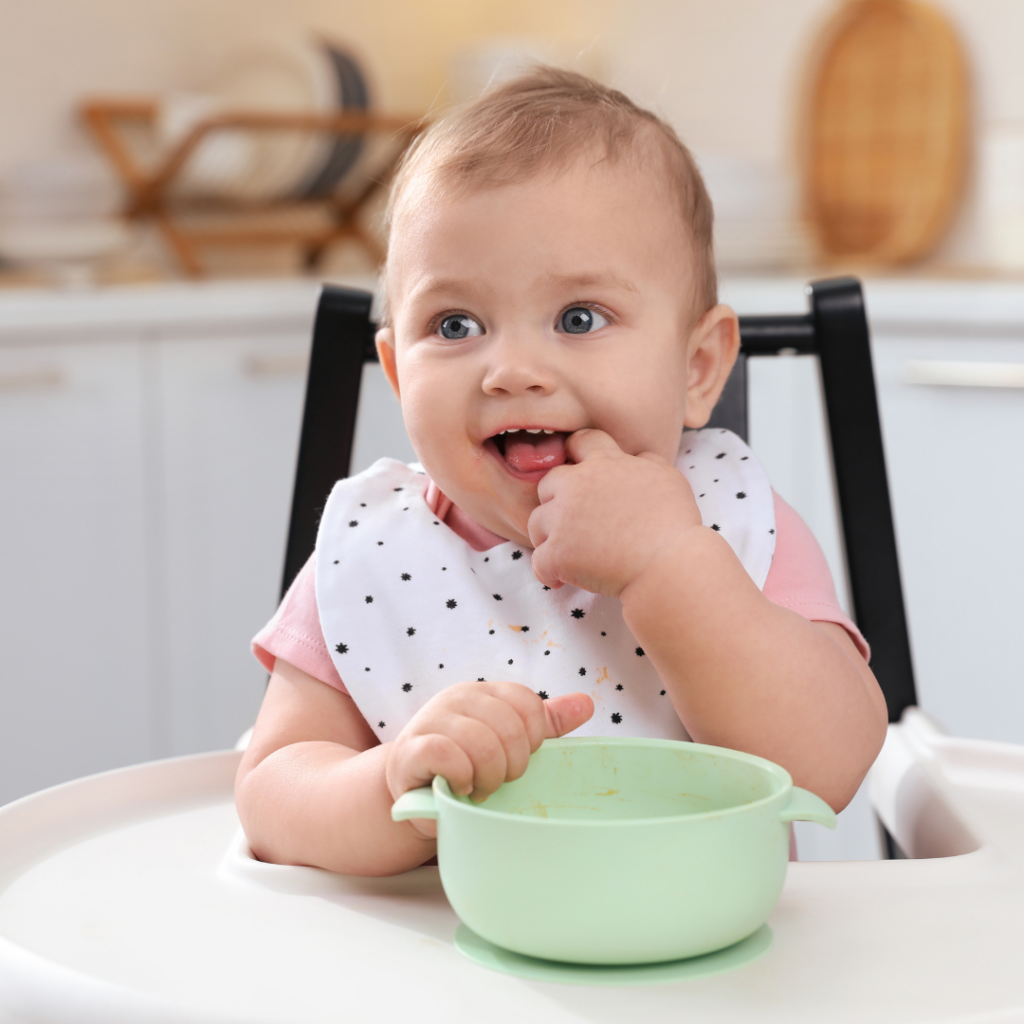
As babies become more comfortable with solids, the number of meals can increase to two to three per day. Milk intake may slightly decrease, typically falling between 24 to 32 ounces daily. This is also a crucial period for introducing a wider variety of food textures, including those that encourage chewing and further develop eating skills. Some families may also begin exploring baby-led weaning approaches at this stage.
A sample schedule for 8-9 months:
- 6:30/7:00 AM: Wake up and Milk Feed
- 7:30/8:30 AM: Breakfast (Solid Meal)
- 9:00/9:30 AM: Nap
- 10:00/10:30 AM: Milk Feeding
- 11:30/12:00 PM: Lunch (Solid Meal)
- 12:30/1:00 PM: Milk Feeding
- 1:00/1:30 PM: Nap
- 2:30/3:30 PM: Milk Feeding
- 5:00/5:30 PM: Supper (Solid Meal)
- 7:30/8:00 PM: Milk Feed and Bedtime
10-11 Months: Approaching Toddlerhood
By 10 to 11 months, babies are typically consuming three solid meals per day, with the addition of one to two snacks. Milk intake further reduces, generally ranging from 18 to 24 ounces daily. At this age, many babies can begin to eat modified versions of family meals, provided choking hazards are carefully managed.
A sample schedule for 10-11 months:

- 6:30/7:00 AM: Wake up and Milk Feed
- 7:30/8:30 AM: Breakfast (Solid Meal)
- 9:00/9:30 AM: Nap
- 10:00/10:30 AM: Snack
- 10:30/11:00 AM: Optional Milk Feed
- 12:30/1:00 PM: Lunch (Solid Meal)
- 1:00/1:30 PM: Nap
- 2:30/3:30 PM: Milk Feeding
- 5:00/5:30 PM: Optional Milk Feed
- 6:00/6:30 PM: Supper (Solid Meal)
- 7:30/8:00 PM: Milk Feed and Bedtime
11-12 Months: The Transition to Toddler Eating
As babies approach their first birthday, they often move towards three solid meals and one to two snacks per day. Milk feeds continue to decrease, with daily intake typically between 12 to 24 ounces. This stage is critical for ensuring babies are gaining sufficient practice with solids to make them their primary source of nutrition by 12 months.
A sample schedule for 11-12 months:

- 6:30/7:00 AM: Wake up and Milk Feed
- 7:30/8:30 AM: Breakfast (Solid Meal)
- 9:00/9:30 AM: Nap
- 10:00/10:30 AM: Snack + Optional Milk
- 12:30/1:00 PM: Lunch (Solid Meal)
- 1:00/1:30 PM: Nap
- 2:30/3:30 PM: Snack + Optional Milk
- 6:00/6:30 PM: Supper (Solid Meal)
- 7:30/8:00 PM: Milk Feed and Bedtime
Customizing Your Baby’s Feeding Schedule
While these sample schedules provide a valuable starting point, every baby is unique. Parents are encouraged to adapt these guidelines to their child’s specific needs, sleep patterns, and hunger cues.
"Your baby’s schedule needs to…" The article emphasizes that flexibility is crucial. Factors such as sleep, teething, and growth spurts can influence a baby’s appetite. Therefore, observing and responding to individual hunger and fullness cues is paramount.

To customize a schedule, start by noting your baby’s typical wake time. Adjust the sample schedule accordingly, shifting meal and nap times to align with your baby’s natural rhythm. It’s also important to observe how your baby responds to the timing of milk and solid food offerings. The ideal gap between milk feedings and solid meals is generally between 30 and 90 minutes. This window allows for sufficient hunger without overwhelming the baby.
"If you find your baby isn’t showing any interest, first try increasing the gap by 15 minutes to see how that helps their hunger. If you find they’re getting frustrated and upset, try decreasing the gap by 15 minutes," advises the guide. "Keep making changes in 15-minute intervals until you find your baby’s ‘sweet spot’ – because it will differ for every baby!"
When to Adjust Milk Intake for Better Solid Food Consumption

A common challenge parents face is a baby who shows more interest in milk than solid foods, potentially impacting their nutritional intake from solids. In such cases, adjustments to milk feeding can be beneficial.
"As your baby approaches one year of age, there needs to be a shift from breast milk and formula remaining the primary source of nutrition through much of the first year to solid foods gradually becoming the main source of nutrients closer to toddlerhood," the article explains. This transition requires babies to have sufficient practice with solids to feel satisfied without relying heavily on milk.
If a baby is consistently too full from milk to be interested in solids, parents might consider offering solids before a milk feeding. While a small amount of milk may help some babies feel calm enough to eat, large milk feedings can significantly reduce interest in solids. This adjustment can also help maintain milk supply for breastfeeding mothers.

Navigating the Transition to Toddlerhood
The first birthday marks a significant transition into toddlerhood, where solid foods become the primary source of nutrition. Between 12 and 24 months, toddlers generally thrive on three meals and two snacks per day.
It’s important to note that for toddlers, there are no longer minimum milk requirements, but there is a maximum. Excessive milk intake, particularly cow’s milk, can interfere with iron absorption and contribute to picky eating habits. The recommended maximum milk intake for toddlers is 16 ounces per day. Offering milk in a cup with meals, rather than a bottle, can help manage intake and encourage consumption of solid foods.
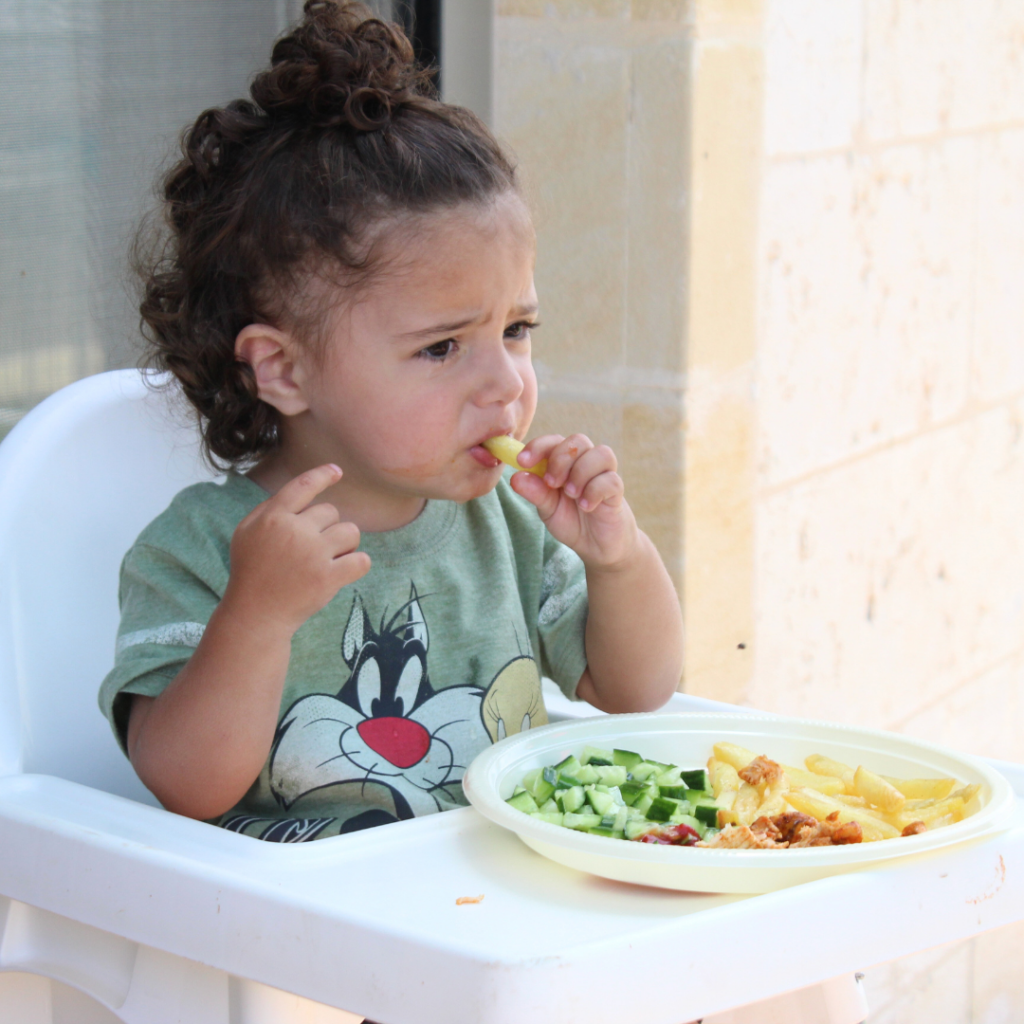
"Too much cow’s milk in toddlerhood can cause issues with iron absorption, and can also exacerbate picky eating behavior," the guide warns. "Offer cow’s milk in a cup with meals rather than a baby’s bottle. If your toddler is too full on milk, they will have little to no interest in eating table foods, or in trying out any new foods."
Addressing Common Feeding Concerns
- Baby Won’t Eat: The primary consideration when a baby refuses solids is timing. If solid foods are offered too soon after a milk feeding, the baby may not be hungry enough. Conversely, offering solids when the baby is overly hungry can lead to frustration. Adjusting the time gap between milk and solids is often the first step.
- Portion Sizes: In the early stages of introducing solids, the quantity of food consumed is less critical than the baby’s experience and skill development. Parents should focus on offering a variety of textures and allowing the baby to explore. Resources like portion guides can help alleviate concerns about whether a baby is eating "enough."
- Work Schedules: For parents with demanding work schedules, integrating morning meals can be challenging. In such cases, leveraging a caregiver for early solid food introductions or focusing on meals that fit the family’s schedule is recommended. Weekends can be utilized for introducing new, potentially allergenic foods, with a preference for earlier in the day to monitor for reactions.
Expert Insights and Resources
Edwena Kennedy, RD, emphasizes the holistic approach to infant feeding. "The goal is not to have a FULL baby all the time. Sometimes we push milk or food so frequently that your baby doesn’t have the option of having an empty stomach ever." Her expertise, backed by a team of pediatric dietitians and a speech-language pathologist at My Little Eater, offers parents valuable tools and guidance, including the Texture Timeline™ to prevent picky eating.
The transition to solids is a journey, not a race. By understanding developmental milestones, implementing flexible schedules, and closely observing a baby’s cues, parents can foster a positive and healthy relationship with food that will benefit their child for years to come. Resources such as weaning guides and feeding program information can provide further support for families navigating this crucial period.
Related posts: