Government and Ofsted Commit to Enhanced Safer Sleep Protections for Young Children in Early Years Settings

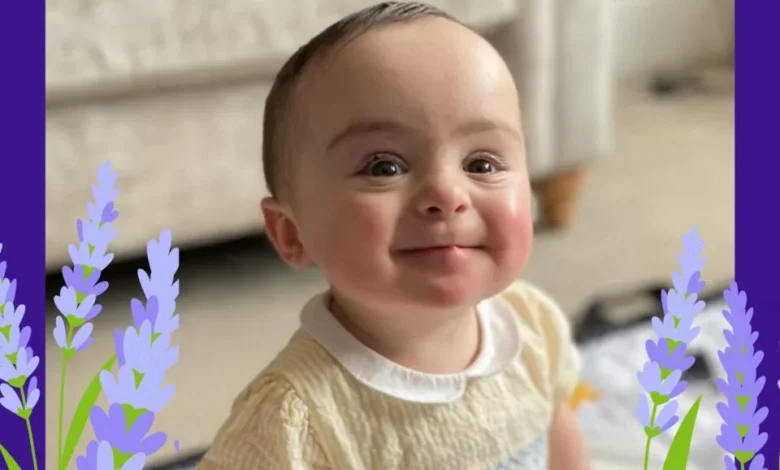
In a significant development for infant safety, the UK government, through the Department for Education (DfE), and the education watchdog Ofsted have announced substantial commitments to bolster safer sleep provisions within early years settings across England. These landmark changes, spurred by the tireless advocacy of the "Campaign for Gigi," signify a crucial step towards preventing tragic infant deaths in childcare environments. The initiative directly addresses concerns raised following the death of a young child, Gigi Meehan, in a childcare setting in 2022, a devastating event that galvanized her parents, Katie and John Meehan, and their supporters into a powerful campaign for systemic reform.
A Tragic Catalyst for Change: The Story of Gigi Meehan
The impetus for these new regulations stems from the heart-wrenching loss of Gigi Meehan. In 2022, Gigi died while in the care of a childcare setting. While the original source material does not detail the specific circumstances of her death beyond it occurring in a childcare setting, the profound impact of such a tragedy cannot be overstated. The subsequent conviction of a nursery worker for manslaughter in relation to her death underscored systemic vulnerabilities and the urgent need for enhanced safety protocols. The "Campaign for Gigi," supported by The Lullaby Trust, a leading charity dedicated to preventing infant deaths, and championed by MP Tom Morrison, has since been instrumental in pushing for legislative and regulatory improvements.
Katie and John Meehan’s dedication to transforming their personal tragedy into a catalyst for broader child protection measures has been unwavering. Their campaign has focused on two key areas: strengthening safer sleep practices and exploring the implementation of mandatory CCTV in nurseries. The recent announcements represent significant progress on both fronts.
Enhanced Safer Sleep Protocols: A New Era for Early Years Settings
The Department for Education and Ofsted have outlined a series of measures designed to elevate the standard of safer sleep practices across the early years sector. A pivotal commitment from Ofsted is the integration of safer sleeping assessments into every inspection of every early years setting in England, commencing from September 2026. This will ensure that adherence to robust safety guidelines during sleep times becomes a consistent and verifiable aspect of childcare quality.
Furthermore, Ofsted’s Early Years Inspection Toolkit will be updated to include clearer expectations regarding safer sleep arrangements, with a particular emphasis on the needs of babies and children under two years old. These younger age groups are inherently more vulnerable, and the updated guidance aims to provide practitioners with comprehensive and unambiguous directives.
The statutory framework for the Early Years Foundation Stage (EYFS) will also incorporate explicit safer sleep requirements from September 2026, pending parliamentary approval. This legislative backing will provide a firm legal foundation for these crucial safety measures, moving them from recommended practice to mandatory compliance.
Prior to these formal changes, the Department for Education proactively communicated with early years providers in March 2026. This communication served to reinforce existing expectations regarding safer sleep and encouraged settings to diligently follow established guidance, thereby fostering a culture of vigilance and continuous improvement in anticipation of the upcoming regulatory enhancements.
The Role of CCTV in Early Years Settings: An Ongoing Investigation
Beyond safer sleep, the "Campaign for Gigi" has also advocated for mandatory CCTV installation in nurseries. This measure is intended to serve as a dual protection: safeguarding babies and children from potential harm and offering a layer of accountability and support for early years workers by providing an objective record of events.
Recognizing the significance of this proposal, an independent Expert Advisory Panel has been established to thoroughly examine the role and implications of CCTV in early years settings. This panel’s deliberations are crucial in determining the feasibility, ethical considerations, and practical implementation of such a policy, indicating that progress is being made in this complex area. The insights gathered by this panel will inform future decisions on whether CCTV becomes a mandatory requirement.
Timeline of Key Developments
- 2022: Tragic death of Gigi Meehan in a childcare setting.
- Post-2022: Launch of the "Campaign for Gigi" by parents Katie and John Meehan, with support from The Lullaby Trust and MP Tom Morrison. Advocacy begins for enhanced safer sleep practices and mandatory CCTV.
- March 2026: Department for Education issues guidance to early years providers, reinforcing existing safer sleep expectations and encouraging adherence to best practices.
- September 2026: Ofsted begins incorporating mandatory safer sleep assessments into all inspections of early years settings in England. Updated guidance within the Early Years Inspection Toolkit comes into effect. Safer sleep requirements are set to be integrated into the EYFS statutory framework, subject to parliamentary approval.
- Ongoing: An independent Expert Advisory Panel continues its examination of the role of CCTV in early years settings.
Supporting Data and Context: The Importance of Safer Sleep
The emphasis on safer sleep practices in early years settings is grounded in data and research concerning Sudden Infant Death Syndrome (SIDS) and other sleep-related infant deaths. According to The Lullaby Trust, while rates of SIDS have declined significantly over the past decades due to public awareness campaigns and safer sleep advice, preventable deaths still occur. Factors contributing to sleep-related infant deaths can include unsafe sleeping environments, such as placing babies on their front, on soft bedding, or in overheating rooms.
In early years settings, where multiple children are cared for by a limited number of staff, ensuring consistent adherence to safe sleep guidelines is paramount. The challenges can include staff training, awareness, and the sheer volume of care responsibilities. The "Campaign for Gigi" highlights that even with existing guidelines, a failure in implementation can have catastrophic consequences.
The Lullaby Trust provides comprehensive guidance on safer sleep, which typically includes:
- Placing babies on their back to sleep.
- Keeping the baby’s head and face uncovered.
- Ensuring a clear, flat, and firm sleeping surface.
- Avoiding smoking during pregnancy and around the baby.
- Keeping the baby at a comfortable temperature.
- Sharing a room with the baby for at least the first six months.
The integration of these principles into Ofsted inspections and the EYFS framework aims to embed these life-saving practices as non-negotiable standards within all registered childcare providers.
Official Responses and Stakeholder Reactions
The announcements have been met with widespread approval from child safety advocates and parents. A statement from Katie and John Meehan underscored their continued determination: "We remain determined to keep pushing until every ask of Campaign for Gigi has been delivered. We are deeply grateful to everyone who has supported us throughout this journey. Every step forward is part of Gigi’s legacy." This sentiment reflects the profound personal investment and the broader community effort behind the campaign.
The Lullaby Trust, a key partner in the "Campaign for Gigi," has consistently highlighted the importance of robust safer sleep education and consistent implementation. Their involvement in providing training and resources for early years professionals is crucial in equipping staff with the knowledge and skills to protect infants. The Trust’s training programs, such as "SIDS and Safer Sleep Training for Early Years Professionals," are designed to address the specific needs of childcare providers and are likely to see increased demand following these regulatory changes.
While specific official statements from the DfE and Ofsted beyond the initial announcement are not detailed in the provided text, their commitment to these measures reflects an acknowledgement of the risks and a proactive response to public and expert pressure. The establishment of an expert advisory panel on CCTV further indicates a thoughtful and evidence-based approach to policy development, aiming to balance child protection with practical considerations.
Broader Impact and Implications
The enhanced regulations have significant implications for the early years sector in England. For childcare providers, it will necessitate a thorough review and potential revision of their existing policies and procedures relating to sleep. Staff training will become even more critical, ensuring that all employees are fully conversant with the updated expectations and can confidently implement them.
For parents, these changes offer greater reassurance that their children will be cared for under a more stringent and consistently monitored safety regime. The transparency brought by Ofsted inspections focusing on this critical aspect of care can build greater trust between families and childcare providers.
The ongoing discussion around CCTV introduces another layer of consideration. While proponents argue for its deterrent and investigative benefits, concerns may arise regarding privacy, data security, and the potential for an overly surveillance-oriented environment. The work of the Expert Advisory Panel will be crucial in navigating these complexities.
The "Campaign for Gigi" serves as a powerful example of how parental advocacy, supported by charitable organizations and political will, can drive substantial improvements in child welfare legislation and practice. The tragic loss of Gigi Meehan has catalyzed a movement that promises to make early years settings safer for countless young children. The journey towards fully realizing all the campaign’s objectives continues, but the recent commitments mark a pivotal and hopeful turning point. The commitment to ensuring that babies and young children are cared for as safely as possible in settings where they deserve to feel secure is a testament to the enduring impact of Gigi’s story.