Building a Diverse Bookshelf: Why Representation in Children’s Literature Matters and What Parents Can Read Next

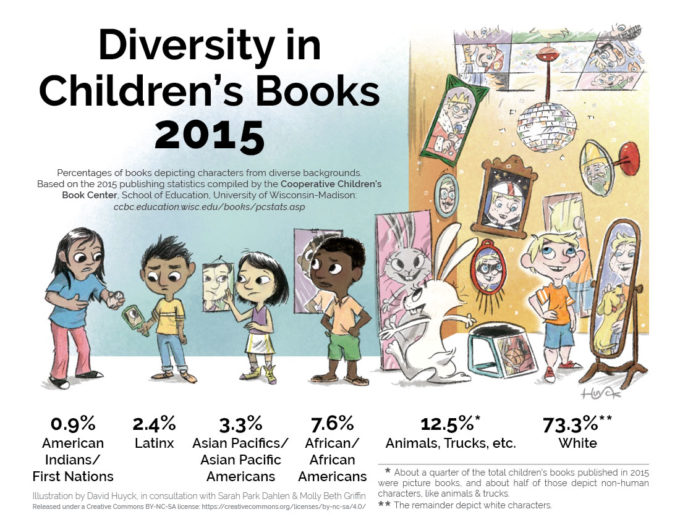
The landscape of children’s literature has long faced scrutiny over its lack of demographic representation. For decades, publishing industry audits have consistently demonstrated that books written for young readers overwhelmingly feature white, male protagonists. Even within animal and anthropomorphic storytelling, male central characters remain the statistical norm. This systemic homogeneity has prompted educators, librarians, and parents to reevaluate the media consumed by children, leading to a growing demand for literature that accurately reflects an increasingly multicultural society.
The consequences of homogenous media consumption in early childhood development are well-documented by educational psychologists and sociologists. When children do not see themselves represented in stories, it can subtly reinforce notions of marginalization or invisibility. Conversely, reading books featuring diverse characters fosters empathy, broadens worldview, and helps children develop a more nuanced understanding of the global community. Recognizing these implications, many families and literacy advocates are actively seeking out titles that incorporate diversity across race, gender identity, physical ability, and family structure without sacrificing narrative quality.

Historical Context and Publishing Statistics
To understand the current movement toward inclusive children’s literature, one must examine historical publishing data. Organizations such as the Cooperative Children’s Book Center (CCBC) at the University of Wisconsin-Madison have tracked diversity in children’s books for decades. Their annual statistics routinely reveal that characters of color, individuals with disabilities, and LGBTQ+ figures account for only a small fraction of leading roles in juvenile fiction and picture books.

Throughout the mid-to-late 20th century, publishing houses operated largely under the assumption that books featuring dominant cultural paradigms had broader market appeal. However, advocacy groups and grassroots campaigns such as "We Need Diverse Books," founded in 2014, have systematically challenged this commercial rationale. By highlighting the demand for authentic representation, these initiatives have encouraged publishers to broaden their acquisition strategies, resulting in a gradual, albeit ongoing, shift in industry standards.
Chronology of Representation Advocacy in Modern Publishing
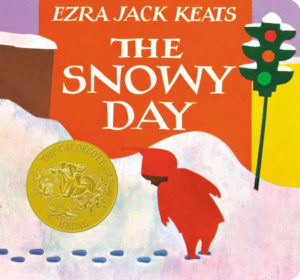
- 1960s–1970s: Pioneering works such as Ezra Jack Keats’s The Snowy Day (1962) break ground by featuring an African American protagonist in a contemporary urban setting, eventually winning the prestigious Caldecott Medal.
- 1990s: Multicultural children’s literature gains academic attention, leading to specialized publishing imprints focused on diverse narratives, though overall market share remains low.
- 2014: The "We Need Diverse Books" campaign launches, rapidly evolving into a prominent non-profit organization advocating for marginalized voices in literature.
- 2017–2018: Industry reports from organizations like the CCBC highlight incremental gains in books by and about people of color, though intersections of identity—such as disability and LGBTQ+ themes—remain underrepresented.
- Present Day: Educators and parents increasingly utilize curated reading lists to intentionally diversify home and classroom libraries, addressing historical gaps in children’s media consumption.
Curated Recommendations for Diverse Children’s Literature
Navigating the literary market for inclusive titles can be challenging for parents. To assist families in diversifying their bookshelves, literary critics and experienced parents have compiled recommendations categorized by developmental stages. These selections balance engaging storytelling with meaningful representation.
Board Books and Early Readers for Babies and Toddlers
Early childhood is a critical period for cognitive and social development, making board books an ideal starting point for introducing concepts of difference and inclusion.
- Not Quite Narwhal by Jessie Sima: This gentle narrative follows Kelp, a character who discovers he is actually a unicorn living among narwhals. The story addresses themes of identity and belonging, emphasizing the unconditional nature of family support.
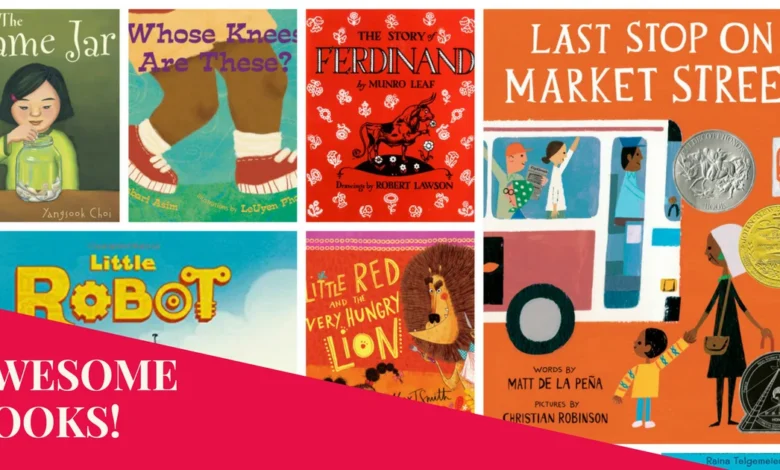
- Whose Knees Are These? by Jabari Asim, illustrated by LeUyen Pham: A rhythmic, interactive board book featuring vibrant illustrations of children of various racial backgrounds, designed to help toddlers identify body parts through engaging verse.
-
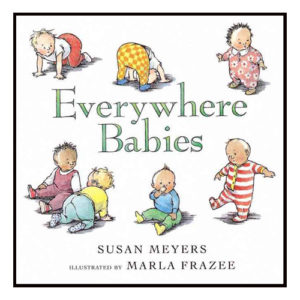
Everywhere Babies by Susan Meyers, illustrated by Marla Frazee: Celebrating
infants of diverse backgrounds, abilities, and family structures, this title utilizes warm, detailed illustrations to depict the universal experiences of early childhood.
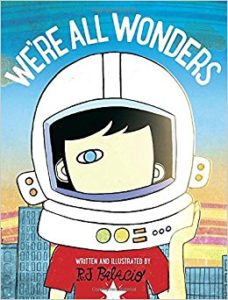
- We’re All Wonders by R.J. Palacio: Adapted from the bestselling novel Wonder, this picture book introduces younger readers to Auggie, a child with facial differences, promoting empathy and kindness in social environments.
Picture Books and Stories for Preschoolers
As children enter preschool, narratives can introduce slightly more complex social dynamics, community engagement, and emotional resilience.
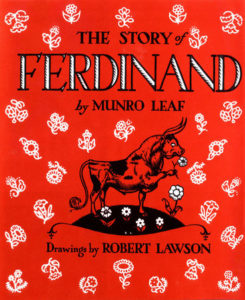
- The Story of Ferdinand by Munro Leaf: A timeless classic about a peaceful bull who prefers smelling flowers to fighting in the bullring, challenging traditional expectations of masculinity and behavior.
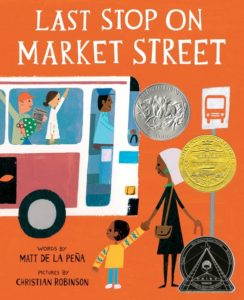
- Last Stop on Market Street by Matt de la Peña, illustrated by Christian Robinson: Winner of the Newbery Medal and a Caldecott Honor, this book follows a young boy and his grandmother on a bus ride through an urban neighborhood, highlighting community diversity, gratitude, and finding beauty in everyday life.
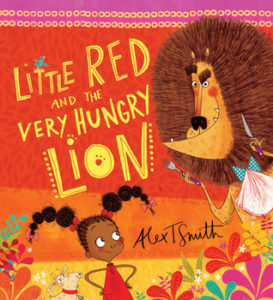
- Little Red and the Very Hungry Lion by Alex Smith: A multicultural, jungle-themed retelling of Little Red Riding Hood that replaces traditional peril with humor, colorful artwork, and a satisfying, non-violent resolution.
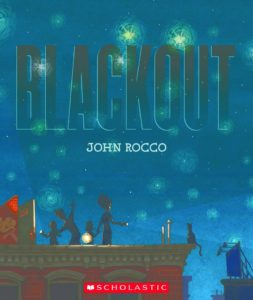
- Blackout by John Rocco: A Caldecott Honor book told primarily through illustrations, depicting a bustling urban family that reconnects during a citywide power outage on a hot summer night.
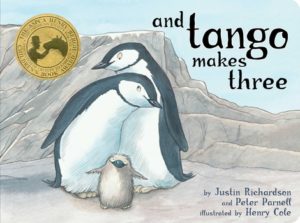
- And Tango Makes Three by Justin Richardson and Peter Parnell: Based on a true story from the Central Park Zoo, this picture book chronicles two male penguins who successfully hatch and raise an egg together, providing a rare representation of same-sex parenting in early literature.
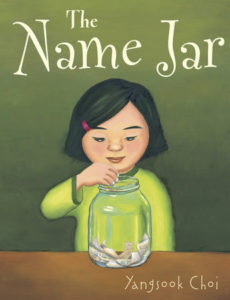
- The Name Jar by Yangsook Choi: Unhei, a young immigrant from Korea, worries her new classmates will struggle with her name and considers adopting an American name instead. The story explores cultural identity, assimilation, and self-acceptance.
- Little Robot by Ben Hatke: A wordless graphic novel that follows a curious young girl who befriends a stray robot, offering early readers an accessible introduction to sequential art featuring a female protagonist.
Graphic Novels and Chapter Books for Older Children
Older children benefit from longer narratives that tackle complex social issues, neurodiversity, physical disabilities, and interpersonal relationships.
- Zita the Spacegirl by Ben Hatke: A three-part science fiction graphic novel series centering on a courageous, quick-witted young girl who travels across the galaxy, engaging with diverse alien species and overcoming formidable challenges.
- Mighty Jack by Ben Hatke: A modern, action-packed retelling of Jack and the Beanstalk featuring Jack’s nonverbal sister, Maddy, who has autism. Maddy’s integral role in the plot, alongside themes of single-parent households and familial bonds, adds emotional depth to a fantasy adventure.
- El Deafo by Cece Bell: A Newbery Honor-winning graphic memoir detailing the author’s childhood experience of losing her hearing and navigating hearing aids, social integration, and self-advocacy through the imagined persona of a superhero.
- Sisters by Raina Telgemeier: A semi-autobiographical graphic novel exploring sibling rivalry, family road trips, and growing pains. Telgemeier’s extensive bibliography also includes titles such as Ghosts, which features a protagonist with cystic fibrosis, and Drama, which touches on adolescent identity and changing social dynamics.
Industry Implications and Future Outlook
The growing market demand for inclusive literature has tangible economic and cultural implications. Publishers are increasingly recognizing that diverse books are not merely niche educational tools, but commercially viable products that resonate with a broad demographic of modern readers.
However, literary analysts note that achieving true equity in publishing requires sustained effort beyond tokenism. Authors and illustrators from historically underrepresented backgrounds continue to advocate for authentic portrayals rooted in lived experience rather than generalized tropes. As literacy programs and educational institutions integrate these works into standard curricula, the publishing industry faces a continued imperative to diversify its talent pipeline at every level—from creators and editors to publishing executives and distributors.
Parents and educators play a critical role in this ecosystem. By intentionally auditing their reading environments and incorporating books that reflect the multifaceted reality of the modern world, consumers can directly influence market demand, ensuring that future generations grow up seeing both themselves and their peers reflected in the stories they cherish.
Related posts: