The Therapeutic Application of Natural Detox Baths: A Comprehensive Analysis of Methods Benefits and Safety Protocols in Modern Wellness

In the contemporary landscape of holistic health and self-care, the practice of detox bathing has emerged as a significant trend among individuals seeking to mitigate the effects of environmental toxin exposure and physiological stress. While the human body possesses an innate detoxification system—primarily governed by the liver, kidneys, and skin—the increasing prevalence of industrial pollutants and dietary additives has led many wellness practitioners to advocate for supplemental support. Detox baths, characterized by the infusion of minerals, clays, and botanical agents into warm water, are increasingly utilized as a non-invasive, cost-effective method to facilitate transdermal mineral absorption and the expulsion of metabolic waste.
The Science of Transdermal Detoxification and Mineral Absorption
The efficacy of detox baths is largely rooted in the principles of osmosis and transdermal absorption. The skin, the body’s largest organ, serves as a semi-permeable membrane capable of both secreting waste and absorbing beneficial compounds. Central to many detox bath protocols is magnesium sulfate, commonly known as Epsom salt. Research indicates that a significant portion of the global population suffers from magnesium deficiency, a condition linked to cardiovascular issues, anxiety, and muscular dysfunction. By immersing the body in a concentrated solution of magnesium sulfate, individuals may experience an increase in systemic magnesium levels, which aids in over 300 biochemical reactions, including protein synthesis and nerve function.
Furthermore, the heat of the water induces vasodilation, increasing blood flow to the skin’s surface and stimulating the lymphatic system. This process assists in the removal of cellular debris and toxins from the interstitial fluids. When combined with specific additives such as bentonite clay or ginger, these baths are designed to target specific physiological concerns, ranging from heavy metal accumulation to systemic inflammation.
Chronology and Evolution of Balneotherapy
The use of therapeutic baths, historically termed balneotherapy, dates back to ancient civilizations. The Romans, Greeks, and Egyptians utilized thermal springs and mineral-rich waters for their restorative properties. In the 18th and 19th centuries, European "spa towns" became centers for medical treatment, where physicians prescribed specific mineral water regimens for various ailments.
In the modern era, the "detox bath" has transitioned from a clinical or luxury spa treatment into a home-based wellness staple. This shift has been driven by the rise of the digital wellness movement and a growing skepticism toward synthetic pharmaceutical interventions for minor health complaints. Today, the focus has moved toward "biohacking" the home environment to promote longevity and resilience against modern stressors.
Analysis of Diverse Detox Bath Methodologies
To address varying health objectives, practitioners have developed several specialized bath recipes, each utilizing different chemical and biological mechanisms.
The Magnesium-Sulfate Base
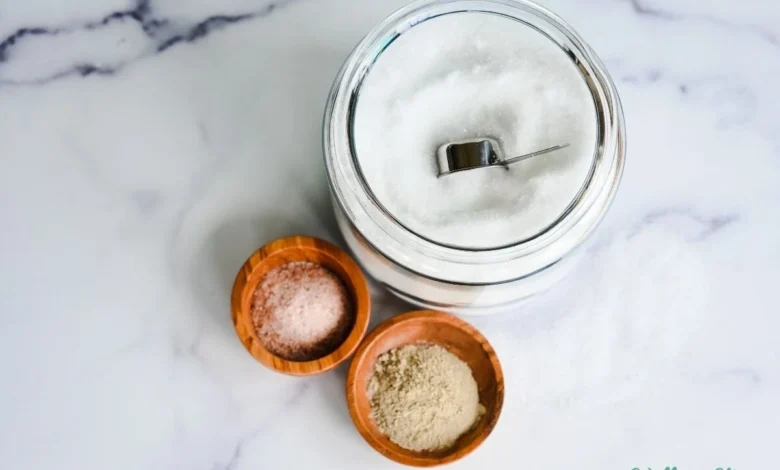
The foundational detox bath relies on Epsom salts. This method is primarily used for muscle relaxation and replenishing magnesium stores. Clinical observations suggest that the sulfate component is equally vital, as it plays a role in the formation of joint proteins and the strengthening of the digestive tract lining.
Bentonite Clay and Heavy Metal Sequestration
Bentonite clay, a substance derived from aged volcanic ash, is utilized in detox baths for its unique "cationic" properties. When hydrated, the clay carries a strong negative charge, which allows it to attract and bind to positively charged toxins and heavy metals, such as lead and mercury. This process, known as adsorption, prevents toxins from being reabsorbed into the bloodstream. Due to the density of the clay, experts recommend using drain filters to prevent plumbing obstructions during the drainage process.
Oxygen and Thermogenic Ginger Infusions
Oxygen-based baths, often incorporating hydrogen peroxide and dried ginger powder, are frequently employed during periods of illness or seasonal allergies. Ginger acts as a thermogenic agent, increasing the body’s internal temperature to stimulate circulation and promote sweating. This "artificial fever" can assist the immune system in neutralizing pathogens. Hydrogen peroxide serves as an oxidative agent, potentially aiding in the oxygenation of skin tissues and the neutralization of superficial bacteria.
Acidity and pH Balancing via Apple Cider Vinegar
The use of apple cider vinegar (ACV) in bathing is aimed at restoring the skin’s natural acid mantle. The human skin typically maintains a pH of approximately 5.5; however, many modern soaps and environmental factors are alkaline, which can disrupt the skin barrier and lead to conditions like eczema or dandruff. ACV baths are reported to alleviate skin irritation and improve hair texture by smoothing the cuticle layer.
The Traditional Mustard Bath
Though less common in Western households, mustard baths have a long history in traditional Ayurvedic and English folk medicine. Organic mustard powder is a potent circulatory stimulant. When used in a bath, it encourages blood flow to the extremities and opens pores, facilitating a deep sweat that is believed to assist in the expulsion of uric acid and other metabolic byproducts.
Supporting Data and Market Trends
The rise in popularity of these natural remedies is reflected in the global wellness market data. According to the Global Wellness Institute, the wellness economy was valued at $4.5 trillion in recent years, with "personal care and beauty" and "traditional and complementary medicine" representing significant sectors. Consumer demand for Epsom salts and organic essential oils has seen a steady annual increase of approximately 5-7%, as individuals prioritize "clean" ingredients over synthetic alternatives.
Furthermore, epidemiological data regarding stress and sleep disorders has fueled interest in evening detox routines. Surveys indicate that over 60% of adults in industrialized nations report regular sleep disturbances. The calming effect of magnesium-rich baths on the central nervous system has positioned these recipes as a non-pharmacological intervention for insomnia and anxiety.
Safety Protocols and Medical Perspectives
While detox baths are generally considered safe for the general population, medical professionals emphasize the necessity of caution for specific demographics. Dr. Madiha Saeed, a board-certified family physician, notes that individuals with underlying health conditions, such as cardiovascular disease or low blood pressure, must consult healthcare providers before engaging in heat-based detoxification. The vasodilation caused by hot water can lead to a sudden drop in blood pressure, resulting in dizziness or fainting.
Pediatric and Maternal Considerations
For children, detox baths are often used to support the immune system, but essential oil concentrations must be significantly lower than those used for adults to avoid skin sensitization. Pregnant and nursing women are advised to exercise extreme caution, particularly with essential oils like rosemary or peppermint, which can affect hormone levels or milk production.
Hydration and Post-Bath Recovery
A critical component of the detoxification process is hydration. The sweating induced by these baths can lead to significant fluid loss. Practitioners recommend consuming a minimum of 16 ounces of filtered water before and after the bath to facilitate the kidneys’ role in filtering the toxins released during the soak. Additionally, most protocols suggest a "cooldown" period where the individual rests for at least 30 minutes to allow the body to return to homeostasis.
Broader Impact and Implications for Public Health
The integration of detox baths into mainstream health practices represents a broader shift toward preventative medicine. By empowering individuals to manage minor physiological stressors at home, these practices may reduce the burden on primary care systems for stress-related ailments.
Moreover, the emphasis on water quality—such as the use of bathtub filters to remove chlorine and fluoride—highlights an increasing public awareness of environmental health. Chlorine, a common disinfectant in municipal water supplies, can strip the skin of natural oils and be inhaled as vapor in a hot bath. The adoption of filtration systems signifies a holistic approach to detoxification that considers the external environment as much as internal biology.
Conclusion and Future Outlook
The practice of natural detox bathing serves as a bridge between ancient therapeutic traditions and modern physiological science. As research continues to explore the nuances of the skin microbiome and the efficacy of transdermal mineral delivery, it is likely that these protocols will become increasingly refined. While not a substitute for clinical medical treatment, detox baths offer a viable, low-risk strategy for enhancing systemic wellness and managing the toxic load of 21st-century life. As the wellness industry continues to evolve, the focus will likely remain on accessible, ingredient-transparent methods that allow individuals to take an active role in their own health maintenance.