Introducing Fermented Foods: A Comprehensive Guide for Infant Nutrition


Babies can begin consuming fermented foods as early as six months of age, coinciding with their readiness for solid foods. This introduction to a diverse range of tastes and textures can significantly benefit their developing digestive systems, bolster their immune responses, and foster adventurous palates. This comprehensive guide explores the safety, benefits, and practical applications of incorporating fermented foods into an infant’s diet, offering insights for parents and caregivers navigating this aspect of early nutrition.
The journey into solid foods is a pivotal stage in an infant’s development, marked by physical and cognitive milestones that signal readiness for new textures and tastes. Around the six-month mark, when babies exhibit control over their head and neck, can sit up with support, and show interest in food, the introduction of solids can commence. Among the array of options, fermented foods stand out for their unique nutritional profile and potential health advantages.
Understanding Fermented Foods
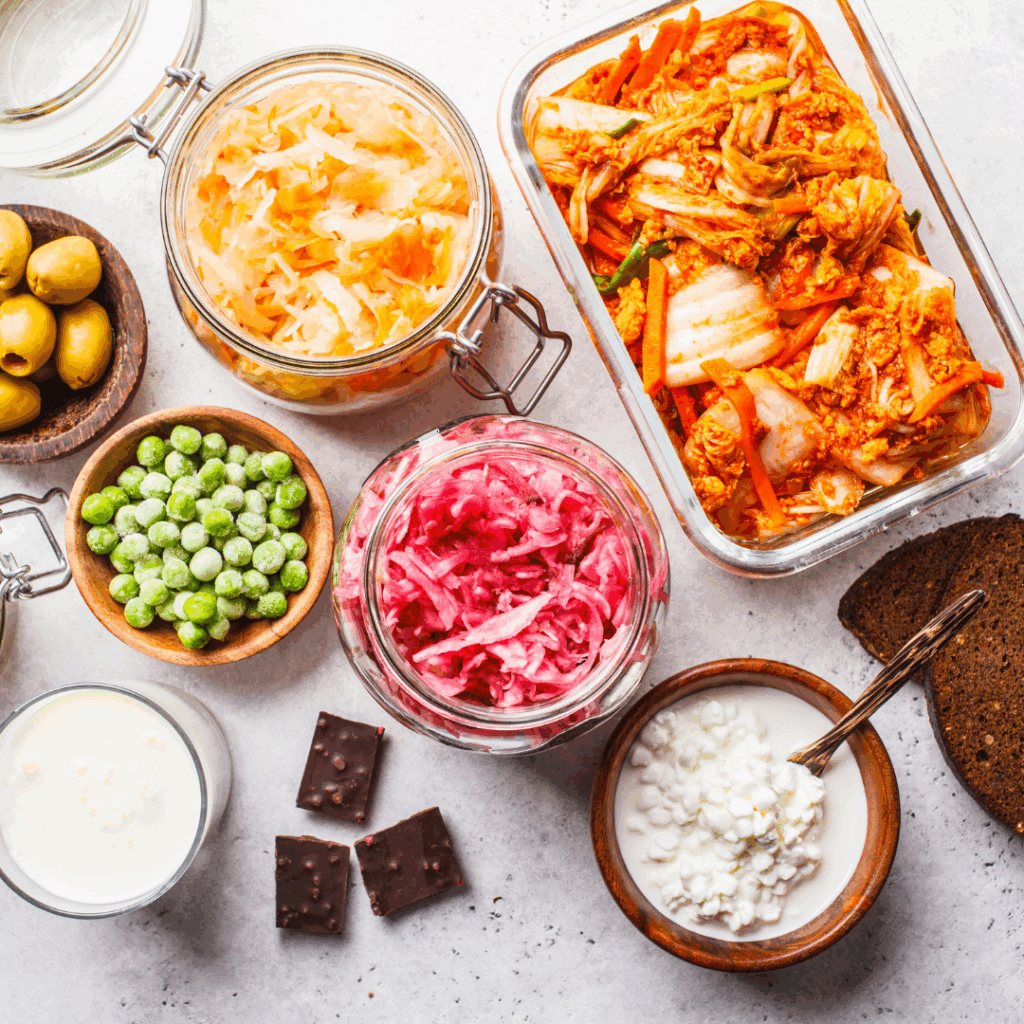
Fermented foods are the result of a natural process where microorganisms, such as bacteria and yeast, break down sugars and starches in food over time. This biochemical transformation alters the food’s flavor, texture, and nutritional composition, often enhancing its digestibility and introducing beneficial probiotics. Historically, fermentation served as a crucial method for food preservation, extending shelf life and making nutrients more accessible.
The global culinary landscape is rich with diverse fermented foods, reflecting centuries of tradition and regional adaptations. From the tangy crunch of sauerkraut and kimchi to the creamy tang of yogurt and kefir, and the complex flavors of sourdough and miso, these foods offer a wide spectrum of sensory experiences.
When and How to Introduce Fermented Foods
The consensus among pediatric nutrition experts is that fermented foods are safe for infants to consume from around six months of age, provided they are showing all the necessary signs of readiness for solids. Introducing these foods at this early stage is particularly beneficial for taste development, as the robust flavors can help broaden a baby’s acceptance of diverse foods later on.

It is crucial, however, to approach the introduction of fermented foods with careful consideration. Certain fermented products contain common allergens, such as wheat, dairy, and soy. Therefore, it is recommended to introduce them cautiously, one at a time, adhering to established protocols for introducing allergenic foods. This phased approach allows for the monitoring of any adverse reactions and ensures the baby’s digestive system can adapt gradually.
A paramount consideration when selecting fermented foods for infants is ensuring they are pasteurized. Pasteurization is a process that significantly minimizes the risk of foodborne illnesses by eliminating harmful bacteria. This step is non-negotiable when feeding infants, whose immune systems are still immature and more susceptible to pathogens.
Safe and Beneficial Fermented Foods for Babies
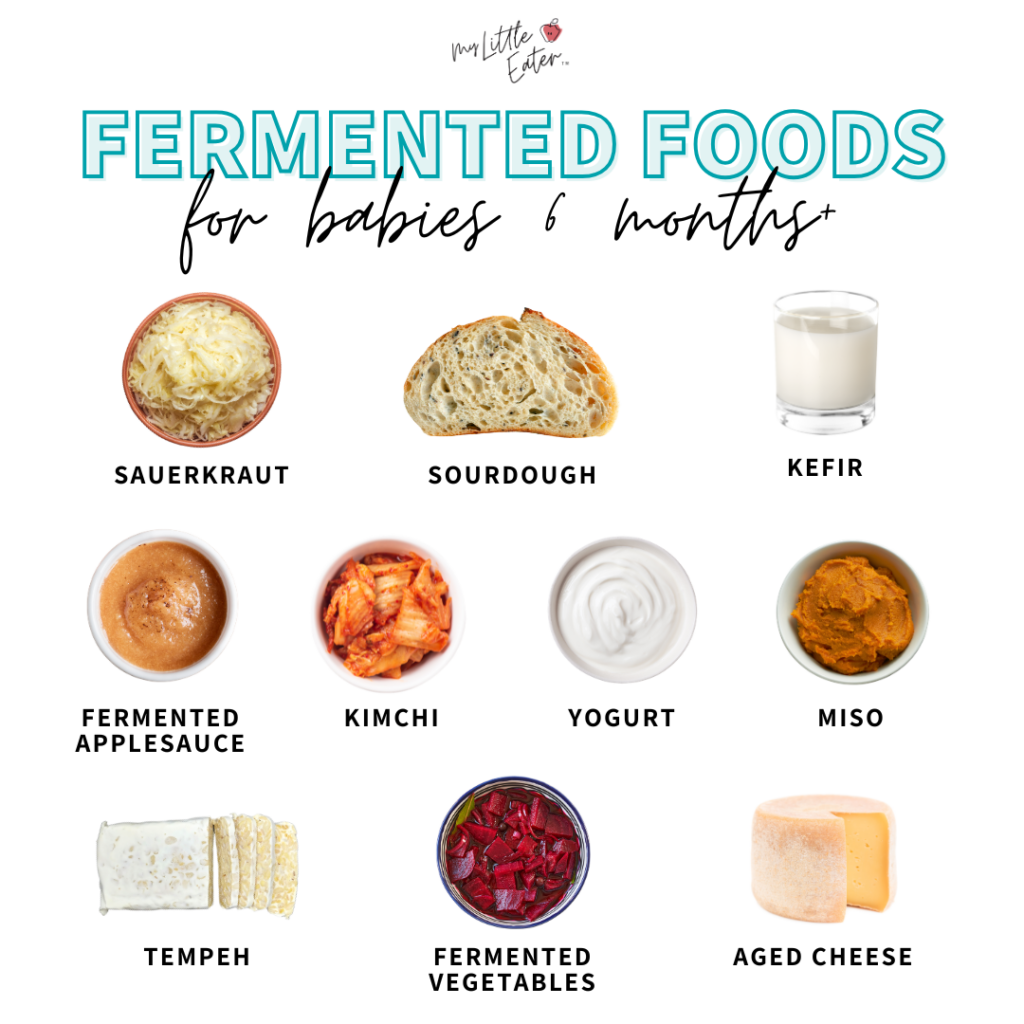
The variety of fermented foods available is extensive, influenced by global culinary traditions, local ingredients, and cultural preferences. For infants, the focus shifts to options that are not only safe but also contribute positively to their nutritional intake. The following list highlights popular fermented foods that can be safely introduced to babies around six months of age:
1. Sauerkraut
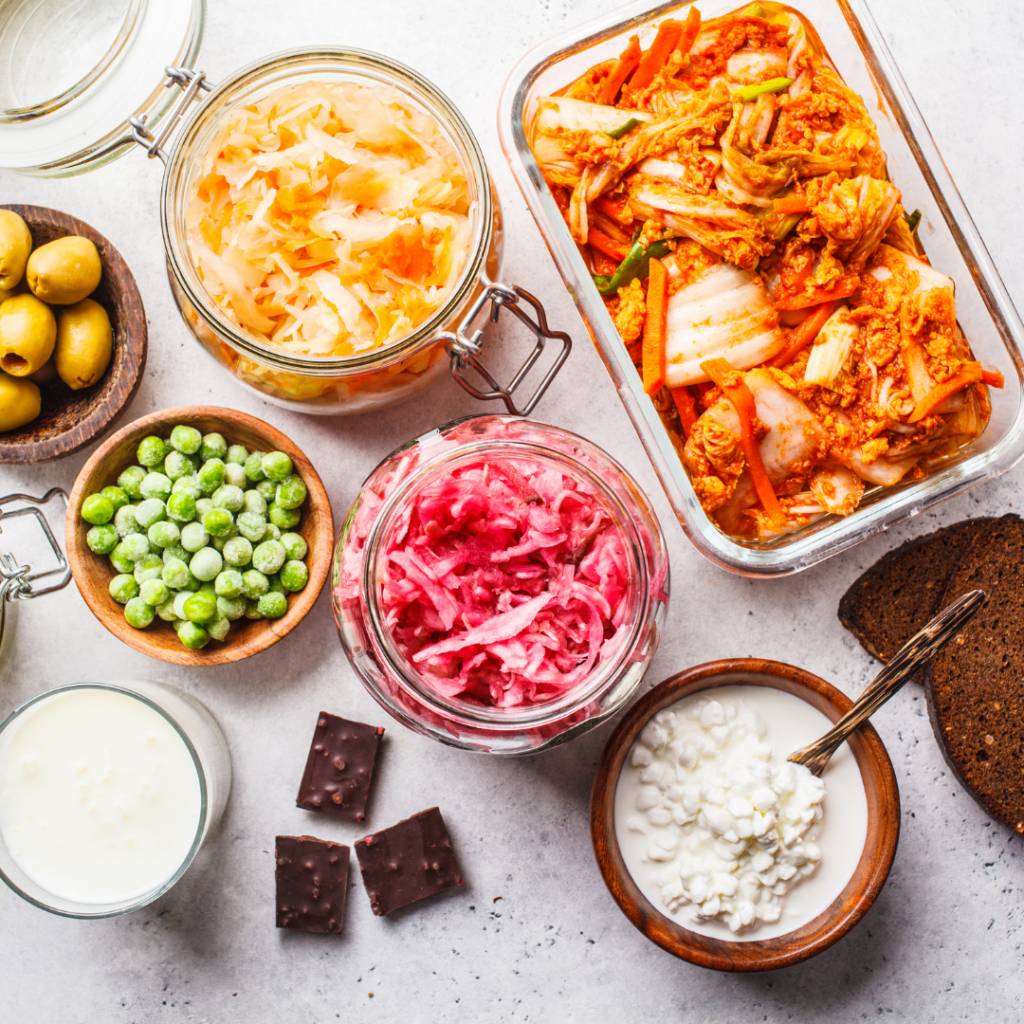
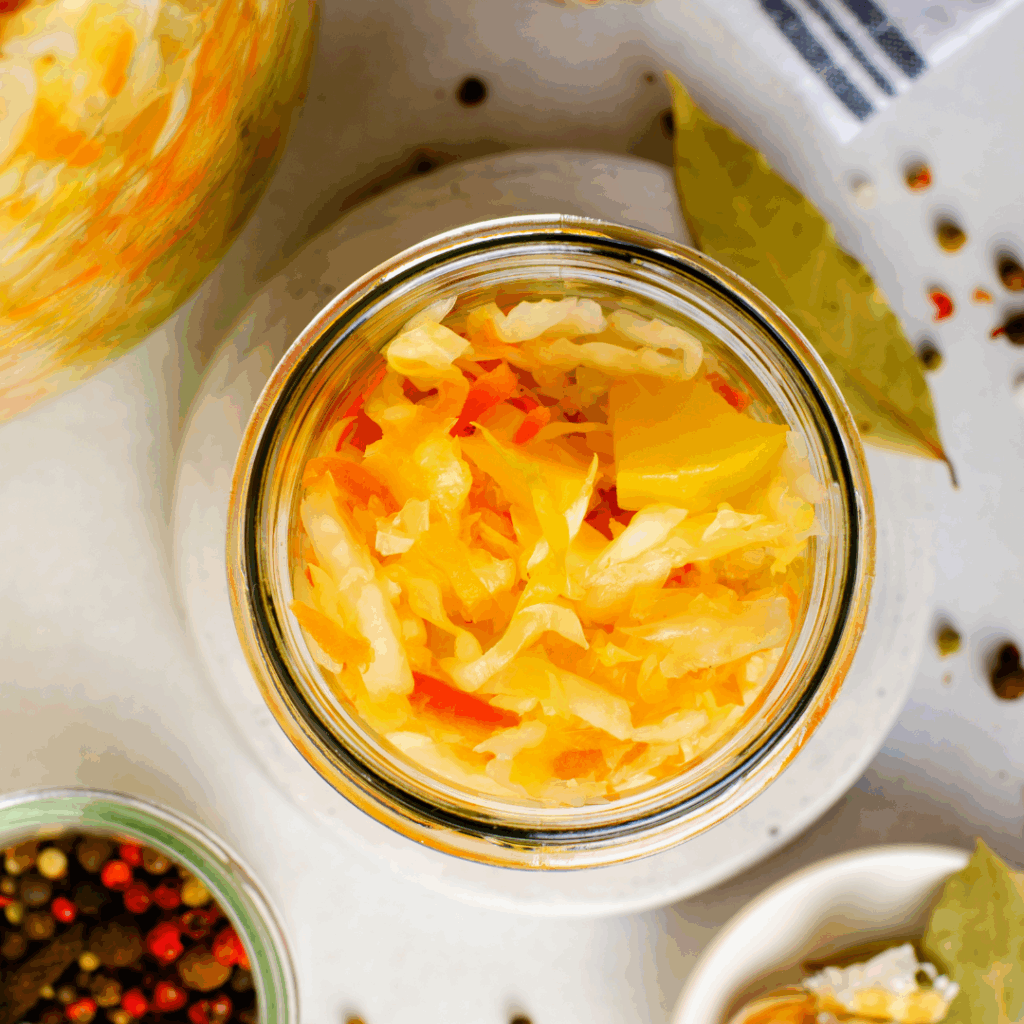
Sauerkraut, a fermented dish made from finely shredded cabbage, is a flavorful addition to a baby’s diet. Its robust taste encourages palate expansion. Beyond its flavor, sauerkraut is a good source of fiber, vitamin K, and probiotics, essential for gut health. However, its high sodium content necessitates a precautionary measure for infants under 12 months: rinsing it under cold water before serving to reduce sodium levels.
- Serving Suggestions:
- For a smooth purée, blend rinsed sauerkraut with a small amount of water, breast milk, or formula. Serve on a preloaded spoon.
- Mix finely chopped sauerkraut into binding purées like mashed potatoes or hummus (a 1:1 ratio is a good starting point). This can be offered on a preloaded spoon or as a finger food.
- For babies with developing pincer grasp, offer a small pile of finely chopped sauerkraut on their tray for self-feeding.
2. Fermented Applesauce
Fermented applesauce offers a mild, sweet, and tangy profile, making it an appealing option for infants. The fermentation process enhances its probiotic content, supporting gut health. When choosing fermented applesauce, opt for unsweetened varieties, as added sugars should be avoided for children under two years of age.
- Serving Suggestions:
- Thick fermented applesauce that holds its shape on a spoon can be served as is on a preloaded spoon or offered as a finger food.
3. Sourdough Bread
Authentic sourdough bread is produced through a long fermentation process involving wild yeast and bacteria. This method not only imbues the bread with its characteristic tangy flavor but also enhances its digestibility. The fermentation can improve protein breakdown and nutrient absorption. Sourdough often lacks the added sweeteners and preservatives found in many commercial breads, making it a suitable option for babies starting at six months.
- Serving Suggestions:
- Lightly toast sourdough bread until slightly crisp. Remove the crust and cut into wide finger shapes for palmar grasp. Spreads like mashed avocado, nut/seed butter, or hummus can enhance moisture and nutrition.
- For babies with a developing pincer grasp, dice lightly toasted sourdough into bite-sized pieces, optionally adding a spread.
4. Kefir
Kefir is a fermented milk drink, teeming with probiotics. It is available in both dairy and dairy-free (e.g., coconut-based) versions, making it suitable for a wider range of dietary needs. Kefir has a tart taste and a thin consistency, ideal for incorporation into smoothies and other recipes as a milk or buttermilk substitute. When selecting kefir for infants, choose full-fat, pasteurized, plain, and unsweetened varieties. Refrigerated options are generally preferred over shelf-stable ones, as they are more likely to retain live cultures.
-
Important Note on Milk Consumption: While small amounts of kefir can be used as an ingredient in recipes for babies over six months, it’s crucial to remember that until the age of one, breast milk or formula should remain the primary beverage. Other milk types, whether dairy or plant-based, should be offered sparingly as ingredients rather than standalone drinks before the first birthday.
-
Serving Suggestions:
- For babies under 12 months, use kefir as an ingredient in smoothies, oatmeal, or pancake batter.
- After the first birthday, kefir can be offered as a beverage in an open or straw cup.
5. Yogurt
Yogurt, a fermented dairy product, is a rich source of protein, calcium, vitamin D, and beneficial bacteria. When choosing yogurt for infants, opt for full-fat, plain, unsweetened varieties that explicitly state "live probiotic bacteria" or "live active cultures" on the label. Plain yogurt can be served independently or used to improve the palatability of more textured foods like rice or quinoa.
- Serving Suggestions:
- Thin, unstrained yogurt that flows easily off a spoon can be served as a purée (Phase 0) on a preloaded spoon or as a finger food.
- Thicker, strained yogurt, such as Greek yogurt, which holds its shape on a spoon, can be served as a Phase 1 purée or finger food.
6. Kimchi
Kimchi, a traditional Korean fermented vegetable dish often made with napa cabbage and radishes, is rich in probiotics and possesses a distinctive spicy and tangy flavor. For infants, it is advisable to select milder versions of kimchi, avoiding excessive chili peppers or hot spices. Start with small portions and finely chop the kimchi to ensure safety and ease of consumption.
7. Miso
Miso is a fermented paste made from soybeans, salt, and fungus, commonly used in Japanese cuisine. It is a good source of probiotics and minerals. However, miso can be high in sodium. Opt for low-sodium varieties and serve it in small quantities, perhaps mixed into soups, stews, or purées.

8. Tempeh
Tempeh, a product of fermented soybeans, has a firm, cake-like texture and is a valuable source of protein and fiber, along with omega-3 fatty acids and B-vitamins. To prepare tempeh for infants, it should be cooked to soften its texture and then cut into age-appropriate sizes.
9. Fermented Vegetables
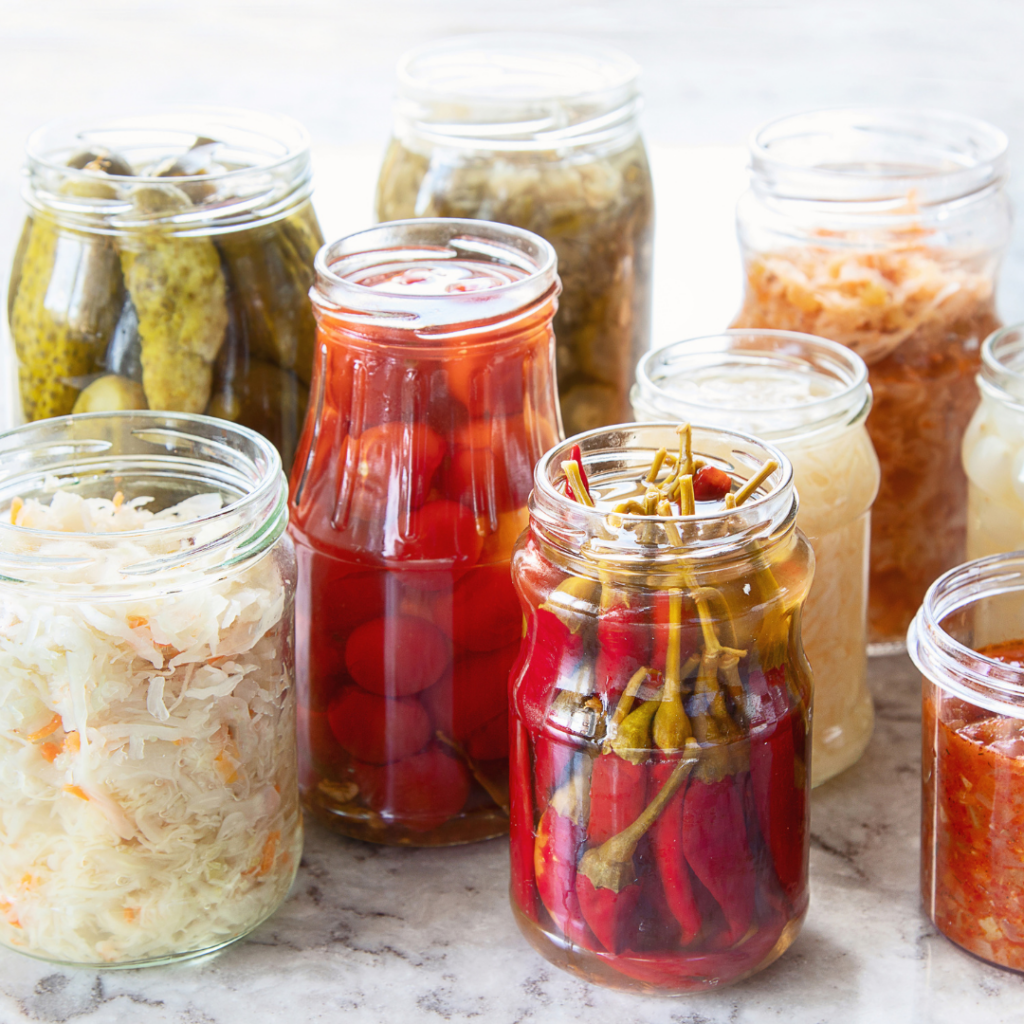
Beyond sauerkraut and kimchi, a variety of other vegetables can be fermented, including cucumbers, carrots, sweet potatoes, and beets. Unlike pickled vegetables that are preserved in vinegar brine, these are fermented using naturally occurring bacteria. When introducing fermented vegetables, ensure they are soft and easily mashable. Sweet potatoes, carrots, and beets are excellent choices, providing essential vitamins and minerals. As with other store-bought fermented foods, be mindful of sodium content and rinse before serving.
10. Aged Cheese
Certain cheeses undergo a fermentation process that can be beneficial for gut health, particularly when aged and containing live cultures. Mild cheeses such as cheddar, Gouda, Parmesan, and Swiss can be offered in small amounts to babies from six months onwards. Cheese is a good source of protein, calcium, and healthy fats.

- Note on Lactose Intolerance: Aged cheeses are often well-tolerated by individuals with lactose intolerance. During the aging process, bacteria break down lactose, significantly reducing its levels and making it more digestible.
Introducing Fermented Foods: A Step-by-Step Approach
The introduction of any new food, especially those with strong flavors or potential allergens, requires a measured approach. For fermented foods, this involves:
- Start Small: Offer a tiny amount of a single fermented food. A teaspoon or even less is sufficient for a first taste.
- Observe for Reactions: Monitor your baby for any signs of digestive discomfort (gas, bloating) or allergic reactions (rash, hives, vomiting, diarrhea).
- Gradual Increase: If the initial introduction is well-tolerated, gradually increase the serving size over subsequent feedings and days.
- Introduce One at a Time: Especially for those fermented foods containing common allergens (dairy, wheat, soy), introduce them individually and wait a few days before introducing another new food, including other fermented options.
- Consistency: Regular, moderate exposure helps babies adapt to new tastes and textures. Aim to offer fermented foods 2-3 times per week, adjusting based on your baby’s tolerance.
Fermented Foods to Limit or Avoid
While many fermented foods offer significant benefits, certain types require caution or should be avoided for infants:
Ferments with Excessive Salt and/or Sugar
Store-bought fermented products can sometimes contain high levels of sodium. While sodium is an essential nutrient, excessive intake should be avoided. Small amounts of salt in fermented foods, such as a tablespoon of sauerkraut brine or a small amount of cheese in an omelet, can be acceptable, as the nutritional benefits and flavor exposure may outweigh the small sodium increase. Choosing low-sodium versions or rinsing before serving can mitigate this concern.

The same principle applies to fermented foods with added sugar. Opt for unsweetened versions whenever possible. When sugar is present in moderation, the overall benefits of the food can still outweigh the small amount of added sugar.
- FYI: Rinsing fermented foods may reduce their probiotic content, but the food still offers beneficial bacteria.
Ferments Containing Alcohol
Some fermented beverages, such as kombucha and water kefir, can naturally contain small amounts of alcohol as a byproduct of fermentation. Due to the alcohol content, these beverages are best avoided for babies and toddlers.
Honey Ferments
Any food fermented using honey should be strictly avoided for infants under 12 months. Honey can contain Clostridium botulinum spores, which can cause infant botulism, a serious illness. This risk applies to all forms of honey, including pasteurized, unpasteurized, and processed versions. The infant’s digestive system is not yet mature enough to combat these spores. After the first birthday, the risk of infant botulism significantly decreases due to the development of natural gut defenses.
The Benefits of Fermented Foods for Babies
The inclusion of fermented foods in an infant’s diet offers a range of health-promoting advantages, largely attributed to their rich content of beneficial microorganisms:
Benefit 1: Immune Support and Gut Health
The gut microbiome, a complex ecosystem of trillions of microbes, plays a critical role in regulating immune function. Approximately 80% of the immune system resides in the gut, making the probiotics found in fermented foods essential for robust immunity. Foods like yogurt, kefir, kimchi, and sauerkraut introduce a diverse array of beneficial microbes that contribute to a balanced gut microbiome, which is vital for effective immune responses and the body’s ability to combat infections.
Probiotics also help strengthen the intestinal barrier, preventing harmful substances from entering the bloodstream. Research suggests that fermented foods can stimulate the production of antibodies (immunoglobulins) that identify and neutralize pathogens. Therefore, regular consumption of fermented foods can positively impact immune function throughout a child’s development.

- Important Note: Some processed fermented foods, like certain pickles, may undergo heating after fermentation, which can eliminate live microorganisms. To reap the probiotic benefits, opt for foods that have not been heated above body temperature.
Benefit 2: Exposure to New Flavors
Early and consistent exposure to a wide variety of foods, flavors, textures, and colors can shape a baby’s long-term food preferences. Introducing sour flavors early on, for instance, can reduce a baby’s inclination towards overly sweet foods and foster greater acceptance of new tastes. Sour is a fundamental flavor often underemphasized in Western diets, and fermented foods provide an excellent avenue for this introduction. This early exposure can lead to more adventurous eating habits in the future.
Benefit 3: Blood Sugar Regulation
When integrated into a balanced diet, fermented foods may contribute to improved insulin sensitivity and more stable blood sugar levels. The probiotics and beneficial bacteria support gut health, reduce inflammation, and can enhance the body’s ability to process glucose. While more research is ongoing to fully understand these effects, the inclusion of fermented foods is increasingly being considered for dietary guidelines.
Potential Risks of Offering Fermented Foods to Babies
While generally safe and beneficial, there are potential risks and side effects to consider:

Bloating and Gas
Introducing fermented foods too quickly or in excessive amounts can lead to temporary bloating or gas as the baby’s digestive system adjusts to the new bacteria. Starting with small portions and gradually increasing serving sizes is crucial. Over time, as the gut adapts, these foods can also help prevent constipation and promote regular bowel movements.
Possible Contamination
Improper preparation or storage of fermented foods can lead to contamination with harmful bacteria or mold, posing a risk of foodborne illness. For infants, whose immune systems are still developing, this risk is amplified. When preparing homemade ferments, strict adherence to hygiene and food safety guidelines is essential. Commercially produced fermented foods are generally subject to rigorous safety regulations, making them a safer choice. It is advisable to avoid fermented foods from unregulated sources.
Interaction with Medications
Probiotics in fermented foods can potentially interact with certain medications, particularly antibiotics and immune-suppressing drugs. If a child is on medication, consulting a healthcare provider before introducing fermented foods is recommended. Conversely, fermented foods can be beneficial after a course of antibiotics to help replenish beneficial gut bacteria, potentially more effectively than probiotic supplements alone.

Frequently Asked Questions
Can I give my baby probiotic supplements instead of fermented foods?
While probiotic supplements can be an option, a "food-first" approach is generally preferred. Fermented foods offer probiotics alongside a spectrum of essential nutrients like fiber, protein, calcium, and vitamins that supplements cannot fully replicate. However, if a baby has specific dietary restrictions or digestive concerns, a supplement might be recommended by a healthcare provider.
Do fermented foods cause gas in babies?
Yes, they can, especially if introduced too quickly or in large quantities. Starting with small tastes and gradually increasing the amount is key to allowing the baby’s digestive system to adapt.
Can fermented foods help with constipation in babies?
The probiotics in fermented foods can support a balanced gut microbiome, which is crucial for healthy digestion and bowel regularity. If constipation is a persistent issue, consulting a healthcare provider is advisable.
Is kombucha safe for babies?
No, kombucha is not recommended for babies and toddlers due to its natural alcohol content, a byproduct of fermentation.
Do I need to introduce fermented foods one at a time like allergens?
For fermented foods that do not contain common allergens (like sauerkraut or fermented applesauce), they can be introduced more freely alongside other foods. However, if a fermented food contains a top allergen (e.g., dairy in kefir or yogurt, wheat in sourdough), it should be introduced following the standard allergen introduction protocol.
Conclusion
The introduction of fermented foods to an infant’s diet around six months of age, when they are ready for solids, can offer substantial benefits for gut health, immune development, and flavor exploration. By selecting pasteurized options, introducing them gradually, and being mindful of potential allergens and contraindications, parents can safely and effectively incorporate these nutrient-dense foods into their baby’s early eating journey, laying the foundation for a healthy relationship with food and a robust digestive system.
Related posts: