How to Make Fun, Fast, and Nutritious Watermelon Fries for Kids and Parties

The challenge of encouraging children to incorporate adequate amounts of fresh fruit into their daily diets is a familiar hurdle for parents and caregivers worldwide. Amid shifting nutritional guidelines emphasizing whole foods and natural hydration—particularly during the sweltering summer months—culinary innovators and parenting experts are continuously seeking creative presentation methods. A viral culinary trend gaining momentum in family kitchens and catered children’s events is the transformation of traditional produce into playful shapes. Among these, watermelon fries have emerged as an optimal solution for utilizing seasonal surpluses of the large melon while simultaneously engaging reluctant young eaters through interactive dining experiences.
Originating as a clever kitchen hack shared among parenting and lifestyle bloggers, the concept leverages visual psychology to make healthy eating appealing. By altering the geometry of standard fruit slices to mimic popular fast-food items, caregivers can bypass the psychological resistance children often exhibit toward standard produce. This straightforward preparation technique requires minimal equipment yet yields a visually engaging snack suitable for everyday consumption, first birthday parties, backyard barbecues, and community potlucks.
The Mechanics of the Recipe: Cutting and Preparation
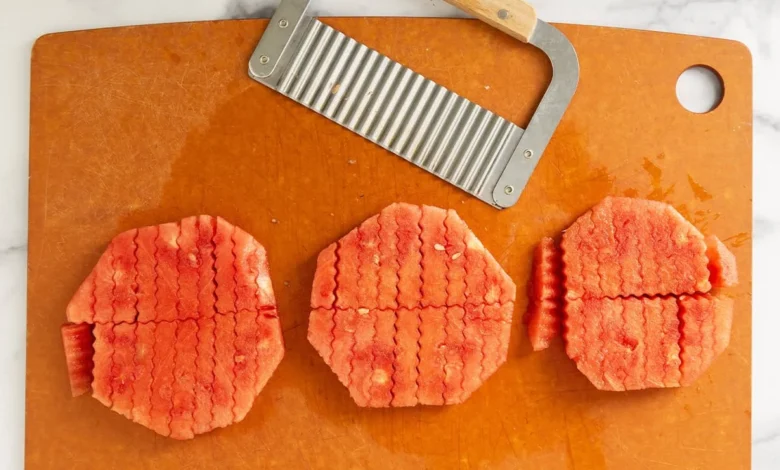
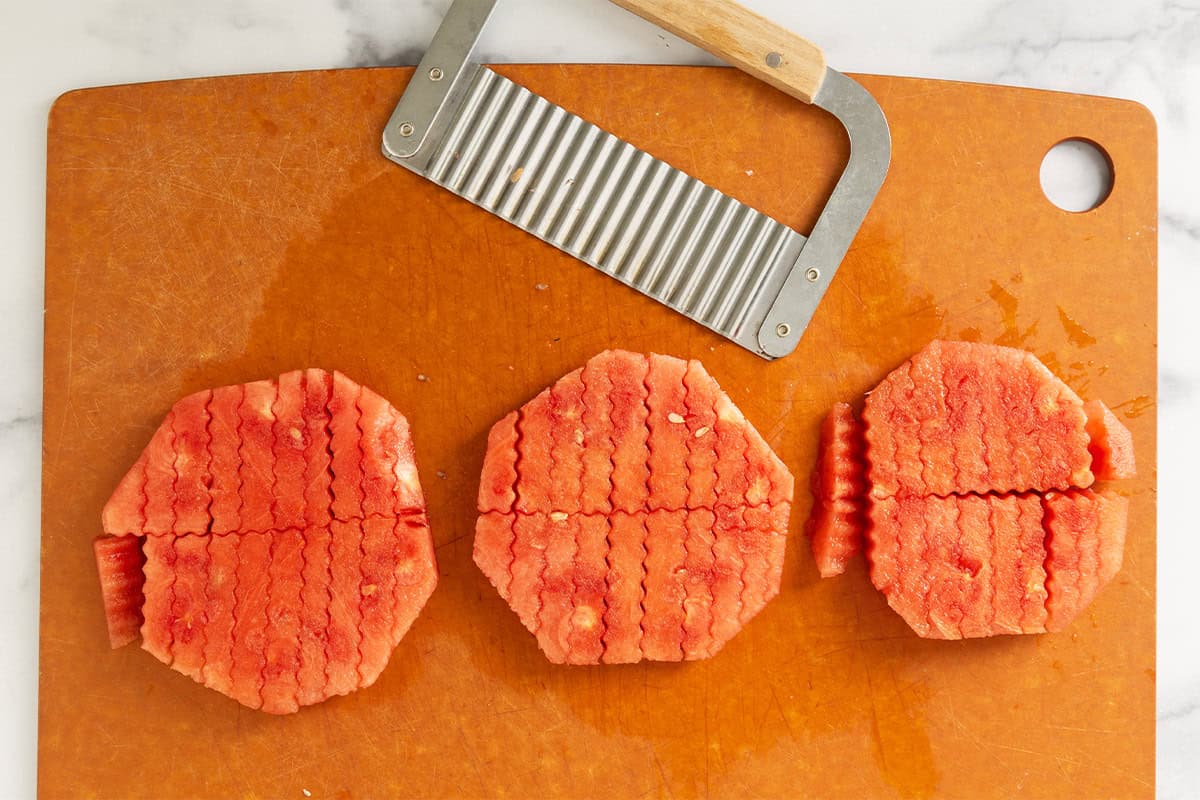
The foundational element of creating watermelon fries lies in the slicing technique. Rather than cutting the fruit into traditional wedges or cubes, culinary practitioners utilize a specialized kitchen utensil known as a zig-zag slicer or crinkle cutter. This stainless-steel or plastic-handled blade features a wavy edge that imparts a ridged texture reminiscent of commercial crinkle-cut French fries.
The preparation sequence is designed to maximize efficiency and minimize waste when breaking down a whole watermelon:
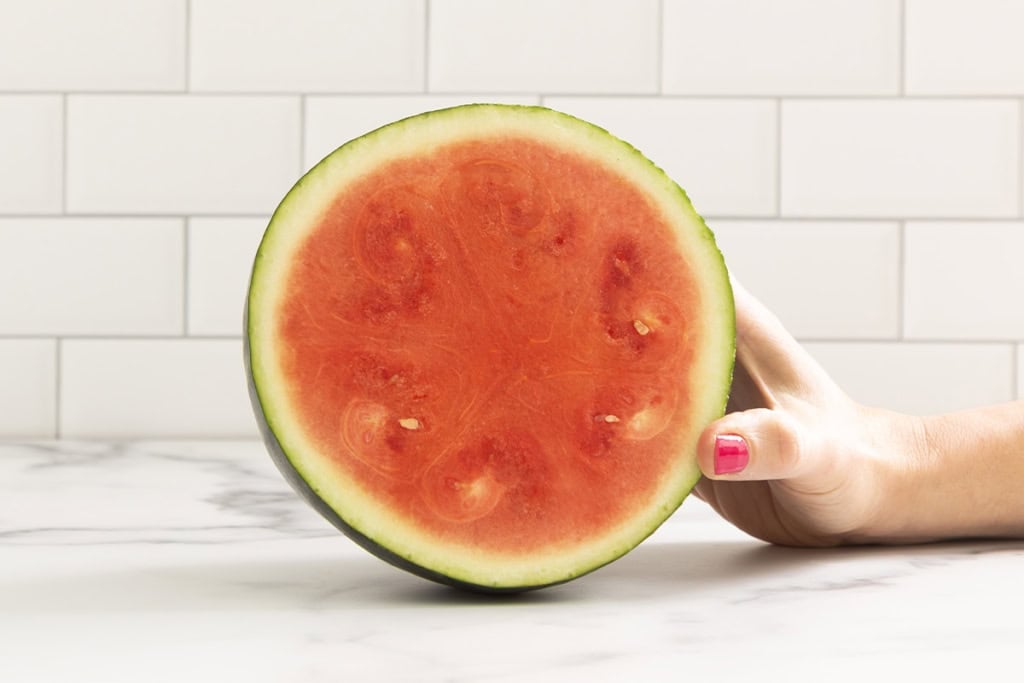
- Selection and Slicing: A fresh, seedless or seeded watermelon is washed thoroughly and halved on a stable cutting board.
- Slab Formation: The halves are sliced into thick, uniform slabs, removing the outer green rind.
- Fry Creation: Using the crinkle cutter, the fruit slabs are sliced lengthwise into batonnets that measure roughly the width and length of standard potato fries.
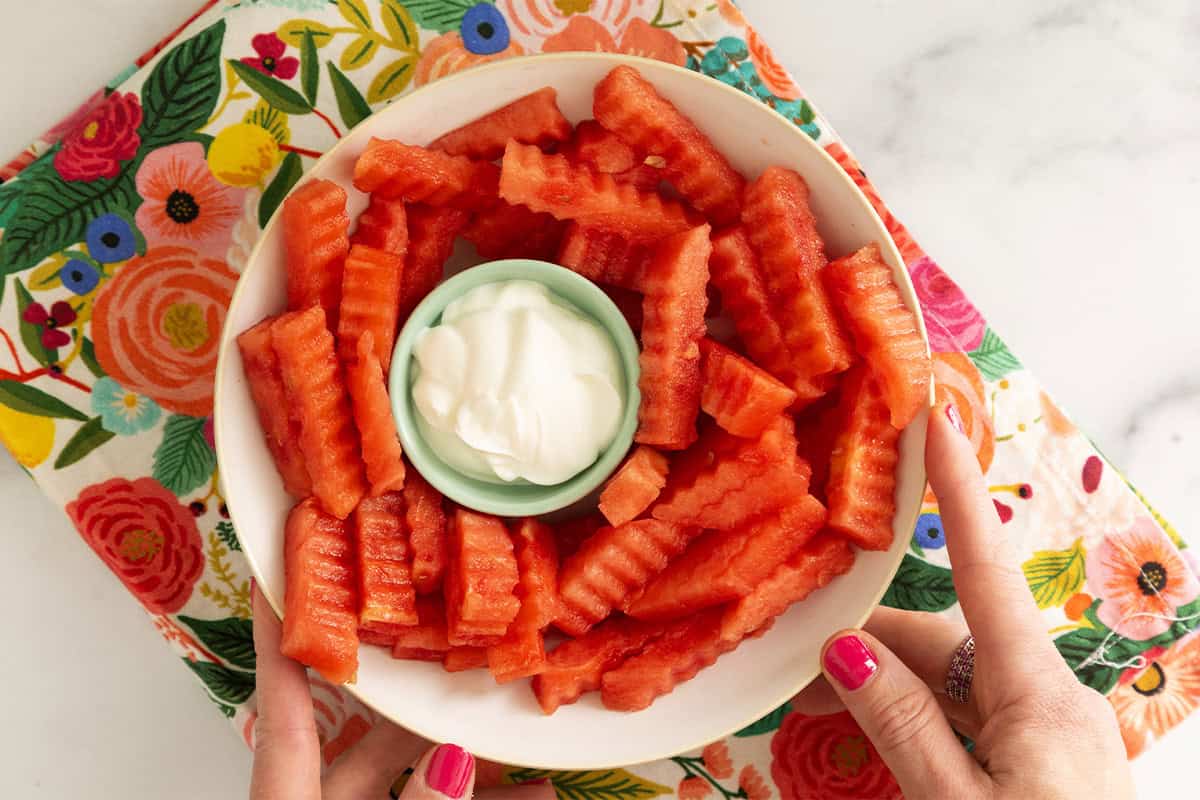
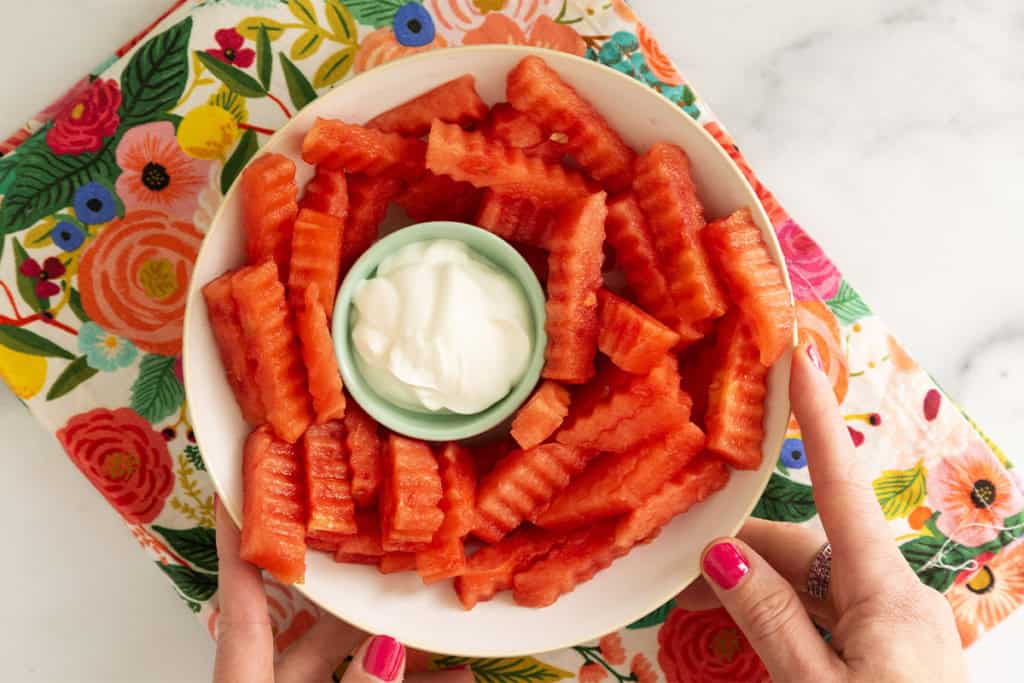
This specific shaping not only enhances the tactile appeal for toddlers practicing their pincer grasps and motor skills but also provides functional ridges that assist in holding various dipping sauces.
Pairings, Dips, and Flavor Enhancements
While plain watermelon batonnets offer natural sweetness, hydration, and vital nutrients, the addition of complementary dips elevates the snack into an interactive culinary activity. Nutritionists and home cooks recommend several pairing options depending on the occasion and dietary requirements:
- Dairy and Plant-Based Dips: Greek yogurt, vanilla-infused yogurt, blended cottage cheese, or non-dairy coconut yogurt provide a protein- or probiotic-rich contrast to the high-water-content fruit.
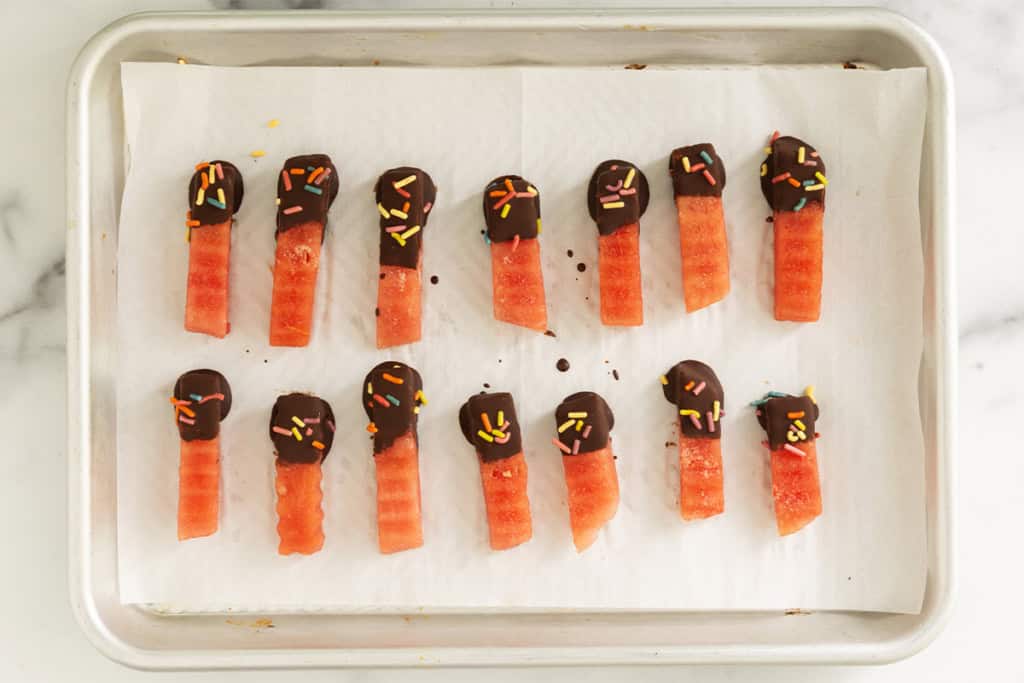
- Indulgent Twists: For parties or celebratory events, dipping the ends of the watermelon fries in melted chocolate—or utilizing a hardening magic chocolate shell—creates a gourmet sweet treat.
- Textural Accents: Light dustings of edible sprinkles, finely grated lime zest, or a tiny pinch of sea salt can accentuate the natural flavor profile of the melon, offering a sophisticated flavor contrast for adult guests at gatherings.
Nutritional Profile and Dietary Advantages
From a dietary standpoint, watermelon is exceptionally nutrient-dense, making these fries a powerhouse snack for growing children. A standard one-cup serving of prepared watermelon fries yields approximately 169 calories, though pure watermelon naturally contains fewer calories per volume; the inclusion metrics account for potential serving sizes and optional accompaniments. The nutritional breakdown highlights significant health benefits:
- Hydration: Watermelon is composed of approximately 92% water, making it an invaluable tool for maintaining electrolyte balance and hydration during high-temperature months.
- Vitamins and Minerals: The fruit is a rich source of Vitamin C (supplying roughly 46 milligrams per standard metric) and Vitamin A, which support immune function and ocular health. It also provides substantial potassium (630 milligrams) for muscle and nerve function.
- Macronutrients: The recipe is naturally low in total fat (approximately 1 gram) and sodium (6 milligrams), while offering roughly 2 grams of dietary fiber and 35 grams of naturally occurring fruit sugars alongside 3 grams of plant protein when paired with dairy options.
Versatility Across Produce and Broader Implications
The methodology behind watermelon fries is not restricted to a single fruit variety. Culinary adaptation experts note that the same crinkle-cutting technique can be successfully applied to other firm or semi-firm fruits, including mangos, crisp apples, pears, and alternative melons such as cantaloupe or honeydew. This versatility allows meal planners to maintain novelty in children’s snack rotations without requiring entirely new recipes.
Furthermore, the longevity of the prepared snack adds to its practical appeal. When stored correctly in an airtight container within a refrigerated environment, cut watermelon fries retain their structural integrity and crisp texture for up to five days, reducing food waste and streamlining meal prep for busy households.
Industry Response and Expert Analysis
Pediatric dietitians and child development specialists have increasingly endorsed playful food presentation as a legitimate strategy for expanding dietary repertoires. Research in nutritional psychology indicates that children are more likely to sample foods that they perceive as novel, fun, or associated with positive social contexts, such as parties and family gatherings. By reframing fruit through familiar cultural food archetypes—such as "fries" and "dip"—caregivers can successfully mitigate food neophobia, the fear or reluctance to try new or unfamiliar foods.
As consumer interest in clean eating, whole foods, and aesthetically pleasing culinary presentations continues to grow across digital platforms, simple innovations like watermelon fries demonstrate how minor adjustments in kitchen preparation can yield significant positive changes in children’s dietary habits.