The Benefits of Goat Milk-Based Formula for Babies: Is It Right for Your Baby?


Choosing an infant formula can feel overwhelming, with a multitude of options available in the market. While cow milk-based formulas are the most common, parents are increasingly exploring goat milk-based alternatives. This article delves into the differences between goat and cow milk-based infant formulas, their nutritional profiles, and considerations for parents deciding if goat milk-based formula is the right choice for their infant.
Understanding Infant Formula and Nutritional Standards
Infant formula is designed to be a safe and nutritionally complete alternative to breast milk. Regardless of the base ingredient, all infant formulas sold in regulated markets like the U.S. must adhere to stringent government standards. These regulations ensure that formulas meet minimum and maximum levels for essential nutrients, including protein, iron, fats, and vitamins, crucial for healthy infant growth and development. For instance, the U.S. Food and Drug Administration (FDA) sets these standards, alongside bodies like the European Union and Health Canada, which also maintain rigorous requirements. Brands like Kabrita, for example, meet these high international standards.

What is Goat Milk-Based Infant Formula?
Simply put, goat milk-based infant formula utilizes goat milk as its primary ingredient, differentiating it from the more prevalent cow milk-based formulas. While cow milk has historically been the standard base for infant nutrition, goat milk formulas are gaining popularity as parents seek diverse options for their infants.
Safety and Nutritional Equivalence of Goat Milk Formula
Goat milk-based infant formula is recognized as a safe and nutritionally adequate alternative to cow milk-based formulas. Extensive research supports its ability to foster healthy growth and development in infants. Organizations like the American Academy of Pediatrics (AAP) and the FDA acknowledge goat milk-based formula as a suitable option for infant nutrition. Crucially, all infant formulas, including those derived from goat milk, must comply with strict government regulations. This means that whether a formula is cow milk-based or goat milk-based, it is rigorously tested and formulated to meet the specific nutritional needs of infants. This adherence to established nutrient profiles ensures that key components like protein, iron, fats, and vitamins are present in appropriate quantities for optimal development.
Potential Benefits of Goat Milk Formula for Infants
While research continues to explore the nuances, some studies suggest potential advantages of goat milk-based formulas, particularly concerning digestion and similarity to breast milk.
May Be Easier on Digestion
Anecdotal reports from parents and some research suggest that goat milk-based formulas may be easier for some infants to digest. This is often attributed to the unique composition of fats and proteins in goat milk. Goat milk contains smaller fat globules and a different casein protein structure compared to cow milk. These characteristics may contribute to reduced gastrointestinal discomfort, such as gassiness, bloating, and constipation, for some infants. While not a universal solution, for parents experiencing digestive issues with their current formula, after consulting with a pediatrician, a goat milk-based option might be worth considering.
May Be Closer to Breast Milk
Breast milk is considered the optimal nutrition for infants, and while no formula can perfectly replicate it, some formulas share more characteristics with breast milk than others. Goat milk naturally possesses certain qualities that align more closely with breast milk than standard cow milk.
- Higher Prebiotic Content: Goat milk typically contains a higher concentration of prebiotics compared to cow milk. Prebiotics are non-digestible fibers that nourish beneficial gut bacteria, supporting a healthy gut microbiome, digestive health, and immune function. These oligosaccharides in goat milk function similarly to human milk oligosaccharides (HMOs), which are known to play a vital role in infant gut health and immunity.
- Protein Composition: The ratio of whey to casein protein in goat milk is often closer to that of breast milk. Whey is digested more easily, while casein forms curds in the stomach. Standard cow milk has a higher proportion of casein, which can sometimes be harder for infants to digest. Infant formulas often adjust this ratio by adding more whey to mimic breast milk’s composition and facilitate easier digestion.
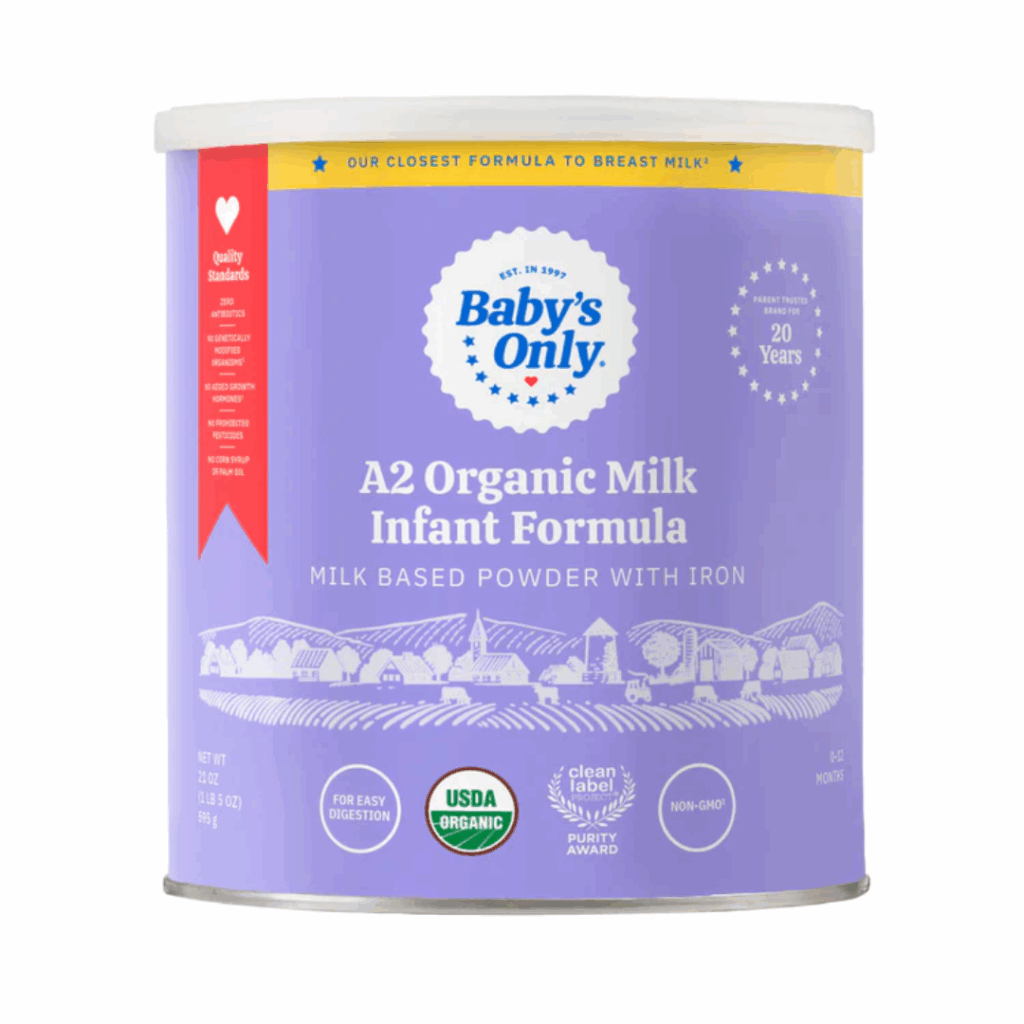
- Casein Protein Type: Cow milk contains both A1 and A2 beta-casein proteins, whereas goat milk predominantly contains A2 beta-casein, similar to human milk. The A2 casein protein is believed to be easier to digest, potentially leading to fewer gastrointestinal symptoms like gas and bloating. Some cow milk formulas also offer an A2-only option for this reason.
- Fat Globule Size: The fat molecules in goat milk are naturally smaller than those in cow milk. Smaller fat globules are generally considered easier for an infant’s developing digestive system to break down and absorb.
It’s important to note that while goat milk-based formulas share these characteristics, breast milk is a dynamic, living fluid with a complex composition that cannot be fully replicated. However, these natural attributes of goat milk can make a goat milk-based formula a closer alternative to breast milk than a standard cow milk-based formula.

Goat Milk-Based Formula vs. Cow Milk-Based Formula: A Nutritional Comparison
Delving deeper into the nutritional aspects reveals key differences and similarities between goat and cow milk-based formulas.
Casein to Whey Ratio
Both goat and cow milk contain whey and casein proteins. While both are beneficial, whey is more readily digested. Casein, on the other hand, curdles in the stomach, which can sometimes lead to digestive upset in infants. Natural goat and cow milk tend to have a higher ratio of casein to whey (around 80:20). To enhance digestibility for infants, formulas often add more whey, adjusting the ratio to be closer to that of mature breast milk (around 60:40).

Casein Protein Composition
Cow milk typically contains a mix of A1 and A2 beta-casein proteins. Goat milk, like breast milk, is almost entirely composed of A2 beta-casein. This difference is significant because A2 casein proteins form smaller, softer curds in the stomach compared to the curds formed by A1 casein. This may contribute to improved digestibility and reduced symptoms like gas and bloating. Some cow milk formulas are specifically made with A2-only milk to achieve similar digestive benefits.
Fatty Acid Profile
Fats are vital for infant growth and brain development. Key fatty acids include DHA (an omega-3) and ARA (an omega-6), which are naturally present in breast milk and crucial for cognitive and visual development. While neither cow nor goat milk inherently contains the same levels of DHA and ARA as breast milk, infant formulas are fortified to meet these requirements. Regulatory bodies, such as the European Commission, mandate the addition of DHA to infant formulas to bring them closer to breast milk composition. Formulas like Kabrita Goat Milk-Based Infant Formula are fortified with both DHA and ARA, supporting essential infant development. It’s worth noting that a baby’s brain doubles in size within the first year of life, highlighting the critical importance of these brain-supporting nutrients during this period.
Fat Globule Size
As mentioned earlier, the fat molecules in goat milk are naturally smaller than those in cow milk. This structural difference is believed to facilitate easier digestion for infants, potentially making goat milk formula a gentler option for those with sensitive stomachs.
Prebiotics
Breast milk is rich in prebiotics, which are essential for fostering a healthy gut microbiome. Goat milk naturally contains higher levels of prebiotics (ranging from 60 to 350 mg/L) compared to cow milk (30-60 mg/L). Infant formulas often include added prebiotic fibers, such as galacto-oligosaccharides (GOS) or fructo-oligosaccharides (FOS), to further support the growth of beneficial gut bacteria, promote softer stools, and potentially reduce the risk of infections.

Deciding if Goat Milk Formula is Right for Your Infant
The decision to use goat milk-based formula often stems from several common reasons:
Reason #1: Family Preference
Some families have a general preference for goat milk products due to cultural background, personal experience, or perceived health benefits, and choose to start their infant on a goat milk-based formula from the outset.
Reason #2: Seeking a Formula Closer to Breast Milk
For parents who cannot breastfeed or supplement with breast milk, finding a formula that most closely resembles breast milk is a priority. The natural attributes of goat milk, such as its protein composition, prebiotic content, and smaller fat globules, make goat milk-based formulas an appealing choice for those seeking this similarity.
Reason #3: Not Tolerating Current Formula
Many parents turn to goat milk-based formula when their infant experiences issues with their current formula. Signs of potential formula intolerance that might prompt a discussion with a pediatrician include:

- Digestive Upset: Frequent spitting up, vomiting, excessive gas, bloating, or discomfort during or after feeding.
- Bowel Irregularities: Constipation (infrequent, hard stools) or diarrhea (frequent, watery stools).
- Skin Issues: Eczema or rashes that appear or worsen after feeding.
- Behavioral Changes: Increased fussiness, irritability, or difficulty settling after feeds.
It is crucial to consult a pediatrician if you suspect your infant is not tolerating their formula. They can help identify the cause and recommend appropriate alternatives, which may include goat milk-based formulas, hydrolyzed formulas, or amino acid-based formulas, depending on the specific issue.
A Note on Formula Allergy
It is essential to distinguish between formula intolerance and formula allergy. While intolerance often involves digestive discomfort, a true allergy is an immune system response. Symptoms that may indicate a medical emergency, such as an allergic reaction, require immediate medical attention. These can include:

- Severe Vomiting or Diarrhea: Especially if accompanied by blood.
- Hives or Swelling: Particularly around the face, lips, or tongue.
- Difficulty Breathing: Wheezing or shortness of breath.
- Lethargy or Extreme Irritability: Beyond typical fussiness.
Goat milk-based formula is generally not a suitable alternative for infants diagnosed with Cow’s Milk Protein Allergy (CMPA). CMPA affects a significant number of infants, and the proteins in goat milk are similar enough to cow milk proteins that cross-reactivity is common, meaning an infant with CMPA is likely to react to goat milk as well. For CMPA, specialized hypoallergenic formulas, such as extensively hydrolyzed or amino acid-based formulas, are typically recommended by healthcare professionals.
Common Questions About Goat Milk-Based Formula
Can I give my infant goat milk instead of goat milk-based formula?
No. Plain goat milk, like plain cow milk, is not suitable for infants as it lacks the precise balance of nutrients required for healthy growth and development. It is deficient in crucial elements like folate and iron in the amounts needed for infants. Infant formulas, whether cow or goat milk-based, are specifically engineered to provide all necessary nutrients in appropriate quantities.
Does goat milk infant formula taste sour?
This is a common misconception. Goat milk-based formula has a mild taste that infants generally tolerate well. Studies have indicated no significant difference in parental reports of infant enjoyment between cow and goat milk-based formulas.
Does goat milk-based formula lack folic acid?
While natural goat milk contains less folate than cow milk, infant formulas are fortified to meet all nutritional requirements. Goat milk-based formulas are regulated to ensure they contain adequate levels of folic acid, a vital nutrient for red blood cell production and cognitive development.

Can goat milk formula be used for an infant with cow milk protein allergy?
No. Due to the high risk of allergic cross-reactivity between cow and goat milk proteins, goat milk-based formula is typically not recommended for infants with diagnosed Cow’s Milk Protein Allergy (CMPA).
Conclusion and Recommendations
Goat milk-based infant formula offers a nutritionally sound alternative that may provide digestive benefits for some infants. Its natural composition, including easier-to-digest proteins and prebiotics, can make it a gentler option. However, it’s crucial to remember that not all infants will benefit from a switch, and some cow milk-based formulas are also designed with enhanced digestibility features.

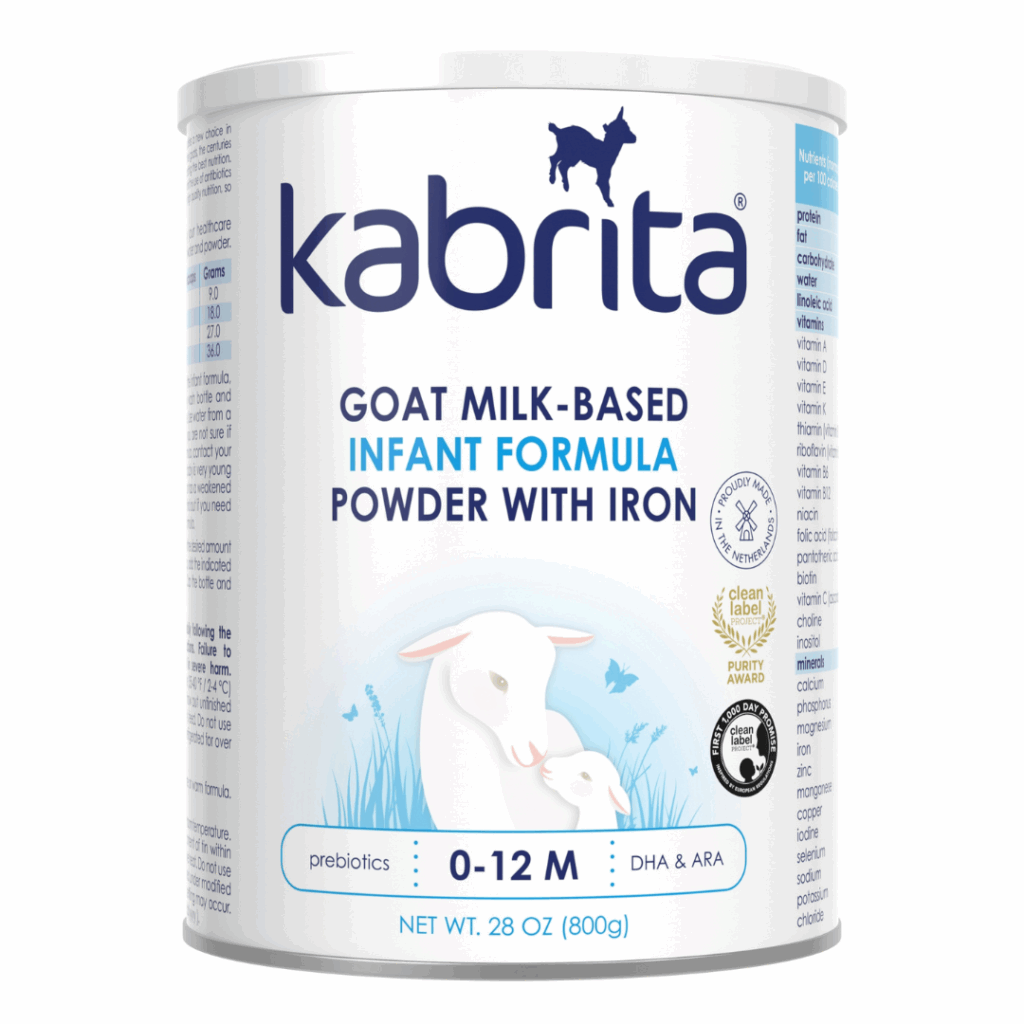
The pediatric dietitian and feeding expert team at My Little Eater recommends Kabrita Goat Milk-Based Infant Formula. This European-made formula meets stringent quality standards and is formulated with grass-fed milk, added DHA and ARA for brain health, and increased whey protein to support gentle digestion. It encapsulates the potential benefits of goat milk while adhering to high nutritional benchmarks.
Ultimately, the best formula for an infant is one that supports their growth, development, and well-being. Always consult with a pediatrician or a registered pediatric dietitian before making any changes to your infant’s feeding regimen. They can provide personalized guidance, rule out underlying medical conditions, and help you navigate the best choices for your baby.
Related posts: