The Magic of the Modern Aunt and Uncle: How Extended Family Dynamics and Long-Distance Bonds Shape Childhood Development

Family structures in the twenty-first century continue to evolve beyond the traditional nuclear household, placing a renewed emphasis on the profound impact of extended relatives. Among these, aunts and uncles occupy a unique, highly influential space in the lives of children—often acting as confidants, mentors, and bridges between parental authority and independent youth. Recent sociological discussions and widespread personal reflections highlight a cultural shift in how extended family members invest emotionally and logistically in their nieces and nephews, affectionately referred to in modern vernacular as "nibblings."
While geographic dispersion, familial estrangements, and modern economic pressures frequently complicate these relationships, adults across demographics are finding innovative ways to cultivate deep, enduring bonds across the miles. From dedicated traditions like annual "yes days" to digital-age communication strategies, the contemporary role of the aunt and uncle has transformed into an intentional, highly cherished facet of modern family life.
The Evolving Role of Extended Family in Child Development
Child development experts have long emphasized the importance of alloparenting—the concept that child-rearing is a communal effort involving individuals other than the biological parents. Historically, agrarian and tight-knit community structures naturally provided children with a village of supportive adults. In contemporary mobile societies, where families often scatter across states or continents, maintaining that village requires deliberate effort.
Aunts and uncles frequently occupy a distinct developmental niche for growing children. Because they do not carry the daily burden of discipline and boundary enforcement, they can offer a unique form of unconditional validation. Research in family dynamics suggests that having an alternative trusted adult can mitigate adolescent stress, provide diverse perspectives on life choices, and serve as a safe harbor during familial friction.
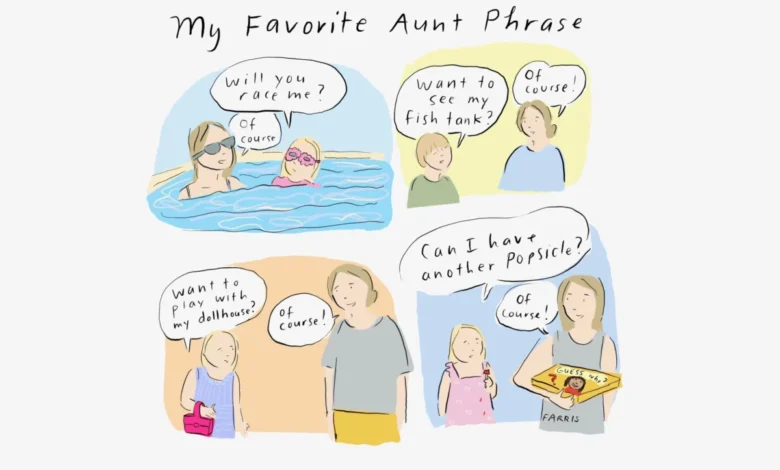
For many adults, stepping into the role of an aunt or uncle provides an opportunity to mend or rewrite familial narratives. Whether compensating for a lack of extended family support in their own childhoods or embracing a chosen-family dynamic, modern adults are approaching these relationships with unprecedented intentionality. The cultural catchphrase of simply responding with an unqualified "Of course!" to a niece or nephew’s request encapsulates a broader ethos of radical availability and emotional generosity.
Bridging the Distance: Creative Connection Strategies for Long-Distance Aunts and Uncles
One of the primary hurdles facing modern extended families is geographic separation. With career opportunities and housing markets dispersing families across different time zones, maintaining intimacy with toddlers and young children requires creativity that transcends traditional phone calls.
Families navigating cross-country or international dynamics have increasingly turned to interactive, multi-media approaches to bridge the physical gap. Among the most popular strategies documented within family communities are:
- Asynchronous Video Exchanges: Rather than relying on real-time FaceTime calls—which often challenge the fleeting attention spans of toddlers—family members engage in daily or weekly video question-and-answer chains. Simple prompts about favorite foods, daily activities, or whimsical hypotheticals allow children to build familiarity at their own pace.
- The Renaissance of Snail Mail: In an era dominated by screens, physical mail carries a distinct novelty for children. Regular shipments of postcards from travel destinations, custom stickers, novelty treats like Pop-Rocks, and hand-drawn pictures with stamped return envelopes encourage bidirectional communication and literacy skills.
- Immersive Virtual Tours: Rather than stationary face-to-face conversations, adults take children on mobile tours of their backyards, showcase personal collections of objects, or narrate mundane household tasks like organizing a junk drawer, transforming everyday life into an engaging virtual adventure.
- Shared Remote Rituals: Families separated by distance often establish parallel routines, such as simultaneous baking challenges, joint puzzle completions, or reading identical books via video link to maintain shared cultural touchpoints.
These micro-interactions accumulate over time, ensuring that physical distance does not translate into emotional detachment. When in-person visits finally occur, the groundwork laid through digital and postal correspondence allows for seamless bonding.
Navigating Family Estrangement and Grief
While many narratives surrounding extended family highlight joy and connection, the reality of modern family life also includes complex grief. Familial estrangements—whether driven by ideological differences, mental health challenges, or interpersonal conflict—frequently disrupt the anticipated roles of aunts and uncles.
The sudden alienation of a sibling can abruptly sever an adult’s access to a newborn niece or nephew, resulting in a disenfranchised form of grief that is rarely acknowledged in formal counseling spaces. Many adults report a profound sense of loss not only for the adult sibling relationship but for the missed opportunity to serve as a proximal, daily presence in a child’s life—such as providing weekly childcare or attending school milestones.
Conversely, some adults find that investing deeply in the nieces and nephews they do have access to acts as a restorative mechanism. These relationships can provide emotional healing, offering a space to practice unconditional care and generosity that remedies past relational wounds. As children mature into young adulthood, these bonds often shift into reciprocal mentorships, with younger generations turning to their aunts and uncles for guidance on complex life milestones, ranging from financial planning and career advice to emotional support during transitional phases.
Cultural Traditions and the Power of "Yes Days"
To solidify these bonds, many adults establish personalized traditions that children anticipate year after year. One notable trend is the establishment of bespoke holidays dedicated entirely to a specific niece or nephew.
For instance, annual celebrations where a child is granted the autonomy to design an itinerary—ranging from visiting distant parks and consuming specific treats to engaging in marathon board game sessions—foster deep feelings of agency and security. When the accompanying adult responds to every reasonable whim with an unwavering affirmation of "Of course," it reinforces a powerful message of priority and affection.
These traditions extend beyond early childhood. Aunts and uncles frequently find themselves participating in unexpected physical challenges at the behest of older children—ranging from braving intimidating water slides to navigating complex financial documents, such as reviewing retirement account enrollment packages for a twenty-something nephew entering the workforce. This lifelong adaptability ensures that the relationship evolves from playground camaraderie into a durable, lifelong alliance.
Broader Implications for Sociological Support Systems
The increasing reliance on extended family networks highlights a broader shift in how society views emotional infrastructure. As traditional community institutions weaken and economic pressures strain nuclear households, the emotional safety net provided by extended family members becomes increasingly critical.
Public policy and workplace flexibility initiatives that acknowledge the role of extended family—such as bereavement leave for non-nuclear relatives or recognition of chosen family structures—remain subjects of ongoing discussion among sociologists and labor advocates. As the definition of family continues to broaden to encompass diverse configurations, the intentional labor performed by aunts, uncles, and mentors is increasingly recognized as a vital pillar of social stability and child well-being.
Ultimately, whether separated by an ocean or living mere blocks away, the modern aunt and uncle embody a unique intersection of unconditional love and deliberate connection. By leveraging modern communication tools alongside timeless traditions, these family members continue to shape the emotional landscapes of future generations, proving that a village can be sustained across any distance through simple, recurring acts of affirmation.