Navigating the Teen Body Piercing Request: A Guide to Assessing Readiness, Safety, and Communication

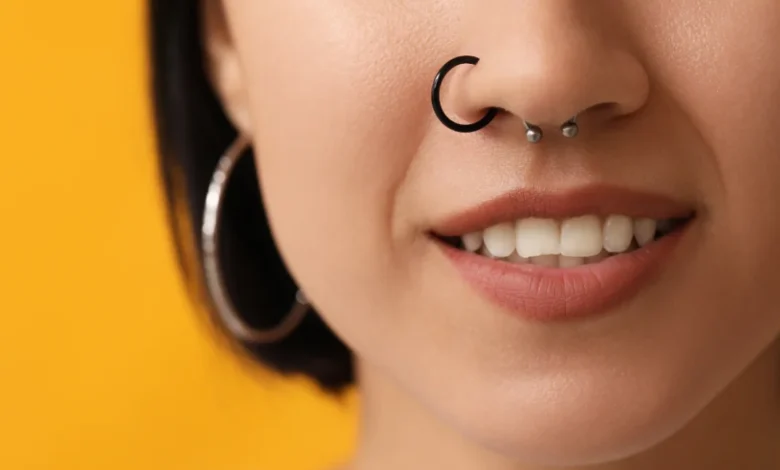
When a teenager approaches their parents with a request for a body piercing, the immediate reaction in the household often sets the tone for the entire negotiation. Before evaluating the merits of the specific request itself, parenting experts and adolescent health specialists suggest that the initial response from a caregiver is critical. Rather than meeting the request with an automatic refusal or an impulsive approval, parents are encouraged to pause and evaluate the foundational moment of the conversation. This initial interaction serves as an opportunity to model constructive communication, validate the teenager’s developing autonomy, and lay the groundwork for a collaborative decision-making process.
The Complexity of Teen Readiness and Age Guidelines
Age is frequently the first metric parents look to when deciding whether to permit a piercing, but medical professionals stress that chronological age tells only part of the story. A teenager may possess the maturity required for one specific type of piercing while remaining entirely unready for another. Furthermore, two teenagers of the exact same age can exhibit vastly different levels of physical and emotional readiness.
The American Academy of Pediatrics (AAP) addresses body modification through broad guidance that focuses heavily on individual maturity rather than mandating a universal age threshold. According to the AAP, the central question should not be whether a teenager has reached a specific birthday, but whether they have developed the maturity and responsibility necessary to properly care for the piercing site.
This nuanced approach recognizes that adolescence is a period of rapid and uneven development. While a 13-year-old with an established track record of personal hygiene and responsibility may be entirely prepared for a standard earlobe piercing, a 16-year-old who routinely struggles with basic hygiene routines may lack the discipline required to manage the aftercare of an open wound. Readiness, therefore, is a composite measure of demonstrated responsibility, impulse control, and an understanding of the physiological commitments involved.
The Ultimate Objective: Long-Term Relationship and Decision-Making
Child development experts emphasize that parental responses to body modification requests carry implications that extend far beyond the jewelry itself. The ultimate goal of navigating these discussions is not to "win an argument" or establish absolute control over a teenager’s aesthetic choices. Instead, the primary objective is to foster the growth of a capable young person who is equipped to make increasingly thoughtful, independent decisions.
Moreover, how parents handle these pivotal requests influences whether adolescents will continue to seek guidance from them as they encounter more complex life challenges. Maintaining an open, non-judgmental line of communication ensures that while teenagers learn how to navigate autonomy, they still feel comfortable consulting their parents. Shutting down the conversation prematurely or reacting with hostility can inadvertently drive teens to seek out unsafe, unregulated alternatives behind their parents’ backs.
Assessing Risk Levels Across Different Types of Piercings
Not all piercings carry the same physiological risks, and understanding these differences is vital for both parents and teens. Standard earlobe piercings generally involve simpler aftercare protocols and significantly lower complication rates compared to piercings located in cartilage, facial tissue, or the hands.
However, medical professionals caution that a "safer" piercing is not synonymous with a risk-free procedure. Infection, allergic reactions to certain metals, and prolonged healing times remain possibilities with any break in the skin.
When evaluating different categories of body modifications, piercing professionals and healthcare providers typically categorize risk based on anatomy and placement:
- Earlobe Piercings: Generally considered the lowest-risk procedures due to high vascularity in the fleshy part of the ear, which often facilitates faster healing times.
- Cartilage Piercings (e.g., Helix, Tragus, Daith): These areas receive less blood supply than the earlobe, resulting in significantly slower healing periods and an increased susceptibility to persistent bumps, infections, and cartilage damage.
- Facial Piercings (e.g., Eyebrow, Nostril, Lip): While common, these carry risks related to nerve damage, dental complications (in the case of oral piercings), and visible scarring if the piercing is rejected or removed.
- Dermal and Surface Piercings: Dermal piercings, which sit underneath the skin using a specialized anchor, are particularly prone to complications. Because they are often placed in areas that experience frequent movement, friction, or accidental impact—such as the hands, collarbone, or face—they carry a substantially higher risk of migration, tissue rejection, scarring, and long-term tissue damage compared to traditional trans-fixing piercings.
The Evolution of Adolescent Body Modification Trends
Body modification among adolescents is not a modern phenomenon, but the cultural landscape surrounding it has shifted significantly over the past few decades. Historically viewed as fringe or rebellious expressions, piercings have largely transitioned into mainstream fashion and personal identity markers for Generation Z and younger demographics.
According to data compiled by adolescent health organizations, a vast majority of teenagers express interest in some form of body modification by the time they reach mid-adolescence (ages 15 to 17). This cultural normalization means that parents are facing these requests earlier and more frequently than previous generations did.
As the industry has grown, so too has the awareness surrounding safety and professional standards. The Association of Professional Piercers (APP) advocates for strict studio hygiene, high-quality implant-grade materials (such as titanium or niobium), and rigorous aftercare education. This professionalization provides parents and teens with a framework to pursue modifications safely, provided the teenager demonstrates the necessary maturity to adhere to professional advice.
A Step-by-Step Chronology for Handling a Piercing Request
When a teenager initiates a conversation about getting a piercing, experts recommend a structured chronological approach to manage the discussion effectively:
-
The Initial Inquiry and Pause (Day 1)
When the request is first made, parents should resist the urge to give an immediate "yes" or "no." Instead, acknowledge the request, express curiosity about why the teen wants this specific piercing, and state that a thoughtful family discussion will follow. This pause de-escalates emotional tension and signals to the teen that their desire is being taken seriously. -
Research and Responsibility Phase (Week 1)
Assign the teenager the task of researching the procedure. This should include identifying a reputable, professional piercing studio that adheres to safety standards, understanding the specific aftercare requirements, and calculating the financial cost (including the piercing fee, jewelry, and appropriate aftercare products). This phase tests the teen’s follow-through and organizational skills. -
The Collaborative Evaluation (Week 2)
Sit down together to review the research. Parents can evaluate the physical risks associated with the specific placement—differentiating between a low-risk earlobe piercing and a high-risk cartilage or dermal modification. Concurrently, parents should assess the teen’s daily responsibility habits, such as personal hygiene maintenance and independent scheduling. -
The Decision and Agreement (Week 2 to 3)
Whether the answer is a definitive approval, a conditional "yes" contingent on a probationary period, or a structured postponement (e.g., "Let’s revisit this in six months when your grades and chore habits stabilize"), the terms should be clearly articulated. If approved, parents should accompany minors to a licensed professional studio where parental consent can be legally verified.
Statements and Perspectives from Related Parties
Pediatricians, dermatologists, and professional piercers generally advocate for a balanced, educational approach to adolescent body modifications.
Pediatricians emphasize the health implications, noting that while infections are the most common complication, improper aftercare can lead to systemic issues or permanent disfigurement, particularly in cartilage where blood supply is limited. Dermatologists frequently treat cases of contact dermatitis caused by low-quality metals like nickel, underscoring the importance of investing in hypoallergenic, implant-grade jewelry certified by organizations such as the American Society for Testing and Materials (ASTM).
Professional piercers often report that teenagers who arrive with their parents and have thoroughly researched the aftercare process make the best clients. Many reputable studios maintain strict age-verification protocols and refuse to perform certain high-risk procedures, such as oral or surface piercings, on younger adolescents regardless of parental consent, citing the ongoing development of dental structures and facial tissues.
Broader Impact and Implications of Adolescent Negotiations
The way families handle adolescent requests for body modification often serves as a microcosm for how they will manage other major developmental milestones, such as driving, dating, and financial independence. By transforming a potential conflict into an exercise in mutual respect, research, and accountability, parents help teenagers develop critical life skills.
Ultimately, a piercing is temporary, but the relational patterns established during these adolescent years endure. Approaching the conversation with patience, clear boundaries, and an emphasis on personal responsibility ensures that teenagers feel supported while learning the real-world consequences of their choices. Whether the final outcome results in a sparkling new piece of jewelry or a delayed decision, the process itself remains a valuable stepping stone on the path to adulthood.
Related posts: