Pastina with Egg: A Timeless Italian-American Culinary Staple for Comfort and Nutrition

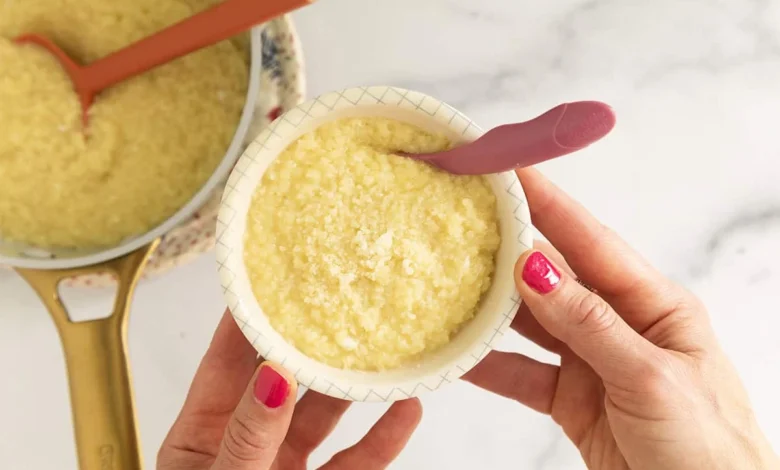
The preparation of pastina with egg stands as a hallmark of Italian-American domestic cuisine, transcending generations as both a foundational meal for children and a therapeutic food for the infirm. Characterized by its rapid preparation time—often clocking in at under ten minutes—and its high nutrient density, this dish serves as a primary example of how simple, accessible ingredients can be transformed into a functional and comforting meal. In an era where convenience often comes at the expense of nutritional quality, the persistence of this recipe in household repertoires suggests a sustained reliance on traditional, accessible staples that address both biological and psychological needs.
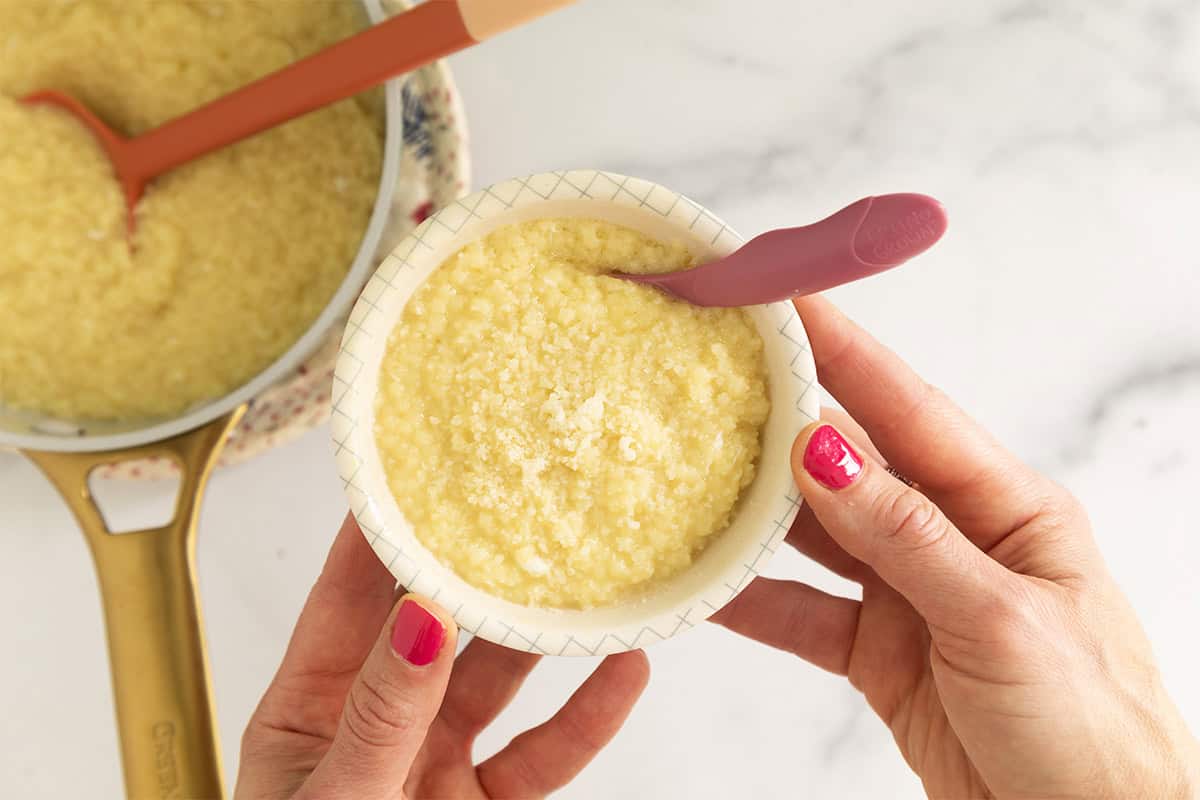
Historical Context and Cultural Significance
Pastina, which translates literally to "little pasta," refers to a variety of minuscule pasta shapes, such as stelline (stars), acini di pepe (peppercorns), or alphabet shapes. Historically, these tiny grains were a pantry necessity in Italian households, particularly during times of economic hardship or recovery from illness. The combination of pastina with egg—a technique often referred to in Italy as "pastina in brodo"—evolved within the Italian-American immigrant experience into a codified comfort food. By the mid-20th century, the dish had become widely recognized as a "sick-day" standard, praised for its ease of digestion and its ability to provide immediate caloric support.
The cultural staying power of this dish is linked to the "cucina povera" tradition, which emphasizes the use of inexpensive, readily available ingredients to create satisfying meals. As Italian families integrated into the American landscape, the recipe retained its status as a foundational food for weaning infants and supporting recovery for the elderly, effectively bridging the gap between historical necessity and modern nutritional standards.
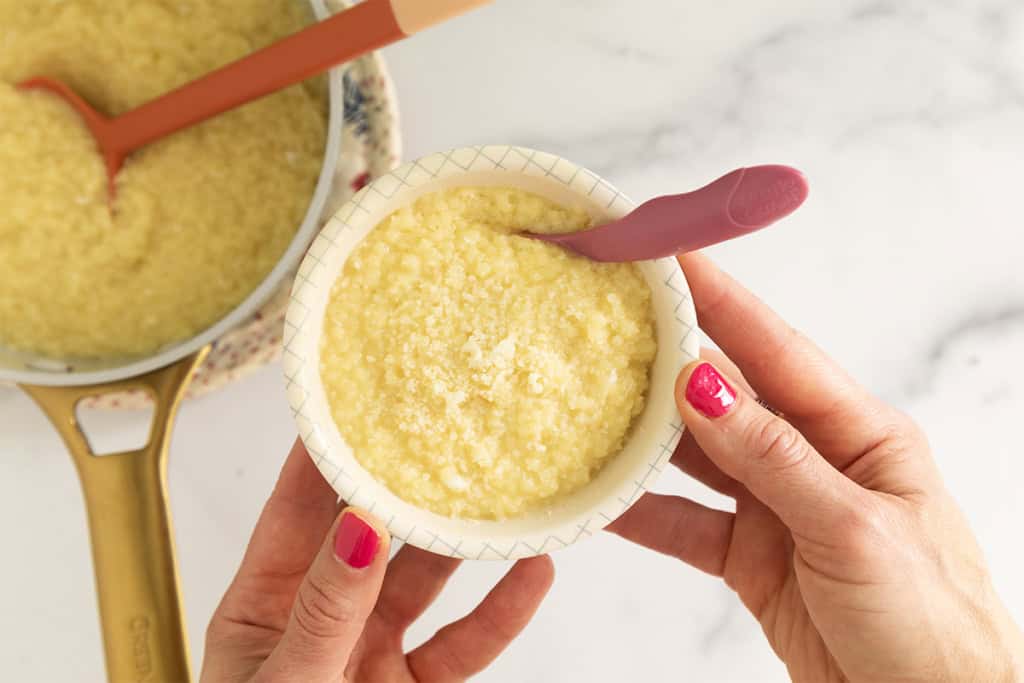
Nutritional Profile and Functional Benefits
From a clinical and nutritional standpoint, the efficacy of pastina with egg lies in its simplicity. A single one-cup serving contains approximately 219 calories, offering a balanced distribution of macronutrients: 34 grams of carbohydrates, 12 grams of protein, and 4 grams of fat. This profile makes it an ideal source of quick-release energy for individuals with limited appetites or those suffering from gastrointestinal sensitivity.
The integration of egg is the critical differentiator in this recipe. The egg serves as a high-quality protein source, providing essential amino acids that are vital for muscle maintenance and immune system support. When stirred into the hot broth and pasta, the egg creates a custard-like consistency that is not only palatable for toddlers—who may struggle with complex textures—but also easily digestible for adults recovering from illness. The inclusion of Parmesan cheese adds a small but significant dose of calcium and sodium, which can help replenish electrolytes lost during periods of malaise.
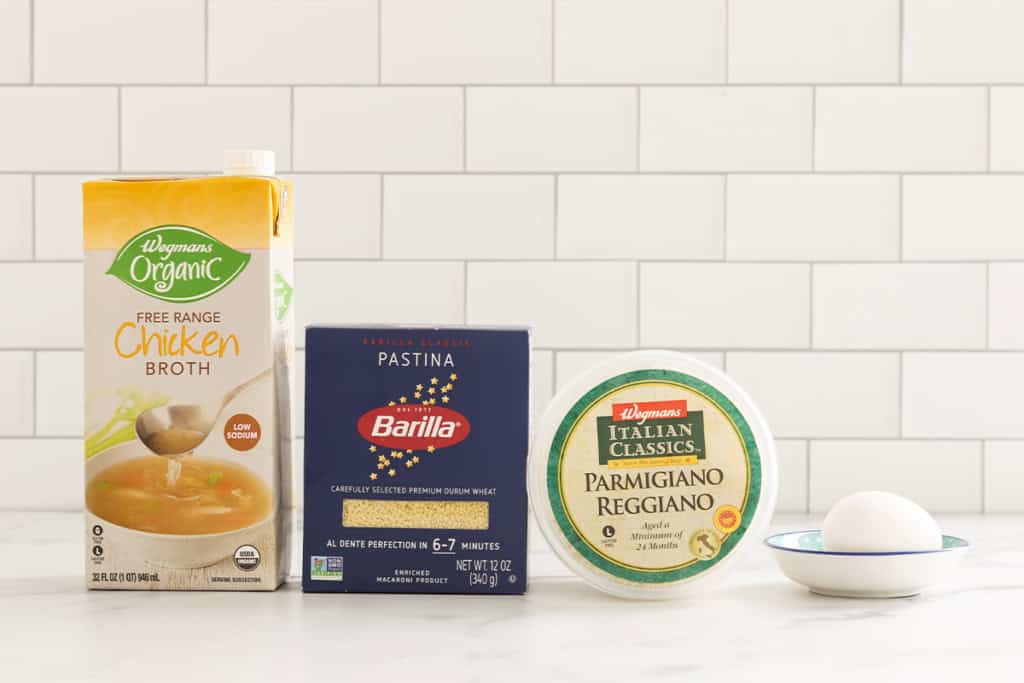
Chronology of Preparation
The assembly of the dish is a study in efficiency. While modern culinary practices often favor complex techniques, the preparation of pastina with egg follows a rigid, simplified chronology:
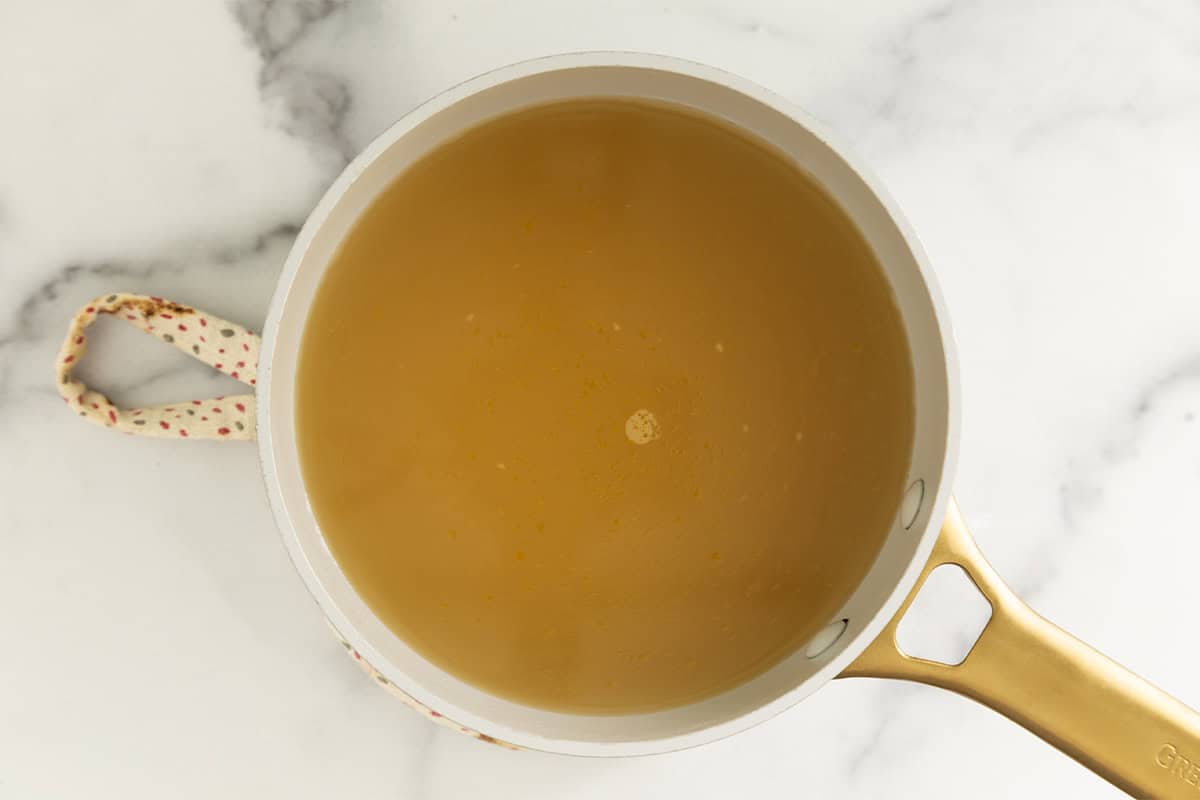
- Broth Activation: The process commences by heating a base of high-quality broth (typically chicken or vegetable) to a simmer. This serves as the flavor vehicle for the entire dish.
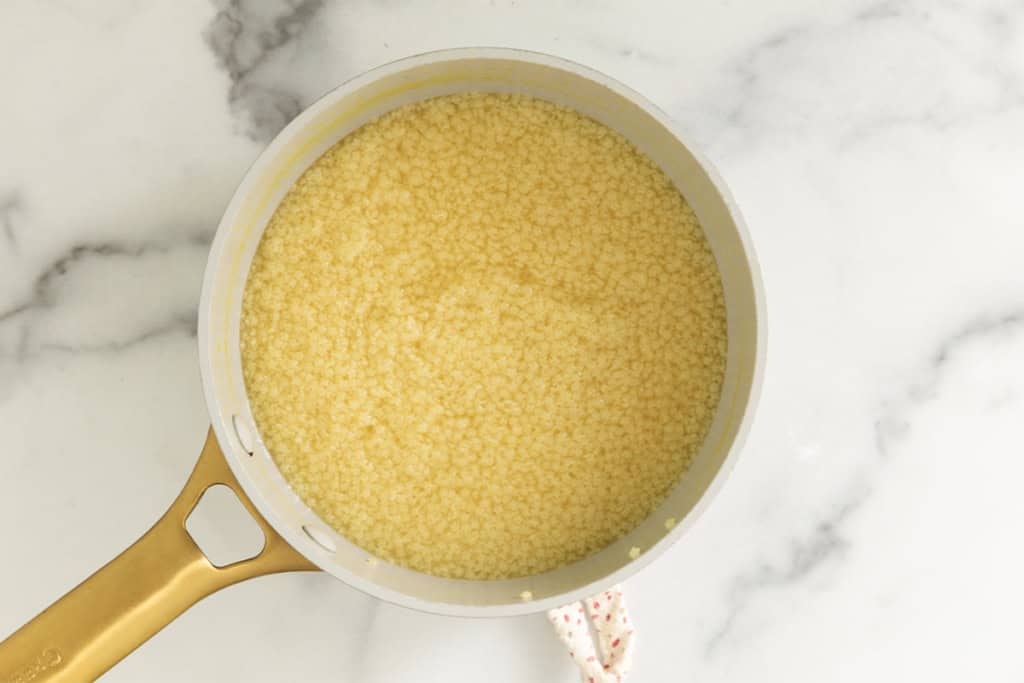
- Pasta Hydration: The pastina is introduced to the simmering liquid. Because of its small surface area, the pasta reaches an al dente state rapidly, typically within three to five minutes, while simultaneously absorbing the savory essence of the broth.
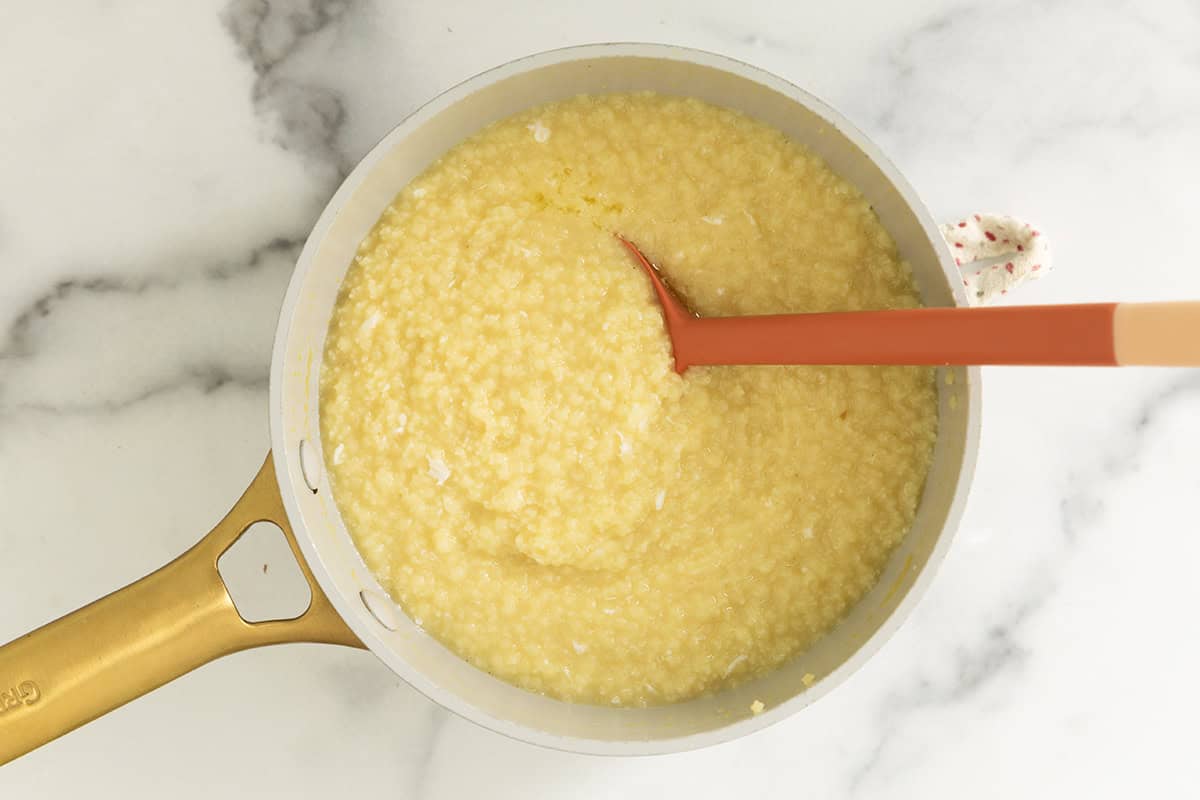
- Emulsification: Once the heat is removed, the final step involves the immediate incorporation of a beaten egg and grated cheese. The residual heat of the pasta and broth is sufficient to cook the egg gently, creating a creamy, emulsified sauce that coats the pasta grains.
- Final Seasoning: The dish is finished with freshly ground black pepper and additional cheese to taste, providing a sensory profile that is mild yet deeply satisfying.
Adaptability and Culinary Variations
The versatility of pastina with egg allows it to function as a modular platform for various dietary requirements. Culinary experts note that the dish is highly adaptable:
- Dietary Restrictions: For those requiring dairy-free alternatives, the omission of Parmesan cheese does not compromise the structural integrity of the dish. Similarly, gluten-free versions can be achieved by substituting traditional wheat-based pastina with rice-based or legume-based tiny pasta alternatives.
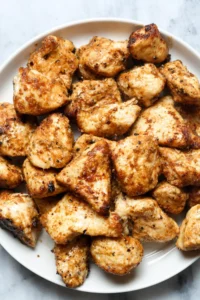
- Protein Integration: While traditionally served as a standalone meal, the dish is frequently paired with lean proteins such as baked chicken meatballs or tenderized poultry. These additions elevate the protein content, catering to the increased metabolic demands of active toddlers or recovering patients.
- Texture Modification: The consistency can be adjusted by varying the amount of broth retained during the cooking process. A "soupy" consistency is often preferred for infants, whereas a thicker, risotto-like texture is favored by older children and adults.
Broader Impact and Implications for Modern Diets
In contemporary nutritional discourse, the focus on "shortcut meals" for families often gravitates toward processed, pre-packaged foods. However, the endurance of the pastina with egg recipe highlights a shift back toward "whole-food" convenience. By relying on a base of pantry staples—broth, eggs, cheese, and dried pasta—households can bypass the additive-heavy nature of commercial convenience foods.
Furthermore, the psychological implications of such "comfort foods" cannot be overlooked. Research in behavioral nutrition suggests that the sensory memories associated with childhood foods, such as warm, soft, and savory dishes, can have a measurable impact on stress reduction. The act of preparing a meal that is both familiar and physiologically supportive creates a sense of stability, which is particularly relevant in the context of family health and recovery.
Professional Observations and Expert Consensus
Culinary professionals and child nutritionists frequently cite pastina with egg as an ideal introduction to complex flavor profiles for children. The mildness of the starch combined with the savory richness of the egg and cheese provides a gentle introduction to umami. Because the dish is easily customized, it offers a "safe" culinary environment for picky eaters, allowing parents to introduce variations—such as finely minced vegetables or herbs—without overwhelming the child’s sensory preferences.
From a supply-chain perspective, the ingredients required for this dish remain consistently affordable, ensuring that it remains accessible across different socioeconomic demographics. This accessibility is a primary factor in its longevity as a staple in the Italian-American culinary canon.
Conclusion: A Staple for the Future
As dietary trends continue to fluctuate, the reliance on traditional, nutrient-dense, and time-efficient meals like pastina with egg appears secure. The dish represents a convergence of history, nutrition, and convenience. Whether viewed as a quick dinner solution for a busy household or as a therapeutic staple for those in need of nourishment, the recipe remains a testament to the idea that effective, healthy eating does not necessitate complexity. It is, in its most fundamental form, a reflection of the enduring value of simple, intentional cooking in a fast-paced world. By maintaining these culinary traditions, households not only preserve a piece of their heritage but also ensure that a reliable, nutritious, and comforting solution is always within reach.
Related posts: