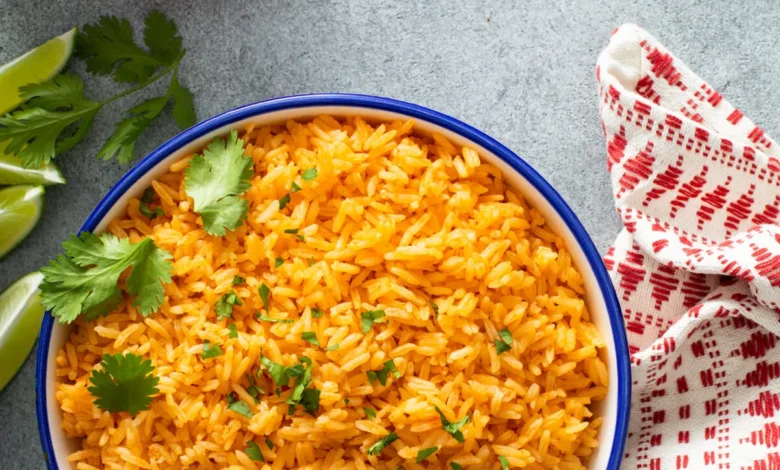
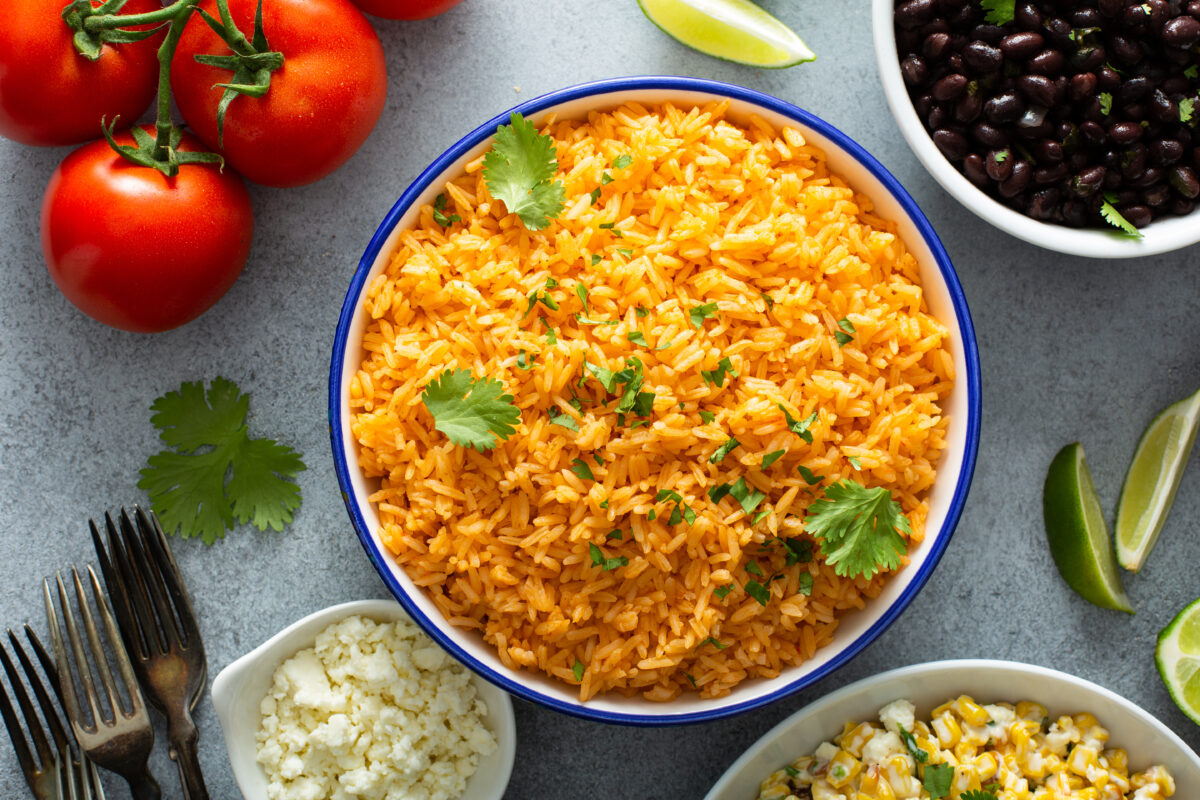
Mexican rice, a staple in kitchens across the United States and a vibrant component of Mexican and Tex-Mex cuisine, is more than just a side dish; it’s a culinary cornerstone. Often referred to as "Spanish rice," this flavorful preparation begins with the fundamental technique of lightly toasting white rice. This crucial step, performed before simmering, imparts a subtle nutty aroma and texture, ensuring each grain remains distinct and fluffy, rather than clumping into a mushy mass. The toasting process is typically followed by a harmonious blend of ingredients, including savory broth, the bright acidity of tomatoes, aromatic onions and garlic, and a medley of carefully selected spices. While the nomenclature can be fluid, with "Mexican rice" and "Spanish rice" frequently used interchangeably in American contexts, the tomato-infused variety has become indelibly linked with the robust flavors of Mexican and Tex-Mex culinary traditions.
The appeal of this particular homemade Mexican rice recipe lies in its accessibility and broad appeal. It achieves a depth of flavor without being overwhelmingly spicy, making it an ideal accompaniment for a wide range of palates, from young children to seasoned diners. Furthermore, its reliance on common pantry staples underscores its practicality, transforming everyday ingredients into something special. The convenience of a one-pan preparation significantly streamlines the cooking process and simplifies post-meal cleanup, a highly valued attribute in busy households. This recipe is lauded for its ability to elevate simple ingredients into a dish that is both satisfying and universally enjoyed.
The cornerstone of achieving perfectly fluffy Mexican rice rests on a few key culinary principles, with the toasting of the rice being paramount. This initial step, where the rice grains are gently cooked in oil until they achieve a light golden hue, is not merely for aesthetic appeal. It serves a functional purpose, enhancing the rice’s inherent flavor profile with a subtle nuttiness and, critically, creating a barrier that prevents the grains from adhering to one another during the cooking process. This technique is vital for maintaining the desired fluffy, separated texture.
Equally important is the thorough rinsing of the rice. This practice removes excess surface starch, a common culprit behind sticky or gummy rice. By rinsing the rice until the water runs clear, cooks ensure that the grains will cook up light and distinct. Once the liquid, typically broth and tomato-based components, has been introduced, a period of patient restraint is advised. The recipe emphasizes the importance of avoiding excessive stirring or frequent lifting of the lid. This conscious effort to keep the pan covered allows the rice to absorb the liquid evenly, cooking uniformly in the trapped steam, which is essential for achieving the perfect texture.
The Art of Toasted Rice: A Foundation for Flavor
The initial toasting of the rice is more than a preparatory step; it’s an elemental technique in achieving the characteristic texture and flavor of Mexican rice. This process, often involving sautéing the dry rice grains in a bit of oil until they achieve a pale golden color, serves a dual purpose. Firstly, it introduces a subtle, desirable nuttiness to the rice, elevating its flavor profile beyond that of plain boiled rice. Secondly, and perhaps more critically, it alters the surface of the rice grains. This subtle transformation helps to fortify them, making them more resistant to absorbing excessive moisture and thus preventing them from becoming gummy or mushy during the simmering process. The visual cue of lightly golden grains is the indicator of success, signaling that the rice is ready to absorb the flavorful liquids.
Rinsing: The Unsung Hero of Fluffy Grains
Before the toasting even begins, the importance of rinsing the rice cannot be overstated. Long-grain white rice, the preferred variety for its inherent texture, is coated in a fine layer of starch. This starch, if left intact, will dissolve into the cooking liquid, creating a gelatinous environment that leads to sticky, clumped rice. Rinsing the rice under cold running water, and continuing the process until the water runs mostly clear, effectively washes away this excess starch. Following the rinse, it is crucial to drain the rice thoroughly. Any residual water can disrupt the precise liquid-to-rice ratio, potentially leading to an overcooked and mushy final product. This seemingly simple step is a critical determinant of the final texture, ensuring each grain remains separate and light.
The Simmering Secret: Patience and Precision
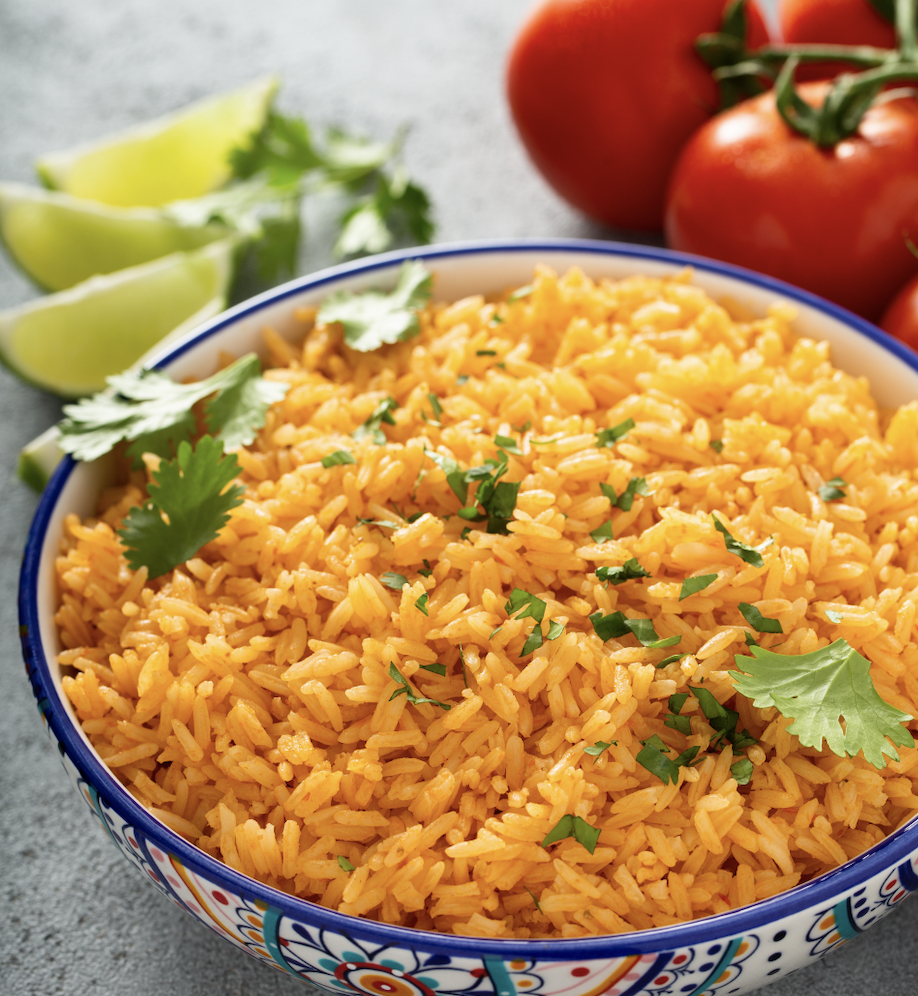
Once the toasted and rinsed rice is combined with the flavorful liquids – typically a combination of broth, tomato sauce, and aromatics – the simmering phase commences. The recipe strongly advises against excessive manipulation during this crucial period. Lifting the lid frequently allows precious steam to escape, which is essential for even cooking and moisture distribution. Similarly, stirring the rice too often can agitate the grains, breaking them down and contributing to a mushy consistency. The principle is to create a self-contained cooking environment where the rice can gently absorb the liquid and cook through undisturbed. Allowing the rice to steam undisturbed for the prescribed cooking time is fundamental to achieving the desired fluffy texture.
The Resting Period: A Final Touch of Perfection
The culinary journey of Mexican rice doesn’t conclude the moment the heat is turned off. A vital, often overlooked, final step is the resting period. Once the simmering is complete, allowing the covered pot to sit undisturbed for a brief interval, typically 5 to 10 minutes, allows the residual moisture and heat to redistribute evenly throughout the rice. This resting phase is instrumental in achieving a truly fluffy texture, making the grains easier to separate with a fork and ensuring a consistently pleasant mouthfeel. It’s a moment of culinary patience that yields significant rewards in the final dish.
Tips for Crafting the Ultimate Mexican Rice
To consistently achieve a superior Mexican rice, a few key practices can be implemented. The choice of rice is a significant factor; long-grain white rice, such as Basmati or Jasmine, is generally recommended for its ability to yield a light and separate texture. While Jasmine rice can be used, it may result in a slightly softer texture and a distinct flavor profile that differs from traditional long-grain white rice.
The rinsing and draining process is non-negotiable. Ensuring the water runs clear during rinsing and that the rice is thoroughly drained afterward is paramount to controlling the final moisture content and preventing a gummy outcome.
The toasting phase should be approached with a keen eye. The goal is a light golden hue, not a deep brown char. Over-toasting can lead to burnt flavors, while insufficient toasting will not impart the desired nutty aroma or provide adequate structural integrity to the grains.
During the simmering stage, discipline is key. Resisting the urge to peek under the lid or stir the rice is crucial for allowing the steam to work its magic. This hands-off approach ensures even cooking and prevents the release of essential moisture.
Finally, the post-cooking rest is an integral part of the process. Allowing the rice to sit, covered, for 5 to 10 minutes after cooking enables the grains to absorb any remaining steam and redistribute moisture evenly. This resting period makes the rice easier to fluff and significantly improves its overall texture.
Catering to Young Palates: Kid-Friendly Adaptations
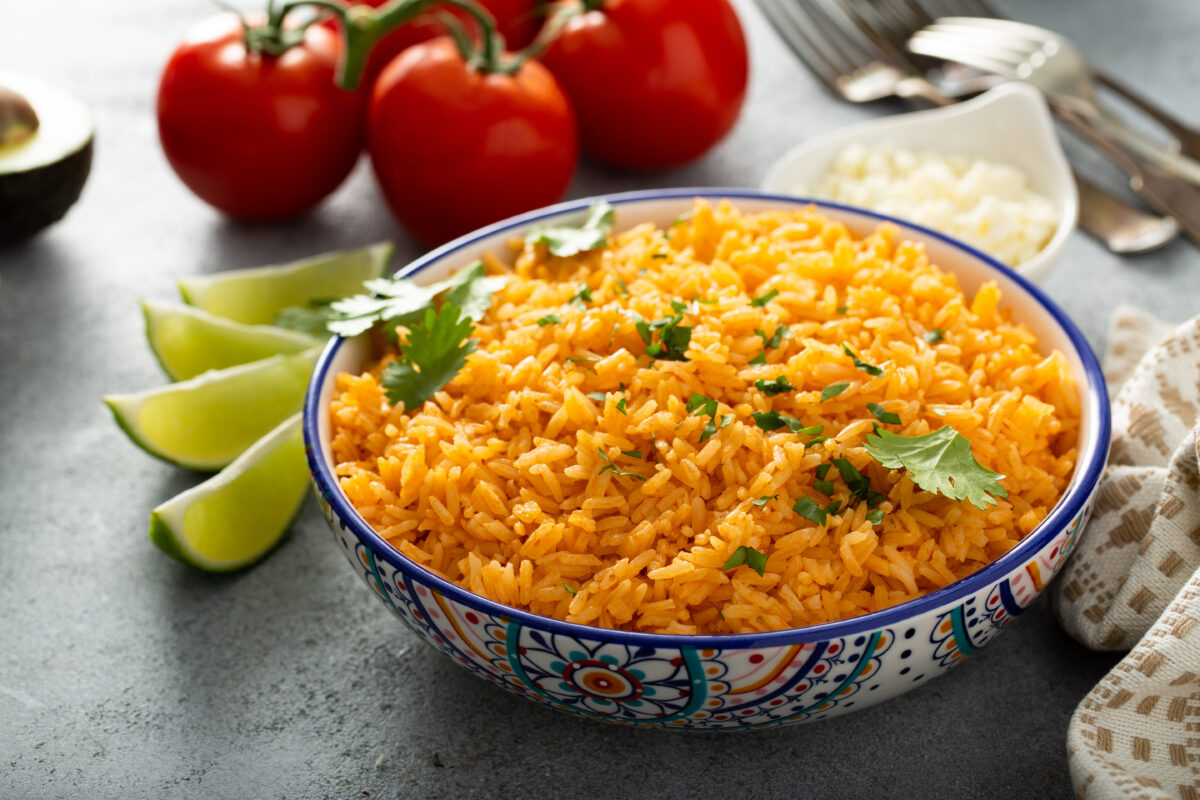
The inherent mildness of this Mexican rice recipe makes it a natural choice for families. For households with very young children or individuals with a low spice tolerance, the chili powder can be reduced or omitted entirely. An additional consideration for picky eaters involves the texture of the aromatics. If visible pieces of onion are a concern, the tomato sauce, onion, and broth can be blended together prior to adding them to the pan. This ensures a smoother consistency while still infusing the rice with the foundational flavors.
Incorporating additional vegetables is a simple and effective way to boost the nutritional content and visual appeal of the dish. Peas, carrots, corn, or finely diced bell peppers can be easily stirred in. Empowering children by allowing them to choose their preferred vegetables can increase their engagement with the meal. Frozen vegetables can be added during the resting period, while fresh vegetables are best sautéed with the onions at the beginning of the cooking process.
Exploring Culinary Creativity: Variations on a Theme
The versatility of Mexican rice extends beyond its basic preparation, offering numerous avenues for customization.
-
Vegetable Medley: For a more robust and colorful dish, consider incorporating a variety of vegetables. Frozen peas, corn, diced bell peppers, or even chopped zucchini can be added. Frozen vegetables are best introduced during the resting phase to prevent overcooking, while fresh vegetables like bell peppers or zucchini can be sautéed with the onions at the outset.
-
Bean Bonanza: To transform this side dish into a more substantial component of a meal, stir in drained and rinsed black beans or pinto beans after the rice has finished cooking. This adds protein and fiber, making the dish more filling.
-
Spicy Undertones: For those who prefer a bolder flavor profile, several options exist to introduce heat. Minced jalapeños, a pinch of cayenne pepper, crushed red pepper flakes, or a spoonful of chopped green chiles can be incorporated to tailor the spice level to individual preferences.
-
Vegetarian Transformation: A simple switch from chicken broth to vegetable broth can easily render this recipe vegetarian-friendly, aligning with diverse dietary needs and preferences.
-
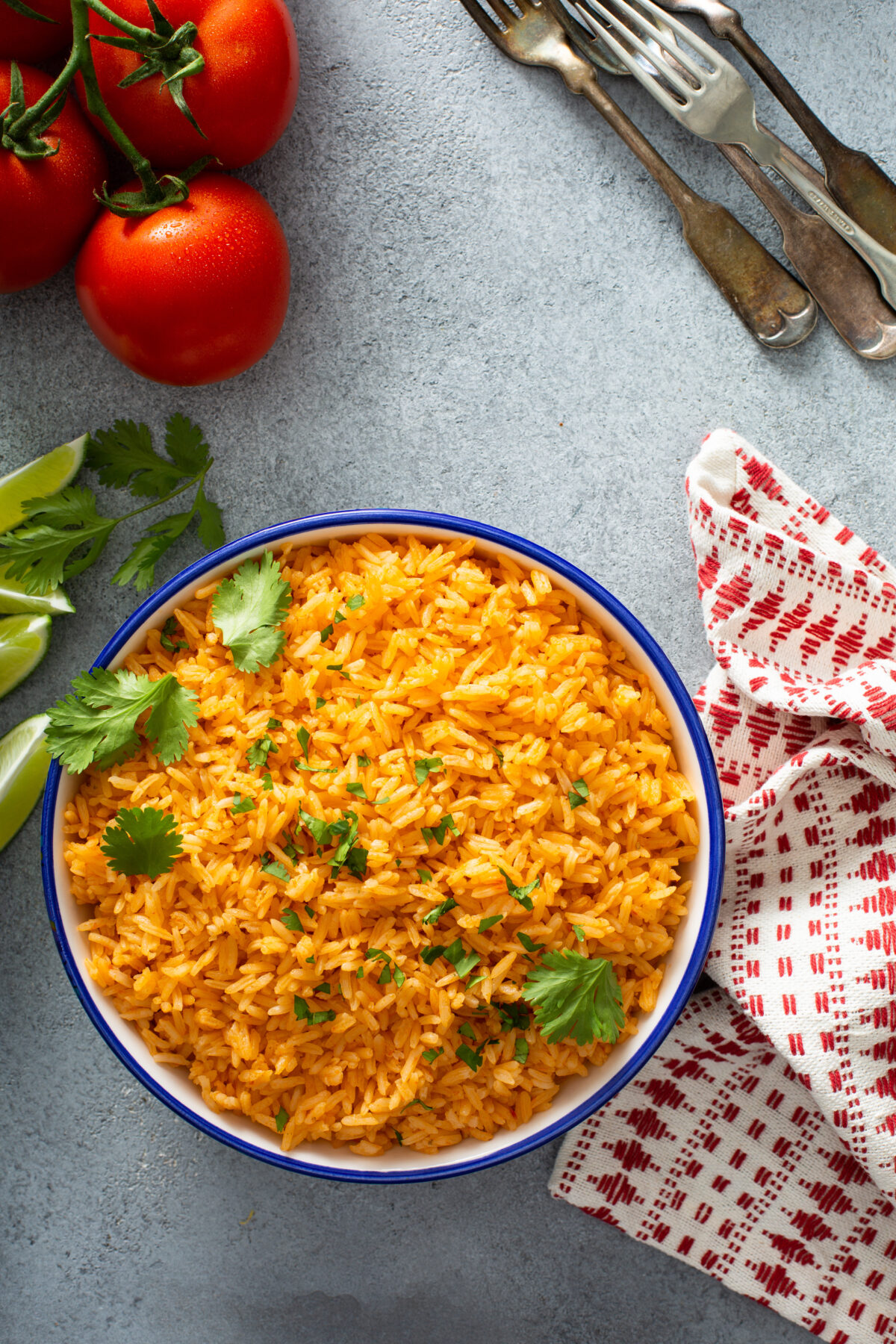
Enhanced Tomato Intensity: To deepen the tomato flavor, a portion of the broth can be substituted with additional tomato sauce, diced tomatoes, or even blended fresh tomatoes. It is important to maintain the overall liquid volume to ensure proper rice cooking.
-
Protein Power-Up: This versatile rice can also serve as a base for a complete meal. Adding shredded chicken, seasoned ground turkey, taco meat, or cooked shrimp elevates it from a side dish to a main course.
The Practicality of Storage and Preservation
The convenience of Mexican rice extends to its storage capabilities. Once cooked, allow the rice to cool completely before transferring it to an airtight container. Stored in the refrigerator, it can remain fresh for up to four days. Reheating is equally straightforward. Individual portions can be revived in the microwave by adding a small splash of broth or water, then covering with a microwave-safe lid or a damp paper towel to help restore moisture. Alternatively, reheating can be done in a covered skillet over low heat, with a tablespoon or two of broth added and stirred occasionally until warmed through.
For those engaged in meal preparation, Mexican rice freezes exceptionally well. After it has cooled completely, portion it into freezer-safe containers or resealable freezer bags. It can be stored for up to three months. Thawing can be done overnight in the refrigerator, or the rice can be reheated directly from frozen, with the addition of a splash of water or broth to prevent dryness during the reheating process.
Frequently Asked Questions: Addressing Common Culinary Queries
The journey of mastering any recipe often involves encountering and resolving common issues.
-
The Mushy Rice Phenomenon: A common pitfall is the occurrence of mushy rice. This is typically attributed to an excess of liquid, insufficient draining of rinsed rice, over-stirring, or prolonged cooking times. Precise measurement of ingredients and adherence to the recommended cooking and resting times are crucial.
-
The Brown Rice Query: While brown rice can be used, it requires a different approach. Brown rice absorbs more liquid and necessitates a longer cooking duration. It is advisable to follow the liquid ratio and cooking instructions specific to brown rice packaging, while still incorporating the tomato sauce and seasonings for flavor.
-
Instant Rice Compatibility: The recipe is not designed for instant or minute rice. These varieties cook much faster and require different liquid ratios, making them incompatible with this particular cooking method.
-
Advance Preparation: Mexican rice is an excellent candidate for advance preparation. It can be made up to three days prior and stored in the refrigerator. Reheating with a splash of broth or water will ensure it is ready to serve.
-
Spice Level Clarification: This recipe is intentionally mild and family-friendly. The chili powder provides a subtle warmth and depth of flavor rather than significant heat. For a milder dish, it can be omitted, or for a spicier version, ingredients like jalapeños and cayenne pepper can be incorporated.
The enduring popularity of Mexican rice stems from its simplicity, adaptability, and comforting familiarity. It stands as a testament to how basic pantry ingredients, combined with fundamental cooking techniques, can yield a dish that is both universally appealing and deeply satisfying. Whether served alongside a vibrant array of traditional Mexican dishes or as a standalone, hearty side, this easy Mexican rice recipe is poised to become a beloved staple in kitchens for years to come.