The Ultimate Freezer-Friendly High-Protein Meatball Recipe For Busy Weeknight Dinners

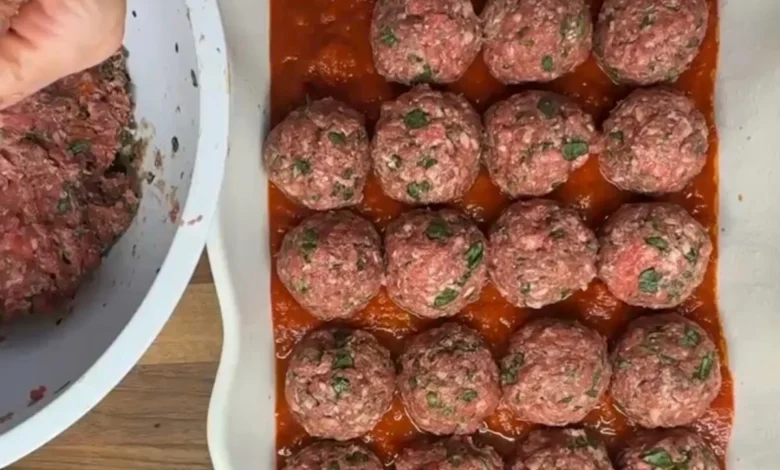
In the modern culinary landscape, the perennial challenge for households remains balancing nutritional value with preparation speed, a dilemma that culinary creators continually attempt to solve through innovative recipe design. Sara Judkins of Hungry Nutrition has recently introduced a high-protein, freezer-to-oven meatball recipe specifically engineered to alleviate the friction of weeknight meal planning. Combining extra-lean ground beef, sausage, eggs, and finely chopped spinach, the dish provides a nutrient-dense profile while remaining accessible to families, particularly children. As consumer demand rises for meal-prep solutions that reduce daily kitchen labor without compromising on dietary requirements, recipes featuring advanced make-ahead capabilities have gained significant traction across digital culinary platforms.
The genesis of this recipe lies in the intersection of nutritional efficiency and practical logistics. Modern home cooks face increasing time constraints, with evening schedules frequently fractured by extracurricular activities, professional commitments, and domestic management. Traditional weeknight cooking often forces a compromise between quick, highly processed convenience foods and time-intensive scratch cooking. Recognizing this gap, Judkins developed a formula where the most labor-intensive phases—mixing, portioning, and vegetable integration—are completed during off-peak hours, allowing the final cooking stage to be executed with minimal intervention.
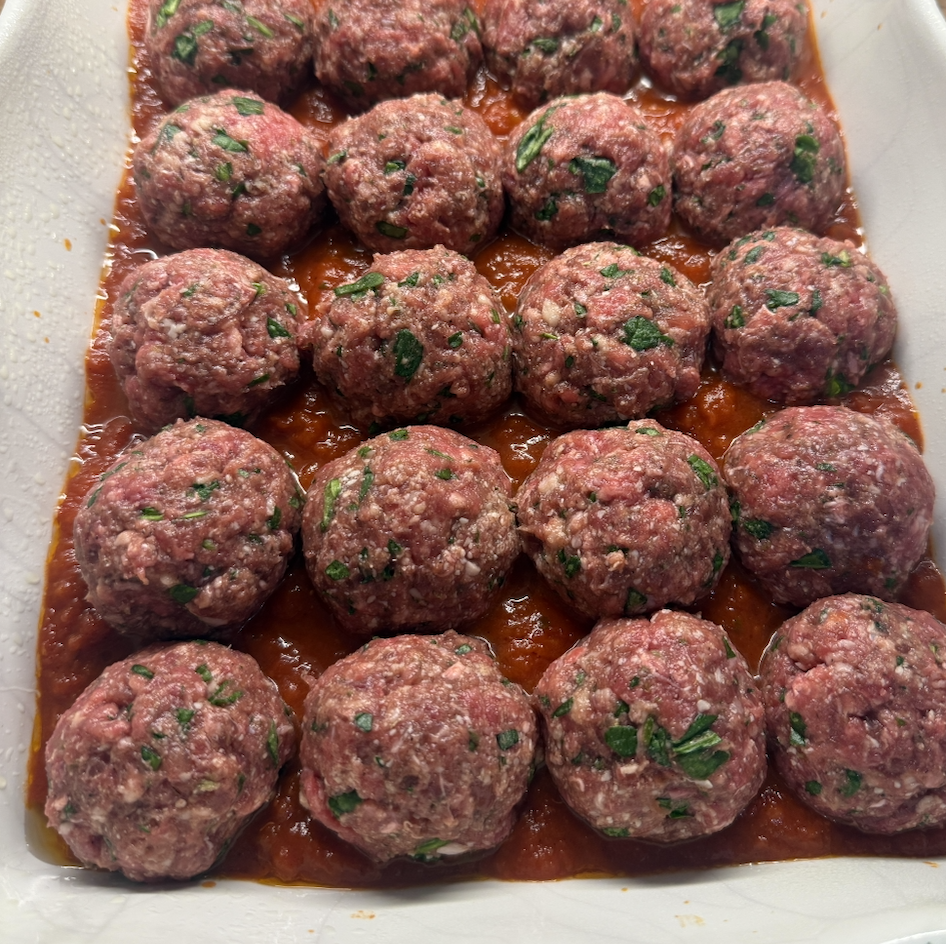
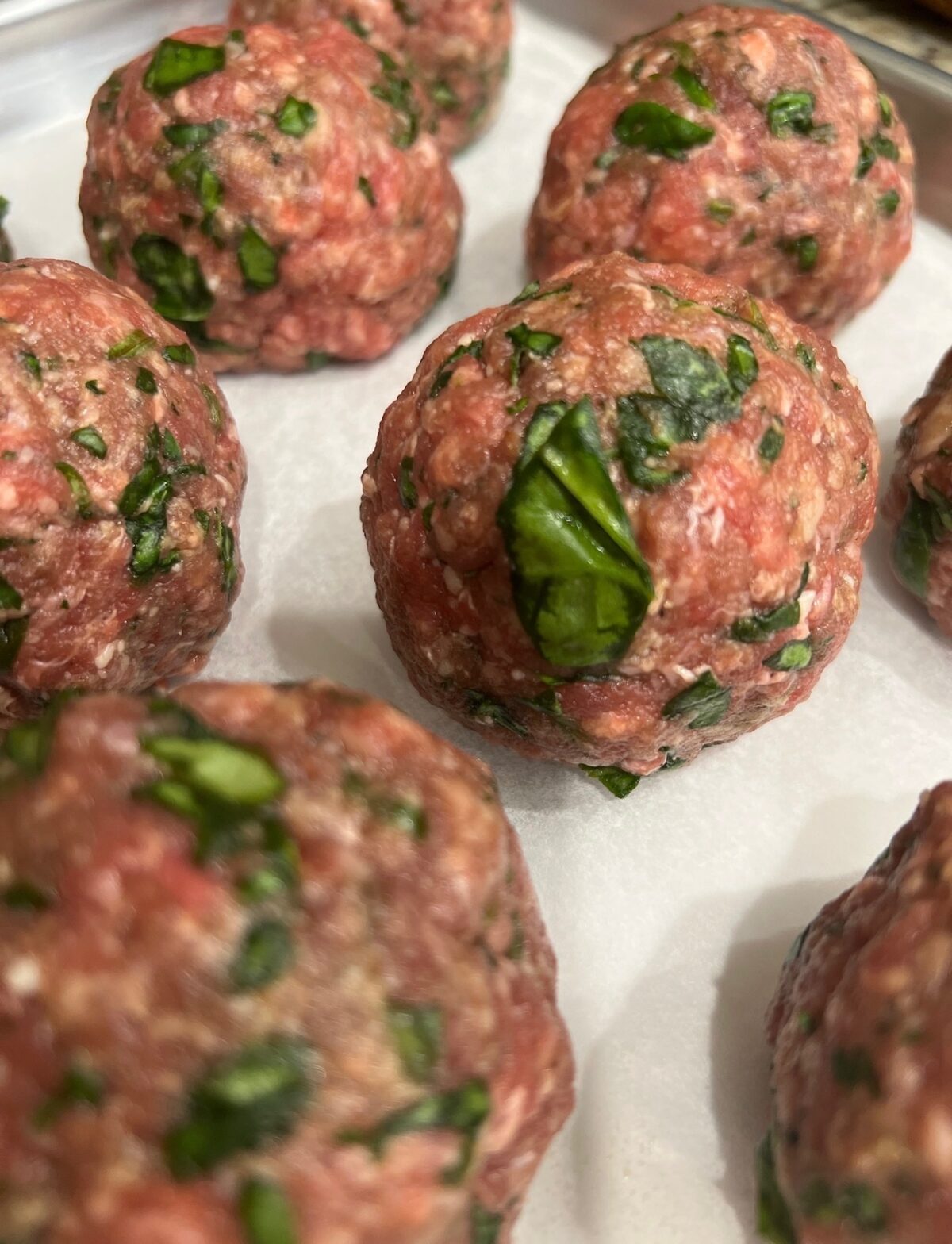
From a chronological perspective, the preparation workflow begins with the assembly phase, which requires approximately 25 minutes of active kitchen time. During this stage, extra-lean ground beef and pork sausage are combined with binding agents such as eggs and savory Italian seasonings. A critical component of the recipe’s developmental success is the incorporation of a full bunch of spinach. Rather than serving the vegetable as a separate side dish—which frequently meets resistance from younger diners—the spinach is meticulously chopped or pulsed in a food processor until fine. This technique allows the leafy greens to blend seamlessly into the protein matrix, shrinking during the baking process to become virtually imperceptible to the eye and palate.
Following the initial mixing and portioning, the recipe introduces a customizable interior element: the option of a mozzarella-stuffed center. Utilizing low-moisture mozzarella cut into uniform cubes, cooks can encase the cheese within the meat mixture, creating a fluid, molten core that activates during baking. This culinary technique enhances the sensory experience of the dish while maintaining structural integrity, provided the meat completely seals the dairy component to prevent leakage. Once formed—yielding either 24 large meatballs or 48 smaller portions—the items undergo a crucial freezing chronology. Placed on a baking sheet in a single layer, the raw meatballs are frozen individually before being transferred to collective storage bags. This flash-freezing technique prevents agglomeration, ensuring that home cooks can extract precise quantities directly from the freezer as needed.
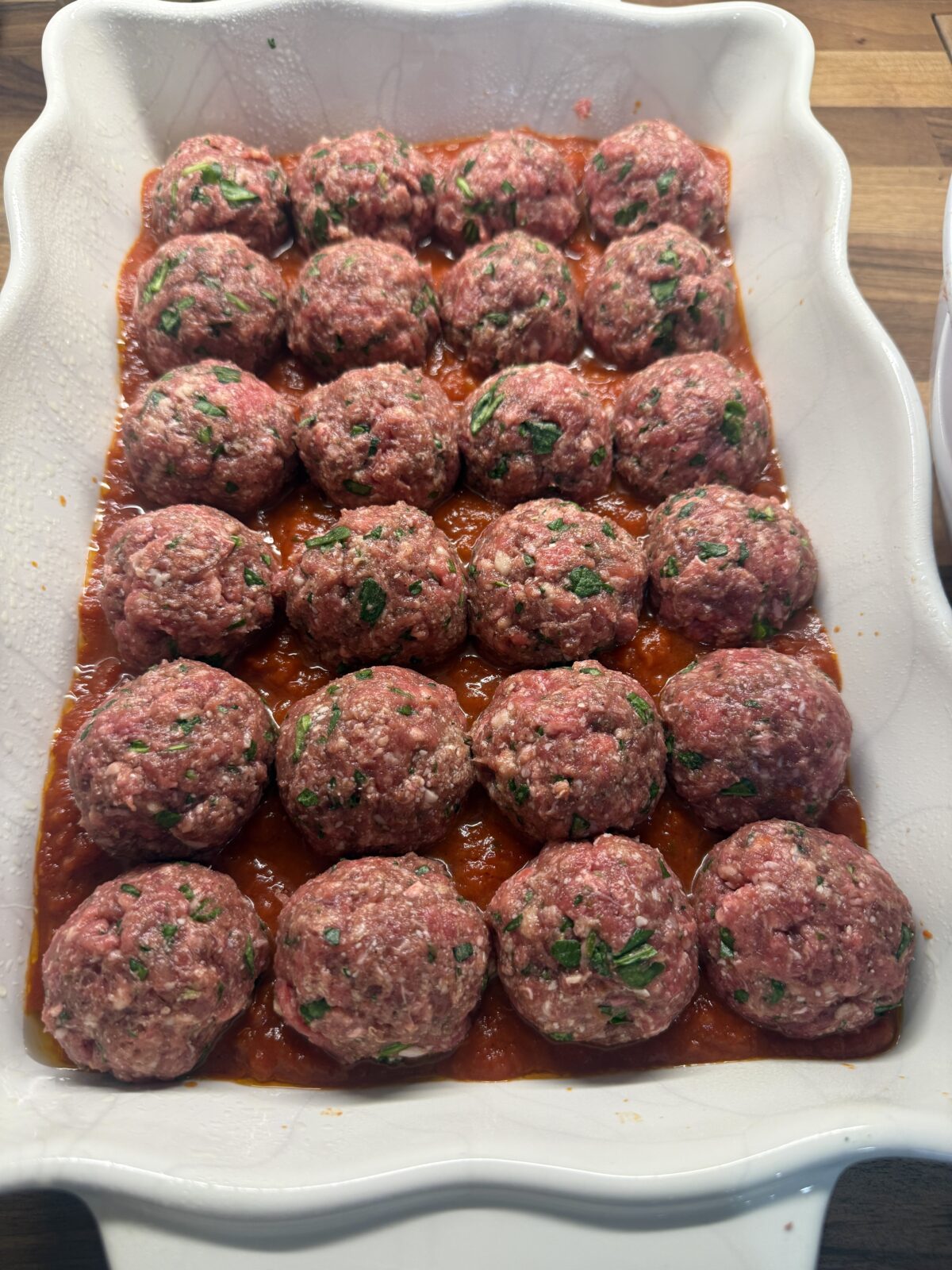
The final operational phase involves baking the frozen meatballs directly in marinara sauce without a prior thawing period. Requiring approximately 30 minutes in a preheated oven, this direct transition from freezer to heat source drastically reduces the cognitive load associated with meal scheduling. The dish can be served across a variety of carbohydrate or vegetable bases, including traditional pasta, cauliflower rice, zucchini noodles, or roasted root vegetables, offering high dietary flexibility for households managing specific nutritional goals, such as low-carbohydrate or gluten-free diets.
Nutritional analysis of the recipe underscores its alignment with contemporary dietary trends favoring elevated protein intake and stealth vegetable consumption. Extra-lean beef supplies essential amino acids, iron, and zinc, while the inclusion of eggs and sausage rounds out the macronutrient profile, delivering a satiating meal that stabilizes blood sugar levels better than refined carbohydrate-heavy dinners. Furthermore, the integration of spinach introduces vital micronutrients, including vitamins A, C, and K, as well as folate and magnesium, addressing common nutritional deficiencies in standard juvenile diets without requiring dietary negotiation at the dinner table.
Culinary experts and family nutrition advocates have noted that recipes utilizing the "hidden vegetable" and "freezer-to-oven" models represent a significant shift in how domestic food preparation is approached. By removing the daily barrier of chopping, measuring, and raw meat handling, such recipes lower the psychological threshold for cooking at home. This reduction in friction directly correlates with decreased reliance on commercial takeout and ultra-processed convenience foods, fostering healthier dietary patterns across multi-generational households.
Variations on the core recipe further enhance its utility across diverse dietary preferences and pantry inventories. Cooks seeking a classic profile can omit the mozzarella core and fold freshly grated Parmesan cheese directly into the meat mixture, or combine both for an intensely rich variation. Alternatively, substituting the beef and pork with ground turkey provides a lighter alternative, though monitoring moisture retention becomes paramount due to poultry’s lower fat content. For households with adventurous palates, the incorporation of spicy Italian sausage or crushed red pepper flakes elevates the flavor profile, while the substitution of marinara with pesto or creamy tomato sauces offers culinary variety while retaining the foundational convenience of the original preparation method.
Ultimately, the high-protein meatball recipe designed by Sara Judkins exemplifies the modern synthesis of nutritional science and domestic pragmatism. By addressing the logistical hurdles of meal preparation through strategic freezing mechanics and nutrient density, the recipe offers a sustainable blueprint for weeknight dining. As home cooking continues to evolve under the pressures of contemporary schedules, innovations that prioritize efficiency, stealth nutrition, and familial appeal will undoubtedly remain central to the culinary landscape.