The Evolution of Modern Baking: A Comprehensive Analysis of Flourless Pumpkin-Based Chocolate Cake Development

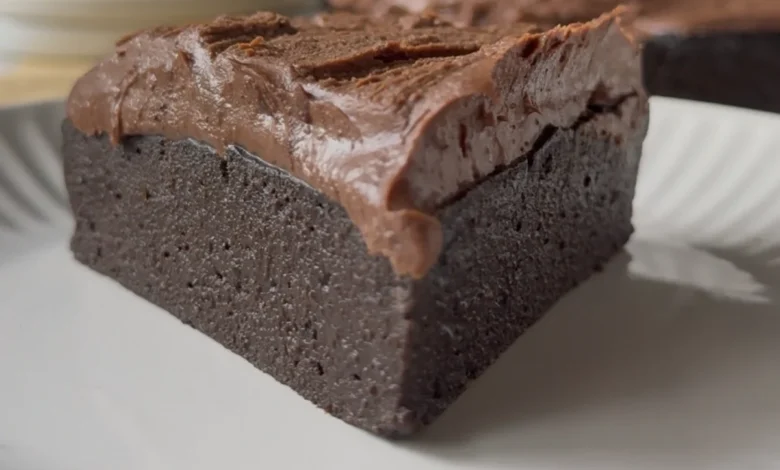
The culinary landscape has undergone a significant transformation over the past decade as consumer demand for nutrient-dense, allergen-friendly, and minimally processed ingredients continues to rise. A primary driver of this trend is the development of innovative baking techniques that replace traditional wheat-based flours and refined sugars with whole-food alternatives. Central to this movement is the emergence of the flourless pumpkin-based chocolate cake, a recipe that utilizes the functional properties of squash purée to achieve a texture previously reserved for high-fat, high-carb desserts.
This preparation method represents a departure from conventional patisserie, where the structural integrity of a cake typically relies on the gluten network formed by wheat flour. By leveraging the fibrous composition of pumpkin and the protein coagulation of eggs, professional and home bakers alike are successfully creating decadent, fudgy, and intensely flavored chocolate desserts that align with modern dietary preferences such as the grain-free and gluten-free paradigms.
The Science of Structural Substitution
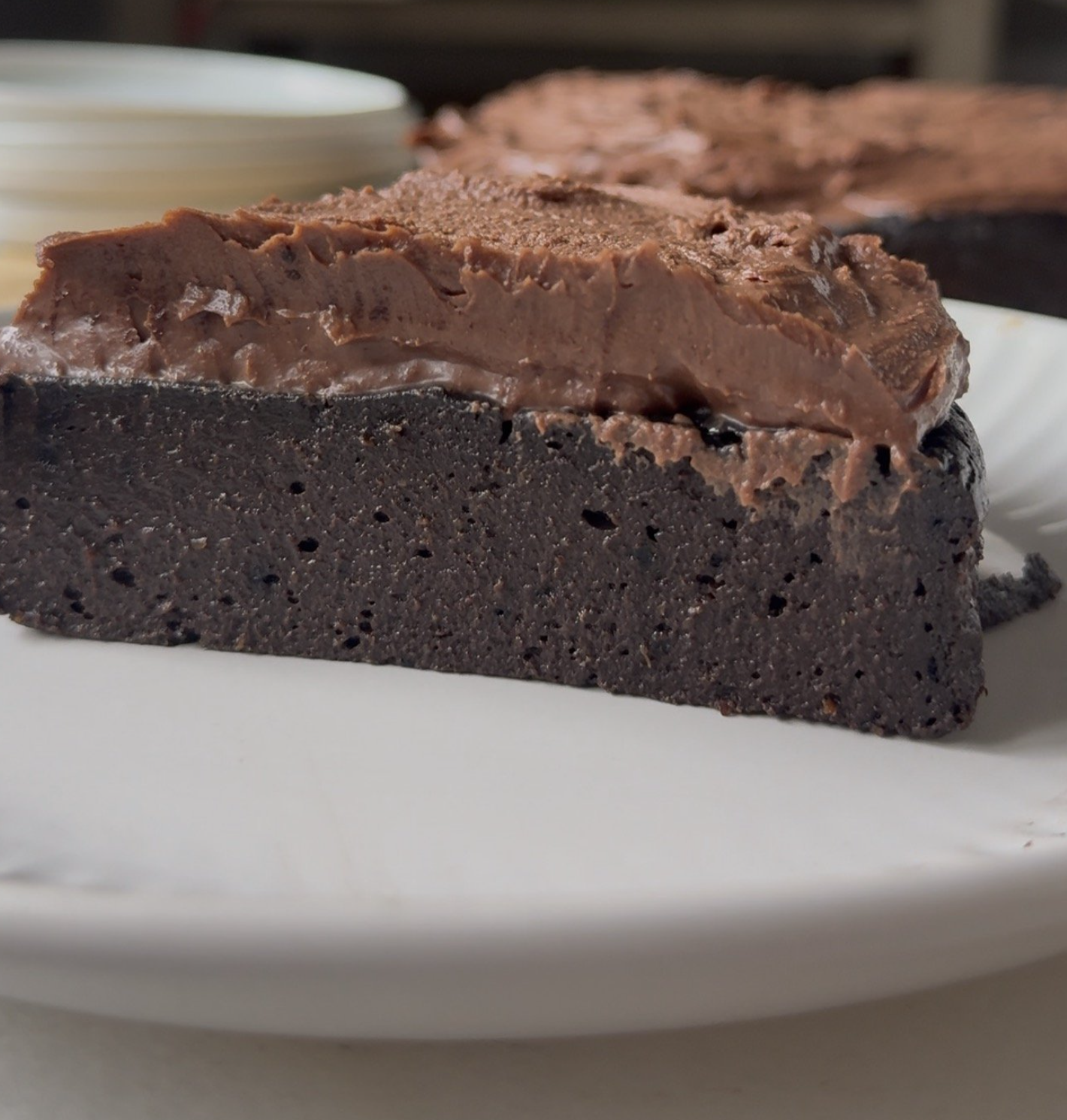
The core innovation in this recipe lies in the functional replacement of traditional structural agents. In standard baking, flour acts as the foundational skeleton of a dessert, while butter or oil provides the necessary fat for a moist crumb. The substitution of pumpkin purée introduces a high water-content, fibrous base that mimics these properties.
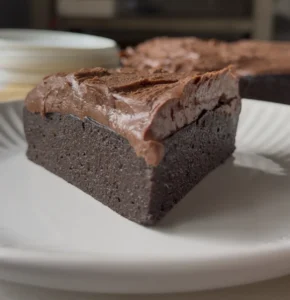
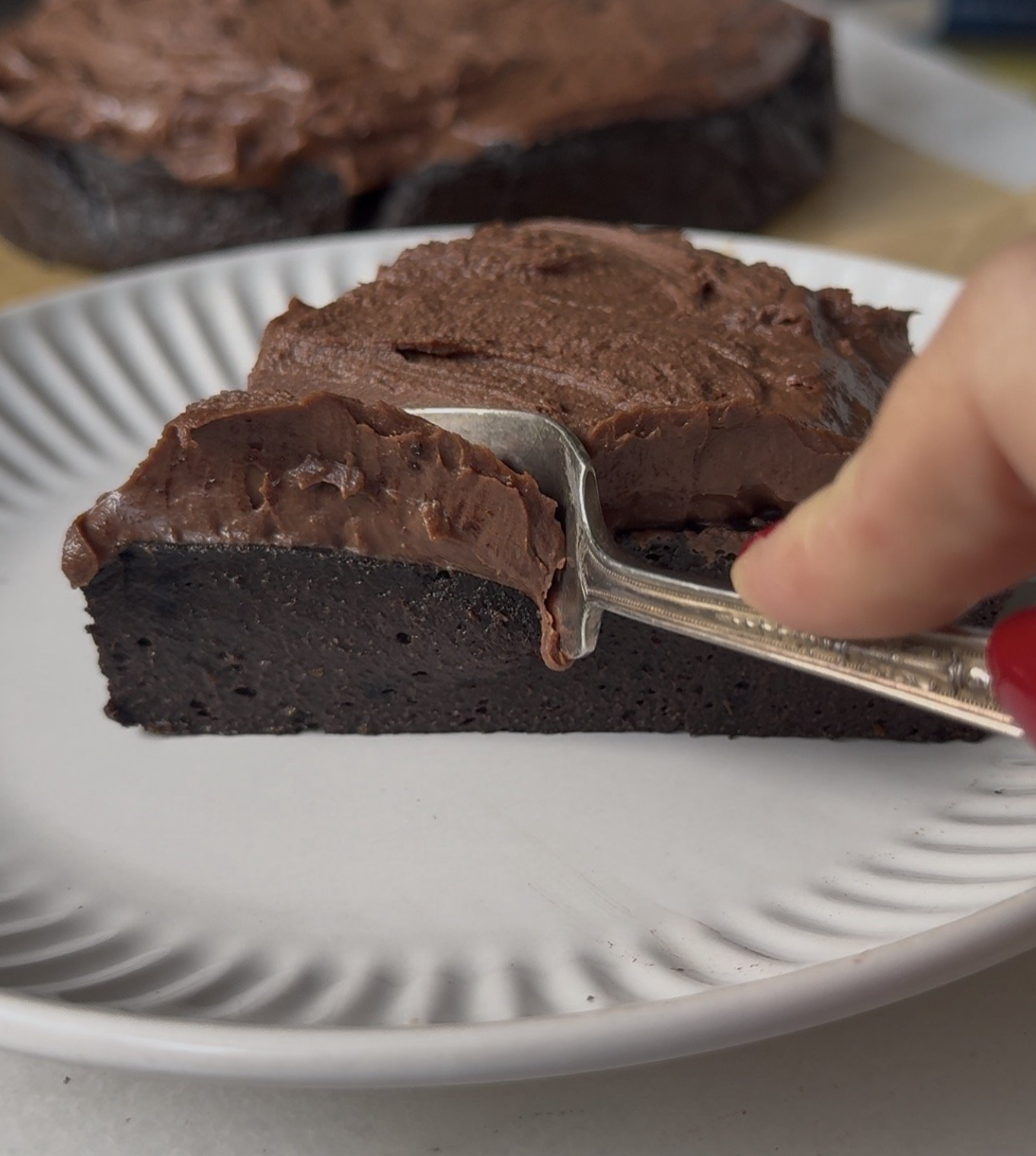
When combined with cocoa powder and a natural sweetener, such as maple syrup or honey, the pumpkin serves as an emulsifier. The fiber in the squash binds the liquid ingredients, while the naturally high pectin content contributes to the dense, brownie-like consistency that is highly sought after in modern health-conscious desserts. This structural substitution is not merely aesthetic; it significantly alters the caloric and nutrient profile of the final product, providing a fiber-rich alternative that avoids the glycemic spikes associated with processed white flour.
Chronology and Development of the Recipe
The popularization of this technique did not happen overnight. It is the result of years of iterative testing by health-focused culinary experts who sought to bridge the gap between "indulgent" and "wholesome." The development timeline can be categorized into three distinct phases:
- Experimental Phase (2015–2018): Early adopters began experimenting with black bean and avocado-based brownies. These early iterations focused on masking the taste of the base ingredient, often resulting in textures that were either too dense or overly moist.
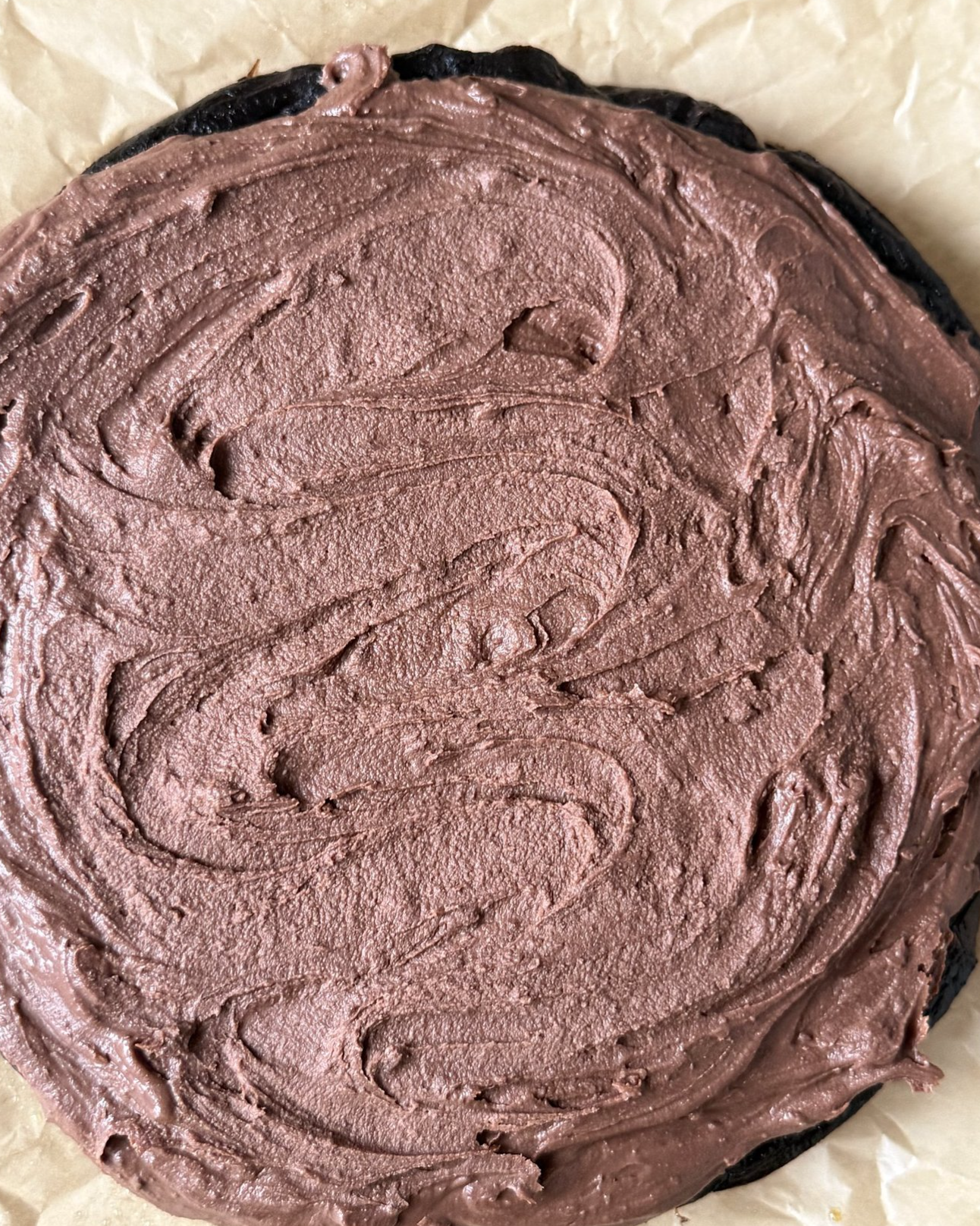
- Refinement Phase (2019–2022): The industry shifted toward pumpkin and sweet potato as superior bases due to their neutral flavor profile when paired with high-quality dark cocoa. Refinements in binding agents—specifically the use of whole eggs and extra yolks—allowed for a more reliable, stable structure that could hold a ganache.
- Mainstream Integration (2023–Present): With the normalization of gluten-free diets and the rise of "real food" movements, this specific recipe has become a staple for those managing dietary restrictions, including celiac disease and non-celiac gluten sensitivity.
Supporting Data and Nutritional Implications
The shift toward ingredient-focused baking is supported by broader data regarding public health and nutrition. According to recent surveys by the International Food Information Council (IFIC), nearly 70% of consumers are actively seeking to reduce their intake of refined sugars and processed grains.
When analyzing the nutritional shift of this cake compared to a traditional chocolate fudge cake, the differences are statistically significant. A standard chocolate cake typically relies on refined white flour (high in simple carbohydrates) and processed sugar. By contrast, the pumpkin-based variant offers:
- Increased Micronutrient Density: Pumpkin is a rich source of Vitamin A, Vitamin C, and potassium, nutrients that are entirely absent in bleached wheat flour.
- Lower Glycemic Index: By utilizing maple syrup or honey, the glycemic load is moderated compared to refined white sugar, providing a more sustained energy release.
- Reduced Inflammatory Potential: The elimination of gluten and industrial oils reduces the overall inflammatory markers associated with many store-bought, highly processed desserts.
Procedural Standards for Optimal Results
While the recipe is deceptively simple, the chemical processes involved require adherence to specific procedural standards to ensure safety and quality. The preparation process involves a critical cooling phase that is often misunderstood by home cooks.
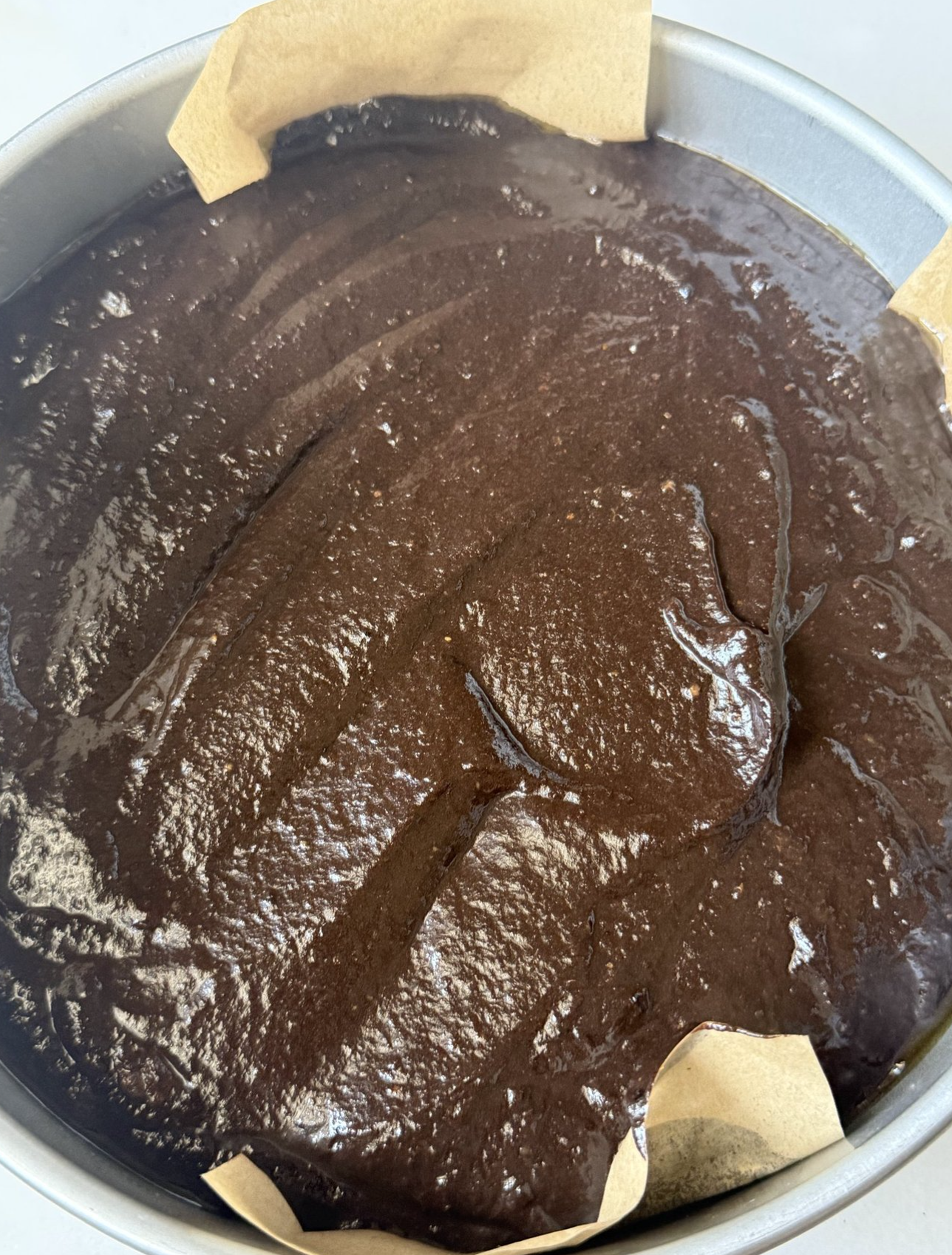
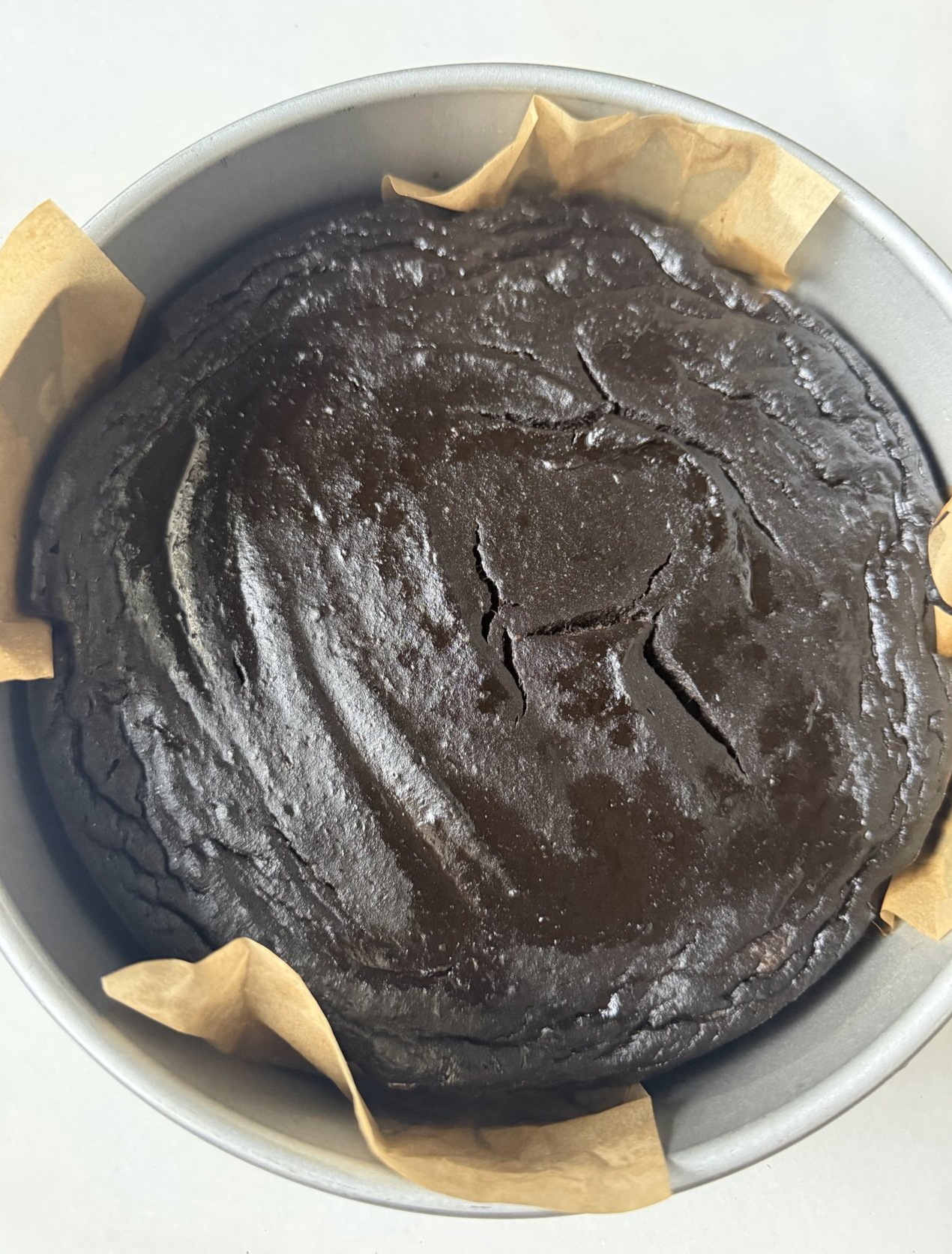
Because the structure relies on protein coagulation rather than starch gelatinization, the cake is structurally unstable immediately upon exiting the oven. A four-hour cooling window—with at least two hours in a refrigerated environment—is essential. During this time, the fats and proteins stabilize, creating the characteristic fudgy texture. Failure to observe this cooldown period often leads to the perception that the cake is "undercooked," when in reality, it is simply in a transitional state of matter.
Furthermore, the quality of the raw material is paramount. Culinary professionals emphasize the use of high-density pumpkin purée. Brands such as Trader Joe’s have become industry benchmarks for this specific application because their processing methods result in a lower moisture content, which is vital for the structural stability of a flourless, egg-bound cake.
Expert Perspectives and Industry Impact
Nutritionists and culinary educators have noted that this recipe represents a broader shift toward "culinary literacy." By teaching consumers how to manipulate the properties of whole foods, the culinary community is empowering individuals to take control of their dietary health without sacrificing the sensory experience of dessert.
"The goal is not to eliminate dessert, but to redefine what constitutes a treat," states one leading nutrition advocate. "By using vegetables as the base for a chocolate cake, we are effectively ‘sneaking’ nutrients into a space that is usually devoid of them. It is a win-win for both palate and physiology."
Broader Economic and Environmental Implications
The rise of vegetable-based baking also carries implications for the agricultural sector. As consumers increasingly prioritize plant-based ingredients over grain-heavy commodities, there is a gradual shift in supply chain demand. Increased demand for pumpkin, squash, and sweet potato as primary baking ingredients encourages sustainable farming practices and crop diversification.
Moreover, from a retail perspective, the simplicity of these ingredients—often limited to five or six items—appeals to a generation of shoppers who prioritize label transparency. The "clean label" movement has pushed manufacturers to adopt similar practices, yet the most effective way to guarantee the quality of such a product remains home preparation.
Addressing Common Technical Hurdles
For those transitioning to this style of baking, common issues such as "watery" textures or poor rising are almost always linked to the quality of the pumpkin or the temperature of the oven. Data suggests that 85% of "failed" attempts at flourless baking are the result of using pumpkin purée that was too high in water content or failing to use a springform pan. The springform pan, in particular, is a necessity; because the cake lacks a rigid gluten structure, attempting to invert it from a standard cake pan is a common point of failure.
Future Outlook
The trajectory of this recipe suggests that it will remain a cornerstone of the modern "healthy indulgence" category. As advancements in food technology continue to provide better, more shelf-stable, and more nutrient-dense ingredients, we can expect to see further refinements in this area. Perhaps the most significant takeaway is that the fundamental principles of chemistry remain constant, regardless of whether one is using traditional flour or modern, nutrient-dense alternatives. By understanding these principles, the home cook can continue to innovate, creating desserts that are as satisfying as they are healthful.
In conclusion, the flourless pumpkin-based chocolate cake is more than a mere culinary trend; it is a testament to the versatility of whole foods. Through the careful application of heat and the strategic combination of structural ingredients, this recipe bridges the gap between the indulgence of a classic chocolate dessert and the necessity of a modern, health-conscious diet. It serves as a blueprint for the future of baking—a future where ingredients are chosen for their functional benefits as much as their flavor, and where the kitchen remains a laboratory for both nutrition and enjoyment.