The Ultimate Guide to High-Protein Vegan Snacks for Sustained Energy and Muscle Recovery

Maintaining optimal protein intake on a plant-based diet requires strategic planning, particularly regarding snack selection. While the misconception that vegan diets are inherently protein-deficient persists, nutritional science confirms that a diverse array of plant-based sources can provide all essential amino acids. For active adults and those seeking to manage blood glucose levels, the integration of high-protein, fiber-rich snacks serves as a critical tool for preventing energy crashes and supporting satiety throughout the day.
The Nutritional Necessity of Protein-Dense Snacking
Registered Dietitians emphasize that the composition of a snack is as significant as its caloric density. By pairing protein with fiber, healthy fats, and complex carbohydrates, individuals can significantly slow the absorption of sugar into the bloodstream. This physiological mechanism is vital for maintaining steady insulin levels and preventing the lethargy associated with the "sugar crash" cycle.
For most adults, a high-protein snack should aim for a range of 15 to 20 grams of protein. Achieving this threshold often requires the intentional combination of multiple food sources. For example, a simple serving of nuts may provide healthy fats, but when paired with edamame or a pea-protein-based dip, the cumulative protein content reaches a level sufficient to support muscle protein synthesis and metabolic health.
Chronology of Plant-Based Protein Trends
The shift toward high-protein vegan snacking has accelerated over the past decade, driven by increased awareness of environmental sustainability and plant-based health benefits. Historically, the vegan snack market was dominated by high-carbohydrate options like crackers or fruit-based bars. However, since approximately 2020, the industry has seen a surge in "functional" snacks.
Market data from the last three years indicates a 15% year-over-year increase in the sale of plant-based protein snacks, including roasted pulses, lupini beans, and pea-protein-fortified bars. This shift correlates with broader consumer data suggesting that over 40% of shoppers are now actively seeking out plant-based alternatives to traditional animal-derived snacks.
Analyzing Inexpensive and Accessible Protein Sources
The economic barriers to maintaining a high-protein vegan diet are often cited as a challenge, yet staple ingredients remain highly cost-effective when sourced in bulk. Tofu, for instance, remains one of the most versatile and budget-friendly proteins available. When air-fried, it develops a crisp texture that serves as a satiating alternative to processed snack foods.
Other high-yield, low-cost options include:
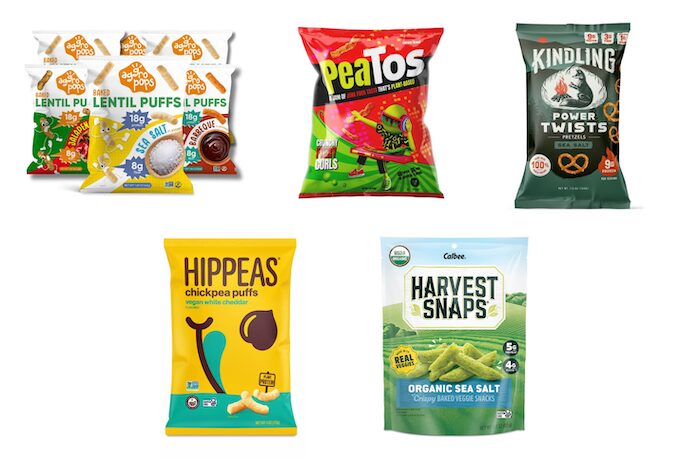
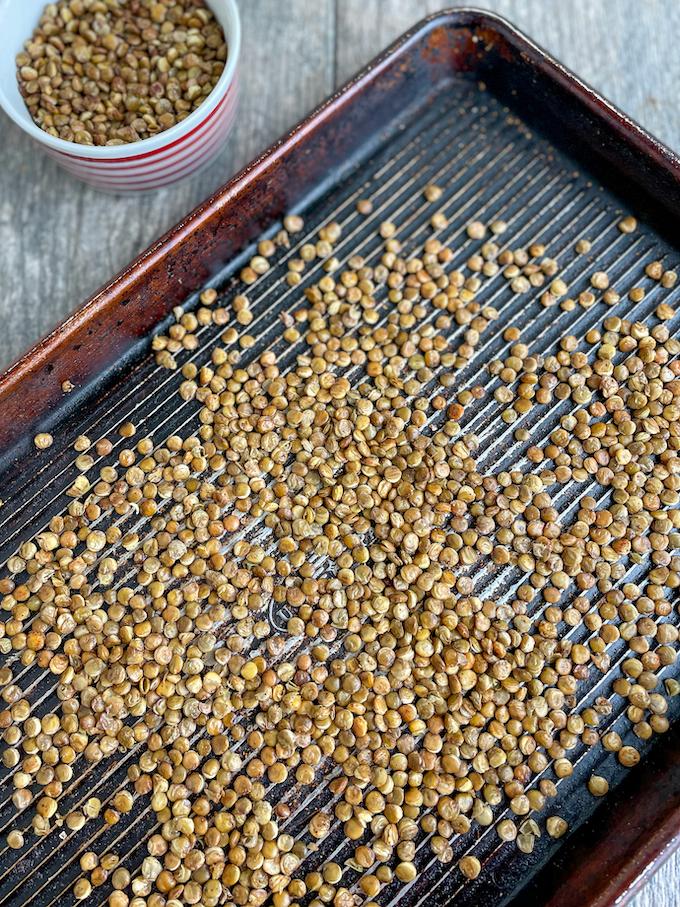
- Legumes: Roasted chickpeas and lentils offer a significant fiber-to-protein ratio.
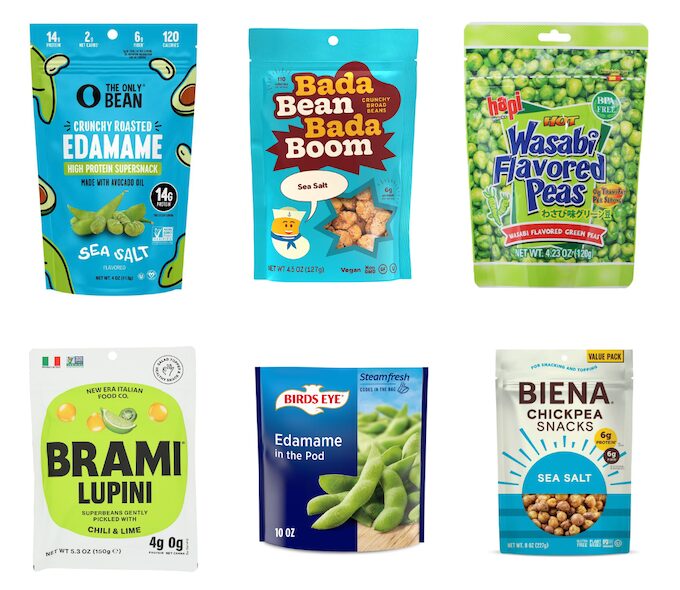
- Edamame: Often found in the frozen section, this soybean product is a complete protein source, providing all nine essential amino acids.
- Nutritional Yeast: Beyond its function as a cheese-flavor substitute, it provides a surprising amount of protein and B vitamins per serving.
Protein Density Without Soy or Nuts
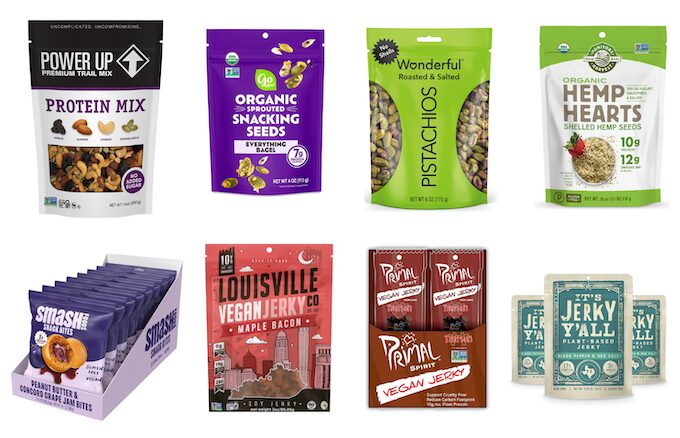
A common challenge for those with specific dietary restrictions is finding high-protein options that avoid soy and nuts. Individuals managing soy allergies or tree nut sensitivities can pivot toward seeds, specifically hemp and pumpkin seeds, which are nutrient-dense powerhouses.
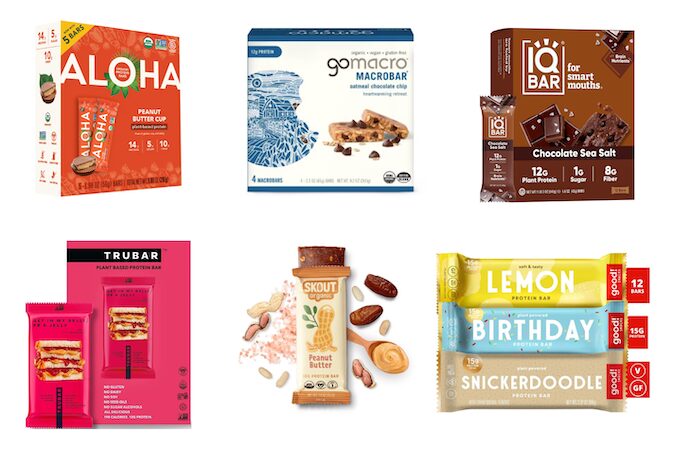
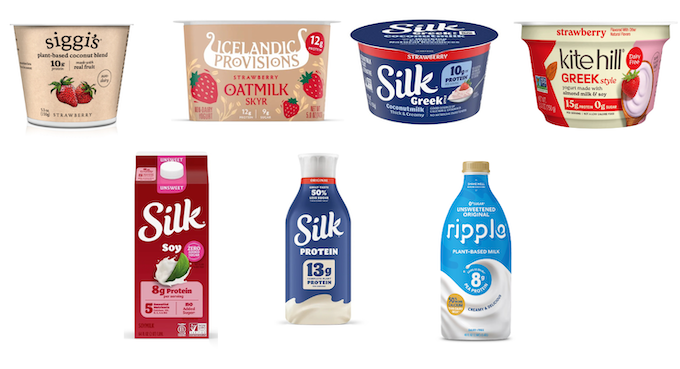
Seitan, a wheat-gluten-based product, is another potent protein source that can be prepared in savory, portable formats. Additionally, the proliferation of pea-protein-based products—ranging from milk alternatives to specialized protein bars—has provided a reliable, allergen-friendly route for those looking to hit daily macros without relying on common allergens.
Strategic Combinations for Optimal Nutrition
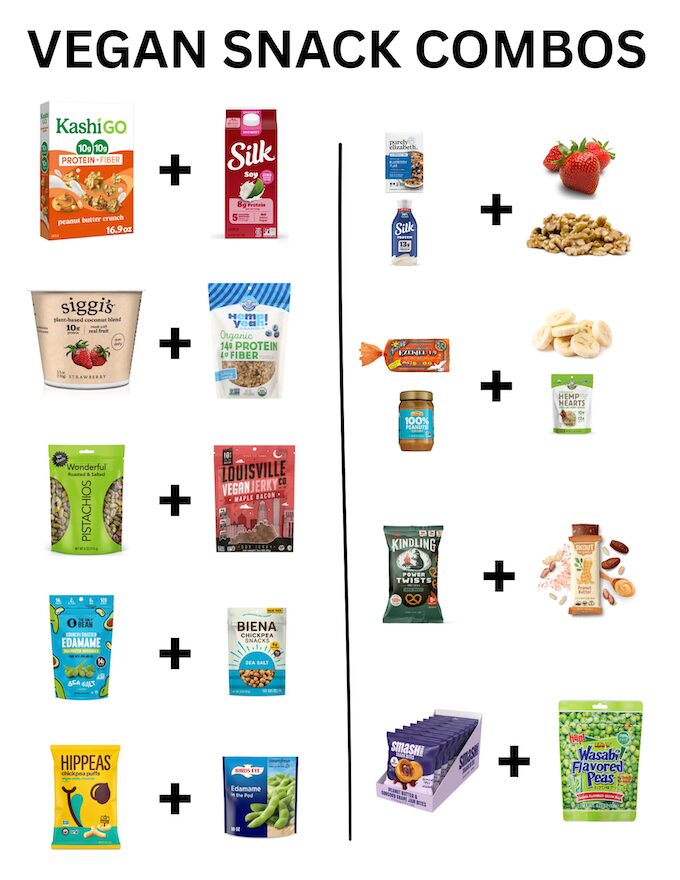
To reach the 15–20 gram protein threshold, nutritionists suggest viewing snacks as "mini-meals." Effective combinations that maximize nutrient absorption include:
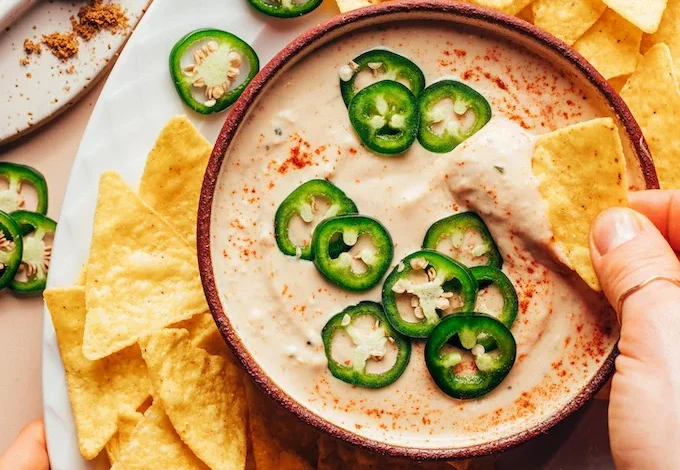
- The Savory Powerhouse: Roasted edamame paired with a white bean-based dip.
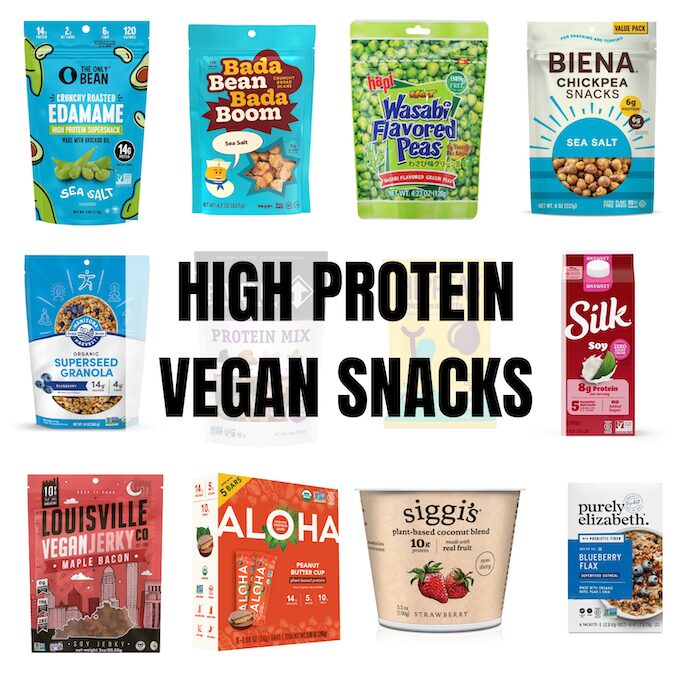
- The Sweet Sustainer: Soy-based yogurt topped with hemp seeds and a high-protein cereal (such as those fortified with pea or soy protein).
- The Portable Classic: A high-protein vegan bar paired with a small portion of sunflower seeds.
These combinations are not merely about hitting a protein count; they are about leveraging the synergy between different amino acid profiles. By diversifying the source of protein—combining grains like quinoa or teff with legumes—the body receives a more complete amino acid profile, which is crucial for those who do not consume animal proteins.
Implications for Workplace and School Environments
The logistical challenge of maintaining a healthy diet at work or school is frequently resolved through "shelf-stable" snacking. The rise of plant-based jerky, typically made from soy, seitan, or mushrooms, has provided a shelf-stable alternative to beef jerky.
For school-aged children, the focus shifts toward palatability and ease of consumption. Products such as lentil puffs or chickpea-based "cheesy" snacks allow children to enjoy the textures of traditional snacks while benefiting from higher protein and fiber content. Educators and health professionals advocate for these swaps, noting that stable blood sugar leads to improved concentration and behavioral consistency in classroom settings.
Addressing Common Questions and Misconceptions
What is the most efficient way to increase protein intake?
The most efficient method is the inclusion of "protein boosters" in existing snack habits. For instance, replacing standard crackers with protein-fortified alternatives or sprinkling hemp seeds on fruit or yogurt can increase a snack’s protein profile by 5 to 8 grams without significantly changing the volume of food consumed.
Are these snacks appropriate for weight management?
Yes. Because high-protein, high-fiber snacks are more satiating, they naturally help regulate caloric intake. By curbing hunger signals more effectively than high-glycemic snacks, they prevent the over-consumption of calories later in the day.
How do you reconcile the cost of "specialty" snacks?
While store-bought protein bars and specialized crackers are convenient, they carry a premium price. Preparing snacks at home—such as roasting your own chickpeas, blending your own hummus with high-protein white beans, or preparing energy balls using pea protein powder—reduces costs by an estimated 60-70% compared to pre-packaged retail options.
Broader Nutritional Impact
The transition toward high-protein vegan snacking represents a significant shift in public health. By moving away from refined sugars and processed grains toward whole-food, plant-based proteins, consumers are not only supporting their own physiological needs but are also participating in a broader environmental movement. The reduction of animal-derived products in daily snacking lowers the carbon footprint associated with an individual’s diet.
Furthermore, the mainstreaming of these products has forced manufacturers to prioritize better ingredient profiles. As consumer demand for transparency grows, the market has seen a reduction in artificial additives and a rise in whole-food ingredients. This trend suggests that high-protein vegan snacking is evolving from a niche dietary choice into a standard, accessible practice for the general population.
In conclusion, the key to successful vegan snacking lies in intentionality. By understanding the protein content of various plant sources and utilizing strategic food pairings, individuals can ensure that their snack choices are functional, satisfying, and aligned with their broader health and wellness goals. Whether one is an athlete looking for post-workout recovery or a professional seeking to maintain energy through a long workday, the modern landscape of plant-based nutrition offers more variety and scientific support than ever before.
Related posts: