Lower Sugar Granola: A Nutritional Analysis of Modern Breakfast Trends for Families


The landscape of children’s nutrition has undergone a significant transformation over the last decade, with an increasing emphasis on reducing refined sugars in staple breakfast foods. Recent culinary developments have led to the creation of a specialized Lower Sugar Granola, a recipe that replaces traditional high-glucose sweeteners with nutrient-dense alternatives like unsweetened applesauce. This transition is not merely a preference in flavor profiles but reflects a broader public health shift toward managing glycemic indices in early childhood diets. By utilizing almond flour and nut butters as a structural base, this preparation method offers a fiber-rich, protein-forward alternative to mass-produced cereals that often contain excessive amounts of added sucrose and high-fructose corn syrup.
The Evolution of Breakfast Cereals
Historically, the breakfast cereal market has been dominated by products heavily reliant on sugar for both preservation and palatability. Industry data from nutrition research groups indicates that standard commercial granolas can contain as much as 10 to 15 grams of added sugar per half-cup serving. The introduction of the Lower Sugar Granola recipe, as detailed in recent dietary guidelines for households, serves as a counter-narrative to these industrial norms. The recipe functions by leveraging the natural pectin and moisture found in fruit-based purees to achieve the desired consistency without the necessity of processed syrups.

Chronologically, the shift toward DIY, "at-home" healthy breakfast preparation began to gain traction in the mid-2010s. During this period, pediatric dietitians began advocating for "whole-food" breakfasts to combat the rising concerns regarding childhood obesity and fluctuating energy levels caused by sugar-heavy mornings. The development of this specific granola recipe is the result of years of iterative testing, moving away from high-oil, high-sugar compositions toward a stable, allergen-conscious profile that prioritizes macronutrient balance.
Nutritional Composition and Dietary Mechanics
The effectiveness of this recipe lies in its foundational ingredients: almond flour, nut or seed butters, and oats. Unlike traditional recipes that require heavy binding agents like honey or brown sugar, the use of applesauce acts as a natural binder while simultaneously contributing to the fiber content.
From a biochemical perspective, the reduction of added sugar serves two primary functions. First, it mitigates the rapid insulin spike typically associated with high-glycemic breakfast foods, providing a more sustained energy release for developing children. Second, the inclusion of almond flour introduces healthy monounsaturated fats and plant-based protein, which, when paired with plain yogurt or milk, creates a comprehensive meal that supports satiety.
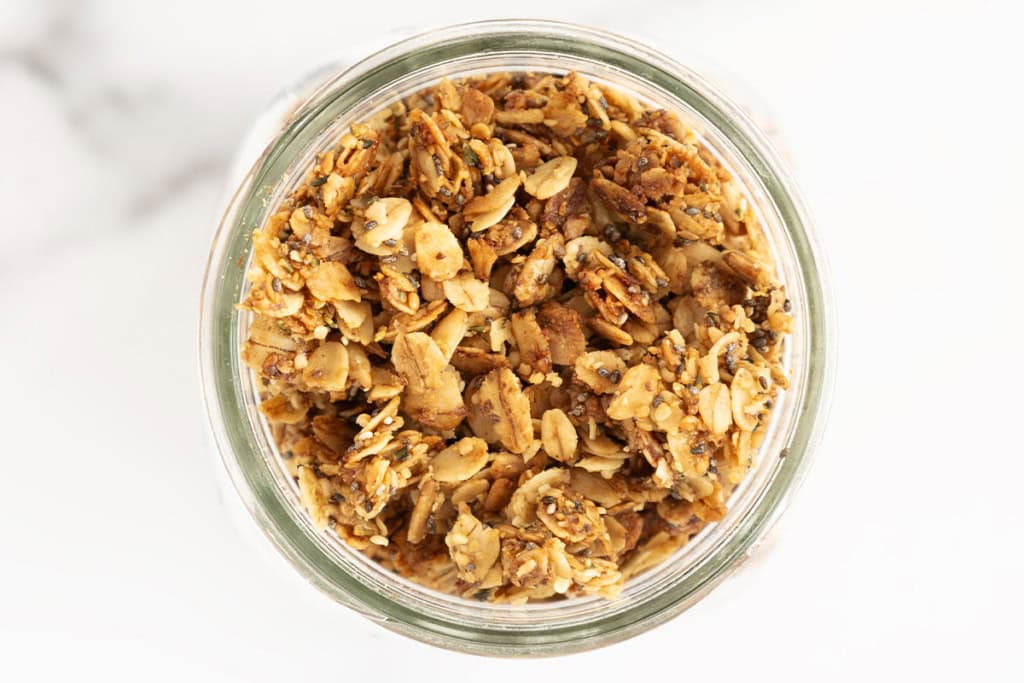
Supporting data suggests that children who consume higher levels of protein and fiber at breakfast exhibit improved concentration levels during morning school hours. With approximately 91 kilocalories per serving and only 3 grams of sugar, this preparation meets the criteria set by many nutritionists for a balanced early-day meal. The versatility of the recipe—allowing for the substitution of peanut butter with sunflower or pumpkin seed butter—also addresses the growing demand for nut-free, school-safe dietary options.
Implementation and Preparation Standards
The preparation process follows a standardized culinary timeline designed for efficiency. The methodology involves:
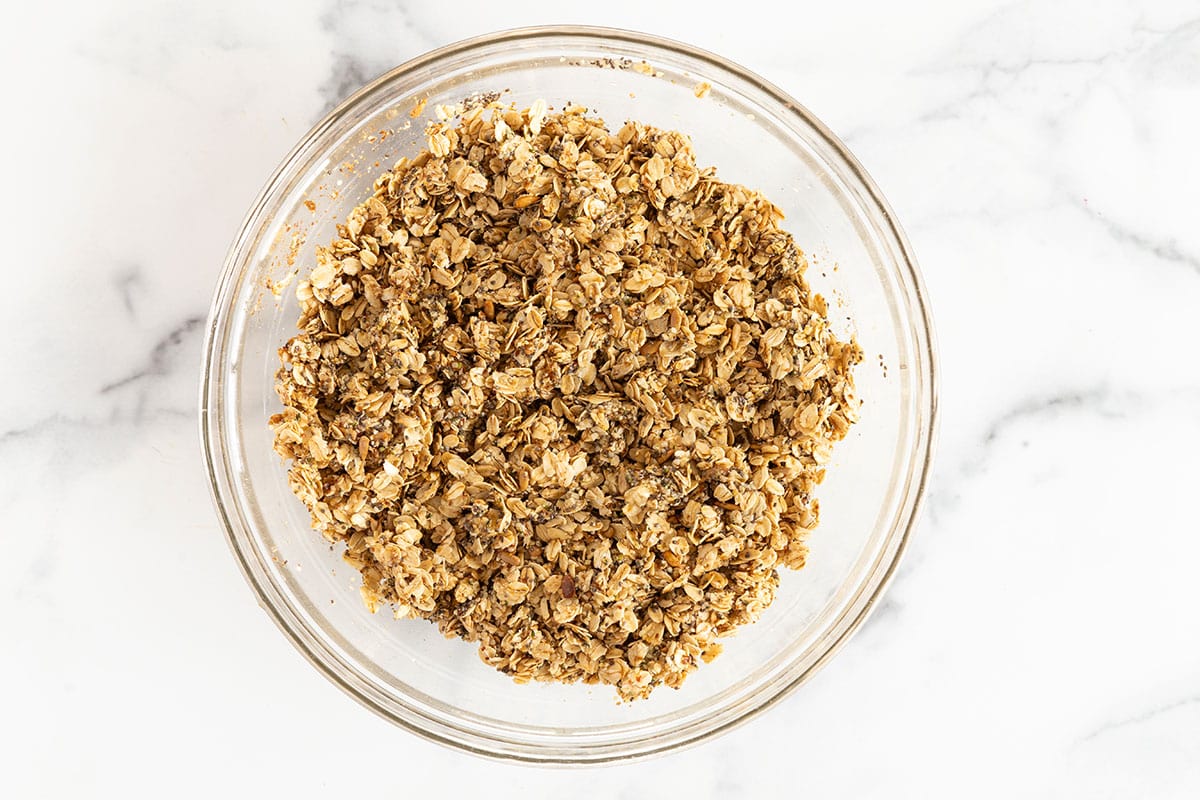
- Binding and Mixing: Combining dry ingredients (oats, almond flour, seeds) with wet ingredients (applesauce and minimal optional sweeteners) in a medium-sized mixing bowl.
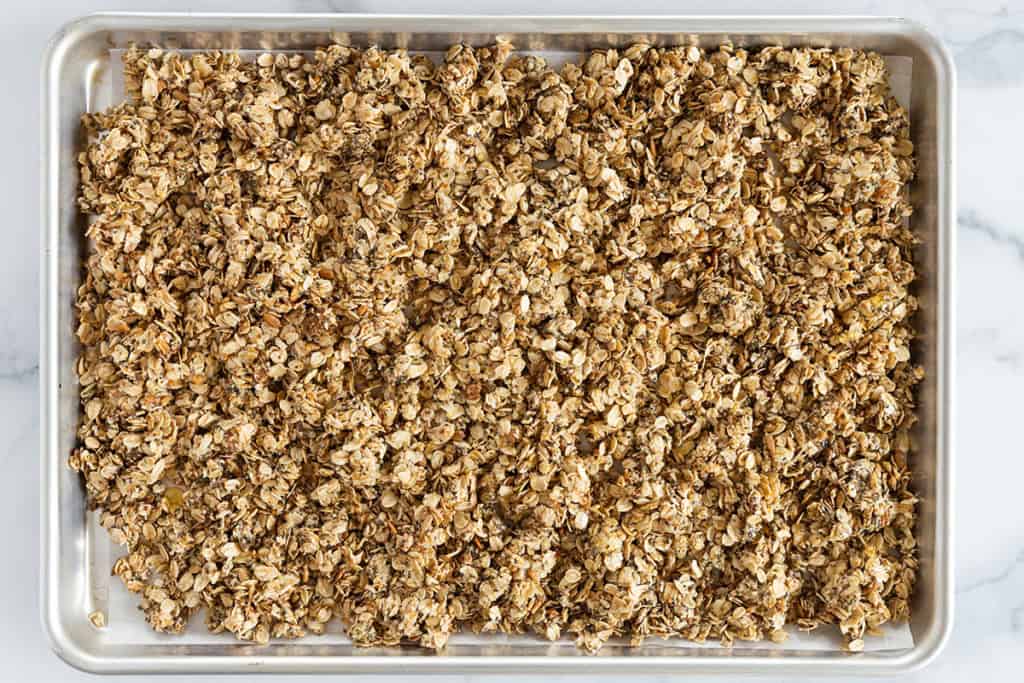
- Thermal Processing: Spreading the mixture onto a prepared baking sheet to ensure uniform heat distribution, which is critical for achieving a consistent crunch without burning the edges.
- Post-Baking Integration: Introducing dried fruit only after the mixture has been removed from the oven to prevent the fruit from caramelizing or hardening due to excessive heat exposure.
- Cooling and Stabilization: Allowing the mixture to reach room temperature before storage, which is essential for the structural integrity of the clusters.
This methodical approach ensures that the final product remains shelf-stable for up to one month in an airtight container, or up to three months when stored in a frozen environment. For parents of younger children, specifically those in the one-to-two-year-old range, the recipe can be modified by grinding the baked product into a finer consistency, known as "granola sprinkles," to prevent choking hazards while still providing the same nutritional benefits.

Expert Perspectives and Consumer Trends
Dietitians and child development experts have frequently noted that the "texture profile" of food is just as important as the nutritional content. By allowing the granola to sit in yogurt or milk for five minutes, the oats and almond flour soften, making the meal more accessible to toddlers who are transitioning away from pureed foods.
"The focus is no longer just on what is removed from the diet, but what is being added to it," notes a representative from a family nutrition advisory board. "By teaching children to enjoy the flavor of whole grains and fruit-based sweetness, we are establishing long-term dietary habits that prioritize metabolic health."
The economic implication for families is also noteworthy. By preparing granola at home, households can circumvent the premium pricing often associated with "low-sugar" or "organic" commercial brands. Furthermore, the ability to control the exact ratio of salt, fat, and sugar allows for a personalized approach to nutrition that mass-market production cannot accommodate.
Broader Public Health Implications
The push for lower sugar alternatives is part of a broader, systemic movement to address the "hidden sugar" crisis. According to the American Heart Association, children should consume less than 25 grams of added sugar per day. A single bowl of a typical, sugar-laden commercial cereal can account for nearly 60% of that daily allowance before the day has truly begun.
The adoption of recipes like this one signifies a shift in parental responsibility and consumer awareness. As access to nutritional information becomes more democratized through digital platforms, parents are increasingly opting for "ingredient transparency." This recipe, by focusing on whole-grain bases and fruit-derived sugars, aligns with the recommendations of the Dietary Guidelines for Americans, which emphasize the consumption of nutrient-dense foods over those with empty calories.
Furthermore, the environmental impact of home-prepared bulk foods is worth noting. Reducing reliance on pre-packaged, single-serve cereal boxes decreases plastic waste and the carbon footprint associated with the transport and retail packaging of processed goods. While the individual impact of one household making their own granola may seem minor, the aggregate effect of a shift in consumer behavior toward home-prepared, minimally processed breakfasts could lead to significant reductions in both sugar consumption trends and packaging waste.
Conclusion: A Sustainable Future for Breakfast
The Lower Sugar Granola recipe is a reflection of a changing ethos in modern parenting and nutrition. It demonstrates that convenience does not have to come at the expense of health. By integrating fiber, protein, and healthy fats, and by strictly limiting the intake of refined sugars, this recipe provides a template for future food innovation in the home.
As public health campaigns continue to emphasize the importance of early-life nutrition, the reliance on high-sugar, ultra-processed breakfasts is likely to face continued scrutiny. Families adopting these homemade alternatives are participating in a larger movement that seeks to redefine the "standard" American breakfast. Whether through the inclusion of pumpkin seeds for a nut-free allergy profile or the use of specific dried fruits for natural flavor, the flexibility of this recipe ensures that it can adapt to the evolving needs of the modern, health-conscious family. Moving forward, the continued success of such recipes will depend on their accessibility, the ease of their preparation, and their ability to satisfy the palate of younger consumers who are accustomed to more intense sweetness levels. Through consistent education and the promotion of simple, effective culinary habits, the path toward a healthier, lower-sugar future appears both achievable and sustainable.