Healthy Turkey Chili: A Nutritional and Culinary Analysis of a Modern Comfort Food Staple

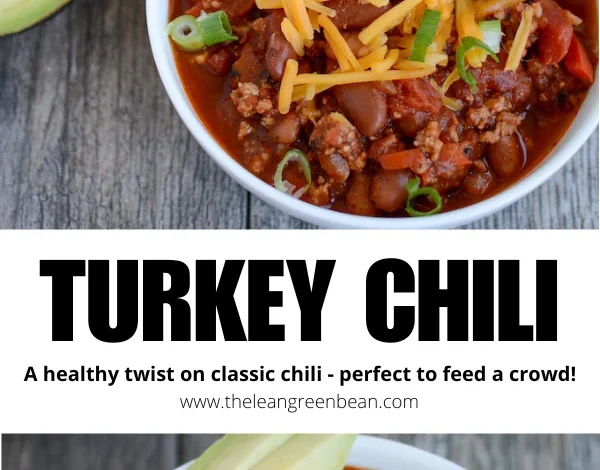
The landscape of home cooking has undergone a significant transformation over the past decade, driven by a growing consumer demand for meals that bridge the gap between traditional comfort food and health-conscious nutrition. Among the most prominent examples of this evolution is the rising popularity of turkey chili as a substitute for traditional beef-based recipes. This dish, once considered a niche alternative, has become a mainstay in American kitchens, particularly for large-scale gatherings such as game-day events, communal potlucks, and as a staple for meal-prep-oriented households.
The shift toward turkey chili is not merely a culinary trend but a response to shifting dietary guidelines that emphasize the reduction of saturated fats. Ground turkey, particularly lean variations such as 93/7 (93% lean, 7% fat), offers a nutritional profile that closely mirrors ground beef in terms of protein density while significantly lowering the intake of dietary cholesterol and saturated fats. With approximately 25 grams of protein per serving, turkey chili provides a substantial macronutrient profile that satisfies the requirements for both muscle recovery and satiety, making it an ideal candidate for long-term meal planning and frozen storage.
Historical Context and the Evolution of Chili
Chili con carne, an American culinary staple with deep roots in the Texas frontier, has historically been defined by its meat-heavy, spice-forward profile. For generations, beef was the undisputed primary protein, prized for its fat content, which contributed to the richness and depth of the dish’s flavor. However, as public health awareness regarding cardiovascular health increased, nutritionists and home cooks began to seek ways to modify these traditional recipes without sacrificing the sensory experience of the meal.
The introduction of ground turkey into chili recipes began in earnest during the late 1990s and early 2000s, aligning with the rise of the "light" food movement. Initially criticized for its lack of fat-derived flavor, modern techniques have evolved to compensate for these differences. Culinary experts now emphasize the importance of flavor-building steps—such as sautéing aromatics like onions and garlic, properly browning the meat, and utilizing a complex blend of spices—to ensure that the turkey base absorbs the savory essence of the tomato-based sauce.
Nutritional Profile and Dietary Implications
From a nutritional standpoint, the substitution of turkey for beef in chili has measurable implications for long-term health. According to data from the United States Department of Agriculture (USDA), ground beef typically contains higher levels of saturated fat compared to lean ground turkey. For individuals managing heart health, the reduction of saturated fat is a primary dietary goal, as these fats are strongly associated with elevated levels of low-density lipoprotein (LDL) cholesterol.
Furthermore, the inclusion of kidney and pinto beans in these recipes provides a significant boost of dietary fiber and complex carbohydrates. The synergistic effect of high-quality protein from the turkey and high-fiber content from the legumes creates a glycemic-friendly meal that promotes steady energy levels. This combination is particularly beneficial for active individuals or those looking to maintain stable blood sugar levels throughout the day. When compared to the caloric density of traditional beef-based chili, the turkey variant allows for larger portion sizes for the same caloric expenditure, which can assist in weight management without the psychological burden of restrictive dieting.
Strategic Preparation: Stovetop, Slow Cooker, and Instant Pot
The technical execution of turkey chili has become increasingly versatile, accommodating various modern kitchen appliances. Traditional stovetop preparation remains the standard, allowing for the slow reduction of the tomato base, which develops the depth of flavor required for a high-quality chili. However, the rise of the "set-it-and-forget-it" culture has cemented the slow cooker as a vital tool for this recipe.
For the slow cooker method, the process involves a two-stage approach: sautéing the turkey and aromatics first to establish the flavor base, followed by a long, low-heat simmer—typically between six to eight hours. This duration allows the collagen in the turkey and the starch in the beans to break down, resulting in a cohesive, thick consistency.

Conversely, the emergence of the Instant Pot and other multi-cooker devices has introduced the possibility of rapid, high-pressure cooking. Pressure cooking offers a distinct advantage in terms of time efficiency, but it requires precise methodology. Culinary experts advise that when using a pressure cooker, one must be cautious with the beans. Kidney beans, which have a firmer skin, hold up well to high-pressure environments, while softer beans, such as pinto or black beans, are often better added after the pressure-cooking cycle to prevent them from disintegrating into a mushy consistency. Deglazing the pot with a small amount of broth is also a critical step in the pressure-cooking process, as it ensures that the "fond" (the browned bits of meat and spices) is incorporated into the sauce rather than burning at the base of the unit.
Mitigating the Lean-Meat Challenge
One of the most common criticisms of using lean ground turkey is the tendency for the meat to become dry or grainy. This occurs because turkey lacks the marbling found in beef. To combat this, several culinary best practices are widely recommended:
- Fat-to-Lean Ratios: Avoid 99/1 ground turkey. While it is the leanest option, it lacks the necessary lipids to maintain moisture during a long simmer. Using 93/7 or 90/10 blends is generally considered the "sweet spot" for chili.
- The Sauté First Rule: Never boil the raw meat in the sauce. By browning the turkey in a pan with the aromatics first, you seal in the texture and ensure the meat is seasoned throughout.
- Liquid Ratios: Turkey chili often requires slightly more liquid (broth or tomato base) than beef chili to compensate for the lack of rendering fat.
- Finishing Touches: Adding fresh herbs or a touch of acidity (such as lime juice or apple cider vinegar) at the very end of the cooking process can brighten the flavors and mask the potential dryness of the lean meat.
Storage and Preservation: A Sustainable Approach
The modern consumer, often pressed for time, values recipes that are freezer-friendly. Turkey chili is uniquely suited for long-term storage. Unlike some vegetable-heavy dishes that lose structural integrity upon thawing, the dense, sauce-based nature of chili preserves its texture well.
Professional advice for food storage suggests cooling the chili completely before transferring it to airtight, freezer-safe containers. For those seeking maximum efficiency, freezing in flat-pack bags allows for faster thawing in a refrigerator overnight or in a cold-water bath. When stored properly at 0°F (-18°C), turkey chili can remain high-quality for up to four months, providing a reliable, nutrient-dense "emergency meal" for busy weeknights.
Broader Impact on Culinary Trends
The widespread adoption of healthy turkey chili is a microcosm of a larger trend in American food culture: the democratization of healthy eating. As information regarding nutrition becomes more accessible, consumers are increasingly seeking ways to maintain their dietary preferences without abandoning the comfort and tradition associated with their favorite meals.
This movement has been further bolstered by Registered Dietitians and food influencers who emphasize that "healthy" does not have to equate to "bland." By utilizing high-quality ingredients, robust spice profiles—such as chili powder, cumin, smoked paprika, and oregano—and smart cooking techniques, the culinary community has successfully repositioned turkey chili as a sophisticated, rather than a compromised, dish.
Future Outlook
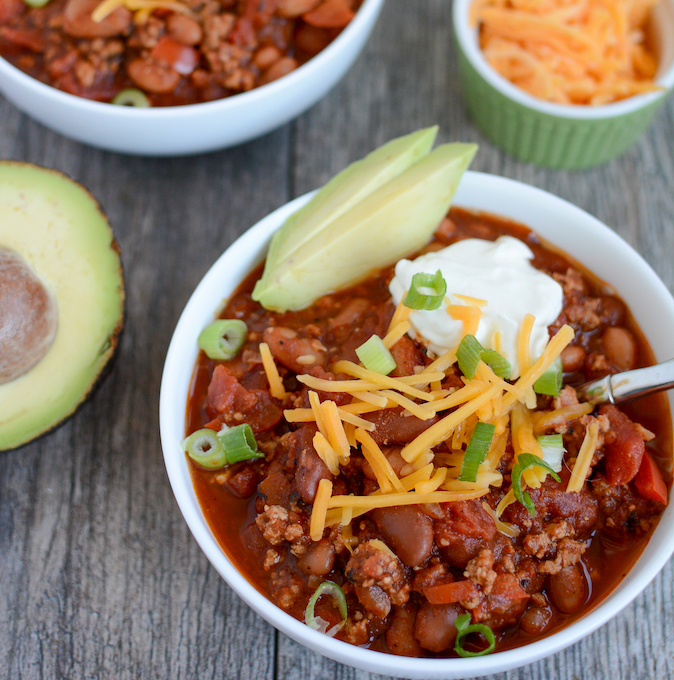
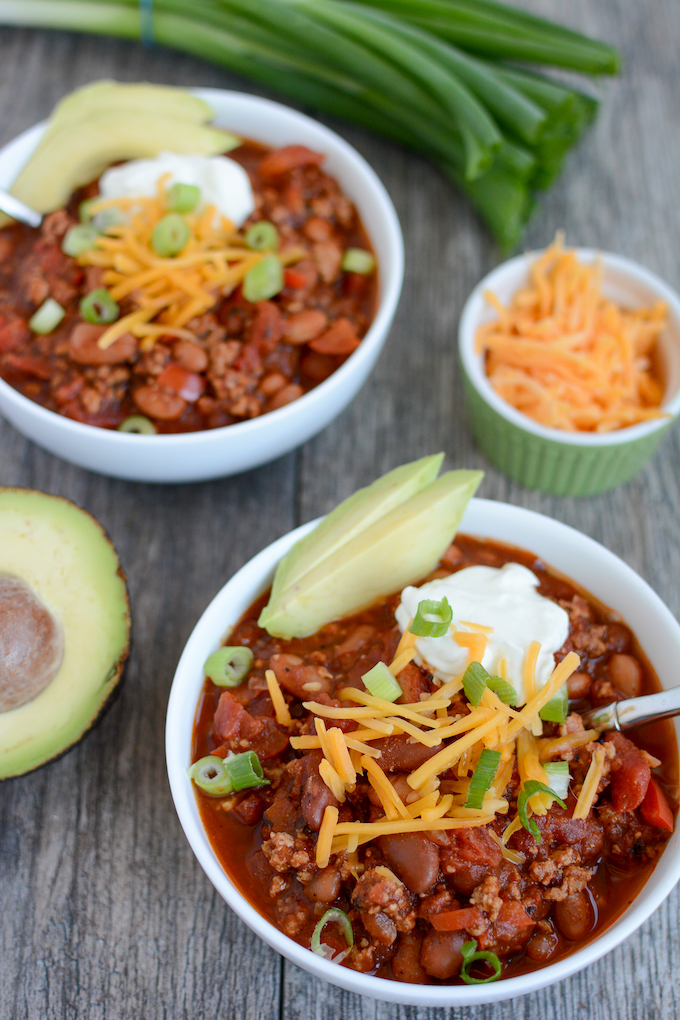
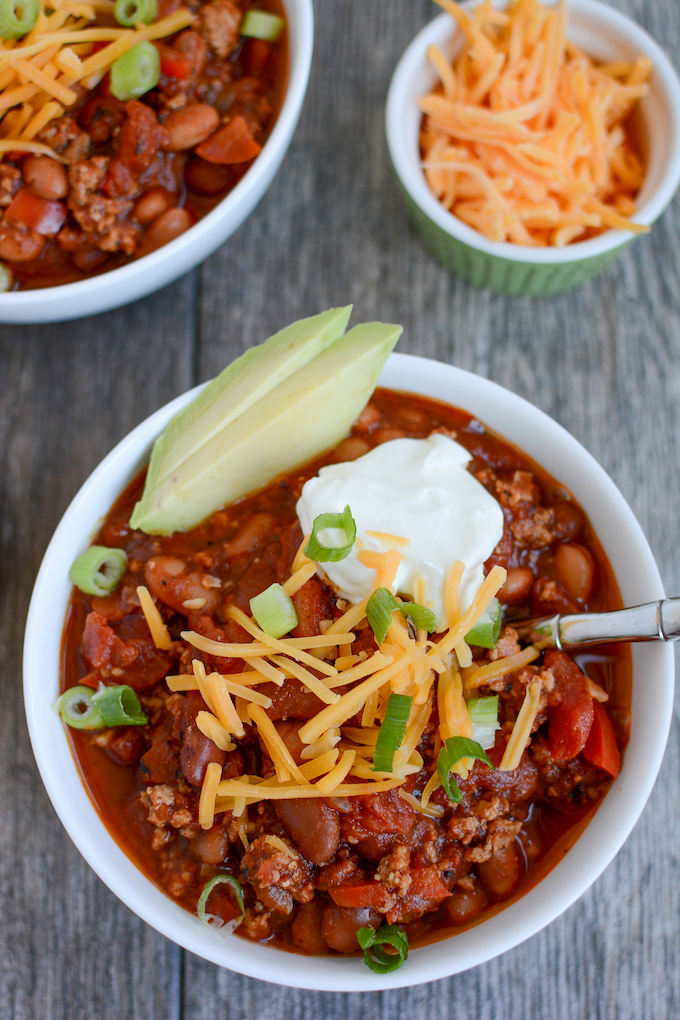
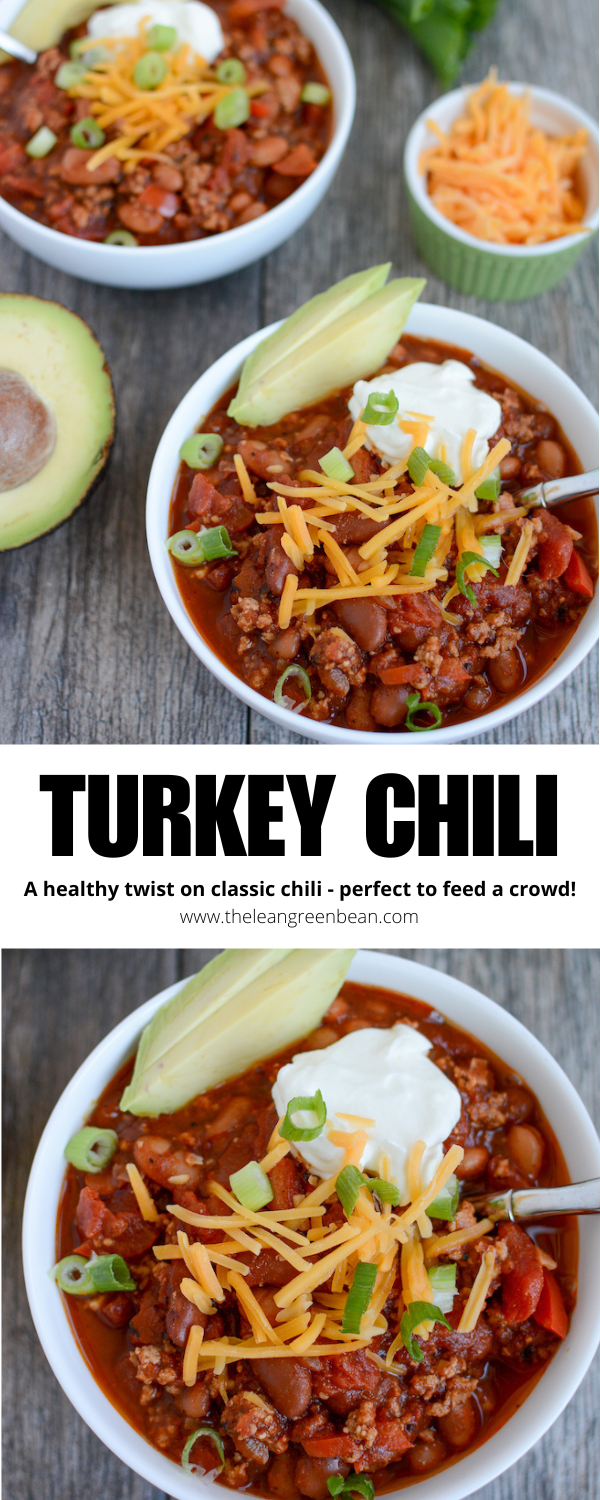
As the kitchen appliance market continues to innovate, the methods for preparing such staples will likely become even more streamlined. However, the core principles of the turkey chili—lean protein, fiber-rich legumes, and complex seasoning—remain constant. Whether served alongside traditional cornbread, topped with fresh avocado, or used as a base for a chili-cornbread skillet, the dish stands as a testament to the fact that nutritional optimization and culinary enjoyment are not mutually exclusive.
The shift toward such recipes reflects a more informed, health-conscious public. As more households integrate these practices into their weekly routines, the role of lean, protein-packed meals will continue to expand, influencing everything from grocery store inventory to the development of new, high-efficiency kitchen technologies. For the home cook, the turkey chili is more than just a recipe; it is a reliable tool for balancing the competing demands of modern life: the need for convenience, the desire for comfort, and the requirement for long-term wellness.