Navigating Type 1 Diabetes in the Classroom: How One North Carolina Family and Community Are Redefining Back-to-School Preparation


The transition into a new academic year presents logistical hurdles for millions of families nationwide, marked by school supply shopping, schedule adjustments, and the general anxiety of new beginnings. However, for households managing chronic health conditions such as type 1 diabetes (T1D), the back-to-school season requires an entirely elevated level of strategic planning, legal documentation, and medical preparedness. For nine-year-old Vale Long of Wilmington, North Carolina, and her mother, Chelsea Long, managing the condition has become a daily exercise in meticulous foresight, community collaboration, and resilience.
Diagnosed with type 1 diabetes in December 2025 during her fourth-grade year, Vale has quickly adapted to the complex demands of monitoring an autoimmune condition while remaining focused on her education and childhood development. Her experience reflects a broader national reality: according to the Centers for Disease Control and Prevention (CDC) and organizations like Breakthrough T1D (formerly JDRF), hundreds of thousands of school-aged children in the United States navigate type 1 diabetes daily, requiring structured medical support systems within public and private educational institutions.
The Main Facts of Daily T1D Management
Type 1 diabetes is a chronic autoimmune condition in which the pancreas produces little or no insulin, a hormone necessary for glucose to enter cells and produce energy. Unlike type 2 diabetes, which is often linked to lifestyle and genetic factors, type 1 diabetes is not preventable and requires lifelong administration of insulin via multiple daily injections or an automated insulin pump, alongside continuous glucose monitoring (CGM).
For Vale, maintaining glycemic control is a round-the-clock responsibility that extends seamlessly into the classroom.
"Every time before I leave the house, I always make sure my pump’s good, I have my glucagon, I have some sugar snacks, and I have my phone," Vale explained, summarizing the standard operational checklist required of pediatric patients utilizing modern diabetes technology, such as the Tandem Mobi pump and Dexcom continuous glucose monitor.
Her mother, Chelsea Long, emphasizes that the predictability of the school environment relies heavily on proactive measures established long before the first morning bell rings. Navigating the half-year since Vale’s December diagnosis provided the family with critical insights into the friction points of managing a medical device-dependent condition within a structured classroom setting. Yet, Chelsea notes that the family’s transition was significantly smoothed by the robust local network of Wilmington-area T1D families who shared vital institutional knowledge, legal templates, and emotional support.
Chronology and Background: From December Diagnosis to Back-to-School Readiness

The timeline of the Long family’s journey underscores the rapid adaptation required following a pediatric T1D diagnosis.
- December 2025: Vale Long is officially diagnosed with type 1 diabetes at age nine, initiating an immediate lifestyle shift for the fourth grader and her family.
- Spring 2026: Vale completes her first partial academic semester managing T1D, working closely with school administration, teachers, and local mentors to establish safe routines. During this period, Chelsea connects with the Wilmington T1D community, gathering peer advice on legal accommodations and device management.
- Summer 2026: The family utilizes insights gained from the previous months to overhaul their preparation for the upcoming school year. This includes drafting comprehensive 504 Plans, organizing decentralized emergency snack caches, and designing teacher "resumes" to streamline substitute instruction. Additionally, genetic screening reveals that Vale’s four-year-old sister is in Stage 1 T1D, prompting early vigilance and preparation within the same school system.
- Fall 2026: Vale returns to school fully equipped with personalized device accessories, distributed classroom medical kits, and a fortified support infrastructure.
Establishing Legal Protections: The 504 Plan and School Accommodations
Under federal civil rights legislation, specifically Section 504 of the Rehabilitation Act of 1973, public schools and institutions receiving federal financial assistance are legally mandated to provide reasonable accommodations to students with disabilities, which includes type 1 diabetes. A 504 Plan is a formal, written document outlining these specific modifications, ensuring that students have unhindered access to medical supplies, restroom facilities, water, and timely medical intervention during hyperglycemia or hypoglycemia events.
Drawing from the collective wisdom of veteran T1D mothers in Wilmington, Chelsea Long customized Vale’s 504 Plan to address nuanced scenarios that extend beyond standard classroom hours.
"For instance, when a child goes to a school function, there should still be someone there monitoring them at all times. That includes school dances or fundraisers that are still on school property, but maybe not during school hours, per se," Chelsea noted.
Furthermore, the family advocated for strict protocols regarding extracurricular activities and travel. "Another example was a field trip—making sure that the teacher either goes along on that field trip, or there is someone who is comfortable on the bus in case there was an emergency," she added.
Supporting Data and Technological Adaptation
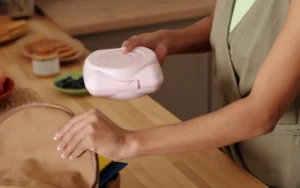
Managing type 1 diabetes in elementary school involves a significant volume of specialized equipment. Beyond standard academic supplies, families must procure and organize fast-acting carbohydrates to treat sudden drops in blood glucose. Vale’s emergency kit features a rotation of items such as applesauce, glucose gummies, juice boxes, and fruit cups. To prevent flavor fatigue, the family maintains a diverse variety of options.
Modern diabetes management relies heavily on advanced wearable technology, which introduces both solutions and unique physical challenges for active children. Vale utilizes a Tandem Mobi pump and a Dexcom CGM sensor. To combat skin sensitivity and irritation caused by adhesives—a frequently documented issue among pediatric device users—the Long family explored alternative mounting methods. Vale recently transitioned to using a specialized clip for her Mobi pump as an alternative to continuous overpatches, noting that the physical clips have proven effective.

When overpatches are used, however, personalization has become a key tool in fostering psychological acceptance. Vale utilizes decorative, color-coordinated overpatches—such as red, white, and blue designs for the Fourth of July—effectively transforming medical hardware into personalized accessories that she enjoys wearing.
Decentralized Emergency Logistics and Teacher Communication
Recognizing that elementary students frequently transition between classrooms for electives, art, physical education, and science, the Long family engineered a decentralized supply strategy. Rather than relying solely on the medical bag carried on Vale’s person—which runs the risk of depletion or being left behind—they placed dedicated emergency sugar snack bags in every classroom Vale visits.
Chelsea coordinates closely with school staff to ensure these stashes remain fully stocked. This proactive layering of resources minimizes the risk of unmanaged hypoglycemic episodes during transit between instructional spaces.
In tandem with the legal 504 Plan, Chelsea developed an innovative informational document for educators. Often described by the family as a "resume" or curriculum vitae for Vale’s diabetes, the document serves a dual purpose: it introduces Vale as a multifaceted child beyond her diagnosis, and it acts as an emergency cheat sheet for teachers and substitute instructors who may lack prior experience with type 1 diabetes. The document outlines subtle behavioral indicators and physical symptoms that manifest when Vale experiences blood glucose fluctuations, ensuring rapid recognition even if Vale is temporarily unable to communicate her symptoms.
Broader Impact: Family Screening, Stage 1 T1D, and Community Innovation
The Long family’s experience with type 1 diabetes expanded beyond Vale when Chelsea chose to have her other four children genetically screened for T1D autoantibodies. The testing revealed that her four-year-old daughter, currently enrolled in Pre-K within the same school district, tested positive for three diabetes-related autoantibodies, placing her in Stage 1 T1D—a presymptomatic phase characterized by normal blood glucose levels but the presence of autoimmunity.
Because the four-year-old attends the same school system, educators are already briefed on early indicators, such as frequent restroom utilization, which can signal the onset of symptomatic hyperglycemia. Chelsea reflects that while her initial journey with Vale involved a steep learning curve, applying established frameworks will streamline the medical integration process should her younger daughter progress to clinical diagnosis.
Beyond the immediate family unit, the Longs highlight the psychological importance of preserving childhood autonomy.

"When you’re a newly diagnosed child, you honestly go from being a child to having to take on a lot of responsibility, even though your parents are managing it for you," Chelsea observed. The overarching objective of their collaborative approach with school administration is to minimize medical distractions, allowing Vale to focus on education and socialization while maintaining a reliable safety net for emergencies.
For parents entering the T1D community, Chelsea offers pragmatic counsel centered on self-compassion. Device failures, adhesive detachments, and erratic blood glucose readings are inevitable components of pediatric diabetes management—particularly for active children who enjoy swimming and high-energy play.
"We do so much to try and prepare and then inevitably technology fails or, you know, a sensor falls out," Chelsea said. "Kids are kids and especially Vale, she’s very rough—she plays hard, loves swimming, and is very active. We have rarely had a week at school without some device malfunction—it’s going to happen, but it’s going to be okay."
This philosophy of resilience and grassroots organization ultimately inspired civic innovation within the local healthcare landscape. Recognizing the limitations of standard group messaging threads—where historical data, product recommendations, and emergency advice are frequently lost to newer members—Chelsea collaborated with a neighbor to develop a dedicated iOS application titled T1D Wilmington Warriors.
Shared directly with local endocrinology offices as a resource for newly diagnosed families, the application functions similarly to a structured community network, archiving local resources, community events, and peer-to-peer advice on specialized topics like eye care, emergency protocols, and localized travel tips.
"If something doesn’t exist, you can create it," Chelsea concluded, encapsulation of the advocacy, preparation, and community-driven spirit defining modern pediatric diabetes management in North Carolina and beyond.
Related posts: