The Clinical Context of Glucose Emergencies
Diabetes mellitus is a chronic condition characterized by the body’s inability to properly regulate blood glucose levels. While long-term management focuses on preventing complications such as neuropathy, retinopathy, and cardiovascular disease, the immediate, life-threatening risks remain centered on two extremes: hyperglycemia, where blood sugar levels rise dangerously high, and hypoglycemia, where they fall to levels that can cause seizures or loss of consciousness.
Hyperglycemia, if left untreated, can escalate into severe metabolic crises. Diabetic Ketoacidosis (DKA) is a life-threatening complication predominantly, though not exclusively, associated with Type 1 diabetes, occurring when the body lacks sufficient insulin and begins breaking down fat for fuel, producing acidic ketones. Conversely, Hyperosmolar Hyperglycemic State (HHS) is more frequently seen in Type 2 diabetes, often triggered by illness or infection, leading to profound dehydration and elevated blood osmolarity.
Hypoglycemia, often defined as a blood glucose level below 70 mg/dL, remains a persistent concern. For many living with diabetes, the condition of "hypoglycemia unawareness"—a physiological adaptation where the body stops producing the warning signs like shakiness or rapid heartbeat—increases the risk of severe, sudden medical crises.
Evolution of Management: A Historical Perspective
The trajectory of diabetes care has shifted from manual, reactive management to proactive, technology-driven oversight. In the late 20th century, patients relied primarily on urine testing or infrequent finger-prick blood glucose monitoring. The introduction of the first personal glucose meters in the 1980s revolutionized home care, but it was not until the widespread adoption of CGMs in the 2010s that patients gained real-time insight into their glucose trends.
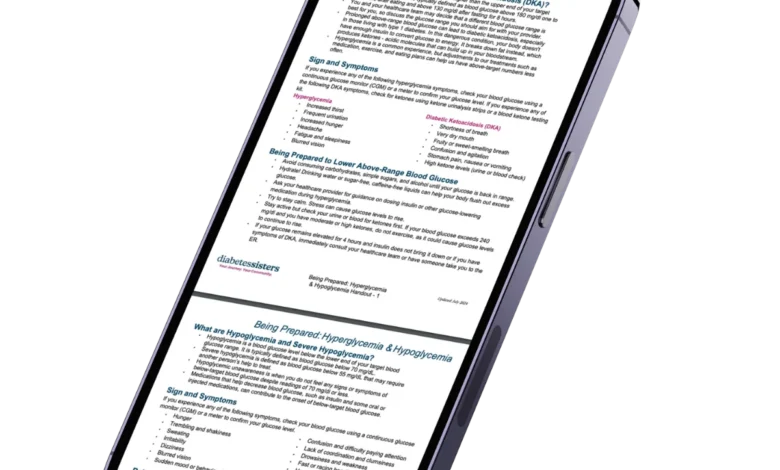
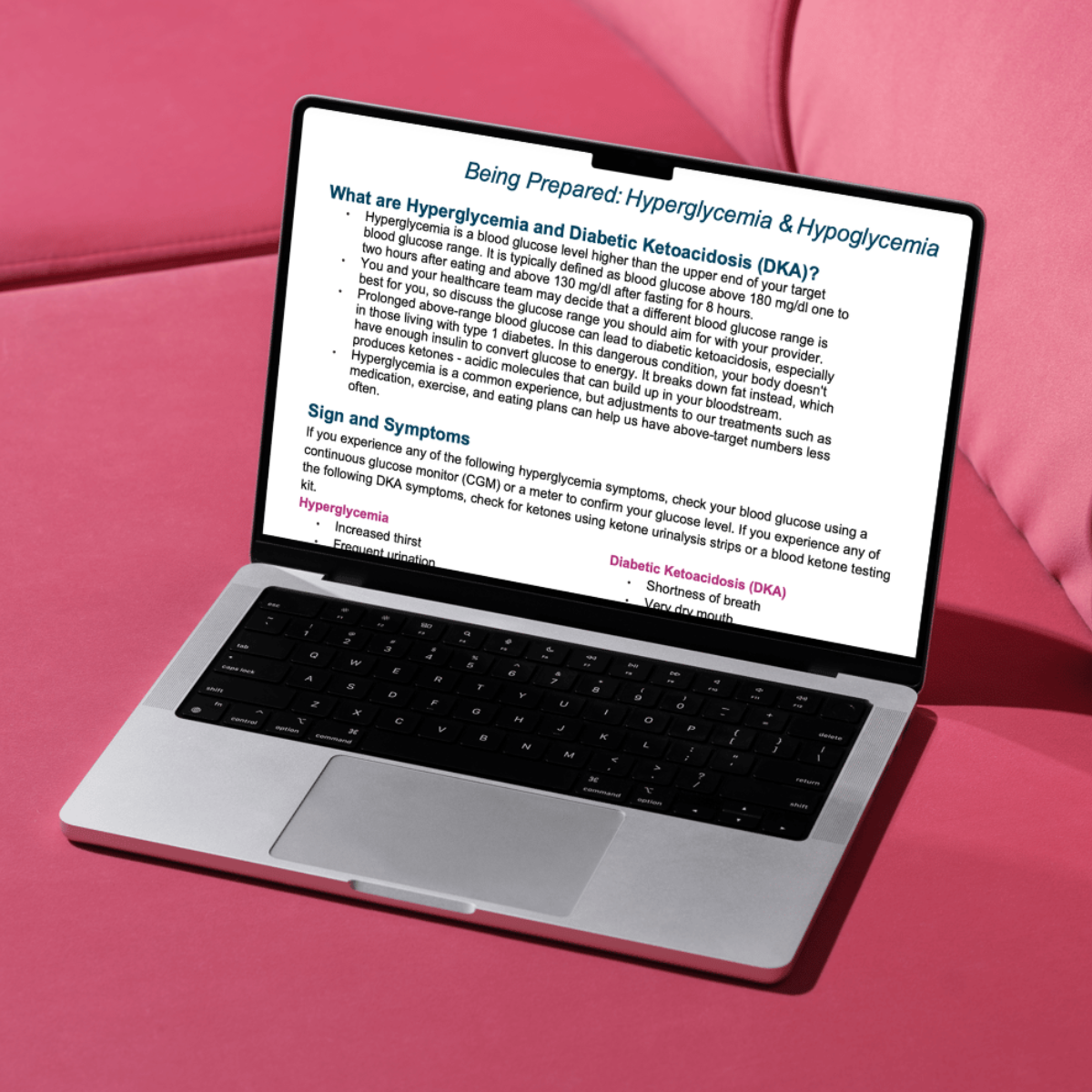
Despite these advancements, the human element remains the most significant variable. The 2026 guidelines emphasize that technology is an adjunct to, not a replacement for, clinical literacy. The recent update to the Being Prepared resource acknowledges that even with sophisticated insulin pumps and closed-loop systems, technical failures, absorption issues, or miscalculated carbohydrate counts can necessitate immediate human intervention.
Supporting Data and Prevalence
Clinical data underscores the urgency of public education regarding these emergencies. According to recent epidemiological reports, severe hypoglycemia accounts for a significant portion of diabetes-related emergency department visits annually. Studies have indicated that patients with hypoglycemia unawareness are at a six-fold higher risk for severe hypoglycemic events compared to those with intact warning symptoms.
Furthermore, the prevalence of DKA has remained a point of concern for public health officials. Data from the last three years indicates that hospital admission rates for DKA often spike during seasonal transitions, as infections or disruptions in routine care interfere with insulin delivery. The economic impact is equally substantial, with DKA-related hospitalizations costing healthcare systems billions of dollars annually, a figure that experts argue could be significantly reduced through better patient education and access to early-intervention resources.
Modern Intervention: Glucagon and Beyond
A pivotal component of the updated educational material is the shift in how hypoglycemia is treated. For decades, the only option for a severe hypoglycemic emergency was an injectable glucagon kit, which required the patient or caregiver to perform a complex, multi-step mixing process.
The current landscape, however, features a variety of more accessible options, including pre-filled, room-temperature-stable glucagon pens and nasal glucagon sprays. These innovations have drastically reduced the "barrier to entry" for bystanders who may need to assist someone in a crisis. The updated guide provides a clear, step-by-step breakdown of how to utilize these new technologies, emphasizing that the speed of administration is the primary determinant of a successful outcome.
Institutional Responses and Professional Recommendations
Leading endocrinology organizations and patient advocacy groups have praised the focus on clear, actionable emergency planning. In recent briefings, medical experts have highlighted that "preparedness" is not merely about having supplies, but about "cognitive readiness." This involves training family members, coworkers, and school staff on how to recognize the signs of a blood sugar emergency, such as confusion, slurred speech, or erratic behavior, which are often mistaken for intoxication or psychological distress.
"The primary challenge in managing acute glucose fluctuations is the speed at which a situation can deteriorate," noted one leading clinical researcher. "By moving from reactive panic to a pre-defined action plan, patients can mitigate the severity of these events significantly. The new guidance provides a framework for this, turning theoretical knowledge into a practical, bedside toolkit."

Broader Implications for Patient Autonomy
The shift toward more robust patient-led resources reflects a broader trend in chronic disease management: the empowerment of the patient as the primary manager of their own care. While physicians provide the roadmap, the day-to-day navigation of glucose stability falls squarely on the individual.
This shift has profound implications for health equity. By standardizing the information regarding DKA prevention and hypoglycemia rescue, organizations like DiabetesSisters aim to bridge the gap between patients with high-resource access and those in underserved communities. Educational materials that are easily downloadable and clearly illustrated reduce the dependency on high-cost, specialized consultations for basic emergency preparedness.
Analyzing the Impact of Educational Resources
The effectiveness of such resources is measured not just in downloads, but in long-term behavioral outcomes. Analysis suggests that individuals who actively maintain an emergency plan—including a "go-bag" with backup glucose supplies, glucagon, and documentation—report lower levels of "diabetes distress," a specific psychological burden associated with the constant monitoring required by the condition.
The inclusion of sections on HHS and hypoglycemia unawareness in the updated guide suggests a move toward addressing the "hidden" dangers of diabetes. While DKA is frequently discussed, HHS is often misunderstood, yet it carries a higher mortality rate in older populations. By providing clear protocols for when to seek professional medical intervention versus when to adjust home treatment, the resource serves as a triage tool that can alleviate pressure on emergency services.
Conclusion and Future Outlook
As we move further into the second half of the decade, the focus of diabetes care is shifting toward personalization. However, the fundamental biological risks of glucose mismanagement remain universal. The Being Prepared: Hyperglycemia & Hypoglycemia guide acts as a bridge between the highly technical nature of modern diabetes care and the pragmatic realities of living with a chronic, volatile condition.
By prioritizing literacy, preparedness, and the adoption of modern rescue tools, the medical community continues to make strides in reducing the morbidity associated with blood glucose emergencies. The success of these efforts will ultimately be determined by the widespread adoption of these simple, life-saving protocols, ensuring that no patient is left without a plan when their glucose goes out of range. As the medical landscape evolves, the standard of care is increasingly defined by how well patients and their support networks are equipped to handle the unexpected, proving that preparedness remains the most effective medicine.
Related posts: