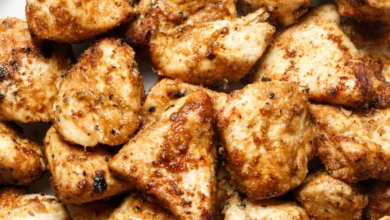
Air Fryer Chicken Bites: The Evolution of Modern Home Cooking and Nutritional Efficiency

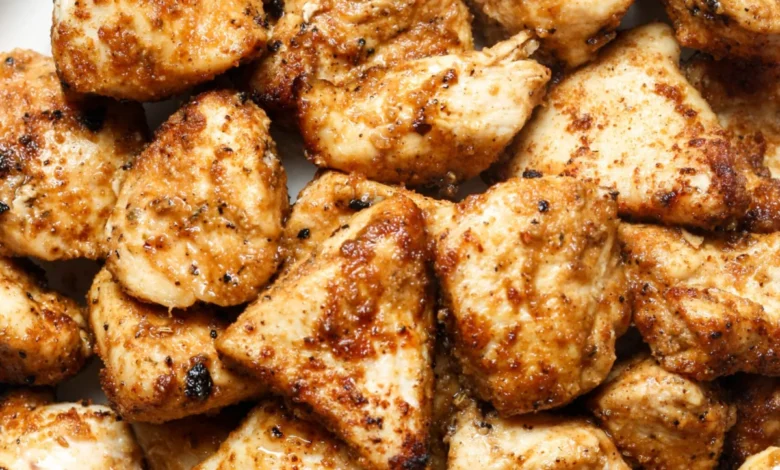
The rise of the air fryer as a kitchen staple has fundamentally altered the landscape of domestic food preparation, specifically regarding the pursuit of healthier, time-efficient, and palatable meal solutions. Among the most popular applications of this technology is the preparation of chicken bites, a culinary development that reflects a broader shift toward home-based, nutrient-conscious dining. As households continue to navigate the demands of modern schedules, the air-fried chicken bite has emerged as a quintessential example of how technological convenience can intersect with nutritional requirements, providing a versatile, high-protein option that avoids the traditional drawbacks of deep-frying.
The Technological Context of Air-Frying
The air fryer, which operates by circulating superheated air at high speeds via a convection mechanism, has moved from a niche appliance to a standard feature in contemporary kitchens. Market research data from 2024 indicates that over 40% of households in North America now own at least one air-frying device, citing speed and the reduction of oil usage as primary motivators for purchase.
The mechanism relies on the Maillard reaction—a chemical reaction between amino acids and reducing sugars that gives browned food its distinctive flavor—without requiring the immersion of the product in boiling oil. In the context of chicken bites, this process allows for the creation of a crisp exterior texture while preserving the moisture and protein integrity of the internal meat. This transition from deep-frying to air-frying represents a significant reduction in caloric intake, as a typical serving of fried chicken can contain up to 50% more fat than an equivalent portion prepared in an air fryer.
Culinary Methodology and Nutritional Optimization
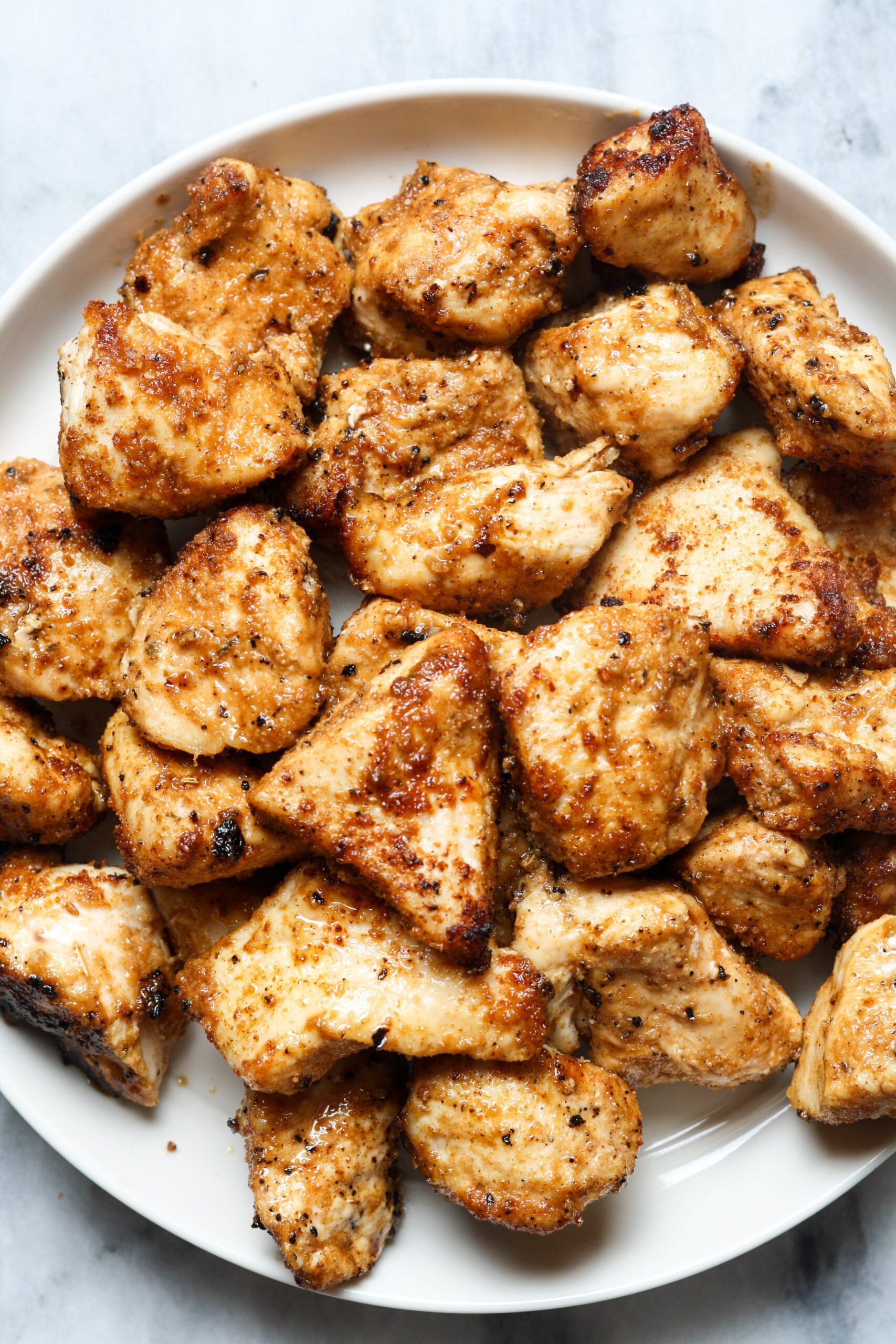
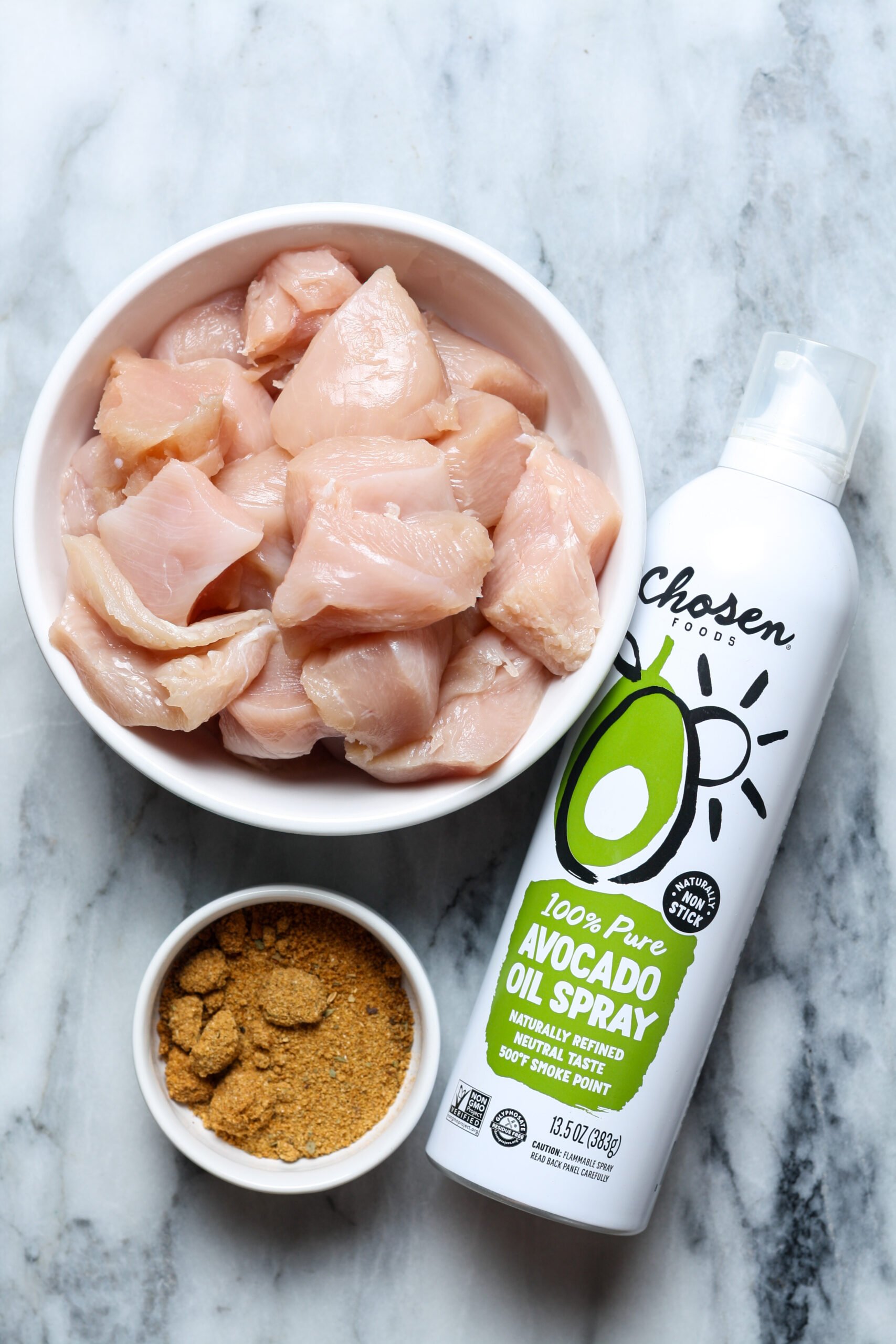
The preparation of these bites involves a standardized, multi-step process that optimizes both texture and health outcomes. The primary components include the selection of lean protein—typically chicken breast or, for those seeking higher fat content and tenderness, chicken thighs—cut into uniform one-inch cubes to ensure even thermal distribution.
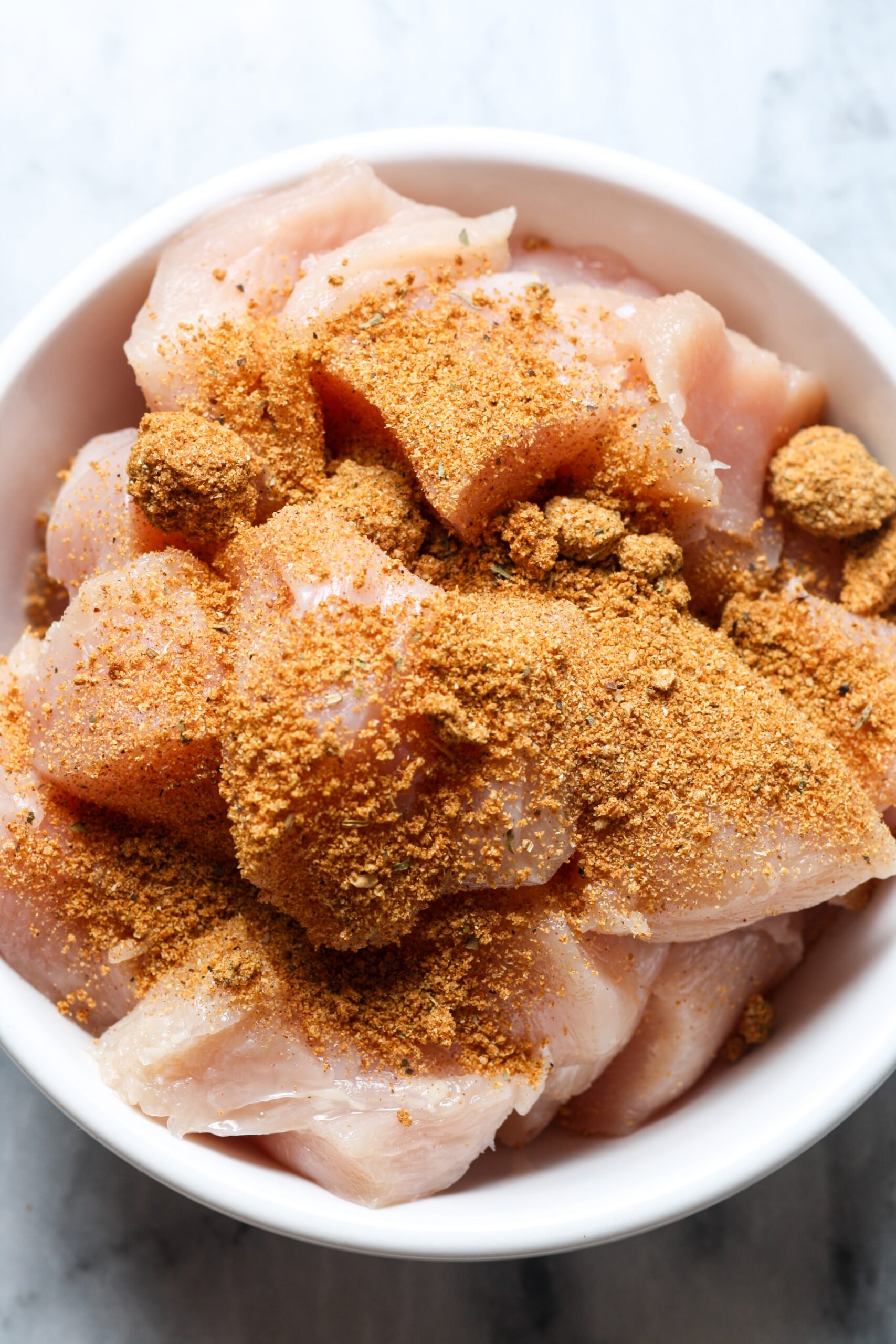
The seasoning profile is a critical element in the nutritional value of the meal. By utilizing natural, dry-rub spices such as sea salt, black pepper, garlic powder, onion powder, and cumin, home cooks avoid the high sodium and preservative content found in commercially prepared, breaded chicken nuggets. The application of a light coating of olive or avocado oil is essential not only for the Maillard reaction but also for the delivery of healthy monounsaturated fats.
Timeline of Preparation and Culinary Best Practices
For those adhering to strict meal-prep schedules, the chronology of the cooking process is streamlined:
- Preparation Phase (0–5 minutes): Thawing frozen proteins completely is a prerequisite for food safety. Once thawed, the meat is cubed to uniform dimensions to ensure the internal temperature reaches the USDA-recommended 165°F (74°C) simultaneously across all pieces.
- Seasoning Phase (5–7 minutes): Application of the spice blend and a light aerosol application of oil. The uniformity of the coating is essential for consistent browning.
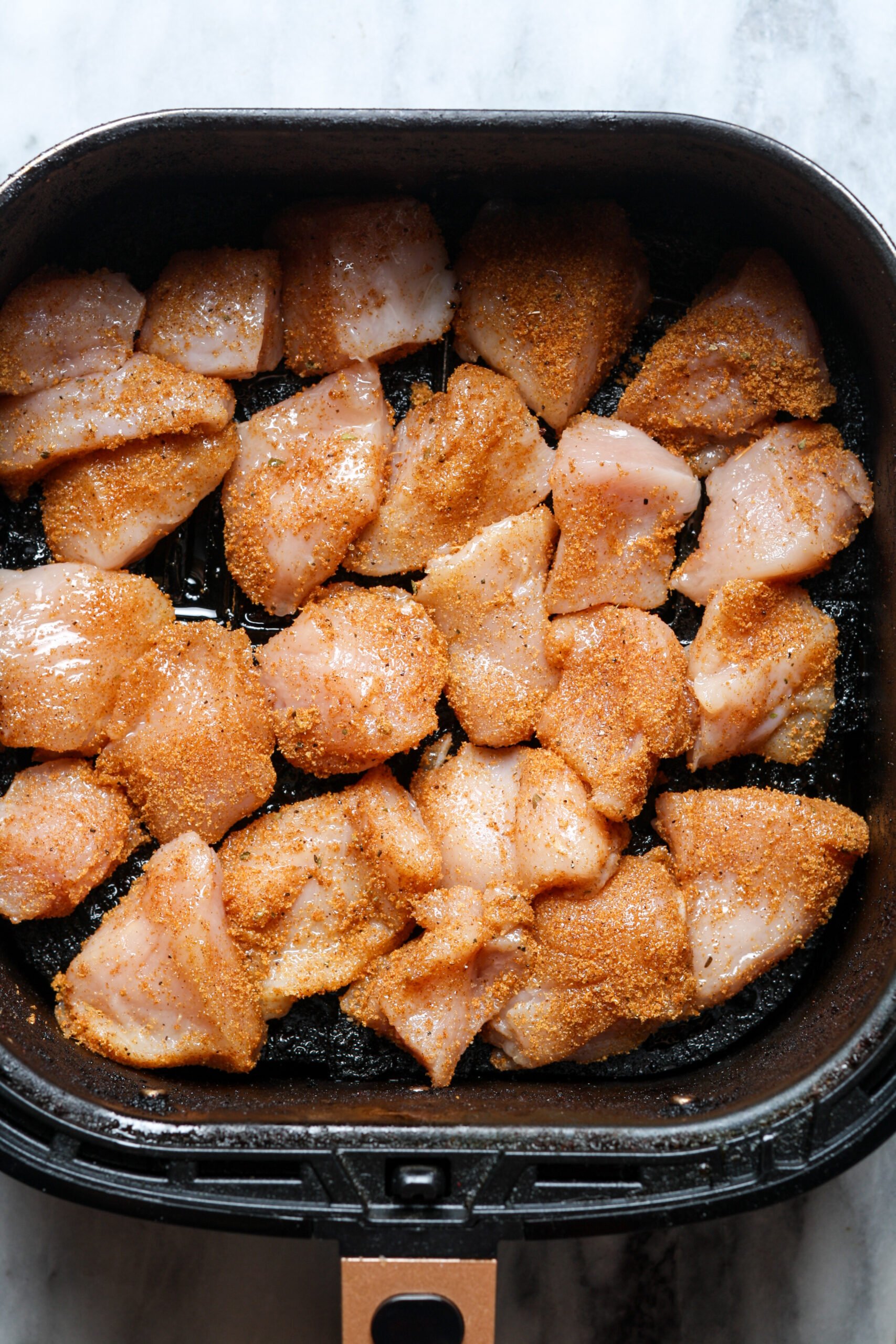
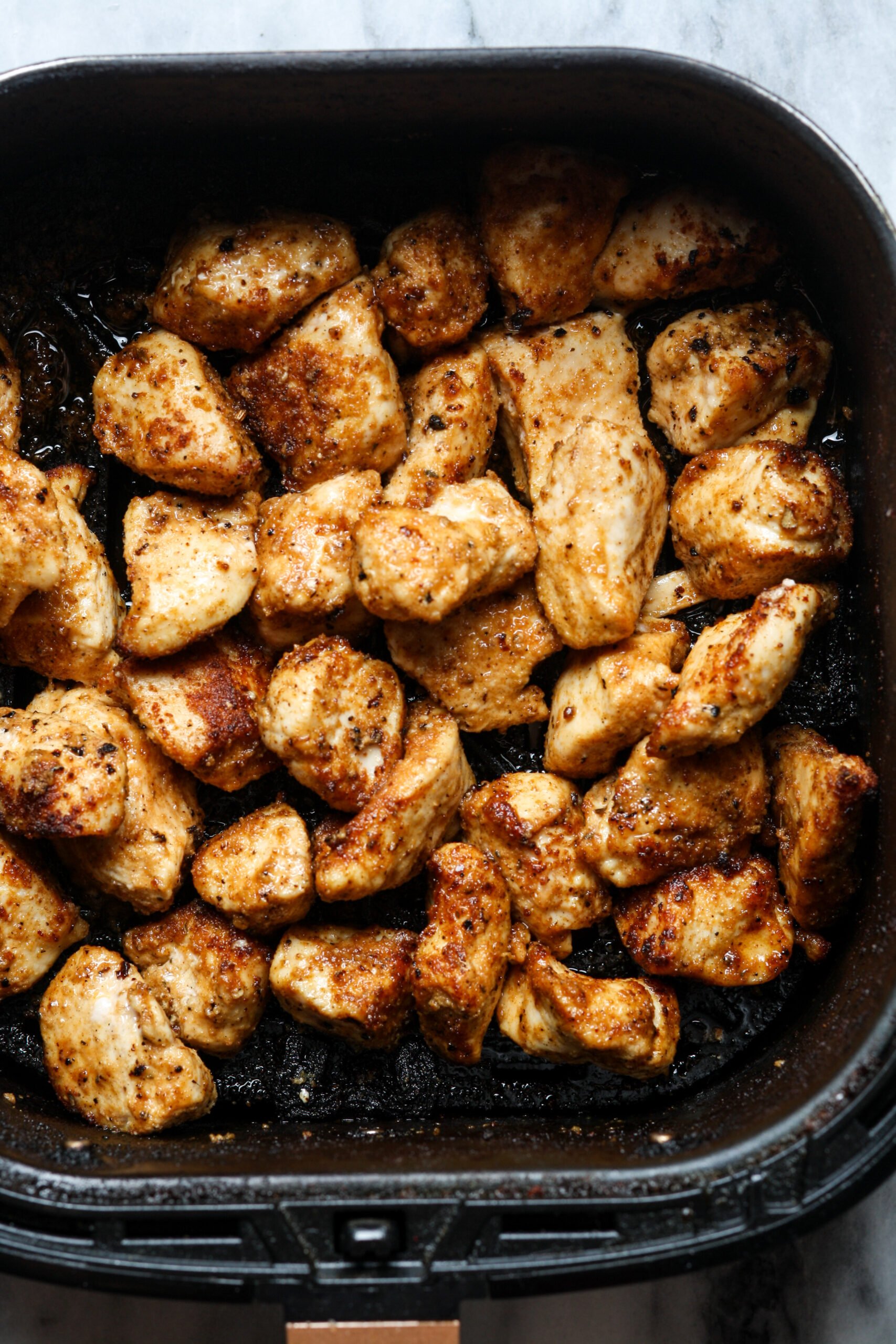
- Thermal Processing (12–15 minutes): The bites are arranged in a single layer within the air fryer basket. A mid-cycle agitation or flipping is required to prevent "cold spots" and ensure uniform crispness.
- Resting Phase (1–2 minutes): Allowing the protein to rest post-cooking helps redistribute juices, enhancing the final texture.
Economic and Practical Implications
The shift toward air-fried poultry is not merely a matter of health; it is an economic response to the rising costs of processed convenience foods. By preparing high-protein snacks and meals at home, households can realize significant cost savings. Furthermore, the longevity of these items—which can be stored in airtight containers for up to four days or frozen for up to three months—aligns with the growing consumer preference for batch cooking.
From an industry perspective, nutritionists and food scientists have noted that the air-fryer model encourages "conscious consumption." When individuals participate in the preparation of their protein sources, they are more likely to control the quality of the ingredients, moving away from ultra-processed additives that are often standard in pre-packaged frozen chicken products.
Broader Nutritional and Dietary Impact
The versatility of air-fried chicken bites makes them a foundational element for a variety of dietary patterns, including the Mediterranean diet, high-protein/low-carb regimens, and general balanced nutrition plans. Their application in salads, grain bowls, and as standalone appetizers provides a low-barrier-to-entry solution for individuals attempting to increase their protein intake without resorting to fast-food alternatives.
Furthermore, the ability to modify the seasoning profile to suit specific palate requirements—ranging from the inclusion of cayenne for metabolic stimulation to the use of herbaceous profiles—underscores the flexibility of this cooking method. It represents a democratization of cooking, where minimal culinary training is required to produce a result that rivals restaurant-quality texture and flavor profiles.
Expert Analysis and Future Trends
Food industry analysts suggest that the popularity of the air fryer is not a passing trend but a permanent fixture of the modern culinary infrastructure. The efficiency of the air fryer in handling small-batch proteins aligns with the "smaller household" trend, where many consumers are cooking for one or two people rather than large families.
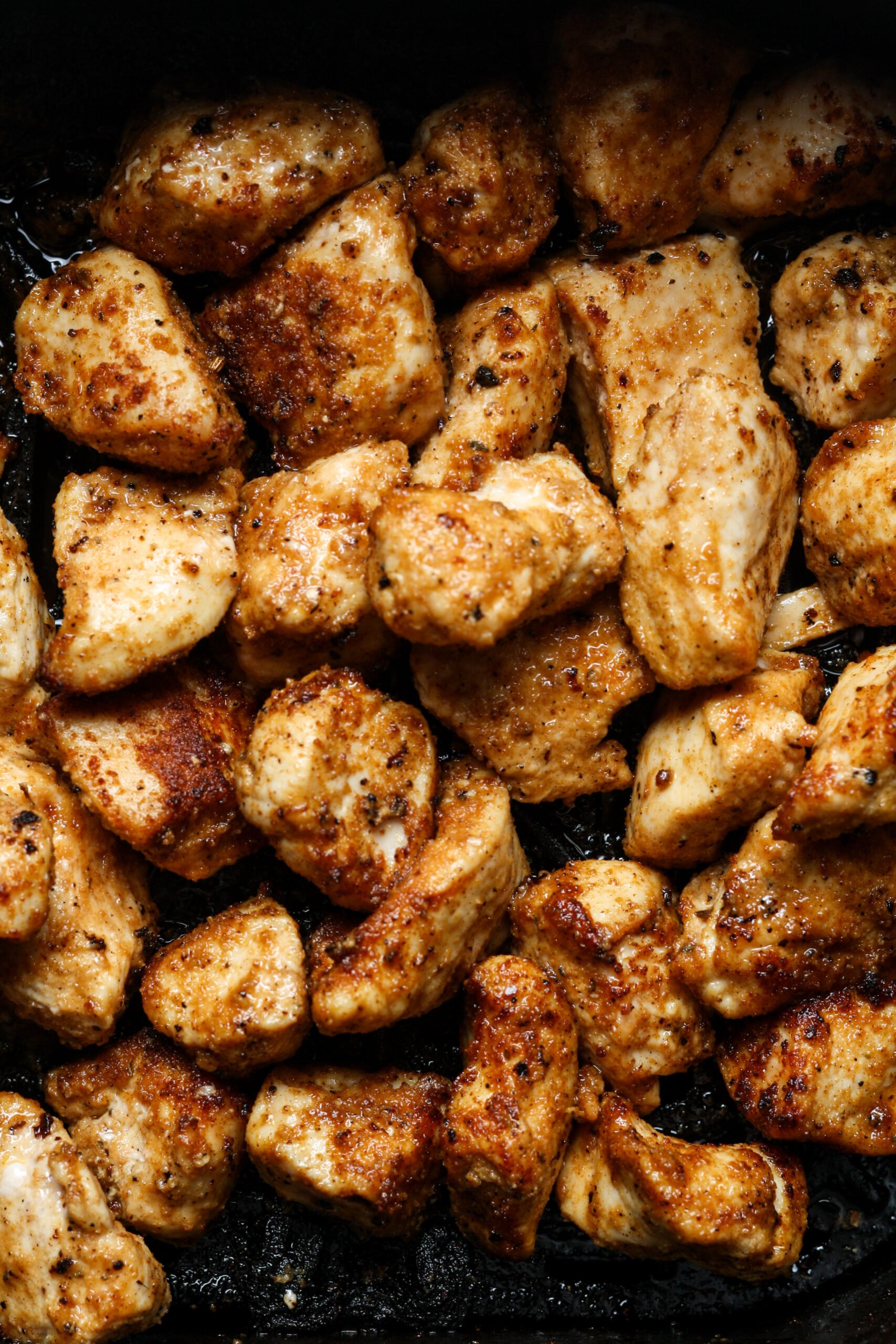
Statements from food safety experts emphasize that while the convenience is undeniable, consumers must remain vigilant regarding cross-contamination. Because the air fryer is a high-temperature device, users are advised to ensure that the removable basket components are thoroughly sanitized after each use. Moreover, the practice of avoiding the "overcrowding" of the basket is emphasized as a scientific necessity; when too many pieces are added, the internal temperature of the air drops, and the moisture release from the chicken can lead to steaming rather than crisping.
Conclusion: The Future of Home-Cooked Protein
The air fryer chicken bite serves as a micro-case study for the evolution of modern home cooking. It combines the efficiency demanded by a fast-paced society with the health-conscious priorities of the contemporary consumer. As technological advancements continue to make air fryers more accessible and sophisticated, the reliance on these devices for high-quality, efficient, and nutritious protein preparation is expected to grow.
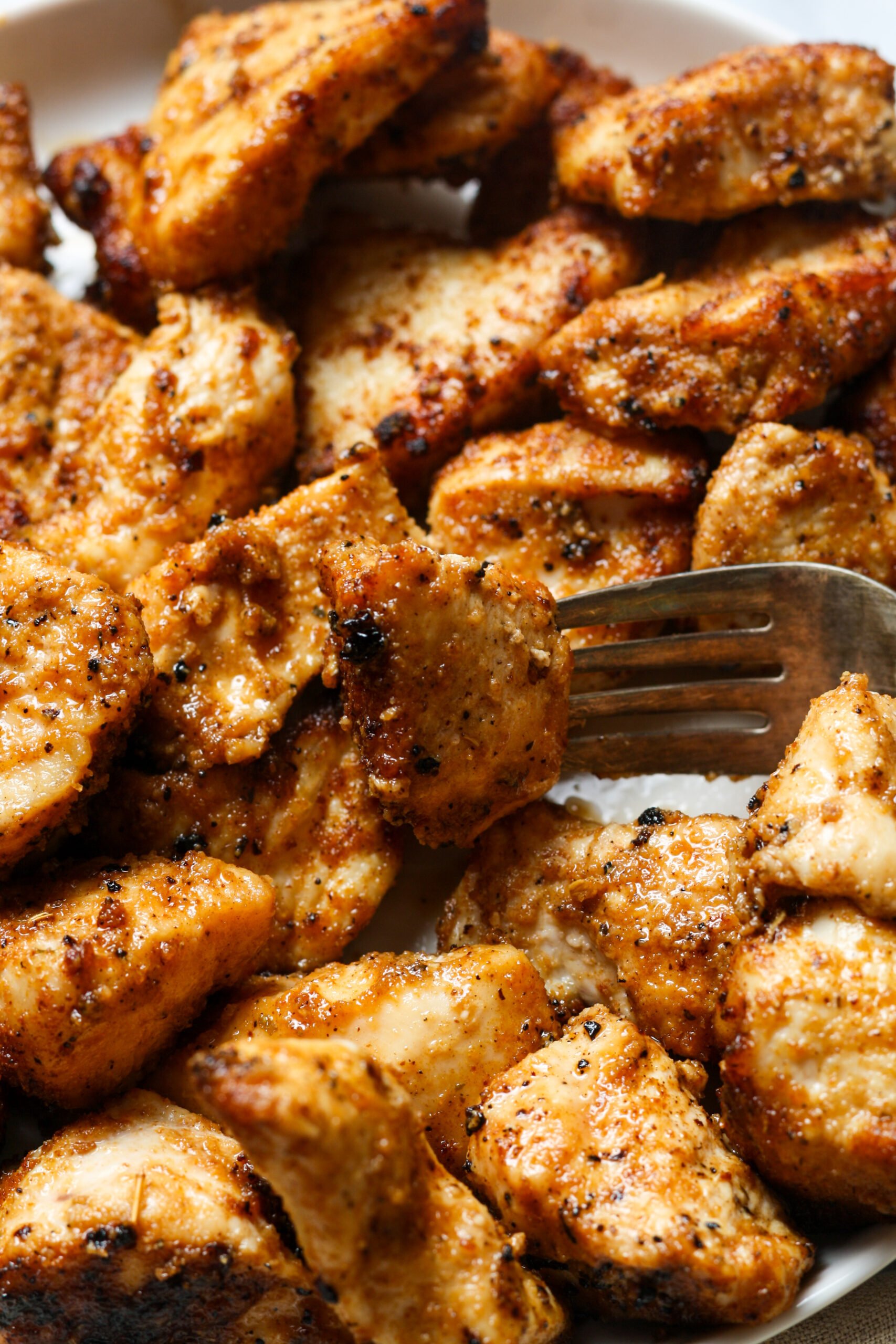
Whether serving as a staple for children’s lunches or a sophisticated component in a high-protein dinner bowl, the air-fried chicken bite demonstrates that technological innovation can successfully bridge the gap between convenience and health. By controlling the ingredients and the cooking environment, the average consumer has regained agency over their dietary intake, proving that the most effective way to improve nutritional outcomes is often the most accessible one. As we move forward, the continued integration of such practices will likely remain a hallmark of a kitchen environment that values both time-efficiency and dietary wellness.