The Power of Melody: How Preschool Name Songs Transform Early Literacy and Classroom Inclusion

For a four-year-old walking into a preschool classroom, the environment can initially feel overwhelming, large, and unfamiliar. Amidst the array of colorful blocks, art supplies, and bustling peers, one word stands out as a crucial anchor: a child’s own name. In early childhood education, a child’s name is frequently their very first recognized print word and the initial target for early writing attempts. Recent developments in early education methodology highlight an increasingly popular and research-backed strategy to bridge this gap: the strategic integration of name songs into daily preschool routines.
Main Facts: The Intersection of Music, Recognition, and Routine
Educational experts and developmental specialists point out that when educators incorporate individual names into structured songs, young children exhibit heightened attention spans and elevated participation rates. Name songs—short, predictable musical greetings or chants utilized primarily during group transitions and circle time—serve as a dual-purpose tool. They function simultaneously as social-emotional anchors and foundational literacy exercises.
Data from the National Association for the Education of Young Children (NAEYC) consistently underscores the powerful correlation between early music exposure and accelerated language development. Music naturally engages the auditory cortex, helping young brains process phonemes, syllables, and rhythmic structures. When these musical elements are paired with a child’s own name—arguably the most familiar and personally relevant word in their vocabulary—the cognitive barriers to learning drop significantly. Children do not perceive this as academic instruction; instead, they experience it as a welcoming, low-pressure game that invites them into the collective life of the classroom.
Chronology and Classroom Integration: How the Routine Unfolds
Implementing name songs requires a deliberate, methodical approach to ensure that young learners feel secure rather than overwhelmed. Early childhood pedagogy suggests a distinct timeline for introducing and evolving these musical routines across a preschool term.
During the first week of school, educators typically introduce a single, highly predictable greeting song, such as a localized variation of "Hello, [Name], how are you today?" This foundational rhythm signals a clear transition from chaotic free-play into focused group time. Research emphasizes that predictability fosters a deep sense of psychological safety among preschoolers, reducing separation anxiety and setting a calm tone for the day.
Over the subsequent two to four weeks, teachers maintain this exact musical pattern. This repetition is vital; it grants children the time necessary to master the melody, internalize the rhythm, and anticipate their turn in the song. As familiarity builds, classroom observation data shows a marked increase in confidence, with timid or hesitant learners beginning to sing along independently.
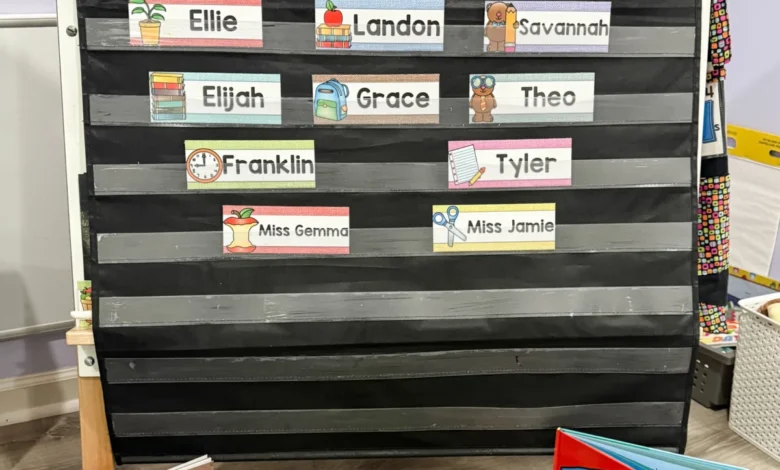
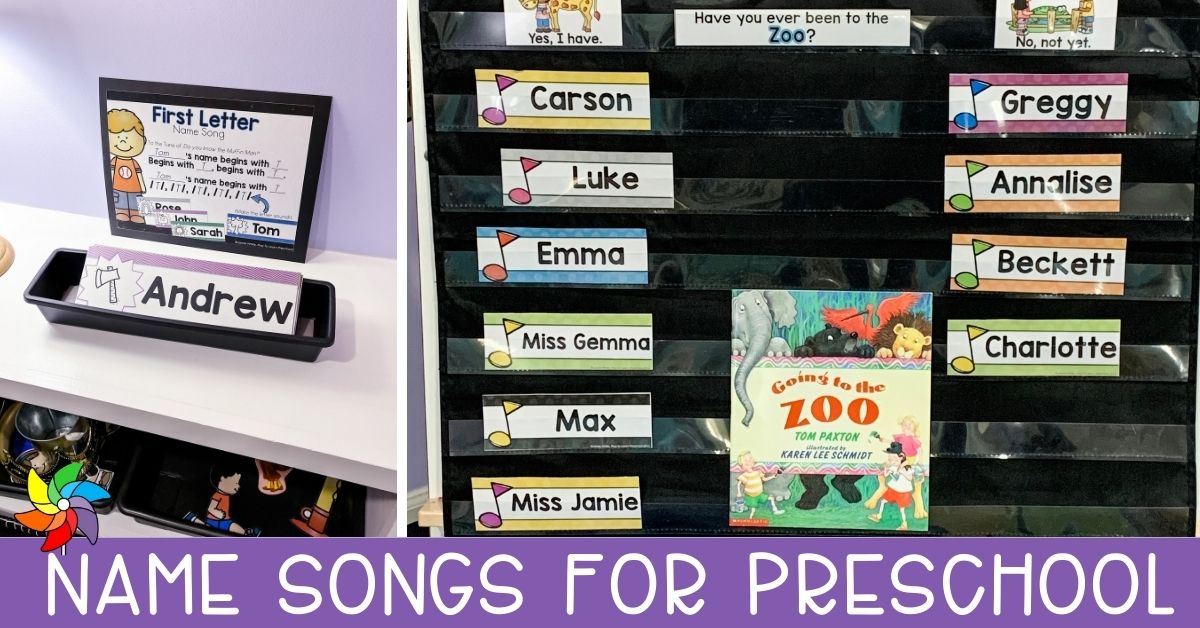
Once the baseline routine feels entirely secure—usually by the end of the first month—educators can begin layering in variations. This might include introducing a new song structure, incorporating rhythm instruments like tambourines or maracas to tap out name syllables, or using visual props such as personalized name tags on rings. This gradual expansion keeps cognitive engagement high without disrupting the comforting predictability of the daily schedule.

Supporting Data and Early Literacy Implications
The cognitive mechanics behind name songs extend far beyond mere classroom management. According to developmental literacy frameworks, name recognition serves as the gateway to broader print awareness. When children hear names sung repeatedly, they begin to map spoken sounds to visual letters.
Classroom case studies and early childhood developmental audits indicate that children exposed to daily musical name routines demonstrate accelerated milestones in several key areas:
- Phonological Awareness: Recognizing initial sounds, rhyming patterns, and syllable breaks within familiar peers’ names.
- Print Motivation: Showing an intrinsic desire to interact with written text, name cards, and labeling systems around the room.
- Working Memory: Leveraging musical cadence to retain and recall sequential information, a skill that transfers directly to learning sight words and phonetic rules later in elementary school.
Furthermore, educators frequently extend these musical moments beyond morning circle time. By placing laminated name cards into writing centers, sensory bins, and transition lines, teachers provide continuous opportunities for reinforcement. When a child searches a sensory bin to find the letters spelling out their own name, they are actively applying the auditory patterns learned during morning songs to tactile, hands-on exploration.
Educator Perspectives and Classroom Inclusion
From the perspective of classroom management and community building, the stakes are equally high. Early childhood specialists note that the first six weeks of a school year are critical for establishing a classroom culture of inclusion and belonging.

"When a child hears their name projected in a warm, musical format by their teacher and peers, it validates their presence in that space," notes a curriculum specialist focused on early childhood development. "It tells the child, ‘You are seen, you matter, and you belong here.’"
For children from diverse linguistic backgrounds or those experiencing their first prolonged separation from primary caregivers, this daily validation can significantly ease the transition into a structured school environment. Moreover, as children sing their classmates’ names day after day, they organically learn to recognize everyone in their cohort. This shared ritual transforms a collection of individual children into a cohesive, empathetic classroom community.
Broader Economic and Practical Implications for Educators
As the demand for evidence-based, time-saving preschool resources grows, the administrative burden on early childhood educators has likewise increased. Crafting individualized curriculum materials for diverse classrooms often requires hours of preparation. Consequently, standardized, editable resources—such as comprehensive name-song kits containing customizable song lists and printable student cards—have become invaluable commodities in the modern preschool ecosystem.
Priced accessibly for early childhood programs, these instructional tools allow teachers to input a class roster once and instantly generate dozens of interactive, standards-aligned songs. By streamlining preparation, educators can dedicate more energy to direct student engagement, observation, and responsive teaching.

Ultimately, the enduring popularity of name songs in early education underscores a timeless pedagogical truth: learning is most effective when it is joyful, personal, and rooted in connection. By harnessing the universal appeal of music and the intensely personal nature of a child’s own name, educators can lay a robust foundation for a lifetime of literacy, confidence, and community belonging.