Blended Practices for Teaching Young Children in Inclusive Settings Third Edition Offers Comprehensive Frameworks for Modern Early Childhood Education

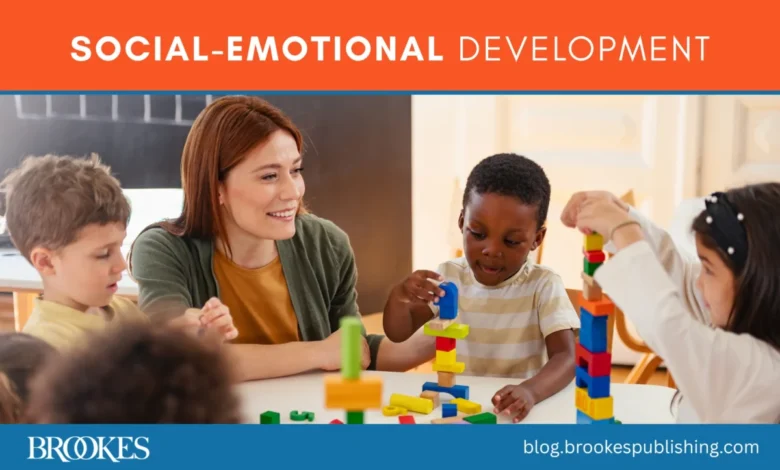
In the evolving landscape of early childhood education, the implementation of inclusive classrooms has transitioned from a progressive ideal to a pedagogical standard. The release of the third edition of Blended Practices for Teaching Young Children in Inclusive Settings provides educators with an updated, evidence-based blueprint for navigating the complexities of diverse learning environments. By emphasizing Multitiered Systems of Support (MTSS), the authors—Jennifer Grisham, Mary Louise Hemmeter, Sarah Hawkins-Lear, and Adrienne K. Golden—address the critical intersection of general and special education, offering a structured approach to fostering social-emotional development among children aged two to six.
The Evolution of Inclusive Pedagogical Frameworks
The historical trajectory of early childhood education in the United States has been marked by a shift toward the "blended" model. In the late 20th century, early childhood education and early childhood special education often operated as siloed disciplines. The emergence of the blended approach, which integrates the best practices of both fields, gained traction as researchers identified that high-quality, inclusive settings yield superior outcomes for all students, regardless of developmental trajectory.
The publication of this third edition arrives at a time when classroom dynamics are increasingly complex. Recent data from the National Center for Education Statistics (NCES) indicates that a significant percentage of young children enter preschool environments with varying levels of social-emotional readiness. This disparity necessitates a systematic approach that moves beyond ad hoc interventions, prioritizing instead a proactive, universal framework that supports every child from their first day in the classroom.

The Multitiered Systems of Support (MTSS) Model
At the heart of the current discourse in educational policy is the MTSS framework. This system is structured into three distinct tiers, designed to provide a graduated level of support based on the individual needs of the student:
- Universal Tier (Tier 1): This tier encompasses high-quality, research-based instruction provided to all students. It focuses on the creation of a supportive physical environment, consistent daily routines, and clear, positive behavioral expectations. Research suggests that when Tier 1 supports are implemented with fidelity, approximately 80% of behavioral and social-emotional issues can be mitigated before they escalate.
- Focused Tier (Tier 2): Designed for students who require more targeted assistance, this tier introduces small-group interventions. These are typically implemented when universal strategies prove insufficient for specific developmental milestones or social challenges.
- Systematic Tier (Tier 3): This level of support is highly individualized and intensive. It is intended for the small percentage of children who require specialized, one-on-one interventions to succeed in the inclusive classroom.
Optimizing the Physical Environment as a Foundation
The physical environment of a classroom is often described by educators as the "third teacher." According to the framework outlined in the text, the layout and accessibility of a room are primary drivers of prosocial behavior. When a classroom is designed with clear pathways, defined activity zones, and materials that reflect the cultural and ability diversity of the students, the likelihood of "challenging behaviors"—often caused by frustration or overstimulation—is substantially reduced.
Fact-based analysis of classroom design suggests that visual cues, such as labeled bins and clearly demarcated interest centers, decrease cognitive load for young children. This allows students to transition between tasks with greater autonomy. Furthermore, the inclusion of materials that represent varied family structures and cultural backgrounds fosters a sense of belonging, which is a known prerequisite for social-emotional growth.
Schedules, Routines, and the Psychology of Transitions
One of the most significant predictors of classroom success is the consistency of the daily schedule. Research in child development indicates that children thrive when they have a predictable rhythm to their day. Transitions between activities are often the most stressful periods in an early childhood setting; however, when educators employ visual schedules, auditory cues (such as a song or a chime), and "first-then" instructions, the anxiety associated with change is significantly diminished.

The authors emphasize that "unengaged time"—periods where children are left without structured tasks or supervision—is a primary precursor to behavioral disruptions. By strategically planning transitions to be brief and purposeful, teachers can maintain the momentum of the learning environment, thereby reducing the stress placed on children who may struggle with executive function or self-regulation.
Behavioral Expectations and Positive Behavior Interventions and Supports (PBIS)
The adoption of a program-wide Positive Behavior Interventions and Supports (PBIS) plan is a cornerstone of the modern inclusive school. By developing a set of universal behavioral expectations—such as "be kind," "be safe," and "be responsible"—schools can create a common language that persists across different classrooms and developmental stages.
The challenge, however, lies in the "teaching" of these expectations. Rather than merely posting rules on a wall, effective inclusive practice involves modeling these behaviors, using role-play to demonstrate appropriate responses, and providing immediate, positive reinforcement when children meet these expectations. This proactive approach shifts the classroom culture from one of punitive discipline to one of skill-building.
Broader Implications for Early Childhood Policy
The implications of adopting these blended practices are far-reaching. As states continue to push for universal pre-kindergarten, the quality of these programs remains a subject of intense debate. The systematic application of the MTSS model, as promoted in the third edition of Blended Practices, offers a path toward standardization. By equipping teachers with the tools to address a wide spectrum of abilities within a single classroom, the educational system can move closer to true inclusivity.

Critics of inclusive models have historically pointed to the potential for "resource dilution," where teachers are overwhelmed by the varying needs of their students. However, the MTSS framework specifically addresses this by providing a tiered structure that helps teachers prioritize their energy. By focusing on the universal tier first, educators can stabilize the environment, making the task of providing specialized support for Tier 2 and Tier 3 students more manageable and effective.
Future Directions and Expert Consensus
Educational experts maintain that the next decade will require an even greater emphasis on the social-emotional component of learning. As the focus of early childhood education shifts from academic memorization to the development of "soft skills"—such as empathy, conflict resolution, and self-regulation—the adoption of evidence-based frameworks becomes essential.
The release of this updated edition serves as a reminder that inclusive education is not a static destination but a continuous process of refinement. For school administrators and classroom teachers, the takeaway is clear: the success of the inclusive classroom depends on the intentional design of the environment, the reliability of the schedule, and the clarity of the behavioral expectations. By grounding these elements in a tiered system of support, educators can ensure that all children, regardless of their starting point, are prepared for the academic and social demands of the K-12 system and beyond.
As the field continues to integrate research from behavioral psychology and early childhood development, resources like Blended Practices provide the necessary link between theory and classroom reality. The long-term success of the next generation of students may well depend on the ability of educators to master these universal strategies today, creating the stable, inclusive foundations that every child requires to thrive.
Related posts: