The Ultimate Creamy White Bean Soup Recipe: A Nutrient-Dense, One-Pot Comfort Meal for Weeknight Dinners


As shifting seasonal temperatures drive consumer demand for wholesome, warming, and economical meals, home cooks and culinary experts are increasingly turning to versatile pantry staples to deliver both nutrition and comfort. Leading this culinary shift is a newly popularized recipe for creamy white bean soup, an innovative one-pot dish designed to achieve a velvety, luxurious texture without relying on heavy creams or excessive dairy. By utilizing the natural starches of blended legumes, this dish offers a modern approach to classic comfort food—balancing high plant-based protein content with a streamlined preparation method tailored for busy weeknights and meal-prep routines.
Culinary Mechanics: The Science Behind Dairy-Free Creaminess
For decades, achieving a creamy broth in domestic cooking required substantial quantities of heavy cream, butter, or roux-based slurries. However, contemporary nutritional and culinary trends emphasize cleaner, more nutrient-dense alternatives that do not sacrifice mouthfeel or flavor profiles.
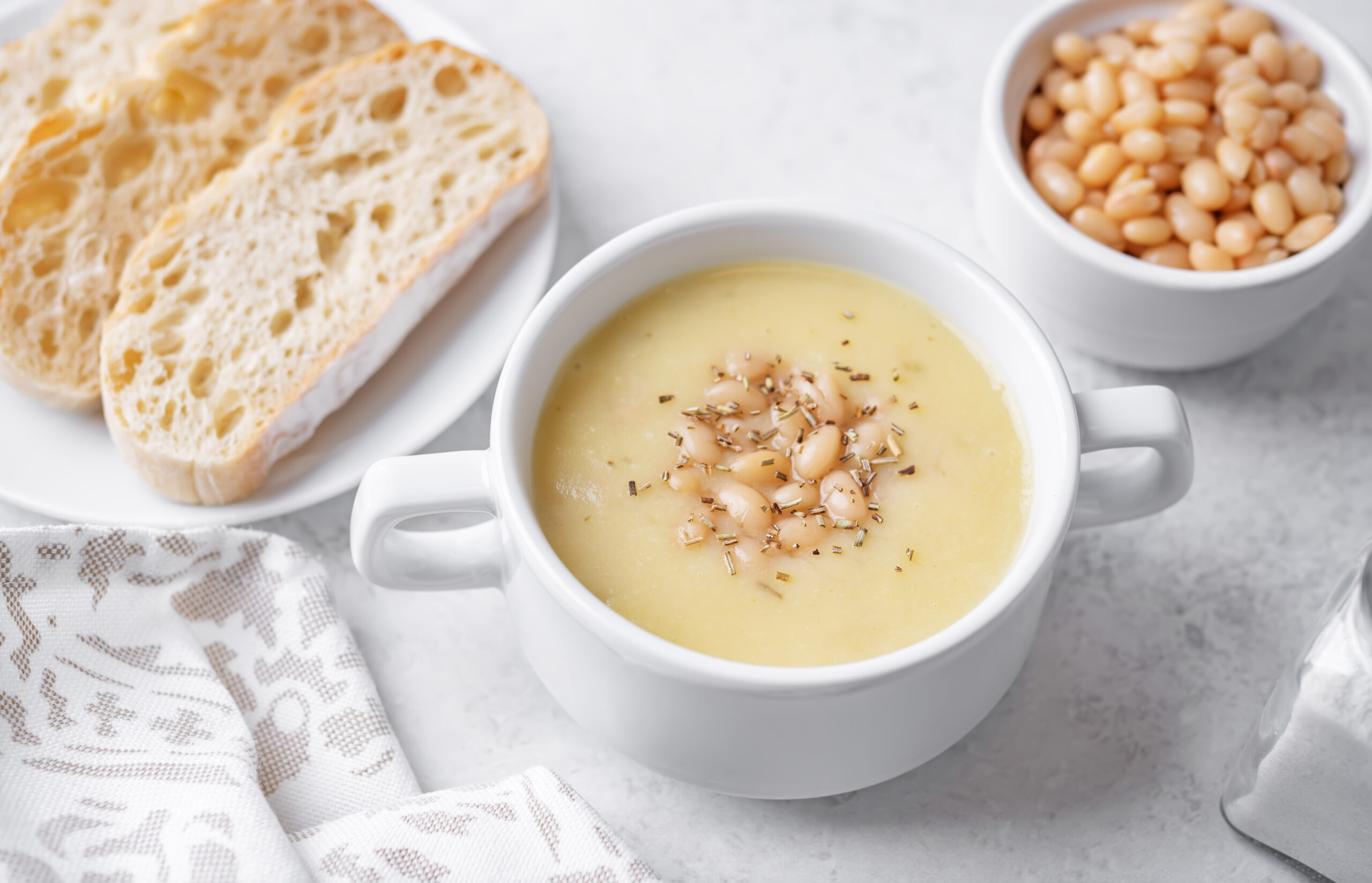
The core technique driving this white bean soup relies on a simple yet effective physical transformation: starch emulsification. Cannellini beans, the preferred variety for this dish, contain high levels of complex carbohydrates and natural starches. When a portion of the simmered beans and vegetable broth is extracted and processed in a blender until smooth, these released starches act as a natural thickening agent.
When the resulting puree is reintroduced to the cooking vessel, it suspends evenly throughout the liquid, transforming a standard vegetable broth into a rich, opaque base. This culinary methodology allows home cooks to drastically reduce or entirely eliminate heavy dairy products while retaining a luxurious texture. Furthermore, leaving a portion of the beans and diced vegetables whole preserves structural integrity and provides contrasting textural variety, ensuring the soup remains hearty and satisfying.
Nutritional Profile and Dietary Adaptability
In an era where consumers actively seek out functional foods that support cardiovascular health, immune function, and sustained energy, white beans (Phaseolus vulgaris) stand out as a nutritional powerhouse. Legumes are widely recognized by dietitians and public health organizations for their exceptional profile of dietary fiber, complex carbohydrates, and plant-based protein.
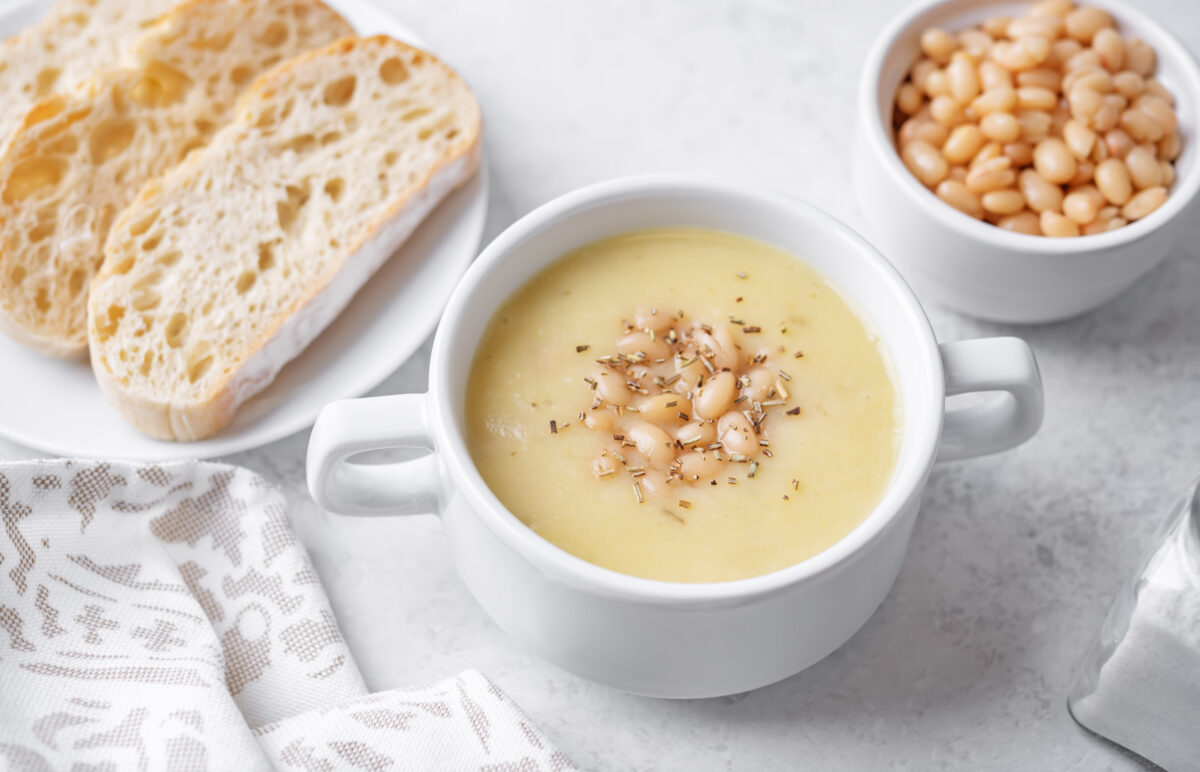
A single serving of white bean soup delivers a substantial amount of daily iron, potassium, and folate, alongside slow-digesting carbohydrates that prevent rapid blood sugar spikes. This makes the dish an ideal option for families managing diverse dietary requirements, including vegetarian, gluten-free, and flexitarian diets.
To accommodate modern dietary preferences, the recipe is engineered for seamless customization. While a finishing splash of half-and-half and freshly grated Parmesan cheese can be incorporated for traditional richness, the dish easily transitions to a fully plant-based or dairy-free format. Substituting traditional dairy with unsweetened plant milks—such as oat or cashew milk—or omitting dairy altogether does not compromise the soup’s integrity, as the blended bean base inherently provides sufficient body. Additionally, savory vegan boosters like nutritional yeast can replace the umami profile typically provided by cheese.
Preparation Protocol and Best Practices
Developing a balanced flavor profile in a one-pot meal requires careful attention to culinary timing and ingredient handling. Professional kitchen standards suggest a precise chronology to maximize flavor extraction:

- Aromatics Foundation: The cooking process initiates with a classic mirepoix—diced onions, carrots, and celery—sautéed in extra-virgin olive oil over moderate heat. This foundational step caramelizes natural sugars and builds a deep savory base.
- Allium Management: Garlic, a frequent source of bitterness if subjected to high heat for extended periods, is introduced toward the end of the vegetable-sautéing phase, cooked only until aromatic.
- Legume Preparation: Canned cannellini beans are thoroughly rinsed and drained prior to entry. This step reduces excess sodium levels common in canned preservation liquids and removes starchy canning residues that can cloud the broth.
- Simmering and Seasoning: Vegetable or chicken broth, fresh herbs such as rosemary and thyme, and the prepared beans are brought to a gentle simmer, allowing flavors to meld over a 30-minute window.
- Finishing Adjustments: Prior to serving, a touch of fresh lemon juice is incorporated. Food science principles dictate that acid brightens heavy or earthy flavor profiles, cutting through the starch of the beans and elevating the overall brightness of the dish.
Versatility, Scalability, and Meal-Prep Utility
With grocery budgets tightening and consumer interest in efficient home cooking at an all-time high, recipes optimized for meal-prep and scalability have gained significant traction. This white bean soup requires approximately 15 minutes of active preparation time and 30 minutes of unattended simmering, fitting comfortably within standard weeknight schedules.
Moreover, the soup exhibits exceptional keeping qualities. Culinary data indicates that legume-based soups often improve in flavor after 24 hours in refrigeration, as starches and aromatic compounds fully integrate. Stored in an airtight container at or below 40°F (4°C), the dish maintains optimal quality for up to four days.
For longer-term storage, the soup adapts well to freezing, provided cooks follow specific preservation guidelines. Food safety and quality experts recommend freezing the soup base prior to the addition of dairy products. Dairy fats can occasionally separate or curdle during the freezing and thawing cycle. By freezing the blended vegetable and bean mixture separately, cooks can simply thaw, reheat, and stir in fresh dairy or finishing elements just before consumption.
Broader Economic and Gastronomic Implications
The widespread appeal of recipes like creamy white bean soup reflects a broader cultural pivot toward sustainable, budget-conscious eating. Canned and dried legumes remain among the most cost-effective protein sources available in modern supermarkets, insulating households from volatile meat and dairy pricing.
As public health campaigns continue to advocate for increased plant-based consumption to combat lifestyle-related chronic illnesses, approachable culinary bridges—such as using traditional comfort-food formats to introduce nutrient-dense ingredients—play a critical role in dietary shifts. By demonstrating that healthy eating requires neither expensive specialty ingredients nor complex culinary techniques, dishes like this white bean soup empower home cooks to make nourishing, sustainable choices that support both individual well-being and domestic economy.