The Ultimate Guide to Making Healthy and Delicious Pumpkin Chia Seed Pudding for Busy Mornings

The culinary landscape of healthy, make-ahead breakfasts has expanded significantly in recent years, driven by consumer demand for nutrient-dense options that require minimal morning preparation. Among the frontrunners in this category is chia seed pudding, a versatile dish celebrated for its high fiber and omega-3 fatty acid content. Building upon the popularity of existing flavor profiles such as coconut and chocolate, culinary developers have introduced a seasonal iteration: Pumpkin Chia Seed Pudding. This formulation merges the distinct flavor profile of traditional pumpkin pie with the functional health benefits of yogurt and chia seeds, offering a strategic solution for hectic weekday schedules.
Background Context and Nutritional Evolution
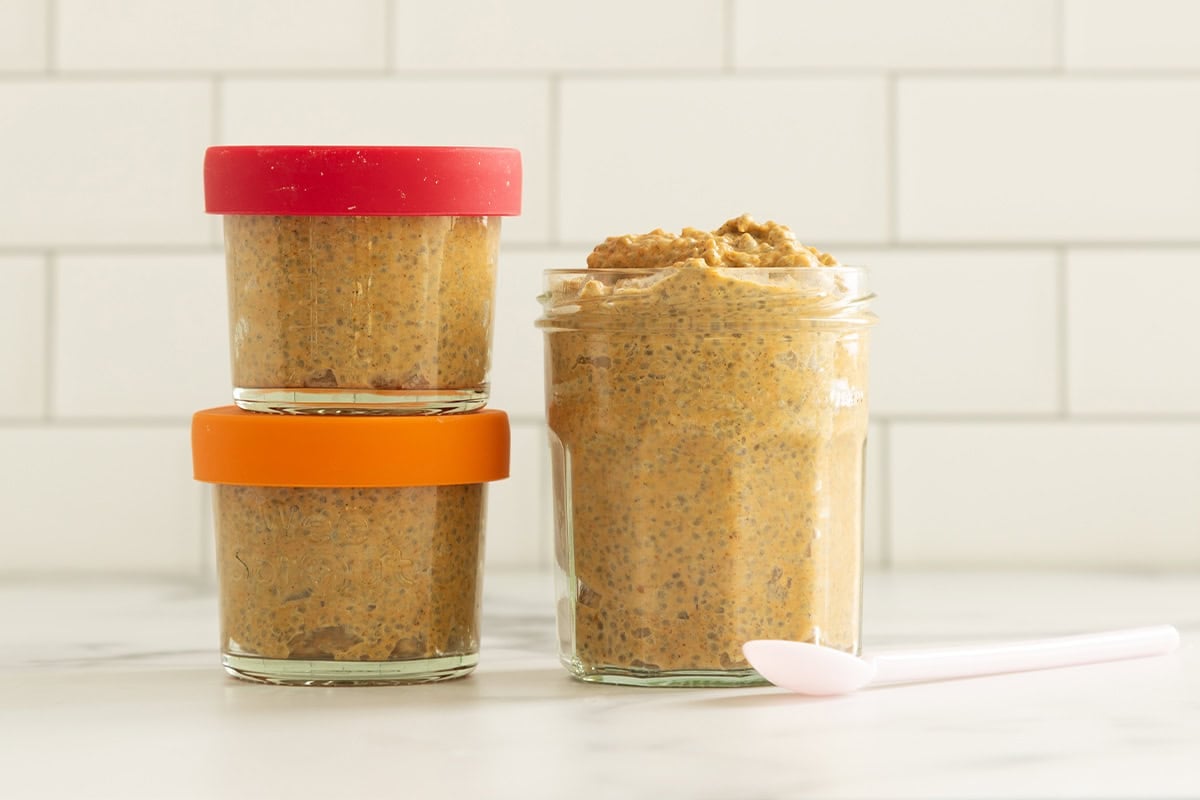
The integration of chia seeds into mainstream Western diets began in earnest during the late 2000s, transitioning from a niche health food store item to a staple of modern meal prepping. Derived from the Salvia hispanica plant, chia seeds are recognized by nutritional scientists for their ability to absorb up to twelve times their weight in liquid, creating a gelatinous matrix ideal for pudding bases without the addition of traditional starches or gelatin.
Concurrently, pumpkin puree has evolved from a seasonal baking ingredient associated strictly with autumn holidays into a year-round nutritional asset. Canned pumpkin is exceptionally rich in beta-carotene, an antioxidant that the human body converts into vitamin A, and provides a dense source of dietary fiber and potassium with a remarkably low calorie count.
By combining these two primary ingredients with yogurt—which introduces a creamy texture alongside essential protein and calcium—food innovators have engineered a breakfast dish that addresses multiple dietary requirements simultaneously. Standard nutritional analysis for a single serving of this pumpkin variant indicates approximately 160 calories, 7 grams of total fat (dominated by heart-healthy polyunsaturated fats), 21 grams of carbohydrates, 5 grams of protein, and an impressive 7 grams of dietary fiber. This macronutrient distribution supports sustained energy release, making it particularly appealing for working professionals and families seeking to avoid the blood sugar spikes associated with refined breakfast cereals and pastries.
Step-by-Step Preparation Chronology
The methodology behind Pumpkin Chia Seed Pudding prioritizes efficiency and ease of execution, aligning with the operational needs of modern home kitchens. The preparation process can be categorized into a systematic three-step timeline designed for batch cooking.
Phase One: Ingredient Aggregation and Emulsification
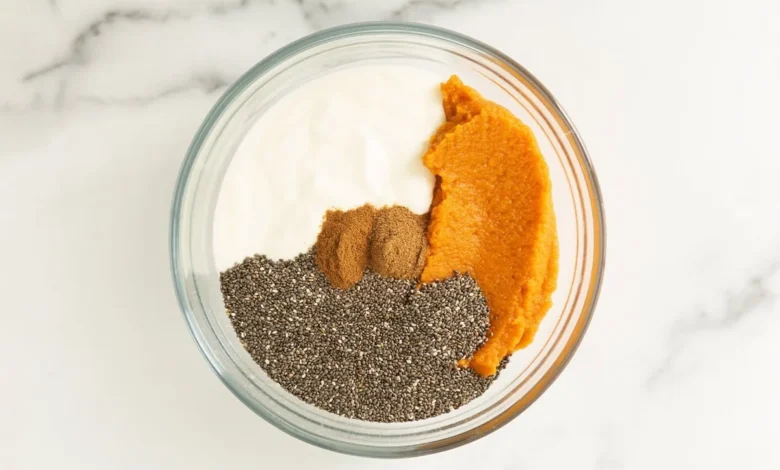
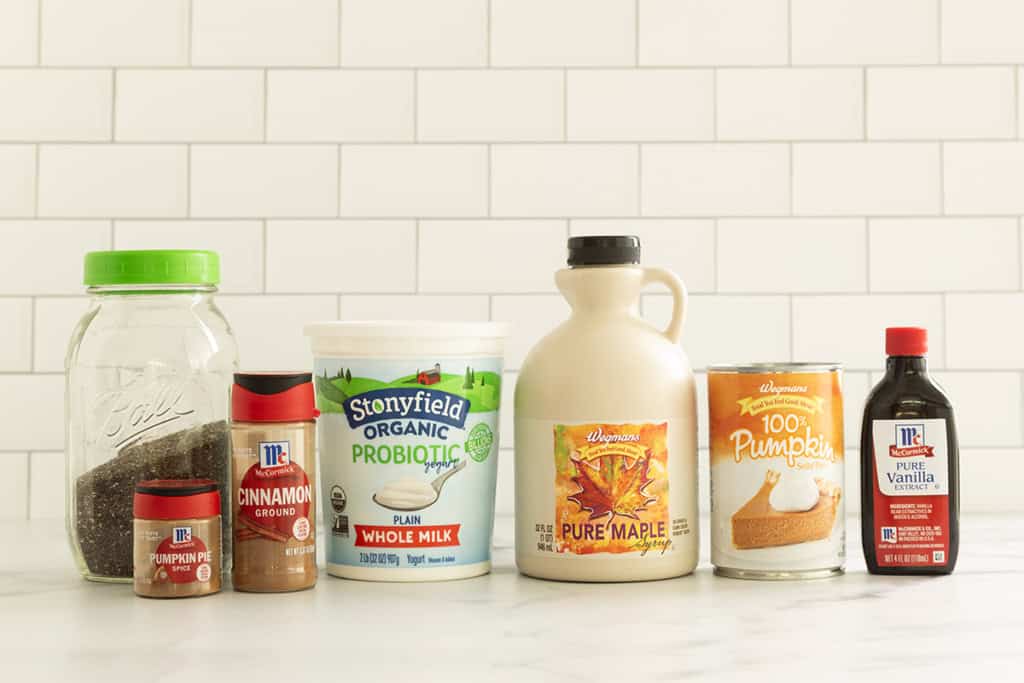
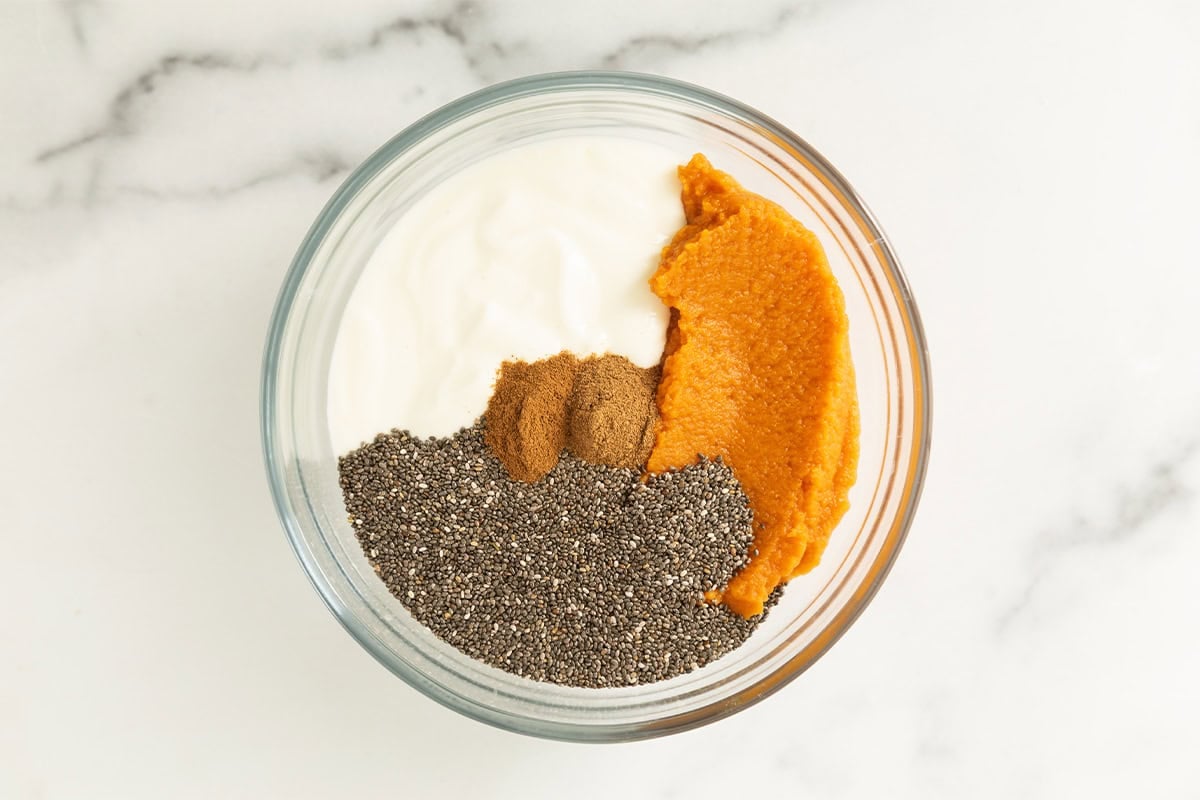
The process begins in a medium mixing bowl where the core components are combined. The formulation typically requires a base of canned pumpkin puree, plain or Greek yogurt for protein, liquid such as milk or a plant-based alternative, chia seeds, warm spices (including cinnamon, nutmeg, and ginger), and a preferred natural sweetener such as maple syrup or date paste. Unlike traditional puddings that require stovetop heating and temperature monitoring, this recipe relies entirely on cold mixing.
Phase Two: Homogenization
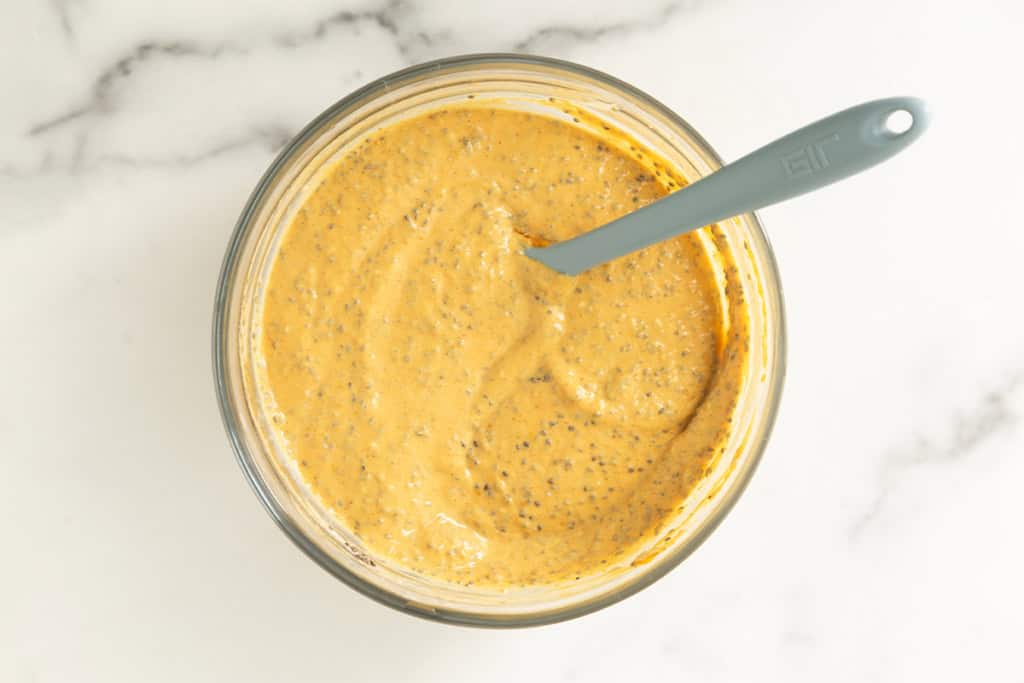
Once all components—excluding final toppings—are added to the vessel, they must be thoroughly whisked or stirred. This step is critical to prevent the chia seeds from clumping together upon contact with the liquid. Proper homogenization ensures that every seed is evenly suspended in the mixture, allowing for uniform hydration and texture development.
Phase Three: Refrigeration and Setting
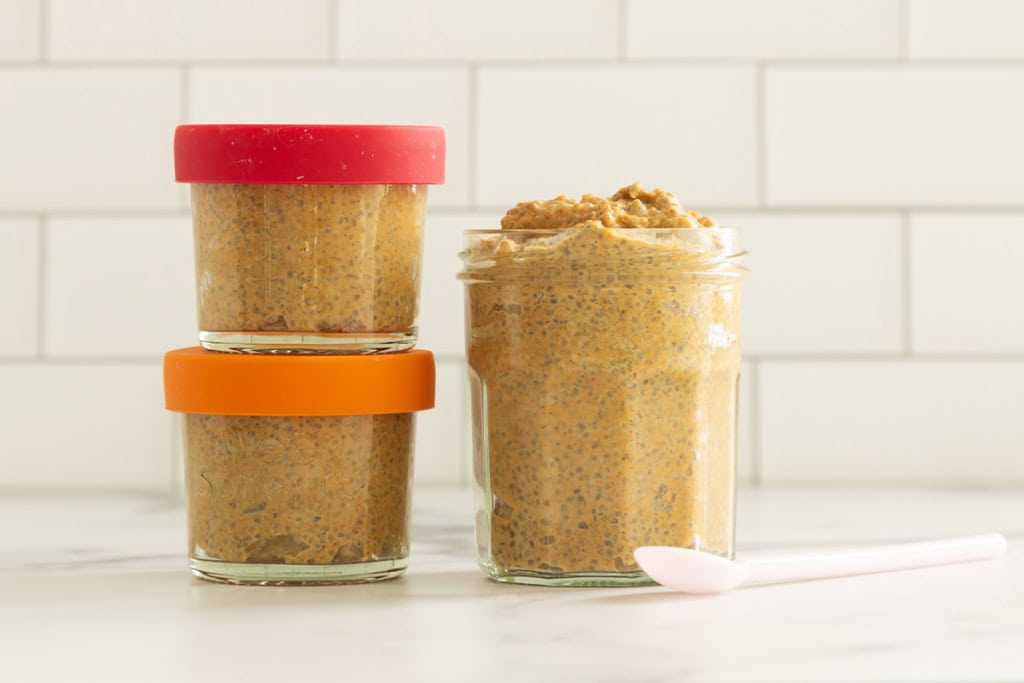
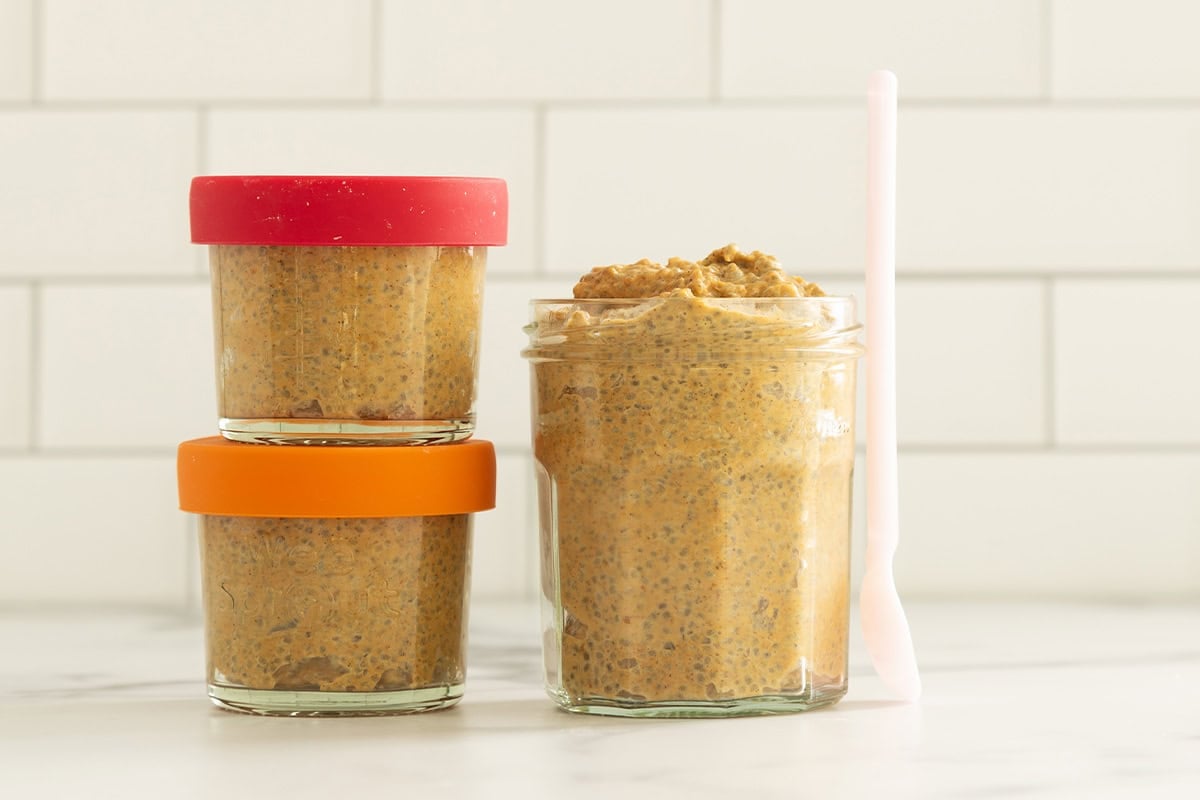
The final operational phase involves transferring the blended mixture into airtight containers, such as glass mason jars or meal-prep bowls, and placing them in refrigeration. Food safety and culinary standards dictate a minimum chilling time of two hours to allow the hydrophilic properties of the chia seeds to take full effect, swelling the liquid and establishing the characteristic pudding consistency. However, culinary experts recommend preparing the mixture twelve to twenty-night hours in advance to achieve optimal texture. Once set, the pudding can be maintained safely in refrigerated storage for three to five days, providing a ready-to-eat option across multiple consecutive mornings.
Dietary Adaptability and Serving Variations
The inherent neutrality of the base chia and yogurt mixture allows for extensive culinary customization, accommodating various dietary restrictions and flavor preferences. For individuals requiring dairy-free alternatives, standard yogurt can be seamlessly substituted with plant-based options derived from coconut, almond, or oat milk, without compromising the structural integrity of the set pudding.
Similarly, the recipe addresses common concerns regarding added sugars. While maple syrup is a standard inclusion for palatability—particularly when introducing the dish to children or toddlers—nutritionists note that the sweetener can be entirely omitted. Alternative natural sweetening agents, such as homemade date paste or pureed applesauce, can be integrated to maintain sweetness while incorporating additional whole-food nutrients.
To elevate the sensory experience and nutritional density of the dish upon serving, culinary presentations frequently incorporate specific toppings. Recommended pairings include fresh blueberries for added antioxidants, quick-cinnamon stewed apples for texture and warmth, a dollop of whipped cream for a dessert-like profile, or an extra dusting of pumpkin pie spice.
Broader Market Implications and Consumer Trends
The introduction of functional, make-ahead breakfast items reflects broader shifts in consumer behavior toward preventive health and convenience. As hybrid work models and fast-paced lifestyles persist, the market for pre-portioned, nutrient-dense breakfast solutions continues to expand. Foods that utilize pantry staples—such as canned pumpkin—also align with sustainability trends focused on reducing food waste by repurposing opened ingredients.
Dietitians and pediatric nutrition specialists frequently endorse chia seed puddings for their dual appeal to adults and children. The smooth, custard-like texture combined with familiar seasonal spices bridges the gap between health-conscious eating and appealing flavor profiles, assisting parents in introducing nutrient-dense seeds and vegetables to young eaters without resistance.
As food scientists and recipe developers continue to refine make-ahead paradigms, formulations like Pumpkin Chia Seed Pudding demonstrate how traditional comfort food flavors can be successfully re-engineered to meet contemporary nutritional standards without sacrificing culinary enjoyment or demanding excessive morning labor.