The Ultimate Kid-Friendly Strawberry Smoothie Recipe For Nutritious and Easy Breakfasts

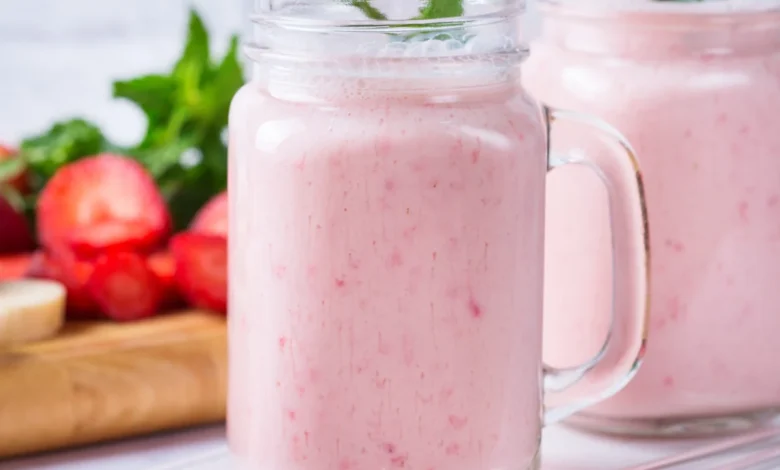
In the ongoing challenge of balancing childhood nutrition with the realities of hectic morning schedules, pediatric dietitians and culinary experts continue to advocate for simple, nutrient-dense meal solutions. Smoothies have long stood out as one of the most effective culinary vehicles for increasing daily fruit consumption among children. Among the vast array of blended recipes, the classic strawberry smoothie remains a preeminent favorite, prized for its naturally sweet profile, vibrant aesthetic, and high degree of nutritional customizability. Recent culinary developments and nutritional guidelines emphasize that incorporating whole fruits, protein sources, and hidden vegetables into these beverages can significantly support children’s daily dietary intake without sacrificing flavor or appeal.
Background Context and Nutritional Significance
Childhood nutrition remains a central focus for public health organizations and parents alike, with health authorities consistently recommending that children consume a diverse array of fruits and vegetables daily. However, meeting these recommendations can often prove difficult due to selective eating habits or time constraints during morning routines. Smoothies emerged as a popular culinary trend in the late 20th century, transitioning from specialty health-food store items into mainstream household staples.
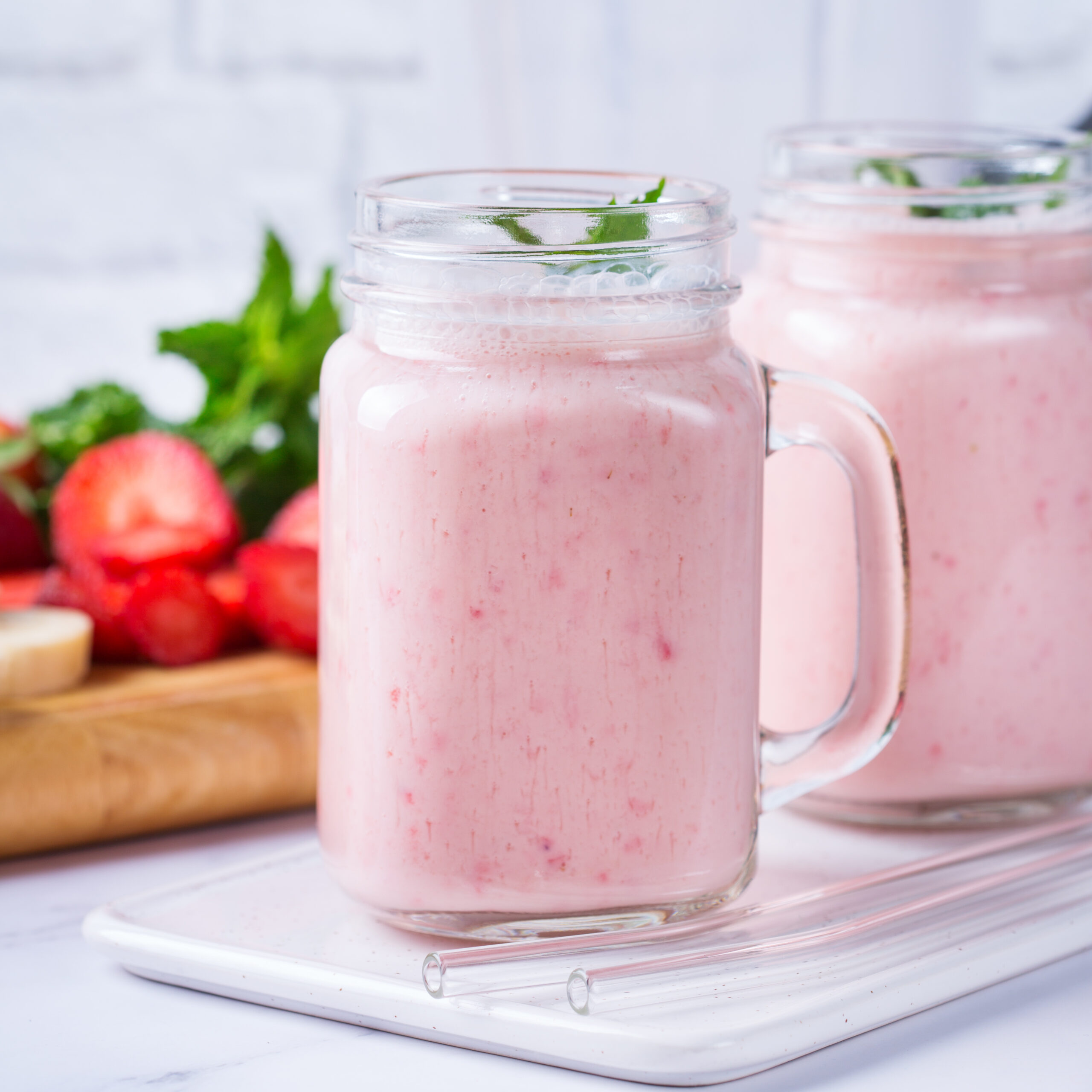
The appeal of a strawberry-based blend lies in its sensory attributes. Strawberries provide a natural source of vitamin C, manganese, and dietary fiber, while bananas contribute essential potassium, carbohydrates for sustained energy, and a dense, creamy texture that mimics traditional milkshakes. When combined with yogurt—which introduces probiotics, calcium, and protein—the beverage transforms from a simple fruit drink into a balanced meal component suitable for breakfast or an afternoon snack. Nutritionists note that the inherent sweetness of ripe bananas and strawberries eliminates the need for refined added sugars, making it an optimal choice for health-conscious families navigating childhood nutrition.
Chronology of the Recipe’s Development and Standardization
The formulation of the ideal family-friendly strawberry smoothie has evolved through decades of home kitchen testing and professional culinary refinement.
Phase One: The Basic Formulation (Early Adaptations)
Initial home-blended fruit drinks in the mid-to-late 1900s primarily relied on fresh fruit, ice, and milk or juice. While refreshing, these early iterations often suffered from rapid separation, icy textures, and a lack of sustained satiety due to the absence of sufficient protein and healthy fats.
Phase Two: The Integration of Dairy and Frozen Produce (2000s–2010s)
Culinary experts and food bloggers revolutionized the texture and consistency of home smoothies by introducing frozen fruit as a primary ingredient. Replacing ice with frozen strawberries eliminated dilution, resulting in a thicker, frostier consistency. Concurrently, the inclusion of yogurt and specialized milks standardized the method for achieving a creamy emulsion that appealed directly to younger palates.
Phase Three: Modern Customization and Functional Nutrition (Present Day)
Contemporary recipes emphasize functional versatility. Today’s standard preparation allows for seamless dietary adaptations, accommodating various nutritional goals such as increased protein intake, allergen-free requirements, or the inclusion of nutrient-dense greens without altering the core flavor profile that children prefer.
Step-by-Step Preparation and Professional Culinary Tips
Achieving an optimal texture and flavor balance requires adherence to specific culinary techniques. Professional chefs and home economists recommend several key practices when preparing a strawberry smoothie for children:
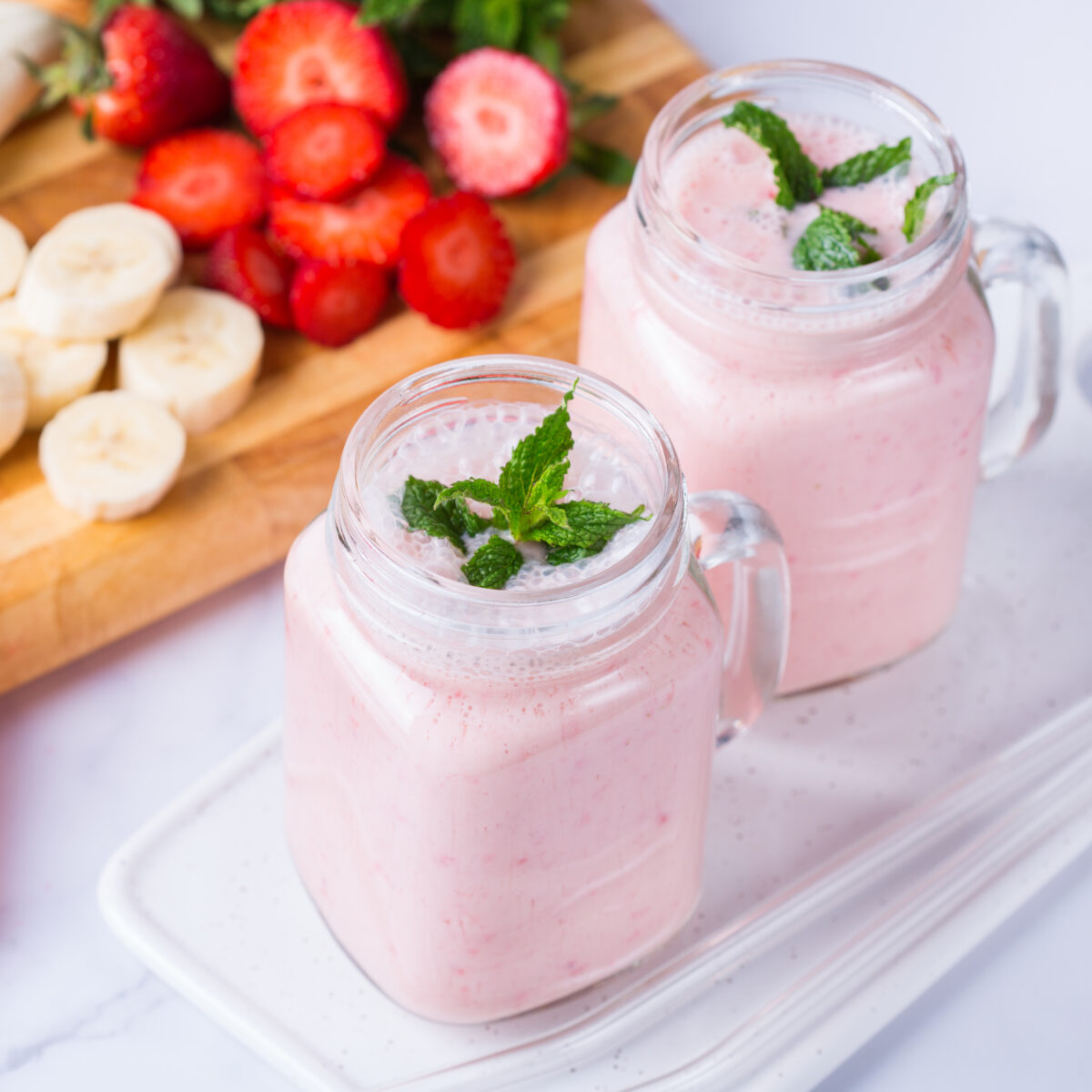
- Utilization of Frozen Produce: Using frozen strawberries rather than fresh fruit combined with ice ensures a thick, velvety consistency while allowing families to enjoy the beverage year-round, independent of strawberry seasonality.
- Natural Sweetening Agents: Overreliance on artificial sweeteners is circumvented by incorporating a ripe banana. The natural starches and sugars in a ripe banana provide the necessary sweetness while imparting a smooth, emulsified mouthfeel.
- Dairy and Protein Selection: The choice of base liquid and yogurt dictates the final nutritional profile. Vanilla yogurt offers a sweeter flavor profile that appeals to children, whereas plain Greek yogurt introduces a tart complexity paired with a significantly higher concentration of dairy protein.
- Fluid Management: Culinary professionals advise starting the blending process with a minimal amount of liquid. It is consistently easier to thin out a thick smoothie by adding liquid gradually than it is to thicken a watery mixture.
- Texture Refinement: For children sensitive to textural inconsistencies—such as the microscopic seeds inherent in strawberries—extending the blending time ensures a completely homogeneous mixture.
Dietary Variations and Functional Adaptations
To accommodate diverse dietary needs and maximize nutritional density, the standard strawberry smoothie serves as a versatile template for various modifications:
- Protein Enhancement: Adding a measured quantity of vanilla protein powder or increasing the proportion of Greek yogurt elevates the protein content, supporting muscle recovery and sustained energy release.
- Fiber and Complex Carbohydrates: Incorporating a quarter-cup of rolled oats introduces soluble fiber, resulting in a denser, more filling breakfast option that stabilizes digestion.
- Hidden Vegetables: The introduction of a small handful of mild greens, such as baby spinach, provides iron and essential vitamins. The deep red and pink pigments of the strawberries and banana effectively mask the green color and earthy flavor, making it virtually undetectable to children.
- Plant-Based and Allergen-Free Alternatives: For children with lactose intolerance or dairy allergies, traditional yogurt and cow’s milk can be seamlessly replaced with plant-based alternatives such as almond milk, oat milk, soy milk, coconut milk, and non-dairy yogurts.
- Frozen Snacks: Repurposing the blended mixture into popsicle molds offers a novel presentation method, transforming a standard beverage into a frozen novelty snack suitable for warmer weather.
Make-Ahead Strategies and Storage Protocols
Modern food safety and meal-prep guidelines emphasize efficiency for busy households. While smoothies are ideally consumed immediately after blending to preserve optimal texture and nutrient bioavailability, practical storage solutions exist for time-constrained caregivers.
Leftover portions can be safely stored in an airtight glass jar or container within a refrigerated environment for a maximum of 24 hours. Due to natural ingredient separation, the mixture requires vigorous shaking or stirring prior to consumption. Alternatively, pre-portioned "smoothie packs" can be assembled in advance by combining measured quantities of frozen strawberries and sliced bananas in sealed freezer bags. When required, the contents of the bag are emptied directly into a blender alongside the chosen yogurt and liquid base, reducing preparation time to under five minutes.
Broader Impact and Nutritional Implications
The popularity of nutrient-dense, fruit-based beverages reflects a broader shift in modern parenting and culinary education toward preventative health and positive dietary habit formation in early childhood. Public health analysts indicate that encouraging children to consume whole-food-based treats helps establish lifelong preferences for nutritious foods over heavily processed, sugar-laden alternatives.
By allowing for hidden nutrient integration—such as spinach, oats, and seeds—recipes like the classic strawberry smoothie bridge the gap between what children naturally desire (sweet, flavorful, visually appealing foods) and what pediatric nutritionists recommend. As families continue to seek convenient, health-promoting meal solutions, the adaptable strawberry smoothie remains an enduring staple of domestic nutrition and culinary convenience.