The Ultimate Chickpea Caprese Salad: A Modern Twist on a Mediterranean Classic

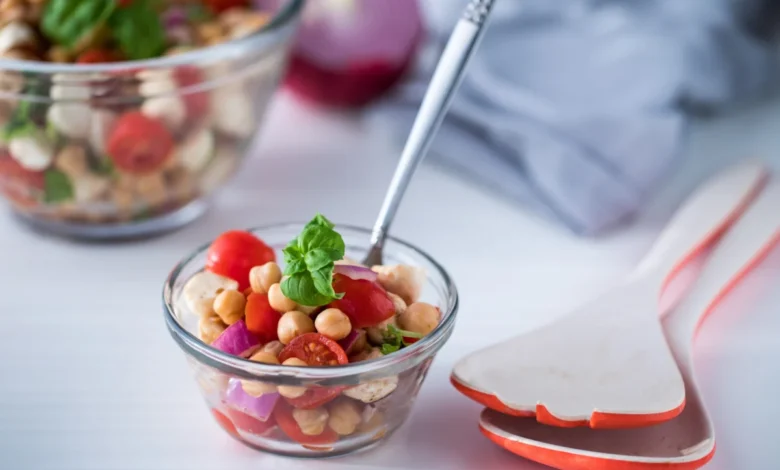
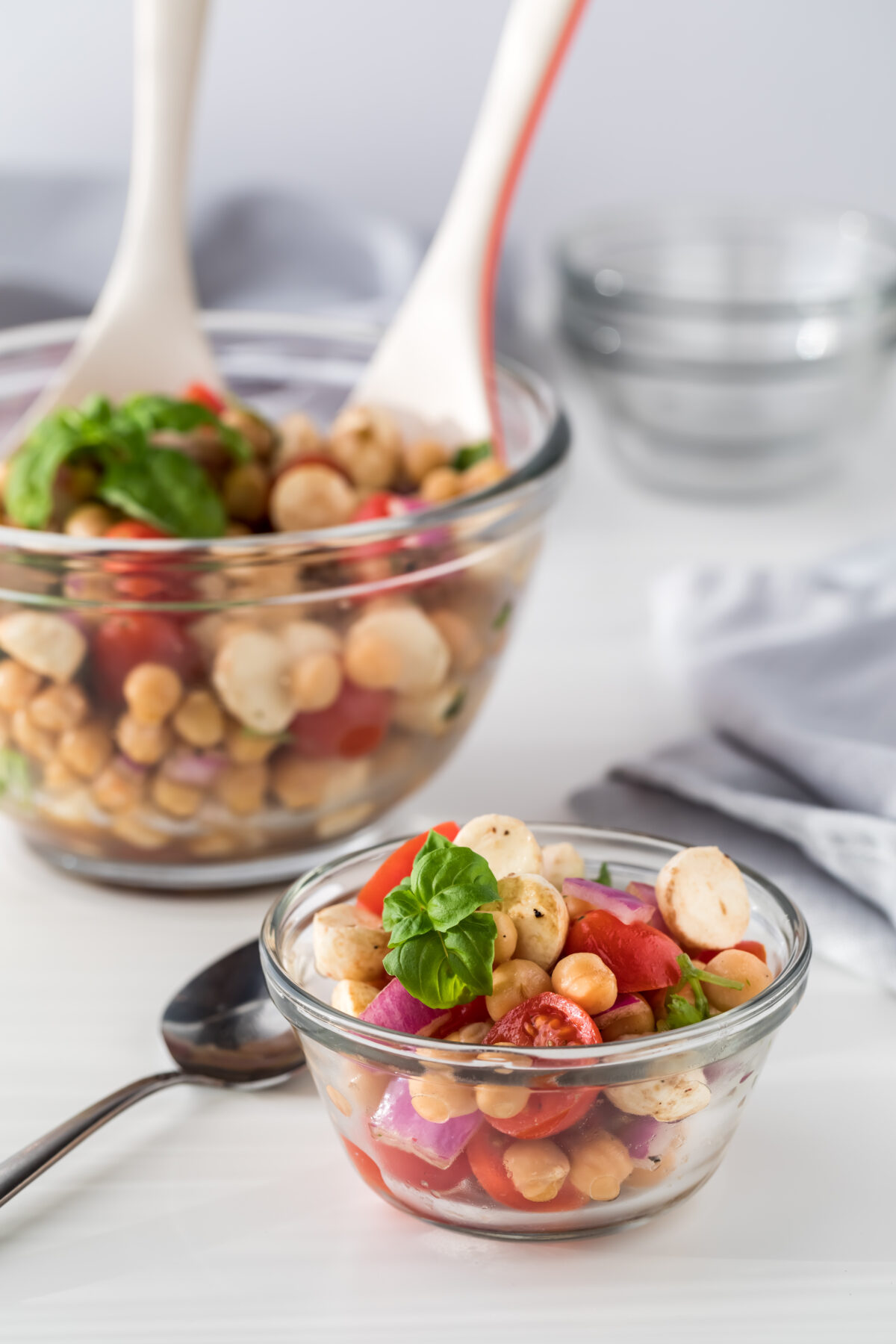
Culinary trends continue to evolve as consumers increasingly prioritize meals that seamlessly blend exceptional flavor profiles with robust nutritional benefits. The latest addition to the mainstream recipe catalog is the Chickpea Caprese Salad, a dish designed to modernize traditional Italian fare. Combining the familiar, comforting elements of a classic Caprese salad with the dense fiber and plant-based protein of chickpeas, this recipe has quickly emerged as a staple for home cooks, caterers, and health-conscious diners alike. Requiring zero cooking time and coming together in roughly ten minutes, the dish addresses the modern demand for efficient, nutrient-dense food preparation without sacrificing culinary quality.
Background Context and Culinary Evolution
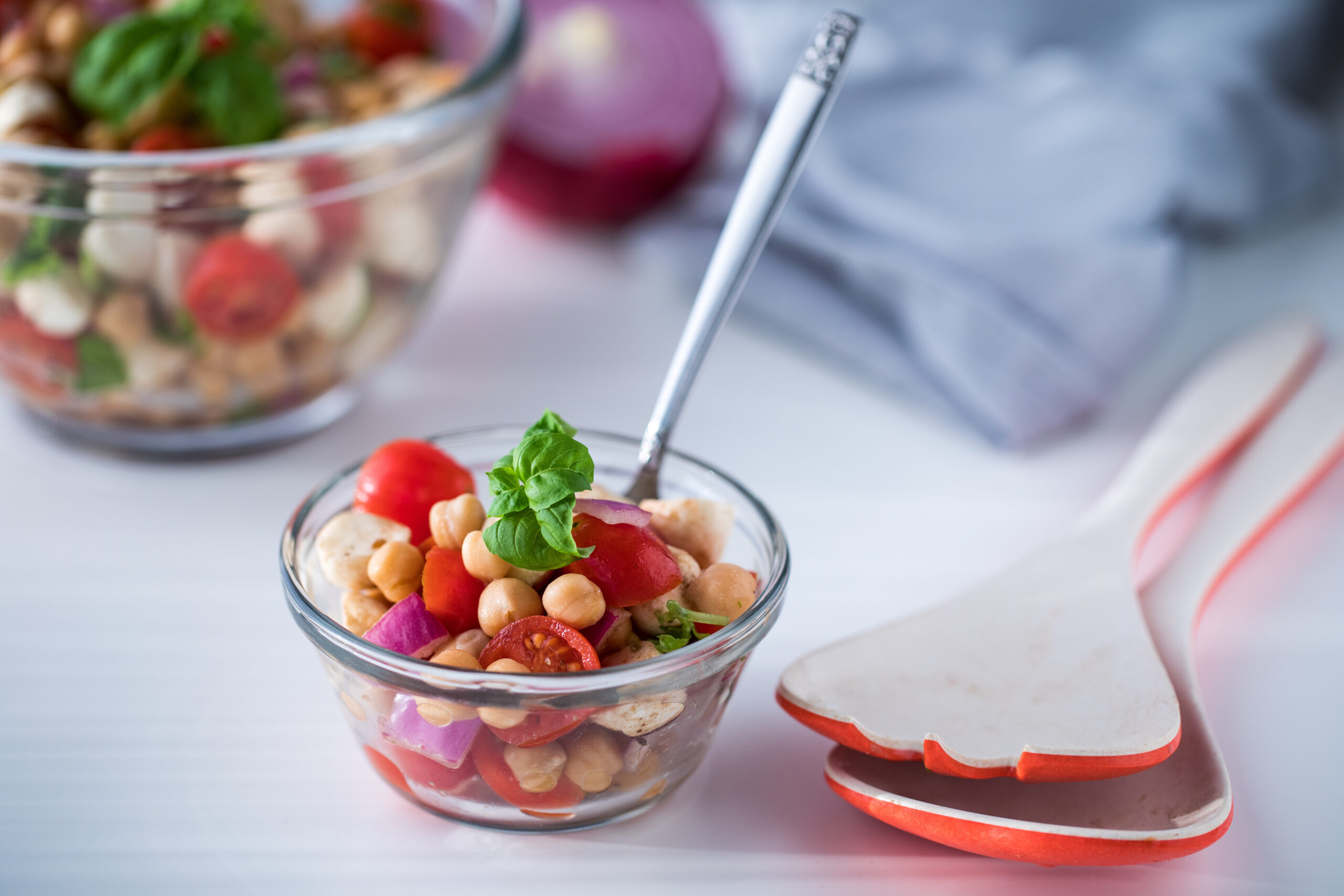
The traditional Caprese salad—originating from the Campania region of Italy—is historically celebrated for its radical simplicity. Composed strictly of sliced fresh mozzarella, tomatoes, and sweet basil, seasoned with salt and extra-virgin olive oil, it stands as a tribute to the agricultural bounty of the Mediterranean. However, as dietary preferences shift toward high-protein, fiber-rich diets that help maintain sustained energy levels throughout the day, traditional light salads often fall short of keeping consumers satiated.
Food scientists and culinary experts note that incorporating legumes like chickpeas (also known as garbanzo beans) into classic vegetable dishes is part of a broader global movement toward plant-forward eating. Chickpeas provide a substantial matrix of complex carbohydrates, dietary fiber, and micronutrients such as iron and folate. By integrating them into the moisture-rich environment of a Caprese salad, creators of this recipe have bridged the gap between a refreshing summer side dish and a genuinely filling, standalone meal.
Nutritional Implications and Dietary Analysis
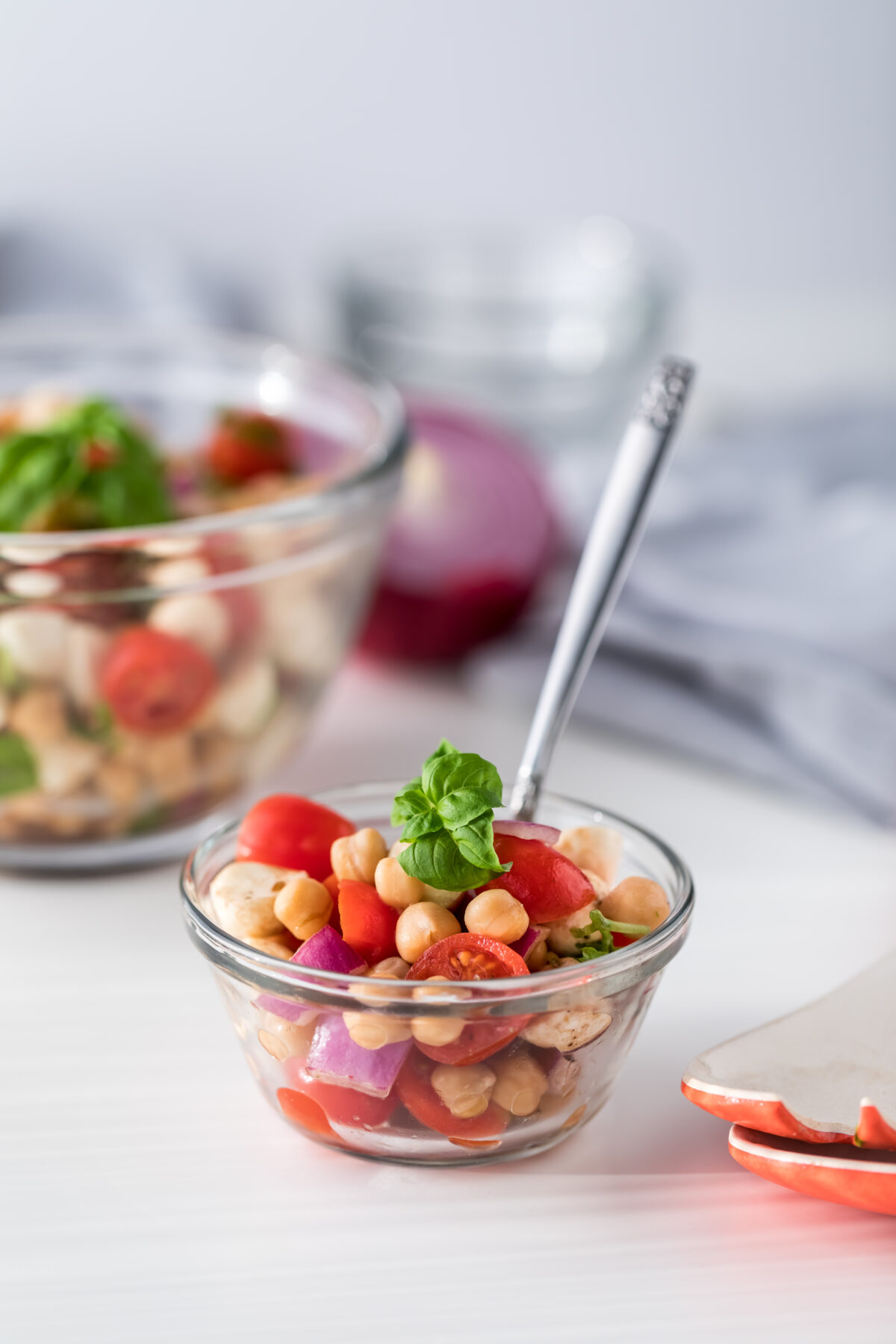
From a nutritional perspective, the Chickpea Caprese Salad offers a balanced macronutrient profile. A standard one-cup serving delivers significant amounts of calcium and protein from the fresh mozzarella, alongside the powerful antioxidant lycopene found in ripe tomatoes. Furthermore, the inclusion of chickpeas drastically increases the dietary fiber content, which aids in digestion and helps regulate blood sugar levels.
Health professionals frequently endorse dishes utilizing extra-virgin olive oil and balsamic vinegar for their cardiovascular benefits. Extra-virgin olive oil is rich in monounsaturated fatty acids, specifically oleic acid, which has been linked to reduced inflammation and improved heart health. When paired with the polyphenols present in balsamic vinegar, the dressing serves as a functional component of the dish rather than a mere flavor enhancer. Because the recipe is naturally vegetarian and easily adaptable for gluten-free diets, it accommodates a wide array of dietary restrictions, making it an increasingly popular option for public gatherings, potlucks, and school lunch programs.
Preparation Methodology and Chef Recommendations
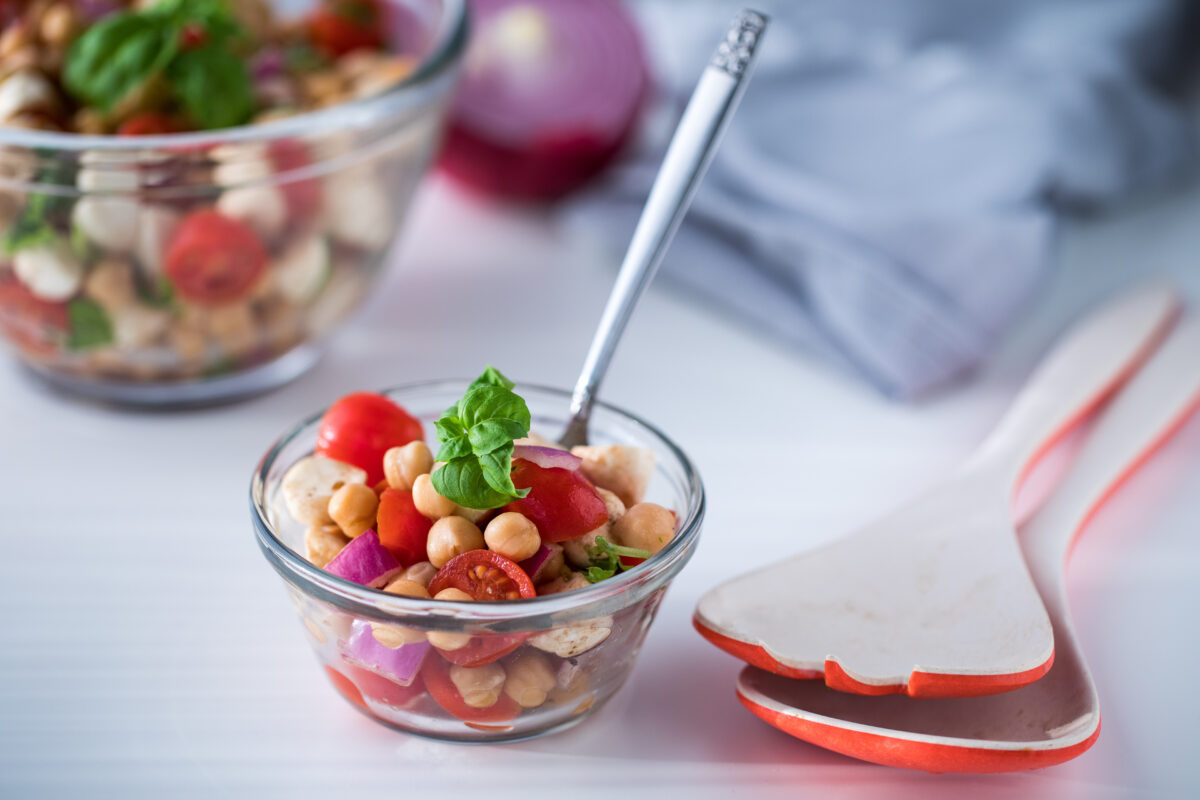
Achieving optimal results with a minimal-ingredient dish relies heavily on the quality of its components. Culinary specialists outline several critical steps to ensure the salad maintains its structural integrity and vibrant flavor:
- Rinsing and Preparation: Canned chickpeas should be thoroughly drained and rinsed under cool water to eliminate excess sodium and the starchy canning liquid, which can overpower the delicate notes of the other ingredients.
- Tomato Selection: Because tomatoes form the bulk of the flavor profile, ripe cherry or grape tomatoes are strongly recommended. Their natural sweetness and firm skins prevent the salad from becoming overly watery while offering a crisp, pleasant bite.
- Cheese Quality: Fresh mozzarella—particularly pearls (ciliegine) or small bite-sized balls—provides the authentic, creamy texture characteristic of a Caprese. Low-moisture or shredded varieties are discouraged due to their rubbery texture and altered melting properties.
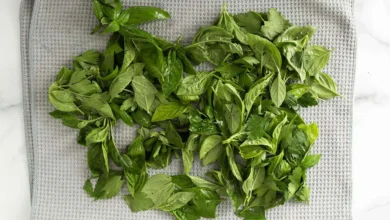
- Herb Timing: Fresh basil is highly delicate. To prevent oxidation and darkening, it should be chiffonaded and folded into the mixture immediately prior to service.
- Oil Selection: A high-grade extra-virgin olive oil is essential, as its flavor profile directly dictates the depth of the simple dressing.
Market Adaptability and Culinary Variations
The inherent flexibility of the Chickpea Caprese Salad has contributed significantly to its widespread adoption. Culinary flexibility allows home cooks to modify the base recipe based on seasonal availability or personal preference. Common variations documented in modern kitchens include the integration of diced avocado for healthy fats, peppery arugula or baby spinach for added greens, and toasted pine nuts or grilled chicken for amplified protein density. Additionally, incorporating grains such as quinoa or cooked short-pasta transforms the light side dish into a substantial grain-based lunch entree.
Storage and Make-Ahead Logistics
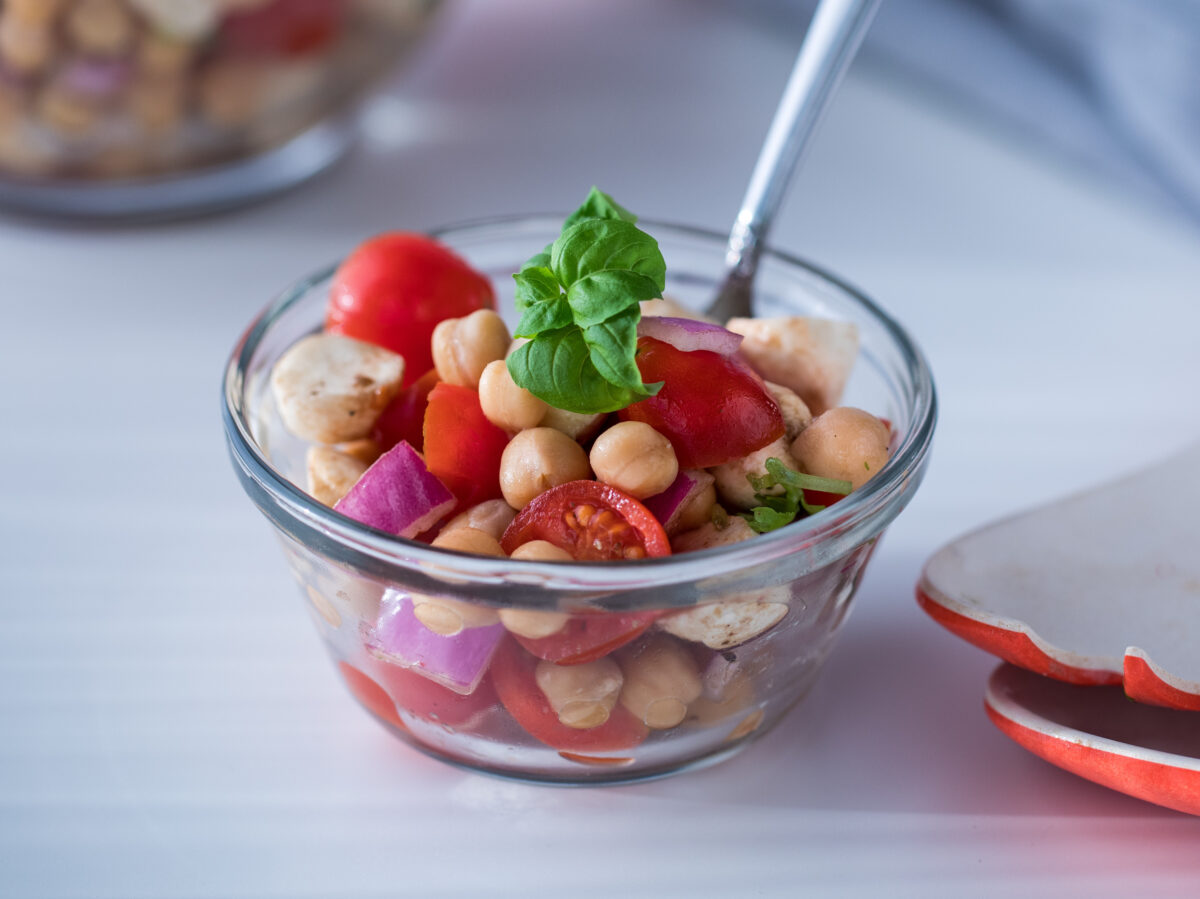
For meal-prep enthusiasts, the salad offers notable convenience, though certain precautions must be observed. The core components—chickpeas, tomatoes, and mozzarella—can be combined and stored in airtight containers within refrigeration for up to 72 hours. However, experts advise keeping the dressing and fresh basil separate until the final moments before consumption. Prolonged exposure to acidic balsamic vinegar and salt causes tomatoes to release their internal juices, which can compromise the firmness of the chickpeas and dilute the dressing.
Broader Socioeconomic and Industry Implications
The rise of recipes like the Chickpea Caprese Salad reflects broader shifts in consumer behavior within the food and beverage industry. As grocery prices fluctuate, consumers increasingly seek out shelf-stable, budget-friendly proteins like canned legumes, pairing them with fresh, high-impact produce to create meals that feel luxurious yet economical. Food media analysts point out that digital recipe platforms and social media channels have accelerated the dissemination of these hybrid dishes, allowing home cooks to innovate traditional recipes with accessible, everyday ingredients.
Ultimately, the Chickpea Caprese Salad stands as a testament to the enduring appeal of Mediterranean cuisine fused with modern nutritional science. By honoring the classic flavor combinations of Italy while addressing contemporary demands for satiety and nutritional density, this uncomplicated dish has secured its place as a modern culinary staple.