The Ultimate Guide to Crafting a Bakery-Quality Homemade Chocolate Cream Pie From Scratch

The culinary world has seen a persistent resurgence in traditional, scratch-made baking as home cooks increasingly seek out comforting, nostalgic desserts that avoid artificial additives and instant mixes. Among the frontrunners of this movement is the classic homemade chocolate cream pie, a dessert deeply rooted in American culinary history that continues to dominate holiday tables, family gatherings, and everyday dessert menus. Culinary historians note that cream pies gained widespread popularity in the United States during the 19th century, evolving from simple custard-filled pastries into elaborate, multi-layered showstoppers featuring buttery crusts, rich starch-thickened fillings, and towering peaks of fresh whipped cream. Today, modern home baking enthusiasts are returning to these foundational techniques, favoring simple, high-quality ingredients over convenience products.
Historical Evolution and Cultural Significance of the Cream Pie
The evolution of the chocolate cream pie reflects broader shifts in domestic cooking and the commercial availability of baking ingredients. In early American households, pie making was a practical method for preserving perishable dairy, eggs, and grains. The introduction of manufactured cocoa powder in the 19th century, pioneered by European chocolatiers and later mass-produced in the United States, revolutionized home baking by making rich chocolate flavors accessible outside of elite confectioneries.
Over the decades, the advent of instant pudding mixes in the mid-20th century temporarily shifted consumer preferences toward speed and convenience. However, contemporary culinary trends indicate a significant swing back toward from-scratch preparation. Consumers and home economists alike emphasize that scratch-made custards provide a superior depth of flavor, allowing the natural characteristics of real cocoa, butter, and whole milk to shine without the artificial aftertastes often associated with packaged alternatives. This return to traditional methods aligns with a broader consumer demand for transparency in food preparation and a desire to master foundational baking techniques.
Anatomy of a Perfect Chocolate Cream Pie
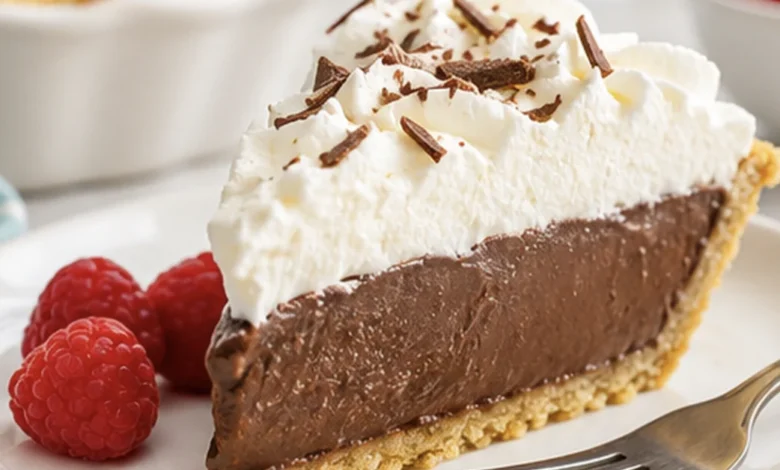
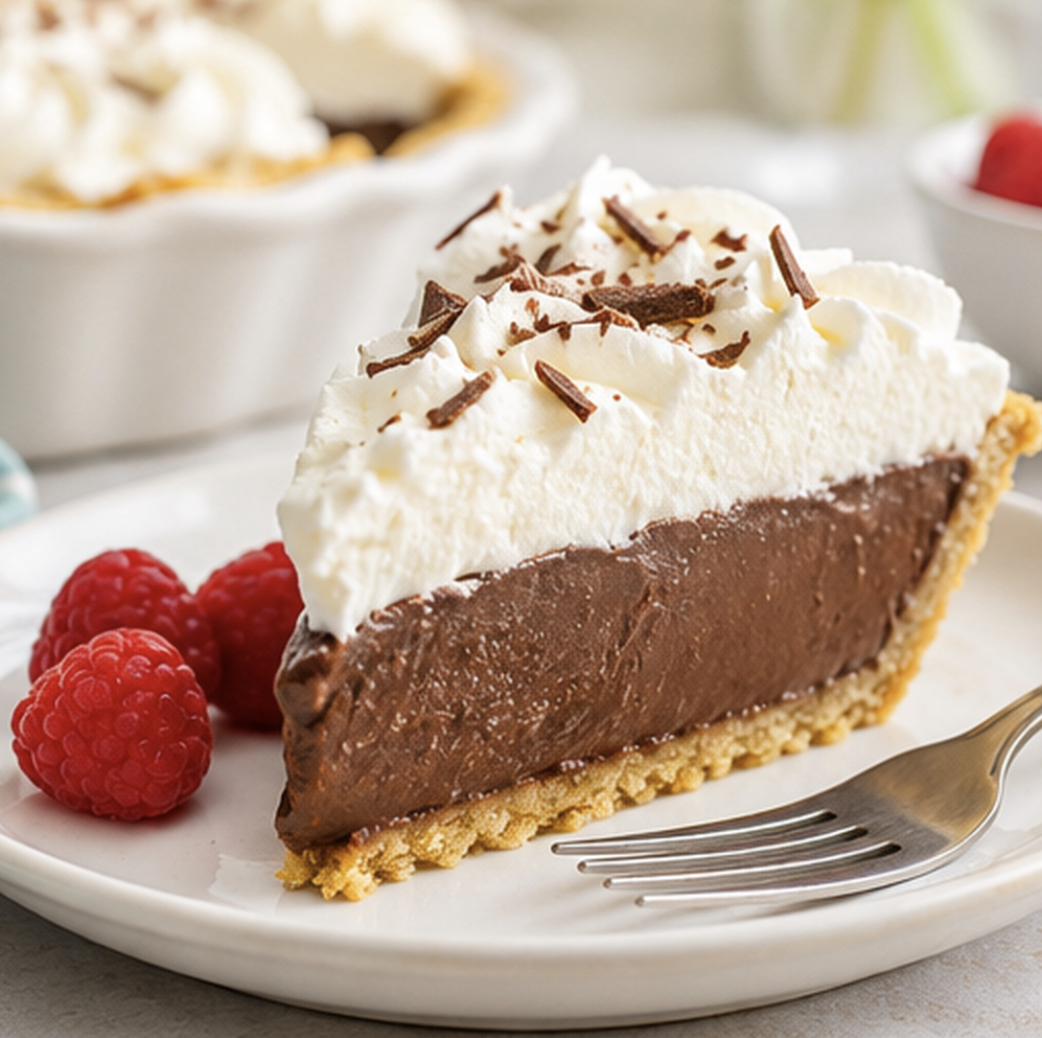
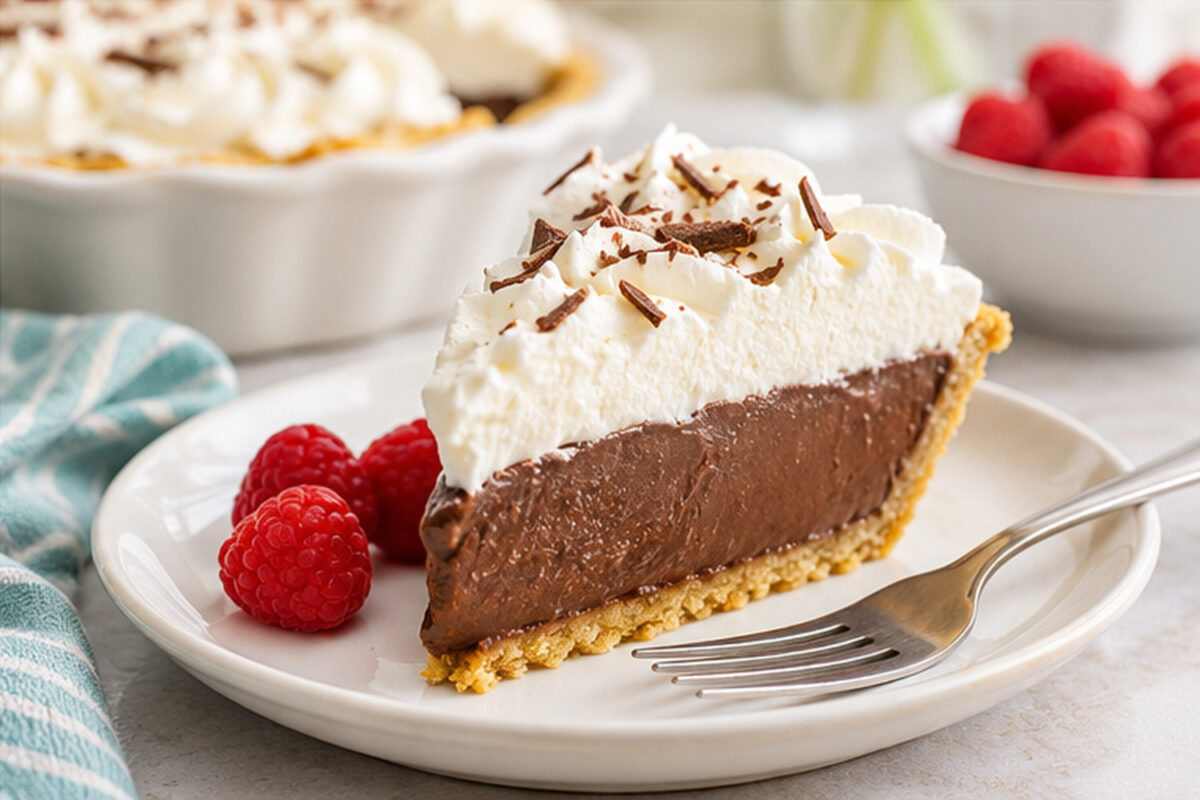
A traditional chocolate cream pie relies on a harmonious balance of textures and flavors, typically divided into three distinct components: the crust, the custard filling, and the topping.
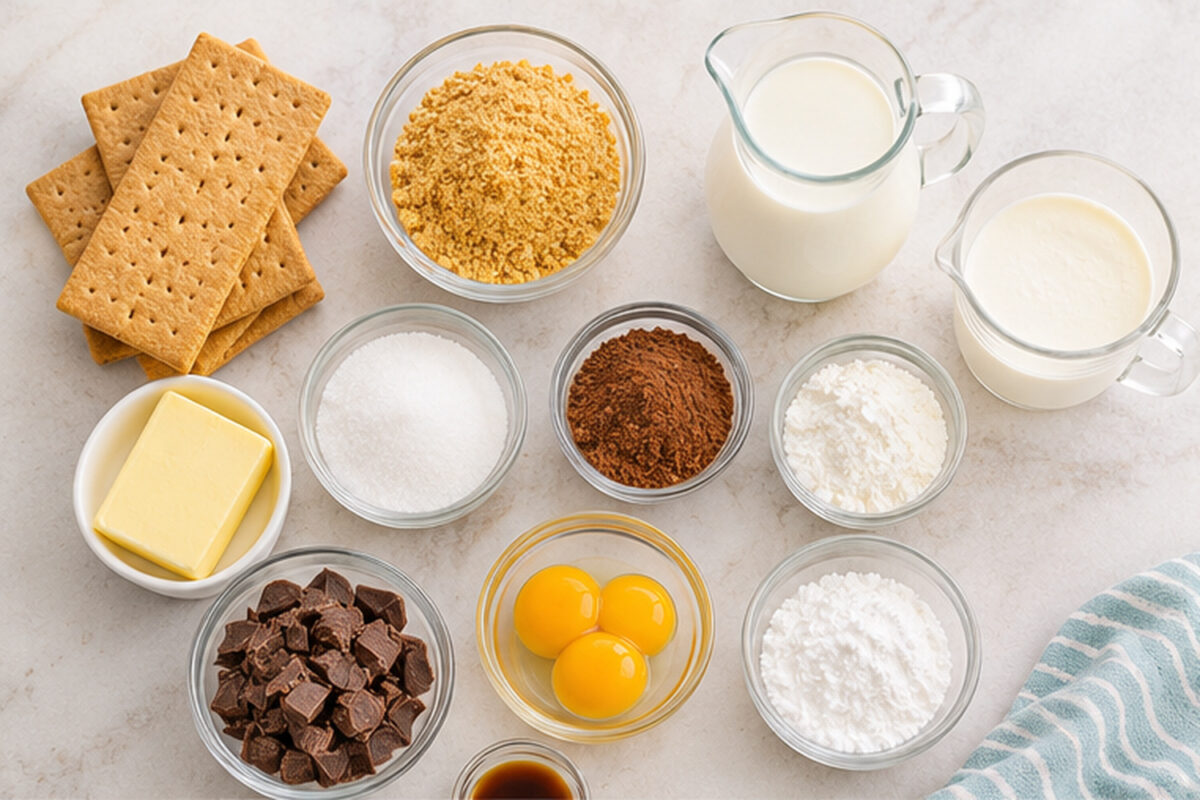
The base of the pie is frequently constructed from crushed graham crackers bound with melted butter and a touch of sugar, though traditional pastry crusts are also common. The graham cracker crust offers a mild sweetness and a contrasting crumbly texture that complements the dense, silky filling.
The core of the dessert is the chocolate cream filling, a cooked custard traditionally built on a base of whole milk, sugar, cocoa powder, cornstarch, and egg yolks. Unlike French silk pies, which achieve their airy texture from whipped butter and raw or pasteurized whole eggs, a standard chocolate cream pie utilizes cornstarch and egg yolks cooked on a stovetop to form a thick, glossy pudding-like custard. The addition of real semi-sweet chocolate and pure vanilla extract at the end of the cooking process elevates the richness of the filling, balancing bitterness and sweetness without overwhelming the palate.
Finally, the pie is crowned with a generous layer of freshly whipped heavy cream, stabilized with a small amount of powdered sugar and vanilla, and often garnished with chocolate shavings, curls, or cocoa powder.
Step-by-Step Methodology and Professional Kitchen Techniques
Achieving a professional-grade result requires adherence to specific culinary protocols, particularly regarding temperature control and timing.
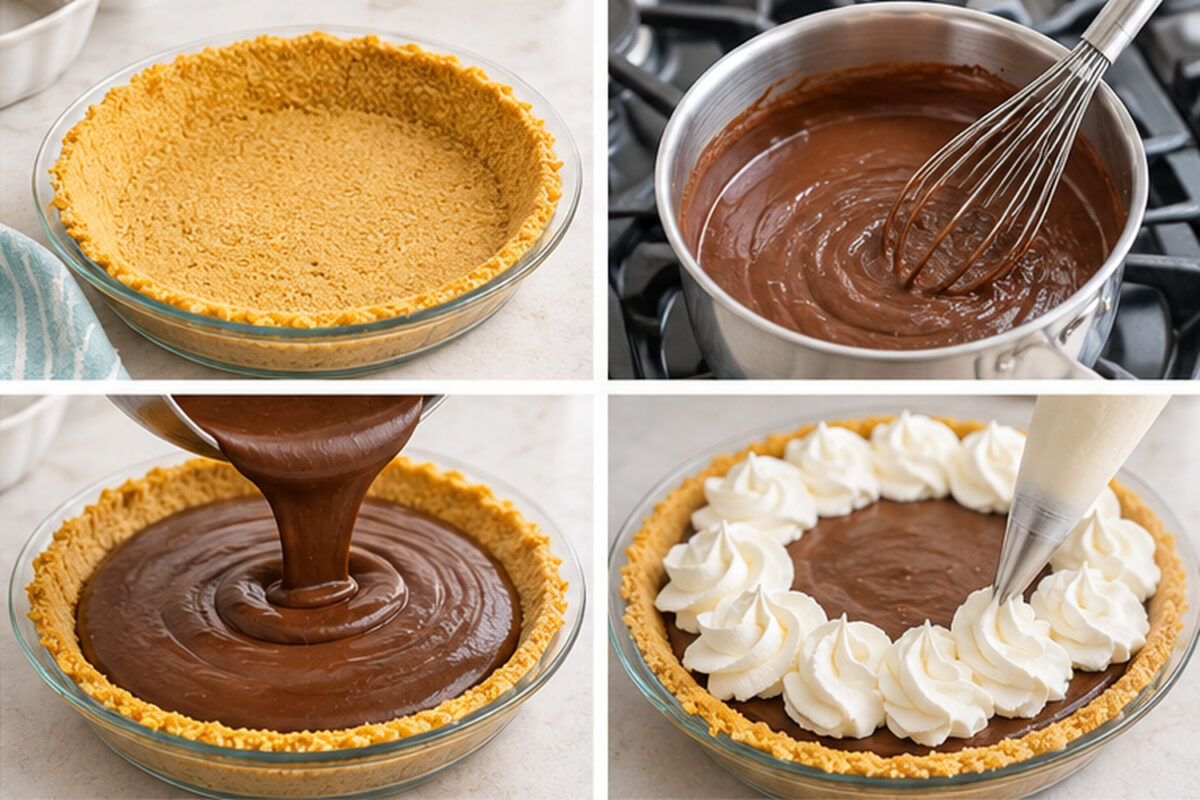
First, the graham cracker crust must be prepared by thoroughly combining the fine crumbs, melted butter, and sugar until the mixture achieves the consistency of wet sand. Pressing the mixture firmly into a nine-inch pie plate using the flat bottom of a measuring cup ensures structural integrity, preventing the crust from crumbling when sliced. Baking the crust briefly at 350 degrees Fahrenheit sets the structure before the liquid filling is introduced.
The preparation of the custard filling demands precise execution. Whisking the dry ingredients—sugar, cocoa powder, cornstarch, and a pinch of salt—with a portion of the milk and egg yolks prevents the formation of lumps. As the mixture is heated over medium heat, constant agitation is critical. Culinary experts emphasize that the starch must reach a gentle boil and cook for an additional one to two minutes to fully hydrate and activate its thickening properties; failing to do so will result in a runny filling that fails to hold its shape upon serving.
Once thickened, the removal of the pan from the heat source precedes the incorporation of chopped semi-sweet chocolate, butter, and vanilla extract. Residual heat melts the chocolate and butter smoothly into the custard, yielding a glossy, homogenous texture.
Chilling, Setting, and Food Safety Protocols
Because chocolate cream pies rely on dairy-based custards and eggs, proper temperature management is critical both for structural integrity and food safety.
Immediately after pouring the warm filling into the cooled crust, a sheet of plastic wrap must be pressed directly onto the surface of the custard. This technique prevents the formation of a dry, rubbery skin caused by evaporation as the pie cools.
The pie requires a minimum of four hours of refrigeration to set completely, though culinary professionals frequently recommend chilling the dessert overnight. This extended rest allows the cornstarch and egg proteins to fully set the gel matrix of the custard, ensuring clean, sharp slices.
To maintain optimal food safety standards and texture, the assembled pie should be kept refrigerated at or below 40 degrees Fahrenheit. Because homemade whipped cream lacks the chemical stabilizers found in commercial aerosol toppings, adding the whipped cream layer shortly before serving is recommended to prevent weeping or structural breakdown.
Economic and Nutritional Analysis of Scratch Baking
Preparing a chocolate cream pie from scratch offers both economic and dietary advantages over commercial or pre-packaged alternatives. Economically, staple baking ingredients such as flour, sugar, milk, and eggs remain cost-effective per serving when compared to specialty bakery purchases.
Nutritionally, preparing desserts at home grants the cook total control over ingredient quality and portion sizes. By utilizing real dairy, natural cocoa, and avoiding hydrogenated oils or high-fructose corn syrup commonly found in processed desserts, home bakers can align their culinary projects with personal dietary preferences. Furthermore, the inclusion of eggs and whole milk provides notable protein and calcium content, distinguishing traditional custards from purely synthetic gelatin- or pudding-based desserts.
Troubleshooting Common Pie-Making Pitfalls
Even experienced bakers occasionally encounter challenges when working with scratch custards. Understanding the underlying chemistry helps mitigate common issues:
- Runny Filling: If the pie fails to set, the primary culprit is insufficient cooking time. The custard must bubble actively on the stovetop to activate the cornstarch. Additionally, cutting the chilling time short will prevent the fats and starches from solidifying properly.
- Lumpy Custard: Lumps usually occur when dry ingredients are added directly to hot liquids without prior whisking or tempering. Whisking the dry ingredients and egg yolks with cold milk before applying heat ensures a smooth emulsion.
- Soggy Crust: Pouring hot filling into a warm or inadequately baked crust can compromise the structural crispness of the graham cracker base. Allowing the crust to cool completely before assembly preserves its texture.
Future Outlook and Culinary Trends
As home cooking continues to blend traditional methodologies with modern digital accessibility, classic recipes like the homemade chocolate cream pie remain enduring favorites. Culinary educators note an ongoing shift toward teaching foundational skills—such as proper custard-making and crust construction—through online platforms and community workshops. This educational renaissance ensures that generations of home cooks will continue to preserve and adapt timeless dessert traditions, maintaining a high standard of quality in domestic kitchens worldwide.