Fourth Trimester Podcast Episode 177: How To Build A Well-Resourced Postpartum Support System


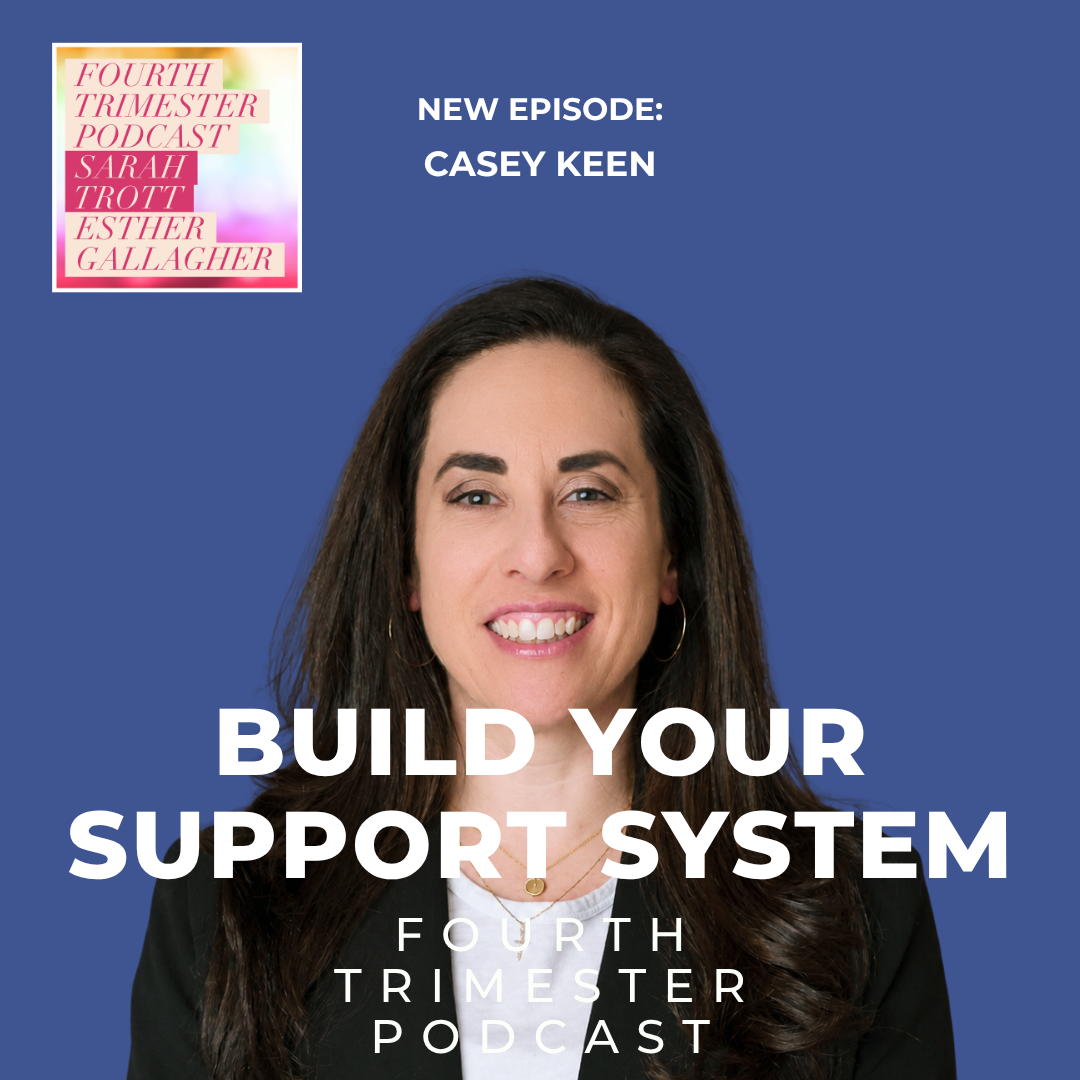
The transition into parenthood is frequently celebrated as a time of unmitigated joy, yet for millions of families, the weeks and months immediately following childbirth—commonly known as the fourth trimester—bring profound physical, emotional, and psychological challenges. Despite the widespread recognition of postpartum vulnerability, modern healthcare infrastructure often leaves new parents isolated, navigating recovery without a cohesive safety net. Addressing this critical gap in maternal care, the Fourth Trimester Podcast dedicated its 177th episode to breaking down the blueprint for a well-resourced postpartum support system. Featuring author, researcher, and maternal health advocate Casey Keen, MS, the episode delves into the profound lessons learned from personal trauma, offering practical, proactive strategies for expecting parents to build robust networks of care long before their baby arrives.
The Anatomy of Postpartum Vulnerability and the Need for Pre-Birth Planning
In maternal health discussions, the focus has historically skewed heavily toward prenatal care and the mechanics of labor and delivery. However, public health data consistently highlights that a significant portion of maternal mortality and morbidity occurs in the weeks and months following discharge from the hospital. Postpartum depression, anxiety, birth trauma, and severe hypertensive disorders affect a staggering number of families, often catching them entirely unprepared.
During Episode 177, Casey Keen draws extensively from her personal lived experience, which encompasses birth trauma, postpartum preeclampsia, postpartum depression, and postpartum anxiety. Reflecting on her own journey, Keen candidly shares the hindsight of what she wishes she had known and implemented differently.
"I would have a postpartum doula. I would definitely line up a therapist for afterward… and I would go to my postpartum checkup with questions," Keen states, summarizing the stark realizations that often emerge too late for new parents.
A well-resourced postpartum support system, as outlined in the episode, is not merely a luxury; it is a vital healthcare necessity. It encompasses a deliberate network of clinical providers, specialized practitioners such as postpartum doulas and lactation consultants, mental health therapists, informed family members, and community peer groups. Crucially, building this system requires meticulous pre-planning: identifying specific individuals who can recognize subtle behavioral or physical shifts, organizing concrete help for nourishment and rest, establishing clear pathways for medical inquiries, and securing emergency backup when primary caregivers are overwhelmed.
Unveiling Hidden Risks: Postpartum Preeclampsia and Urgent Warning Signs
One of the most critical segments of the episode focuses on postpartum preeclampsia, a serious condition that can develop rapidly after childbirth, even in individuals who maintained normal blood pressure throughout their pregnancies. Keen’s personal narrative underscores the dangerous confusion many new mothers face upon leaving the controlled environment of a hospital and returning home, where symptoms can easily be dismissed as normal postpartum fatigue or stress.
Medical authorities, including the American College of Obstetricians and Gynecologists (ACOG), emphasize that postpartum blood pressure readings featuring a systolic (top) measurement of 140 mmHg or higher, or a diastolic (bottom) measurement of 90 mmHg or higher, require immediate medical escalation. Furthermore, organizations like the Centers for Disease Control and Prevention (CDC) have established urgent maternal warning signs to help families identify emergencies—ranging from severe headaches and vision changes to shortness of breath and heavy vaginal bleeding.
Keen’s testimony serves as a stark reminder that maternal vigilance does not end at the delivery room door. By educating support networks—partners, family members, and friends—on these vital red flags, families can bridge the gap between subtle symptom onset and life-saving medical intervention.
Redefining Postpartum Care: A Shift Toward Continuous Support
Historically, standard postpartum care often consisted of a single, cursory medical checkup scheduled six weeks after delivery. Public health advocates, clinicians, and professional bodies have increasingly criticized this outdated model as wholly inadequate for meeting the multifaceted needs of a recovering parent.
In alignment with updated guidelines from ACOG, modern maternal care is pivoting toward an ongoing, continuous process rather than a solitary milestone. ACOG officially recommends that new parents maintain initial contact with their maternal care provider within the first three weeks postpartum, followed by ongoing, tailored clinical contact and a comprehensive, holistic postpartum evaluation no later than 12 weeks after birth.
This extended timeline acknowledges that physiological recovery, pelvic floor rehabilitation, and the stabilization of mental health are gradual processes. Integrating mental health screenings, lactation support, and cardiovascular monitoring into these early weeks is essential for mitigating long-term complications.
Practical Frameworks for Establishing Support Networks
To translate theoretical readiness into actionable steps, Keen and the Fourth Trimester Podcast host emphasize concrete strategies that expectant parents can implement during pregnancy:
- Vetting and Securing Specialists Early: Just as parents reserve spots at daycares or pediatricians before birth, building a roster of postpartum professionals—including postpartum doulas, pelvic floor physical therapists, and licensed psychotherapists specializing in perinatal mental health—should be prioritized during the second and third trimesters.
- Establishing Clear Roles for the Support Network: Friends and family members often want to help but lack direction. Establishing a clear delegation plan—such as assigning specific individuals to manage meal trains, coordinate household chores, or simply monitor the primary parent for signs of sleep deprivation-induced psychosis or severe anxiety—removes the cognitive burden from the exhausted new parents.
- Drafting a Comprehensive Postpartum Plan: Similar to a birth plan, a dedicated fourth-trimester plan outlines logistical preferences, visitor boundaries, nutritional preparation, and mental health checkpoints. Resources such as the printable Postpartum Support Quick Reference guide serve as an immediate call sheet placed on the refrigerator for quick access during emergencies.
Broader Implications and Future Directions in Maternal Health
The release of Episode 177 arrives at a time of heightened scrutiny regarding maternal healthcare outcomes in developed nations, particularly in the United States, which continues to struggle with high rates of preventable maternal mortality and morbidity. Analysts and healthcare economists point out that systemic gaps in postpartum care place an unsustainable emotional and financial burden on individual families.
By advocating for proactive, community-based support systems, episodes like this highlight the urgent need for structural reforms. These include expanded insurance coverage for doula care and mental health therapy, extended paid family leave policies, and mandatory post-discharge education for all maternity patients and their support circles.
Casey Keen’s book, The Alchemy of Motherhood, further contributes to this cultural shift by intertwining rigorous research with vulnerable memoir, shedding light on the systemic shortcomings of postpartum care and empowering parents to reclaim agency over their healing journeys.
Ultimately, building a well-resourced postpartum support system changes the narrative from one of isolated survival to one of communal flourishing. Through education, early intervention, and an unwavering commitment to maternal well-being, families and healthcare providers can work together to ensure that no new parent has to navigate the profound transformation of the fourth trimester alone.
Related posts: