Bright Summer Quinoa Salad With Fresh Garden Vegetables Emerges as a Seasonal Favorite for Healthy Meal Planning

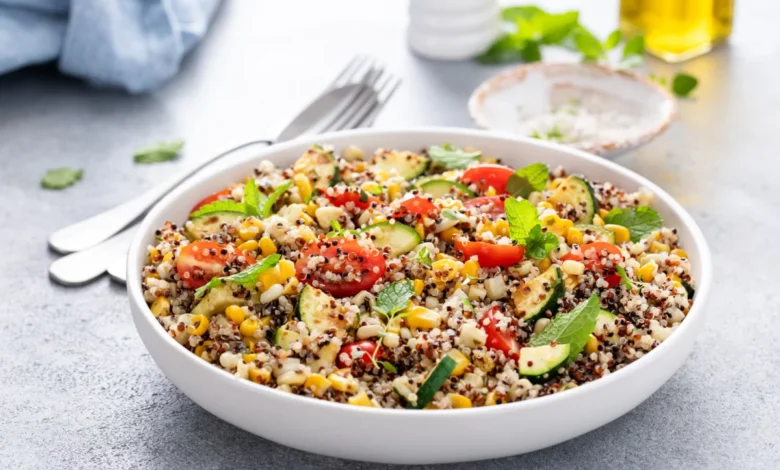
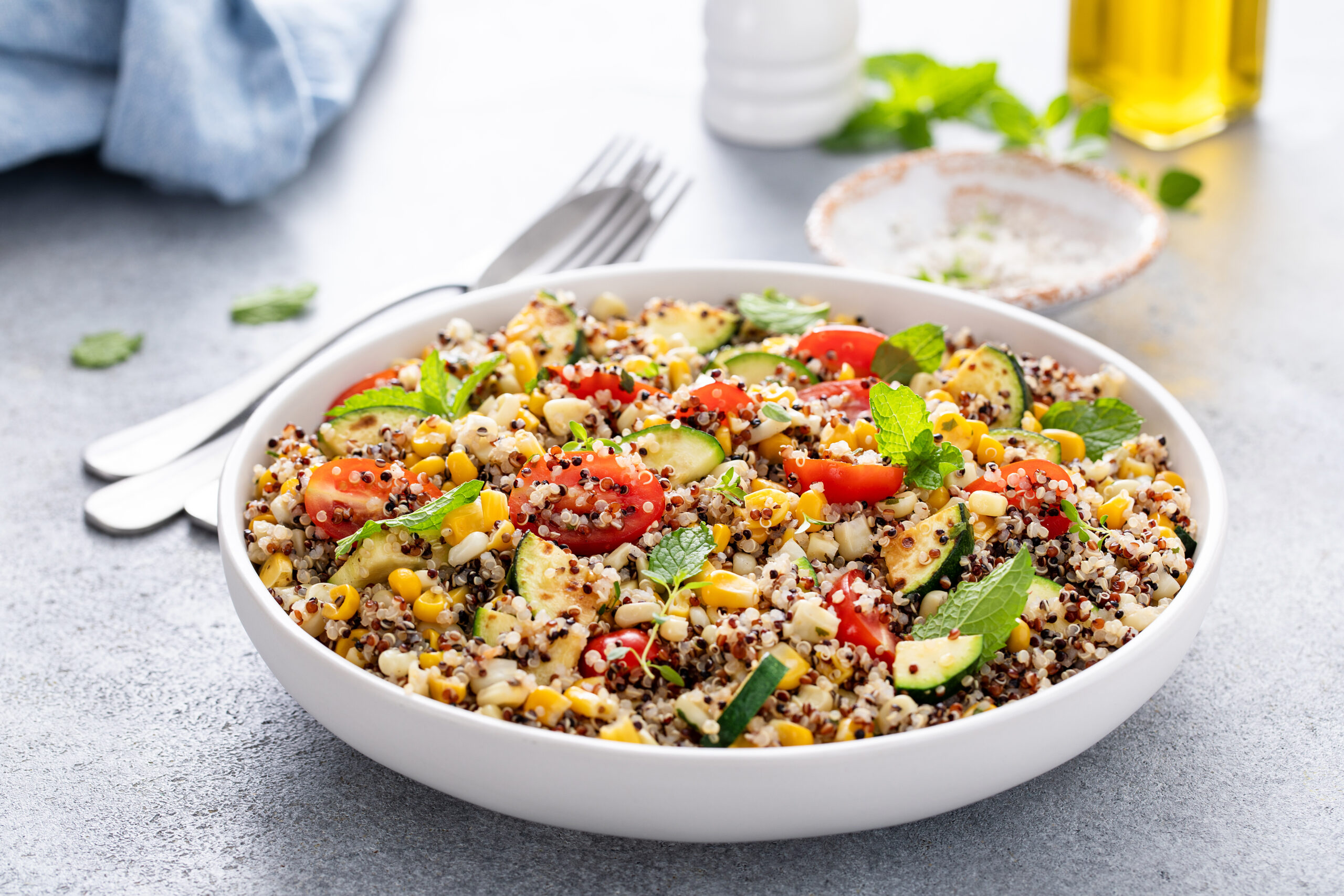
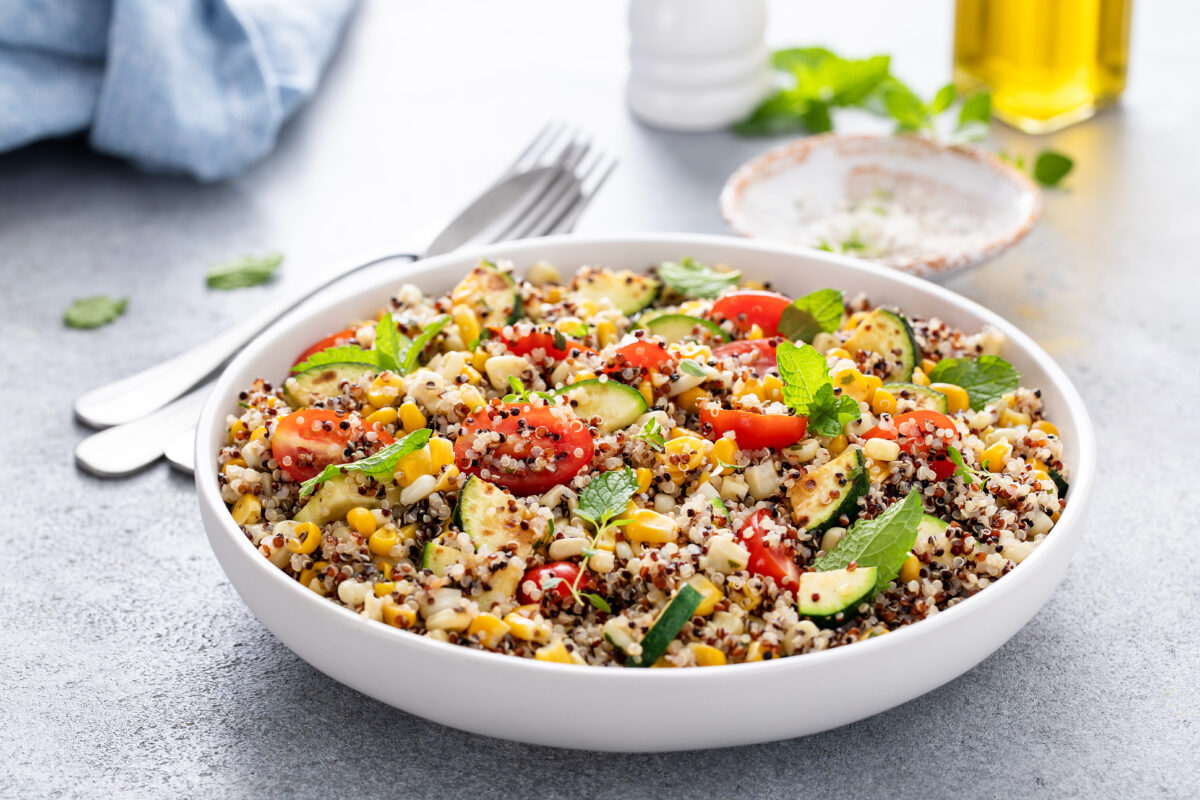
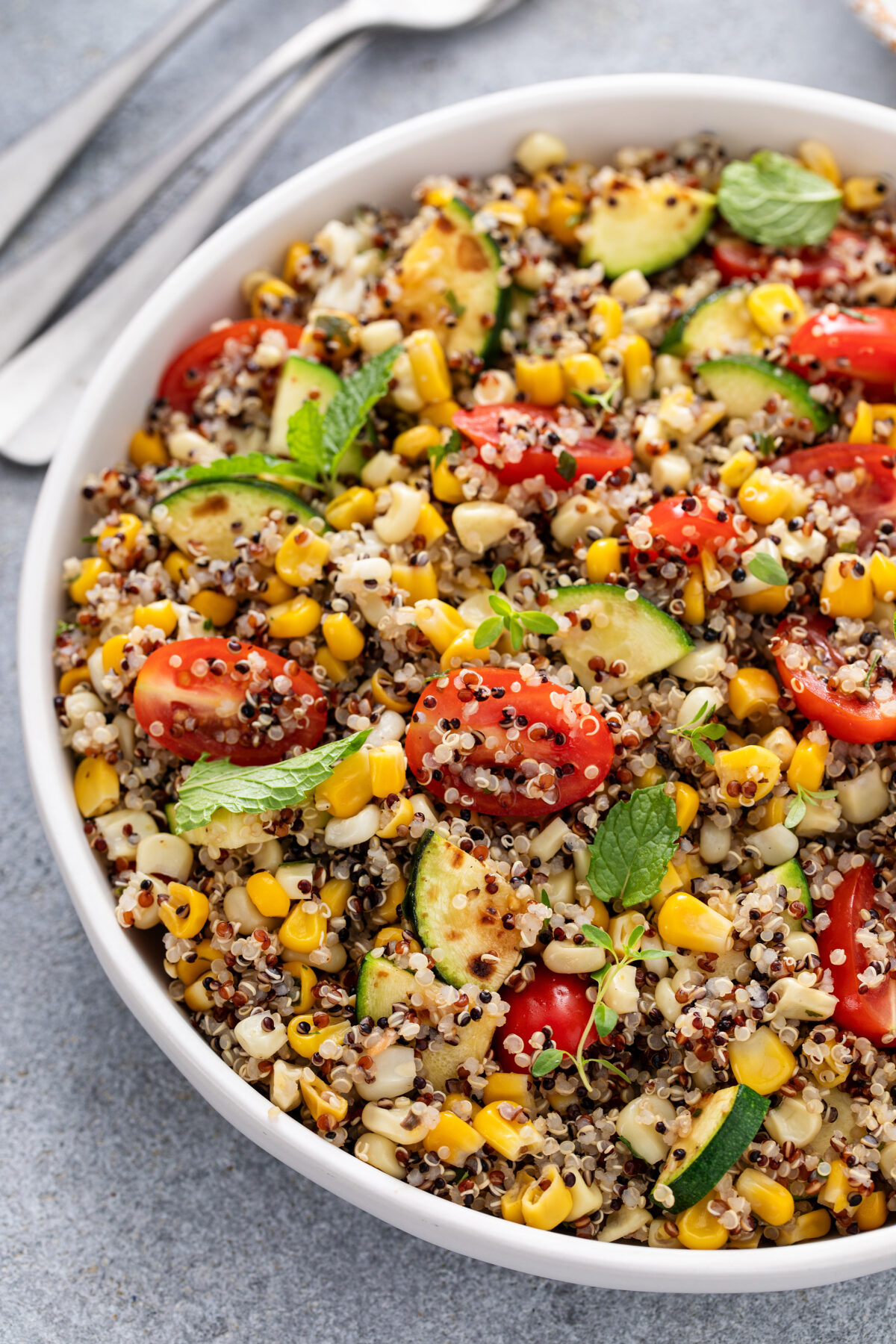
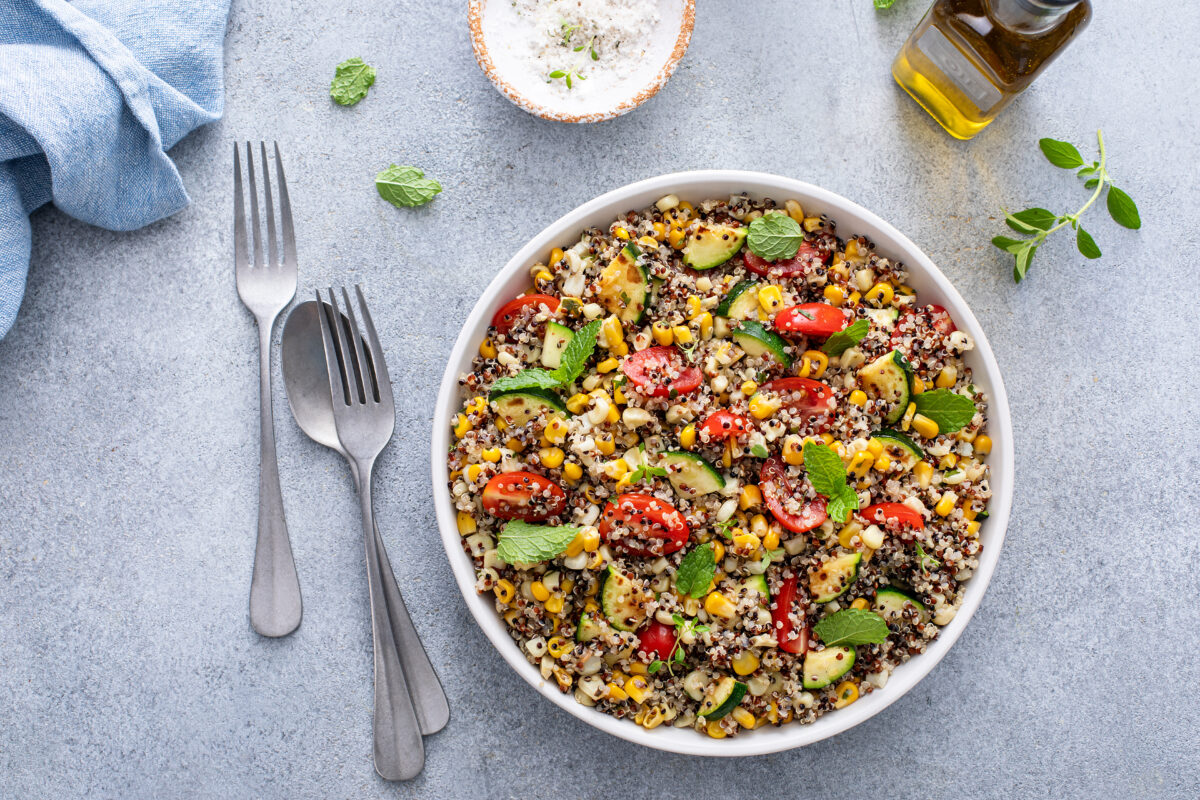
As local farmers markets and backyard gardens reach peak harvest capacity, home cooks and nutritionists alike are turning their attention to versatile, nutrient-dense dishes that make the most of seasonal produce. Among the standout recipes capturing culinary interest this season is a vibrant garden vegetable quinoa salad, anchored by sweet corn, tender zucchini, juicy cherry tomatoes, and aromatic fresh basil, all tied together with a zesty lemon dressing. Designed to transition effortlessly from casual weeknight dinners to outdoor barbecues, potlucks, and structured meal-prep regimens, this dish highlights a growing consumer preference for clean, plant-forward eating during the warmer months.
Nutritional Profile and Dietary Flexibility
The core of the dish relies on quinoa, a pseudocereal that has steadily gained popularity over the past decade due to its exceptional nutritional profile. Botanically classified as a seed rather than a true cereal grain, quinoa is celebrated for being a complete plant-based protein, meaning it supplies all nine essential amino acids that the human body cannot synthesize on its own. Furthermore, it is naturally gluten-free, rich in dietary fiber, and packed with essential micronutrients such as magnesium, iron, and potassium.
Dietary experts frequently recommend quinoa as an adaptable substitute for refined grains because of its low glycemic index and sustained energy release. When combined with fresh garden vegetables—which contribute vitamins A, C, and K, as well as vital antioxidants—the dish offers a balanced macronutrient profile. Culinary nutritionists note that unlike traditional leafy green salads that wilt quickly under the weight of acidic dressings, quinoa maintains its structural integrity and texture even after hours of refrigeration, making it an optimal candidate for batch cooking and weekly meal preparation.
Culinary Techniques: Achieving the Ideal Texture and Flavor
Achieving professional results with grain-based salads requires careful attention to preparation techniques, particularly regarding the handling of quinoa and moisture-rich vegetables. Culinary instructors emphasize the importance of the initial rinsing phase. Quinoa naturally produces a bitter chemical defense coating called saponin. While commercial processing typically removes much of this residue, a thorough thirty-second rinse under cold water using a fine-mesh strainer ensures a clean, neutral, nutty flavor profile.
Cooking the grain demands precise liquid ratios—typically two parts liquid to one part dry quinoa—followed by a strict steaming period off the heat rather than prolonged boiling or stirring, which can result in a gummy texture. To prevent the vegetables from softening prematurely, culinary protocols dictate that the cooked quinoa must be cooled thoroughly to room temperature before assembly. Spreading the warm grain across a baking sheet accelerates steam dissipation. Similarly, cooks are advised to sauté zucchini only until tender-crisp to prevent excess moisture release, while fresh tomatoes and basil are folded in at the final stage to maintain their structural brightness.
Broader Economic and Agricultural Context
The surge in popularity of vegetable-forward grain salads coincides with broader shifts in consumer purchasing behavior during the summer agricultural cycle. Agricultural extension offices report peak yields for summer squashes, sweet corn, and solanaceous crops like tomatoes between July and September. Retail data from grocery cooperatives and farmers markets indicate a parallel rise in demand for complementary pantry staples, including bulk grains, citrus, and fresh herbs.
Food economists point out that dishes like the garden quinoa salad offer households a cost-effective way to utilize surplus local produce, reducing household food waste while maximizing nutritional intake. The inherent flexibility of the recipe—allowing for substitutions such as the inclusion of protein sources like grilled poultry, chickpeas, or feta cheese, or grain swaps including farro, bulgur, or brown rice—caters to the increasing consumer demand for customizable home-cooking solutions amidst fluctuating food costs.
Industry Reception and Practical Implications
Food safety and meal-prep specialists have endorsed the structural durability of grain salads for public gatherings and catered events. Because the dish does not rely on mayonnaise-based binders or delicate greens that deteriorate rapidly in ambient outdoor temperatures, it presents a lower risk of spoilage during summer outdoor events, provided standard refrigeration protocols are observed prior to serving.
As consumer interest in preventive health and functional nutrition continues to shape culinary trends, recipes that bridge the gap between agrarian tradition and modern dietary science are expected to remain staples of domestic and institutional menus. The widespread adoption of seasonal quinoa salads underscores a permanent shift toward meals that prioritize simplicity, nutritional density, and environmental adaptability without sacrificing culinary appeal.