Weekly Family Meal Planning Strategies Gain Popularity Among Time-Constrained Households


Navigating the daily demands of professional responsibilities, household management, and child-rearing often leaves families struggling with a universal evening dilemma: deciding what to cook for dinner. In response to this recurring challenge, structured weekly meal planning has emerged as a vital organizational strategy for modern households. Nutritional experts, parenting advocates, and culinary platforms increasingly emphasize that pre-planning weekly menus not only reduces household stress and food waste but also promotes balanced nutritional intake for growing children and adults alike. A comprehensive analysis of contemporary family meal planning reveals how structured culinary schedules—spanning breakfast, lunch, snacks, and a dynamic nightly dinner rotation—transform domestic routines into streamlined, health-conscious operations.
The Evolution and Logistics of Modern Family Meal Planning

The practice of mapping out weekly menus has evolved significantly over the past decade, shifting from rigid, uninspired diet charts to flexible, gourmet-leaning schedules that accommodate busy lifestyles. According to recent consumer food behavior studies, households that implement structured weekly meal plans save an average of two to three hours per week in grocery shopping and meal preparation time, while simultaneously cutting weekly food expenditures by up to twenty percent.
The underlying psychology of meal planning rests on decision fatigue reduction. When parents eliminate the 5:00 PM scramble to answer the question of what to cook, cognitive bandwidth is preserved for other familial and professional responsibilities. Furthermore, proactive menu curation ensures a diverse intake of macronutrients, vitamins, and minerals, making it easier to incorporate essential food groups—such as leafy greens, whole grains, and lean proteins—into daily diets without resistance from younger family members.
Structuring the Morning Routine: Breakfast and Brunch Innovations

Establishing a nutritional foundation begins in the early morning hours, where modern meal plans emphasize both efficiency and indulgence. Nutritionists generally advocate for breakfast options that combine complex carbohydrates, fiber, and healthy fats to sustain energy levels throughout the morning.
For hectic weekday mornings, blended fruit and vegetable beverages offer a rapid, nutrient-dense solution. Standard rotation schedules frequently feature tropical fruit medleys, specialized formulations tailored for prenatal nutritional requirements, and vibrant green smoothies packed with spinach or kale blended discreetly with sweet fruits. These liquid meals provide an immediate infusion of vitamins C and K, dietary fiber, and antioxidants.
Conversely, weekends allow for a more deliberate culinary approach, transforming brunch into a family event. Culinary creators frequently challenge traditional breakfast norms by introducing unexpected flavor profiles, such as chocolate-infused pancakes paired with coconut elements. While chocolate at breakfast is occasionally viewed with skepticism by traditionalists, culinary experts note that utilizing high-grade cocoa provides valuable flavonoids, and pairing the dish with fiber-rich whole grains balances the glycemic impact.

Midday Sustenance: Lunches Designed for Efficiency and Nutrition
Transitioning to midday meals requires a delicate balance between portability, sensory appeal, and nutritional density. Whether packing lunches for school-aged children or preparing midday meals for remote-working parents, the focus centers on sustaining afternoon focus.
Popular midday menu strategies incorporate vibrant summer pasta salads tossed with seasonal vegetables, reimagined breakfast items such as nutrient-packed banana dishes, and lean-protein alternatives like turkey club lettuce wraps. For households seeking vegetarian or vegetable-forward options, broccoli and cheddar patties provide an effective vehicle for incorporating cruciferous vegetables into a child-friendly format. These dishes are specifically engineered to maintain their structural integrity and flavor profile whether consumed immediately or stored in insulated lunch containers.

Snack Architecture: Balancing Energy and Nutrition Between Meals
Between-meal snacking represents a critical window for stabilizing children’s blood sugar levels and maintaining cognitive stamina during academic or recreational activities. However, commercial snack foods are frequently laden with refined sugars, sodium, and artificial preservatives.
To counteract this, nutritionists recommend home-prepared or minimally processed snack alternatives. Staple items in comprehensive meal plans include chewy yet crunchy granola bars utilizing rolled oats and natural sweeteners, freshly baked strawberry muffins utilizing real fruit purees, and dehydrated fruit leathers made from seasonal peaches. Additionally, savory options such as roasted carrot hummus served alongside raw vegetable crudités encourage children to consume essential root vegetables through interactive, dip-based snacking formats.

The Nightly Dinner Rotation: A Seven-Day Culinary Journey
The centerpiece of any comprehensive family meal plan is the dinner schedule, which must balance culinary creativity with rapid execution to accommodate evening homework, extracurricular activities, and domestic chores. A typical structured week demonstrates how variety prevents meal fatigue while ensuring balanced nutrition.
Sunday: The Weekend Transition
Sunday dinners often serve as a bridge between the relaxed pace of the weekend and the structure of the upcoming workweek. A popular family favorite features pretzel-crusted fried chicken, which delivers a satisfying, ultra-crunchy exterior while maintaining a tender, juicy interior through lean poultry cuts. To balance the meal, culinary planners pair this comfort-food classic with air-fried seasonal vegetables and crispy smashed potatoes, achieving a balance of indulgence and wholesome nutrition.

Monday: Meatless Simplicity
In alignment with the global "Meatless Monday" movement, the start of the workweek emphasizes plant-based eating without sacrificing comfort or flavor. Hearty pasta dishes featuring rich, savory flavor profiles provide a comforting, simple-to-execute meal that requires minimal preparation time, easing families back into weekday routines.
Tuesday: Asian-Inspired Fusion
Mid-week culinary explorations often draw inspiration from international flavor profiles. A standard Tuesday offering features soy and ginger-marinated chicken served alongside Asian-style cauliflower rice and aggressively roasted, crispy broccoli. This combination delivers a high volume of fiber, vitamin C, and lean protein while maintaining an engaging flavor profile driven by umami-rich soy and aromatic ginger.
Wednesday: Collaborative Family Cooking
Mid-week schedules often benefit from interactive cooking experiences that involve younger family members. Turkey teriyaki meatballs paired with "un-fried" cauliflower or grain rice offer an ideal collaborative project. Involving children in rolling meatballs or measuring ingredients fosters early culinary literacy and increases the likelihood that they will eagerly consume the finished meal.

Thursday: Plant-Based Comfort Bowls
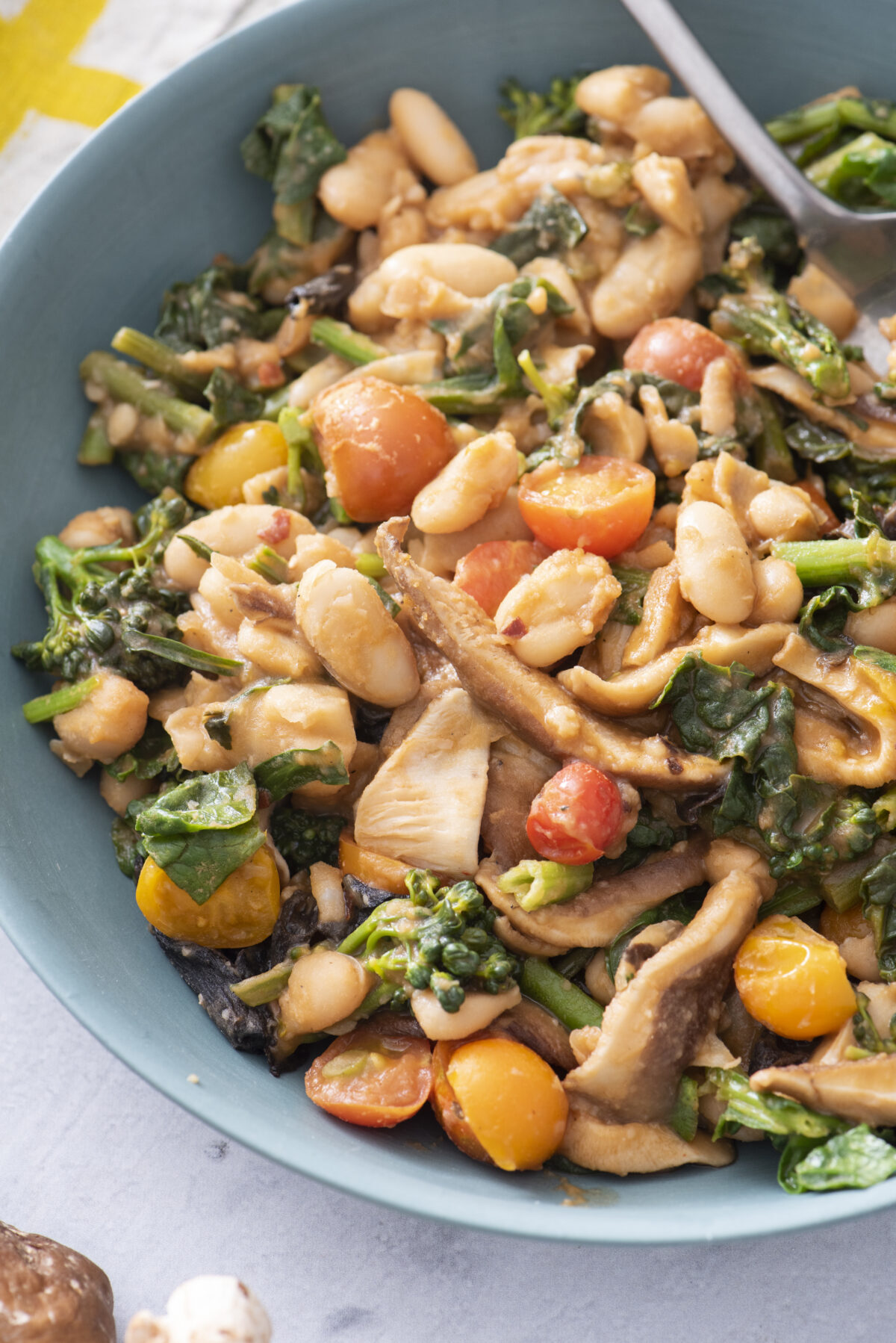
As the workweek reaches its peak, meals that prioritize digestion and sustained energy become the priority. White bean, shiitake mushroom, and vegetable bowls provide a nutrient-dense, fiber-rich dinner option. Shiitake mushrooms offer recognized immune-supporting properties, while white beans supply sustained plant-based protein and complex carbohydrates.
Friday: The End-of-Week Celebration
Friday evening traditionally marks the beginning of the weekend, celebrated in many households through casual, fun-themed dining. Taco salad pizza—a creative hybrid combining the crisp, spiced elements of a taco with a traditional pizza crust—offers a playful dinner experience. Dessert follows a similar theme of accessible indulgence, utilizing air fryers to produce lighter versions of classic fried donuts with significantly reduced oil absorption.
Saturday: Supporting Local Commerce
To alleviate domestic labor at the conclusion of the week, meal plans frequently designate Saturday as a night off from home cooking, encouraging families to support independent local restaurants and community eateries.

Implications and Broader Impact of Structured Meal Planning
The widespread adoption of structured weekly meal planning carries significant implications for public health, household economics, and family dynamics. From an economic perspective, organized purchasing minimizes food waste—a critical environmental concern, given that consumer food waste accounts for a substantial percentage of municipal solid waste globally. By purchasing precisely what is required for a designated seven-day menu, households reduce redundant grocery spending and lower their overall environmental footprint.
Nutritionally, structured planning empowers parents to take active control of their family’s dietary intake, mitigating the reliance on ultra-processed convenience foods and fast-food alternatives. Public health advocates suggest that children raised in households that prioritize varied, home-cooked meals develop broader palates and healthier lifelong eating habits.
Ultimately, while the logistics of meal planning require an initial investment of time and coordination, the compounding benefits—ranging from financial savings and reduced evening stress to enhanced nutritional wellness—solidify its position as an essential practice for contemporary households.