Navigating the Late-Summer Meal Planning Dilemma: Nutritional Strategies and Family Culinary Management for August

As the calendar turns toward the final stretch of summer, households across the country face a recurring logistical challenge: balancing the waning days of the vacation season with the impending structure of the autumn routine. For parents and culinary coordinators, August represents a critical transitional period characterized by shifting schedules, fluctuating appetites, and the constant demand for efficient, nutritious home cooking. Recent culinary trends and family nutrition studies indicate that structured weekly meal planning remains one of the most effective tools for reducing household food waste, managing grocery expenditures, and ensuring balanced nutrition for developing children. In response to these seasonal pressures, family food advocates and culinary experts are releasing curated weekly menus designed to streamline the dinner hour while incorporating fresh, seasonal produce.
The mechanics of modern family meal planning have evolved significantly over the past decade. No longer confined to rigid, monotonous schedules, contemporary domestic management favors flexibility, interactive meal preparation, and high nutritional density. Nutritional experts emphasize that involving family members in the assembly of meals—particularly during the late-summer months when fresh ingredients are abundantly available—encourages healthier eating habits and reduces mealtime resistance in children. Central to these strategies is the integration of customizable dishes that cater to diverse dietary preferences without requiring multiple cooking processes.
Main Facts and Seasonal Culinary Strategies
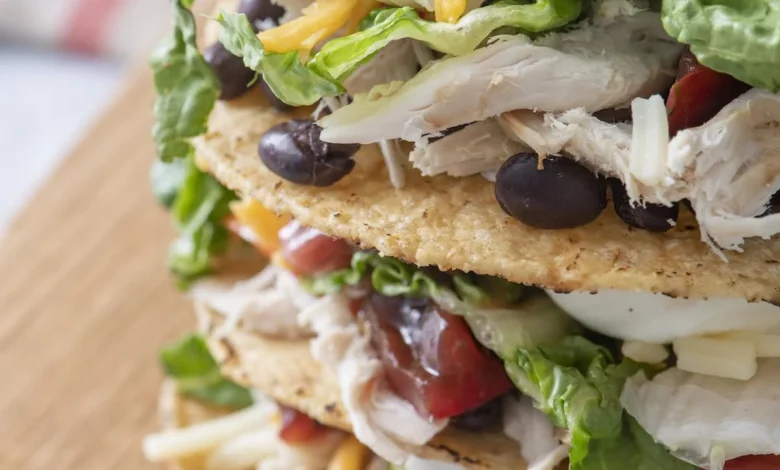
The core of effective late-summer meal management relies on versatile, nutrient-dense recipes that minimize kitchen labor while maximizing flavor. A prominent example of this approach is the featured Tuesday menu selection: the interactive tostada salad. This dish exemplifies modern nutritional philosophies by combining lean proteins, fiber-rich legumes, fresh vegetables, and whole-grain or baked bases.
From a nutritional standpoint, tostada salads offer a balanced macronutrient profile. Black beans provide essential plant-based protein and soluble fiber, which supports cardiovascular health and sustained energy levels. Shredded chicken serves as a lean source of complete proteins necessary for cellular repair and growth. Furthermore, the inclusion of fresh lettuce, tomatoes, and other garden produce delivers vital micronutrients, including vitamins A, C, and K, alongside powerful antioxidants.
Crucially, the tostada salad format utilizes a modular construction method. By allowing individual diners to assemble their own plates according to personal taste and dietary requirements, the recipe eliminates common household conflicts regarding food aversions. This participatory dining style has been shown in behavioral studies to increase children’s willingness to consume vegetables and unfamiliar foods, as autonomy in food selection fosters a positive psychological association with healthy eating.
Chronology and the Weekly Culinary Timeline
Effective household meal management operates on a structured timeline designed to alleviate mid-week fatigue while accommodating the dynamic schedules of modern families. The typical weekly culinary framework begins on Sunday or Monday with inventory assessment and grocery procurement, ensuring that perishable ingredients are utilized at peak freshness.
As the week progresses into Tuesday, preparation shifts toward fresh, interactive meals such as the aforementioned tostada salad. This mid-week focal point capitalizes on quick-assembly techniques that require minimal cooking time, acknowledging the time constraints imposed by extracurricular activities and extended workday obligations.
The culinary timeline strategically concludes toward the end of the week with designated reprieve. By scheduling a localized restaurant takeout evening on Saturday, domestic meal coordinators mitigate burnout associated with continuous home cooking. This balanced approach—combining structured home preparation with strategic outside dining—sustains long-term adherence to meal planning regimens.
Supporting Data and Nutritional Insights
Recent data from the Bureau of Labor Statistics and consumer food research organizations indicate that American households spend an average of 10% to 13% of their disposable income on food, with a significant portion allocated to dining out and impulse grocery purchases. Implementing a structured weekly meal plan has been proven to reduce household food expenditure by up to 20% while simultaneously decreasing the carbon footprint associated with food waste.
Dietary guidelines published by public health agencies consistently underscore the importance of incorporating diverse food groups into daily nutrition. Meals that integrate complex carbohydrates, lean proteins, and colorful vegetables align with recommendations to reduce the incidence of diet-related chronic conditions. The flexibility inherent in modular meal designs ensures that these nutritional benchmarks are met without sacrificing culinary enjoyment.
Furthermore, culinary psychology research highlights the cognitive benefits of organized meal routines. Predictable meal structures reduce decision fatigue—a psychological phenomenon where the quality of decision-making deteriorates after a long session of decision-making. By determining menu items days in advance, parents and caregivers preserve mental energy for other professional and domestic responsibilities.
Expert Perspectives and Professional Commentary
Culinary educators and child nutrition advocates emphasize that the ultimate success of any meal plan lies in its simplicity and adaptability. Catherine, a prominent family nutrition advocate and creator of widely utilized domestic meal strategies, notes that the foundational philosophy of modern family cooking must center on accessibility and enjoyment.
"All kids can be great eaters, and mealtime must be easy," notes the culinary strategist, reflecting a growing consensus among pediatric dietitians. By stripping away complex preparation steps and focusing on wholesome, recognizable ingredients, home cooks can foster an environment where healthy eating is both attainable and stress-free. This philosophy underpins the design of contemporary family recipes, which prioritize straightforward execution alongside high nutritional value.
Industry analysts observe that the demand for simplified, customizable family recipes has surged in tandem with hybrid work models and increasingly complex family schedules. Parents are actively seeking resources that bridge the gap between nutritional integrity and practical time management. Consequently, curated meal plans that feature interactive elements—such as build-your-own salad bars and modular taco nights—have become staple resources in modern domestic management.
Broader Impact and Economic Implications
The broader implications of structured family meal planning extend far beyond individual household budgets and daily convenience. On a societal level, widespread adoption of home meal planning contributes to the reduction of municipal food waste, a critical environmental objective for urban and rural communities alike. When consumers purchase only the ingredients required for a specific weekly menu, the volume of discarded perishable goods diminishes correspondingly.
Additionally, supporting local dining establishments through scheduled takeout evenings—such as those integrated into weekend routines—bolsters local economies and sustains small-business viability within the food service sector. This symbiotic relationship between home cooking and strategic local patronage creates a resilient economic model for community food ecosystems.
As families prepare for the logistical shifts associated with the end of summer and the return to academic and professional schedules, the reliance on thoughtful, structured meal planning will remain an invaluable strategy. By prioritizing nutritional balance, culinary flexibility, and stress-free preparation, households can navigate seasonal transitions with confidence, ensuring that the dinner hour remains a positive, health-promoting cornerstone of daily life.