The critical post-school hour presents a common challenge for parents: how to fuel growing children with nutritious options that satisfy hunger without undermining dinner. This comprehensive guide explores the importance of high-protein after-school snacks, offering a wealth of practical, healthy, and appealing ideas to keep children energized and satisfied until the evening meal. Focusing on balanced nutrition, this article delves into the science behind satiety, provides actionable advice for various dietary needs, and highlights the benefits of strategic snacking for active youngsters.
Understanding the Nutritional Landscape of After-School Snacking
The period between the end of the school day and dinner is often characterized by significant energy expenditure and a natural dip in blood sugar levels. Children, especially those involved in after-school activities, sports, or simply navigating the demands of a school day, require sustained energy. Protein plays a pivotal role in this regard, not only for muscle growth and repair but also for promoting a prolonged sense of fullness.
"Pairing protein with carbohydrates and fiber is a key strategy to help children remain satiated and prevent the constant cycle of snacking that can interfere with appetite for main meals," explains nutritional expert Dr. Anya Sharma. "This approach ensures that children are not only energized but also receiving essential nutrients that support their overall development."
The recommended daily protein intake for children varies by age, with a general guideline of approximately 0.5 grams per pound of body weight. For instance, a 50-pound child would ideally consume around 25 grams of protein daily, distributed across meals and snacks. Active children may require slightly higher amounts to support their increased energy expenditure and muscle recovery needs.
Defining a "High-Protein" Snack for Children
For older children, a snack can be considered high in protein if it provides upwards of 10 grams of protein. However, it’s crucial to recognize that not every snack needs to be protein-focused. The overarching goal is to create balanced snacking opportunities.
A balanced snack formula for children ideally incorporates a combination of protein, complex carbohydrates (preferably from whole grains), fiber, and healthy fats. This synergistic approach helps to stabilize blood sugar levels, preventing the sharp spikes and subsequent crashes that can lead to fatigue and further cravings.
The Importance of Protein in Children’s Diets
While children typically obtain sufficient protein throughout the day from their meals, snack time can be an opportune moment to supplement their intake, particularly if they are selective eaters or have demanding schedules. Protein is fundamental for numerous bodily functions, including:
- Growth and Development: Essential for building and repairing tissues, including muscles, bones, and organs.
- Satiety and Hunger Management: Protein takes longer to digest than carbohydrates, promoting a feeling of fullness and reducing the urge to overeat.
- Cognitive Function: Plays a role in the production of neurotransmitters, which are crucial for concentration and learning.
- Immune System Support: Antibodies, which are vital for fighting off infections, are made of protein.
Special Considerations for Young Athletes and Dietary Preferences
For young athletes, the timing and composition of snacks are particularly important. Before practice or a game, the focus should be on carbohydrates to provide readily available energy. Post-activity, a combination of protein and carbohydrates is ideal for muscle recovery and replenishment of energy stores.
"For young athletes, think of snacks as a crucial part of their training regimen," suggests sports nutritionist Mark Jenkins. "A well-timed, protein-rich snack after exertion can significantly impact their recovery and readiness for the next session."
Addressing the needs of children who dislike meat requires alternative protein sources. Dairy products, such as yogurt, cheese, and milk, are excellent options. Additionally, incorporating beans and legumes into various dishes, like pasta sauces, baked goods, or quesadillas, can discreetly boost protein and fiber content.
Diverse High-Protein Snack Ideas
The following categories offer a wide array of high-protein snack ideas, catering to different tastes and preparation preferences.
Snacks Featuring Eggs
Eggs are a nutritional powerhouse, offering a complete protein source and a variety of essential vitamins and minerals.
- Hard-Boiled Eggs: A simple, portable, and protein-rich option.
- Mini Egg Muffins: Customizable with vegetables and cheese, these can be made ahead of time.
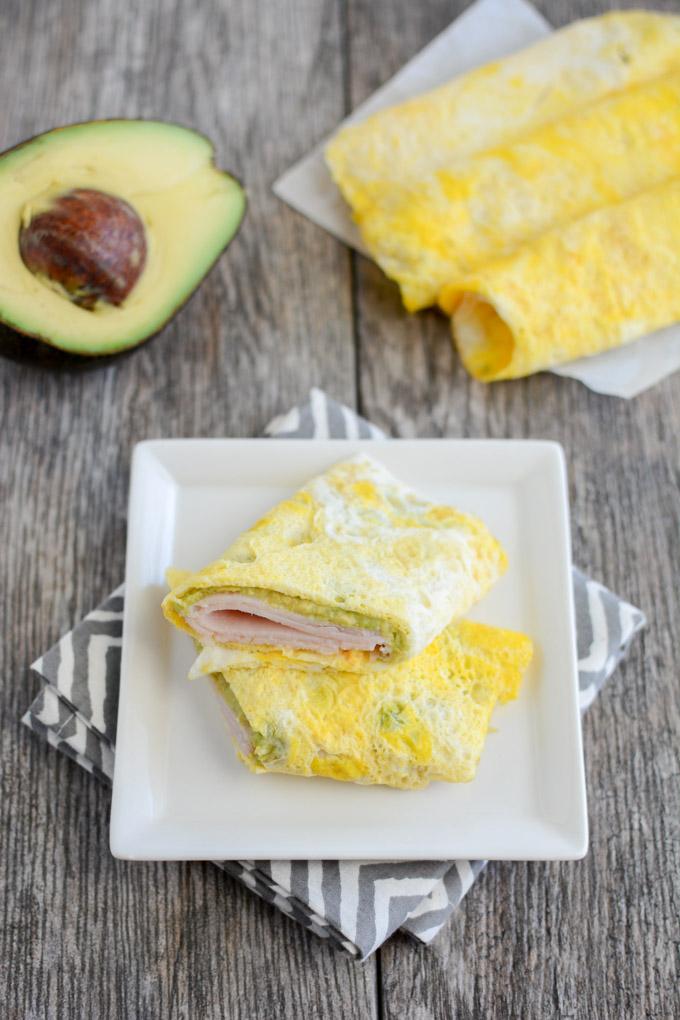
- Egg Wraps: Scrambled eggs wrapped in whole-wheat tortillas with a sprinkle of cheese.
- Deviled Eggs: A flavorful and protein-packed treat.
Dairy-Based Delights
Dairy products are naturally rich in protein and calcium, making them excellent choices for snacks.
- Greek Yogurt Parfaits: Layered with fresh fruit and a sprinkle of granola or nuts.
- Cheese Sticks or Cubes: A convenient and satisfying option.
- Cottage Cheese: Versatile and can be paired with fruits, vegetables, or even enjoyed plain.
- Milk or Flavored Kefir: A quick way to boost protein intake, especially after physical activity.
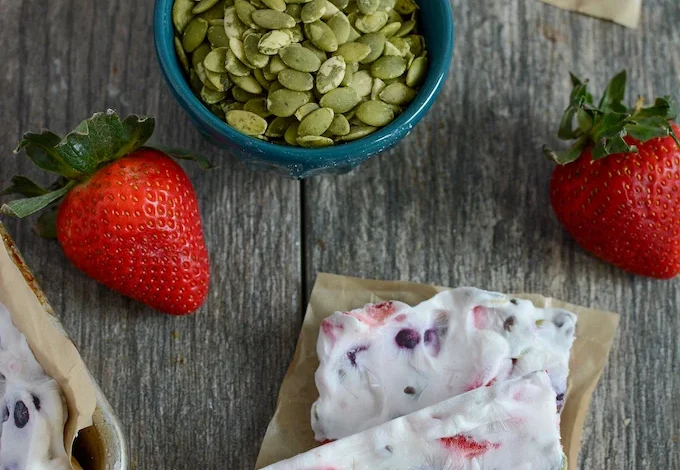
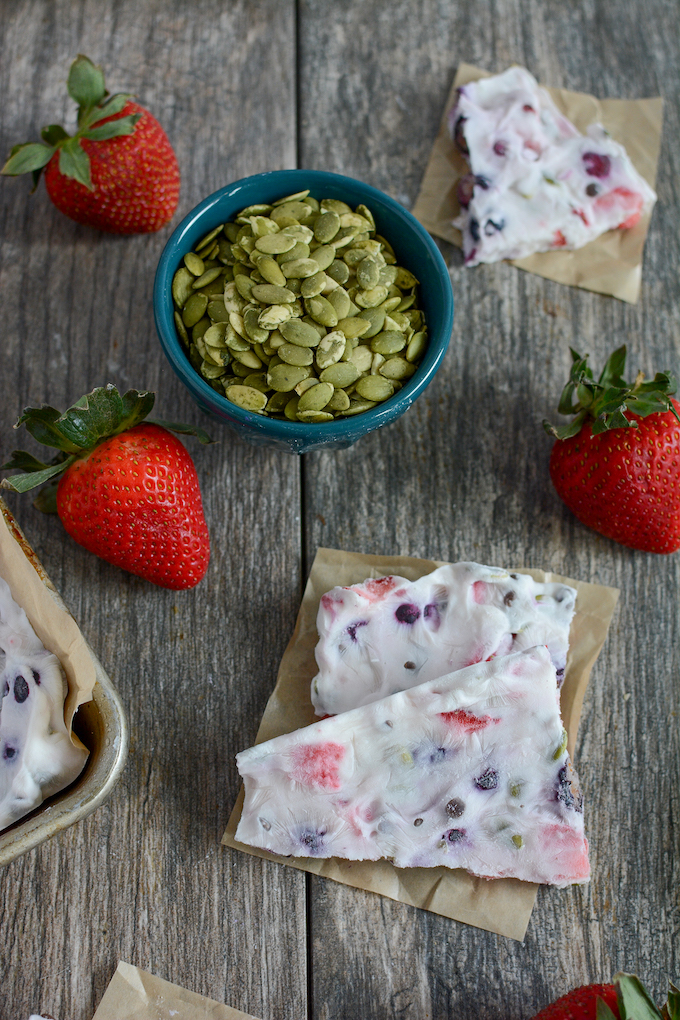
- Frozen Yogurt Bark: A refreshing and healthy treat made with Greek yogurt, fruit, and seeds.
Creative Cottage Cheese Creations
Cottage cheese, with its high protein content and mild flavor, can be incorporated into both sweet and savory snacks.
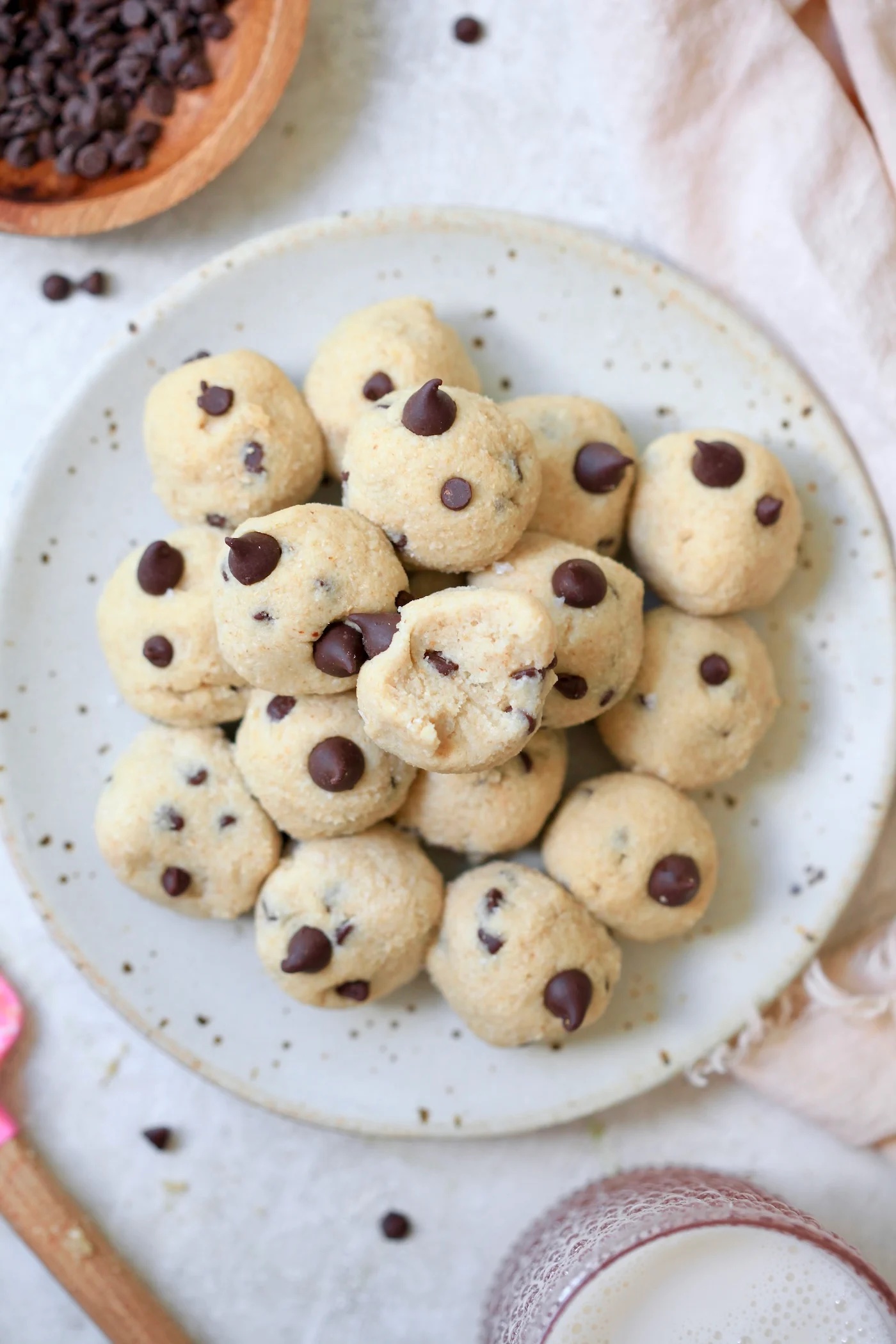
- Cottage Cheese "Cookie Dough" Bites: A no-bake treat combining cottage cheese with oats, honey, and chocolate chips.
- Savory Cottage Cheese Dip: Blended with herbs and served with vegetable sticks or whole-grain crackers.
- Cottage Cheese and Fruit Bowls: A simple and nutritious combination.
Nut and Seed Powerhouses
Nuts and seeds are packed with protein, healthy fats, and fiber, making them ideal for sustained energy.
- Trail Mix: A customizable blend of nuts, seeds, dried fruit, and whole-grain cereal.
- Nut Butter on Whole-Grain Toast or Fruit: A classic pairing that provides protein and healthy fats.
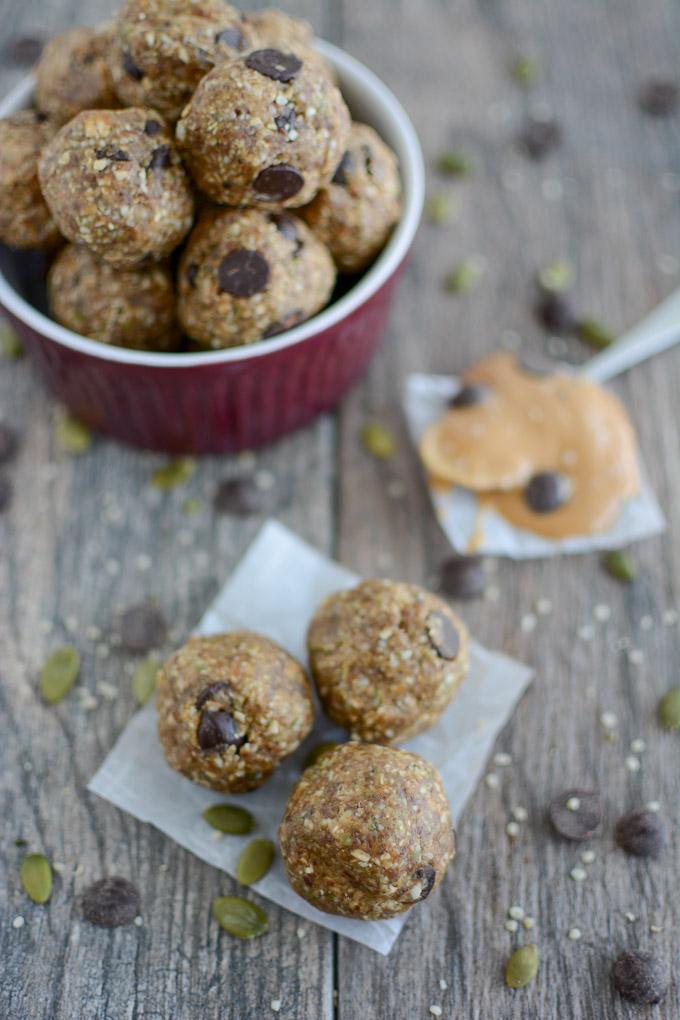
- Energy Balls: Homemade balls made with oats, nut butter, honey, and seeds.
- Roasted Chickpeas or Edamame: Crunchy and protein-rich alternatives.
Meat-Based Options
For children who consume meat, these options offer substantial protein.
- Turkey or Ham Roll-Ups: Rolled with cheese or a thin spread of cream cheese.
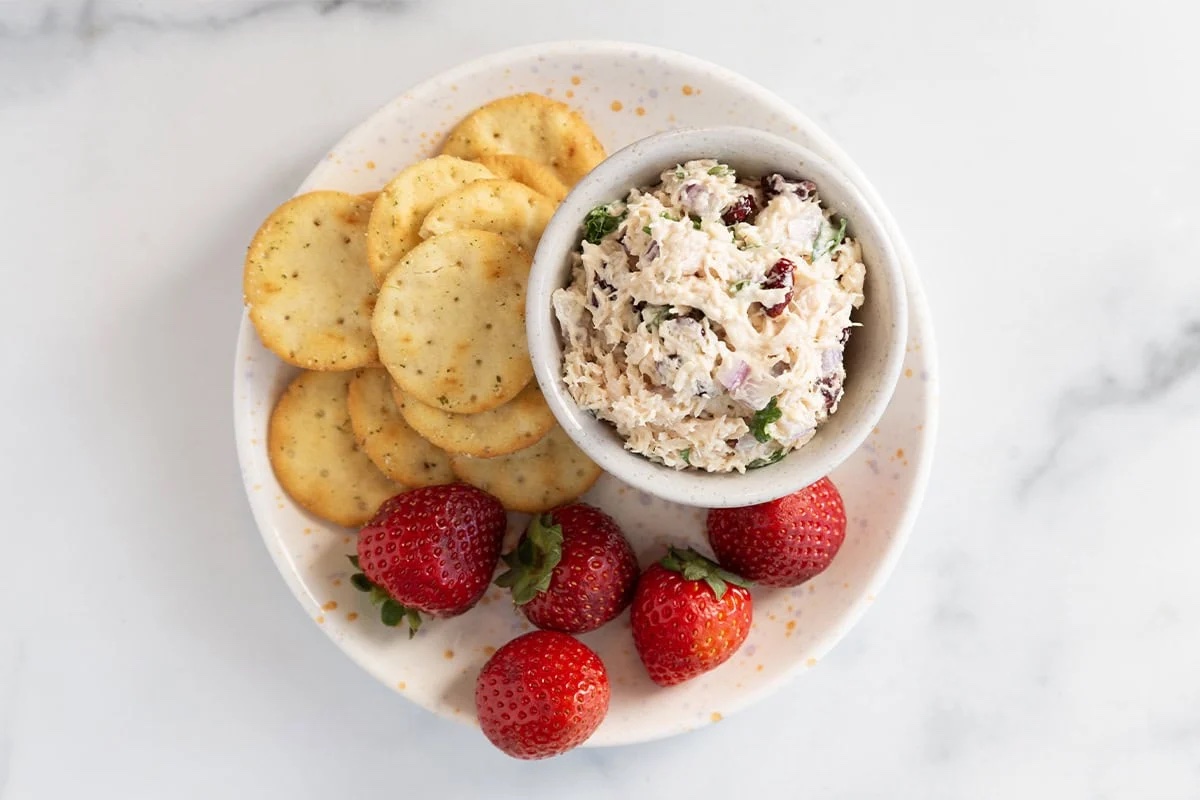
- Chicken Salad Bites: Served on whole-grain crackers or in small lettuce cups.
- Beef Sticks or Jerky (Low Sodium): A convenient, portable option.
- Mini Meatballs: Can be made with lean ground turkey, chicken, or beef.
Visualizing High-Protein Snacks in Action
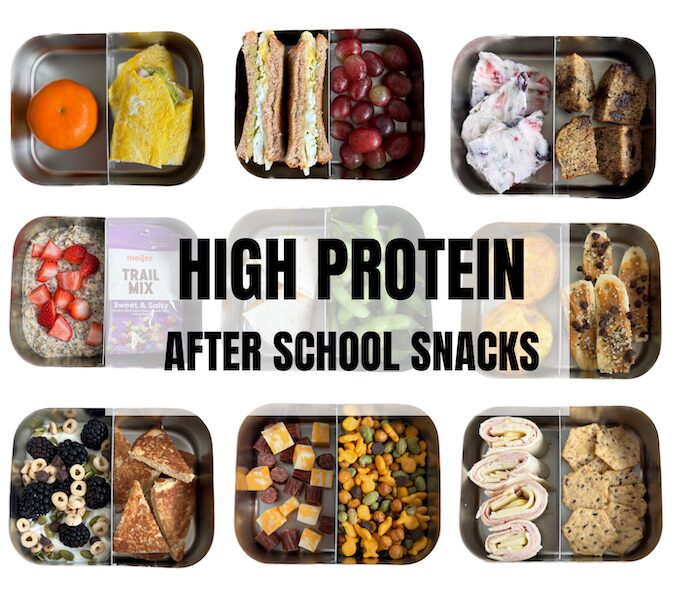
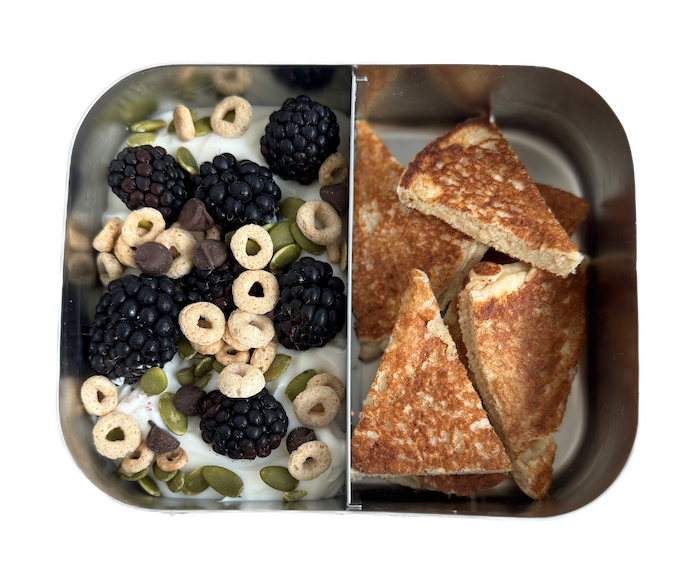
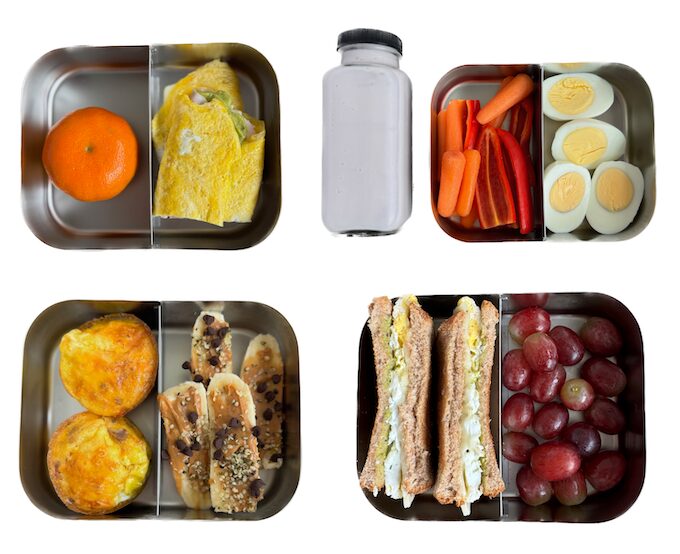
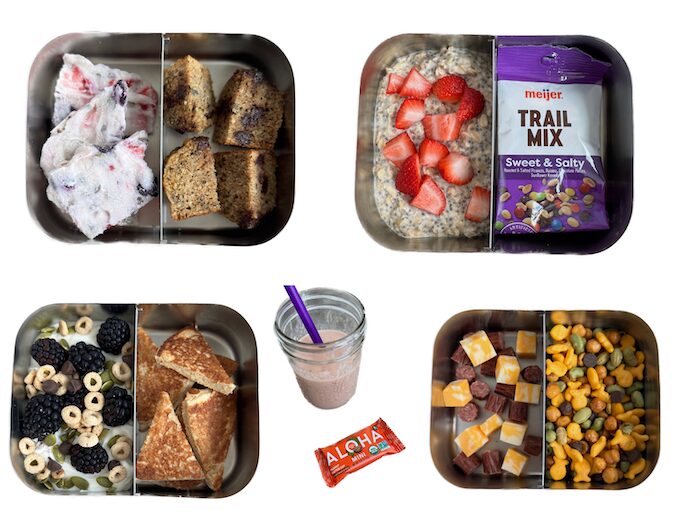
Seeing how these snacks are presented can be inspiring for parents. For instance, a breakfast-style snack of yogurt parfait with small pancakes offers a delightful combination of protein from the yogurt and carbohydrates from the pancakes. Similarly, egg wraps, whether served warm or cold, provide a satisfying and protein-rich meal replacement.
Estimating Protein Content
While exact protein counts can vary based on brands and preparation methods, providing approximate figures can be helpful. For example:
- Two Hard-Boiled Eggs: Approximately 12 grams of protein.
- 1 cup of Greek Yogurt: Approximately 20 grams of protein.
- 2 tablespoons of Peanut Butter: Approximately 8 grams of protein.
- 3 ounces of Turkey Breast: Approximately 20-25 grams of protein.
These estimations are particularly relevant for active older children. Portion sizes can be adjusted to meet the specific protein needs of younger children or those with lower activity levels, aiming for around 10 grams per snack.
Quick Store-Bought Protein Snacks
For busy families, convenient store-bought options can be a lifesaver. When selecting these, it’s advisable to check nutrition labels for protein content and minimize added sugars and sodium.
- String Cheese: Portable and protein-rich.
- Yogurt Tubes or Cups: Opt for varieties with higher protein content.
- Beef or Turkey Sticks: Look for low-sodium options.
- Edamame or Roasted Chickpeas: Packaged versions are readily available.
- Whole-Grain Crackers with Cheese: A simple and effective combination.
Tailoring Snacks for Specific Needs
Toddler Protein Needs
Toddlers have different nutritional requirements, needing approximately 13 grams of protein per day. Their snacks should be easily manageable and nutrient-dense.
Picky Eaters
For children with selective palates, familiar and appealing options are key. Smoothies, yogurt, milk, protein pasta, and whole-grain bread can be good entry points.
Travel-Friendly Options
When on the go, a cooler is essential for perishable items like yogurt and hard-boiled eggs. Shelf-stable choices include tuna pouches, beef sticks, and trail mix.
Nut-Free Alternatives
For schools or environments requiring nut-free snacks, options like roasted edamame, high-protein cereals, yogurt, string cheese, and specific brands of puffed snacks can be suitable.
Freezer-Friendly Snacks
Preparing snacks in advance and freezing them can save valuable time during busy weeks.
- Pancakes and Waffles: Mini versions can be a quick snack.
- Muffins and Bars: Homemade options can be controlled for sugar content.
- Smoothie Packs: Pre-portioned fruit and vegetable combinations ready to be blended.
- Sandwiches: Simple peanut butter and jelly or turkey sandwiches can be frozen.
Frequently Asked Questions About High-Protein Snacks
What are the best protein snacks for kids?
The most effective protein snacks are those that are well-balanced, combining protein with fiber and healthy carbohydrates to promote sustained satiety and focus.
What are easy high-protein snacks for kids?
Easy options include hard-boiled eggs, Greek yogurt, trail mix, simple sandwiches, and quesadillas.
How much protein should kids have in a snack?
For older children, aiming for 10 grams or more of protein per snack is a good benchmark.
What are healthy protein snacks for kids after school?
Snacks that include protein, fiber, and complex carbohydrates are ideal for bridging the gap between school and dinner, helping to maintain stable blood sugar levels. Incorporating fruits and vegetables further enhances nutritional value.
What are high-protein snacks for picky eaters?
Yogurt parfaits, fruit smoothies, turkey rollups, beef sticks, and high-protein cereals can be appealing choices.
What are good protein snacks for young athletes?
A balance of carbohydrates for fuel and protein for muscle repair is crucial. Post-activity, options like chocolate milk, smoothies, or yogurt with a muffin are beneficial.
What are nut-free protein snacks for kids?
Roasted edamame and chickpeas, pancakes, yogurt bark, and egg wraps are excellent nut-free choices.
What are sweet protein snacks for kids?
Yogurt parfaits with fruit, dried fruit in trail mix, energy balls, and smoothies can satisfy a sweet craving while providing protein.
What are protein snacks kids can make themselves?
Simple preparations like microwave egg sandwiches, quesadillas, yogurt parfaits, and turkey roll-ups empower children to make their own snacks.
What are high-protein snacks for kids without meat?
High-protein vegan snacks, such as those featuring beans, lentils, and soy products, can be adapted for children.
Can kids eat protein bars for snacks?
While some commercially available protein bars can be suitable for older children, homemade energy balls are often preferred for younger kids due to controlled ingredients.
What are high-protein snacks kids can take to sports practice?
Before practice, focus on carbohydrates for energy. After practice, snacks combining protein and carbohydrates, such as chocolate milk or turkey sandwiches, are recommended.
What are freezer-friendly protein snacks for kids?
Pancakes, waffles, muffins, bars, smoothie packs, and certain sandwiches can be conveniently stored in the freezer.
By incorporating these protein-rich strategies into the after-school routine, parents can ensure their children are not only satisfied but also well-nourished, setting them up for a productive evening and a healthy lifestyle.